

South Africa Gold Jewellery: Craft, Culture, and Investment Considerations
South Africa has a rich tradition of gold jewellery, blending indigenous design, colonial influence, and modern craftsmanship. While the country is globally renowned for its Krugerrand bullion coins and deep-level mining heritage, its jewellery sector serves both cultural expression and retail investment—though with important distinctions for buyers seeking value, authenticity, or ethical sourcing.
1. Characteristics of South African Gold Jewellery
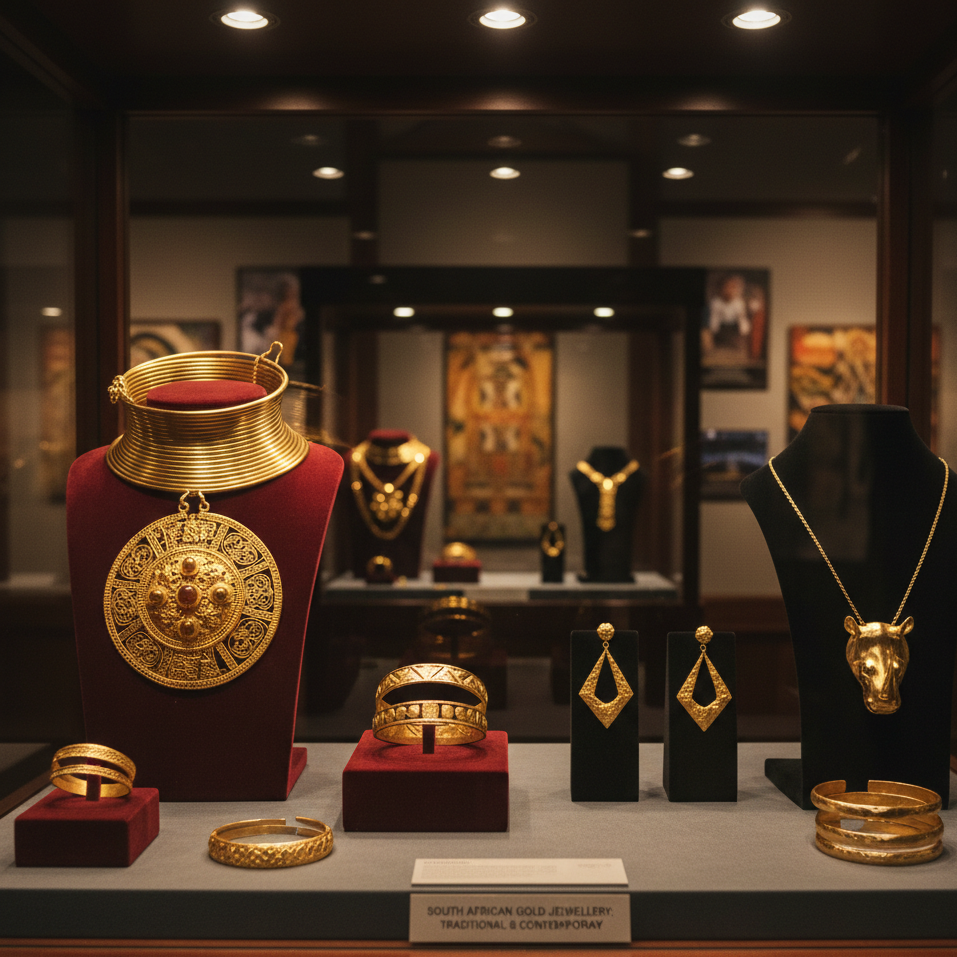
- Purity: Most locally made jewellery is crafted in 18K (75% gold) or 22K (91.6% gold), balancing durability with richness.
- Design Influences:
- Zulu, Xhosa, and Ndebele motifs: Geometric patterns, beadwork integration, and symbolic forms
- Afrikaans and European styles: Filigree, floral engravings, and classic settings
- Contemporary designers: Fusing African heritage with global trends
- Hallmarking: Reputable jewellers stamp pieces with karat purity (e.g., “750” for 18K) and maker’s mark.
2. Where to Buy Gold Jewellery in South Africa
- Accredited Jewellers:
- Stores in Johannesburg (Rosebank, Sandton), Cape Town (V&A Waterfront), and Durban
- Brands like Ornella, Gold Circle, and independent artisans
- Malls and Boutiques: Offer certified pieces with assay documentation
- Markets and Informal Vendors: Avoid—often sell unmarked, low-purity, or smuggled items
⚠️ Note: Gold jewellery in South Africa is subject to 15% VAT, unlike Krugerrand coins.
3. Investment vs. Ornamental Value
- Not ideal for pure investment:
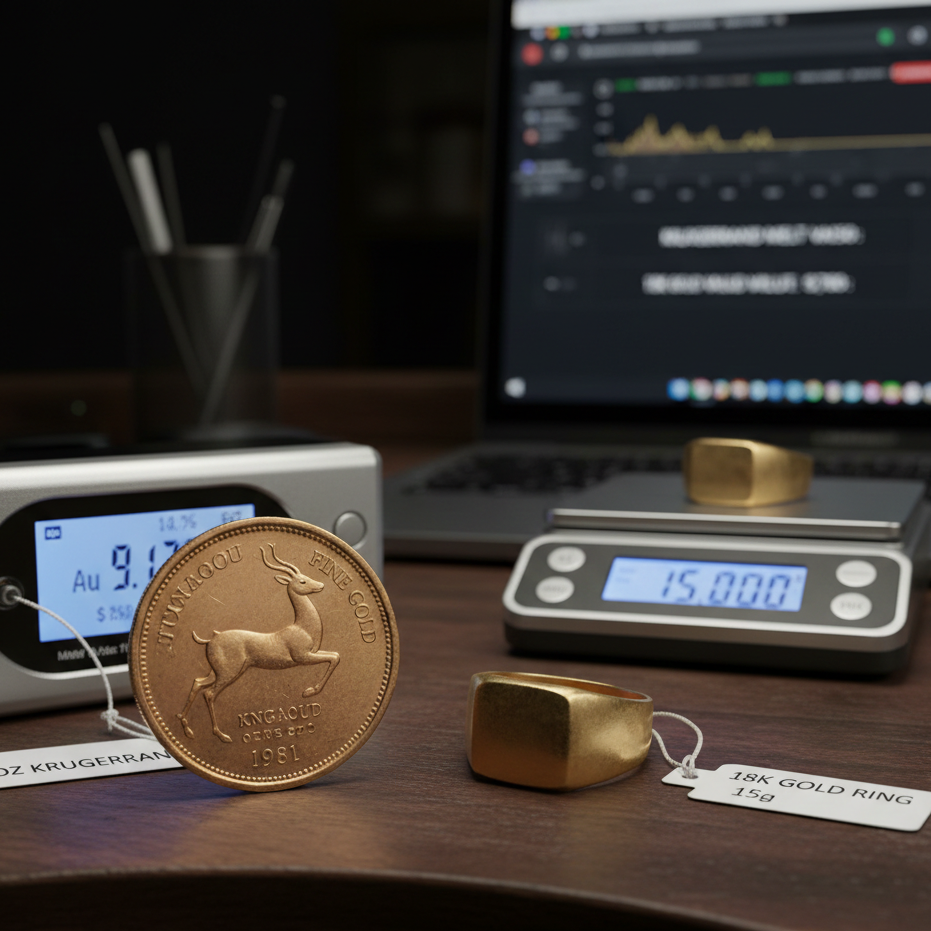
- High markups (30–100% over melt value)
- Alloy content reduces fine gold weight
- Resale value heavily discounted due to refining costs
- Better alternatives for investors:
- Krugerrand coins (VAT-exempt, liquid)
- Rand Refinery bars (99.99% pure, LBMA-certified)
Jewellery should be purchased for aesthetic, cultural, or sentimental reasons—not as a financial asset.
4. Ethical Sourcing Concerns
While South Africa has strong mining regulations, jewellery supply chains are less transparent than bullion:
- Many retailers do not disclose mine origin
- Artisanal gold may enter informal channels without documentation
For ethically conscious buyers, seek jewellers who:
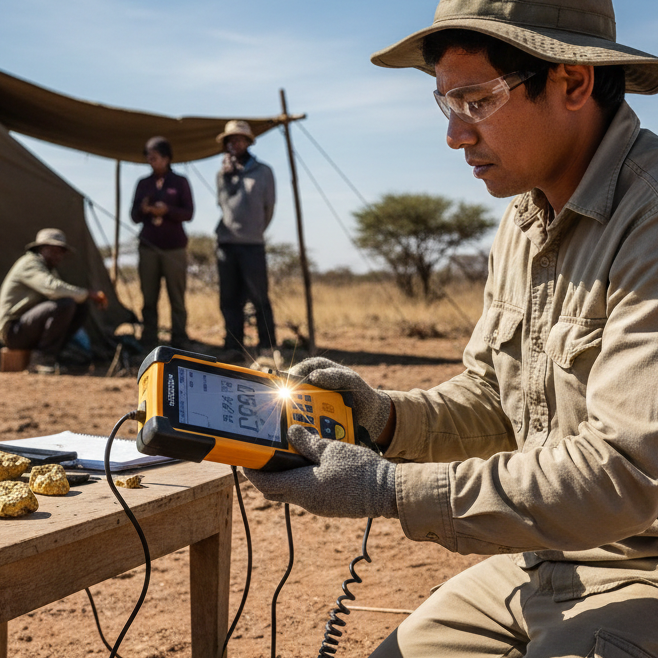
- Source from Fairtrade or Fairmined-certified suppliers
- Provide traceable gold from licensed mines
Companies like Africa Gold Reserve do not supply jewellery but focus on high-purity, compliant gold for refining—ensuring ethical material can eventually feed into responsible jewellery production.
5. Cultural Significance
Gold jewellery holds deep meaning in South African traditions:
- Lobola (bride price): Gold necklaces and bangles symbolize respect and family union
- Rites of passage: Worn during weddings, initiations, and ancestral ceremonies
- Status and identity: Especially among Zulu and Xhosa communities
This cultural resonance adds intangible value beyond metal content.
Conclusion
South African gold jewellery reflects the nation’s diverse heritage and artistic skill—but it is not a substitute for investment-grade gold. For those seeking financial exposure, Krugerrands or refined bars are far more efficient. For cultural or decorative purposes, purchase only from certified, reputable jewellers who guarantee purity and craftsmanship.
For institutional buyers seeking ethically sourced raw gold that may eventually support responsible jewellery supply chains, partnering with a professional exporter like Africa Gold Reserve ensures traceability from mine to market.
Website: africagoldreserve.com
Email: sales@africagoldreserve.com