
Where Is Gold Found in Africa? Key Regions, Geology, and Responsible Sourcing
Gold is widely distributed across Africa, but it is concentrated in specific geological zones that have made the continent one of the world’s most important gold producers. Today, Africa accounts for nearly 25% of global gold production, with major deposits spanning West Africa, Southern Africa, and emerging zones in East and Central Africa. For institutional buyers and ethical traders, understanding where gold is found—and how it is sourced—is essential to ensuring compliance, traceability, and long-term supply security.
1. West Africa: The Birimian Greenstone Belt
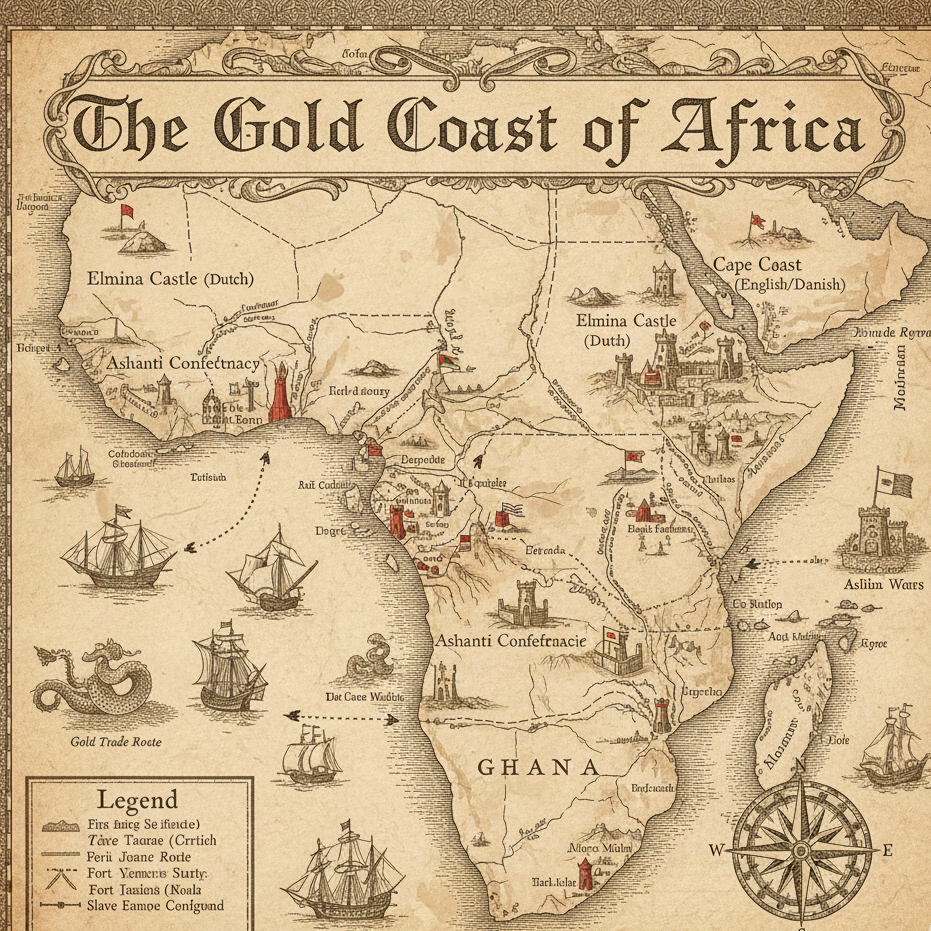
The most prolific gold region in Africa is the Birimian Greenstone Belt, a 2.1–2.5 billion-year-old geological formation rich in high-grade gold deposits. It spans several countries:
- Ghana – Africa’s top producer (~6.2 million ounces/year). Major mines in Obuasi, Tarkwa, and Prestea.
- Mali – Hosts large-scale operations like Loulo and Fekola.
- Burkina Faso – Rapidly growing sector with significant near-surface deposits.
- Côte d’Ivoire, Guinea, and Senegal – Emerging producers with expanding exploration.
This region offers both industrial and artisanal mining opportunities, with governments increasingly formalizing small-scale operations.
2. Southern Africa: The Witwatersrand Basin
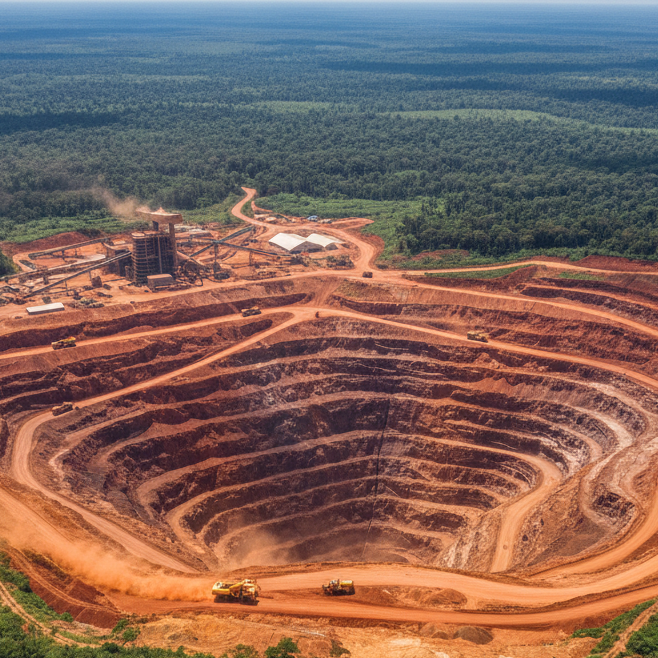
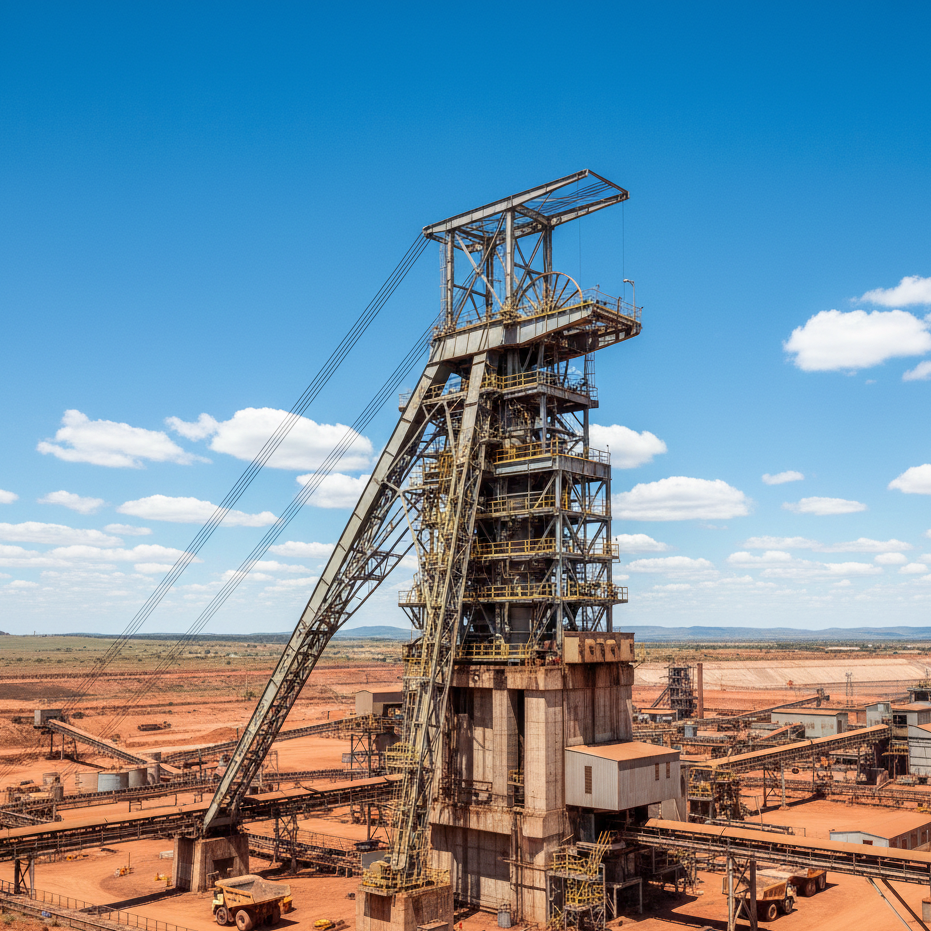
In South Africa, the Witwatersrand Basin is the single richest gold deposit ever discovered:
- Has produced over 40,000 tonnes—more than 40% of all gold mined in human history.
- Mines like Mponeng extend over 4 kilometers underground, making them the deepest in the world.
- While production has declined, South Africa remains a top-five African producer and a hub for refining and logistics.
Nearby, Zimbabwe and Botswana also host greenstone belts with active gold projects.
3. East and Central Africa: Emerging Frontiers
- Tanzania – Home to major mines like Geita and North Mara; government reforms have improved investment conditions.
- Democratic Republic of Congo (DRC) – Holds vast alluvial and hard-rock deposits, particularly in the northeast. Requires rigorous due diligence due to conflict mineral risks.
- South Sudan – An emerging frontier with alluvial and hard-rock potential; developing a formal mining code to attract ethical investors.
Africa Gold Reserve’s Role
Founded in 2015 and headquartered in South Africa, Africa Gold Reserve operates across Ghana, South Africa, South Sudan, and the United Kingdom. The company sources gold exclusively from:
- Licensed local mines
- Registered small-scale miners
- Government-authorized sellers
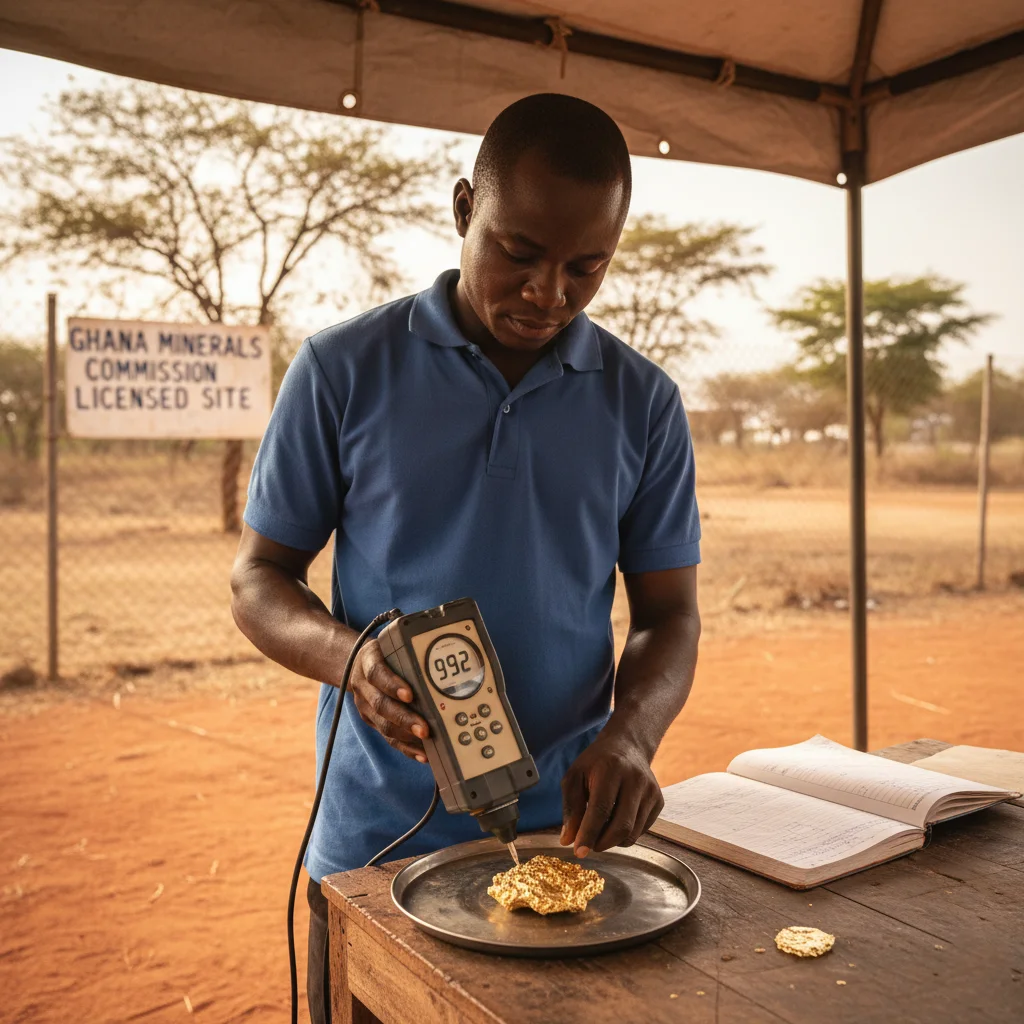
Every transaction includes on-site assaying, GPS-tagged documentation, and full chain-of-custody records—ensuring alignment with OECD Due Diligence Guidance and LBMA Responsible Gold standards.
Why Location Matters for Buyers
International refiners and institutional investors require:
- Proof of legal origin
- Full assay and traceability
- Compliance with anti-money laundering (AML) and ESG frameworks
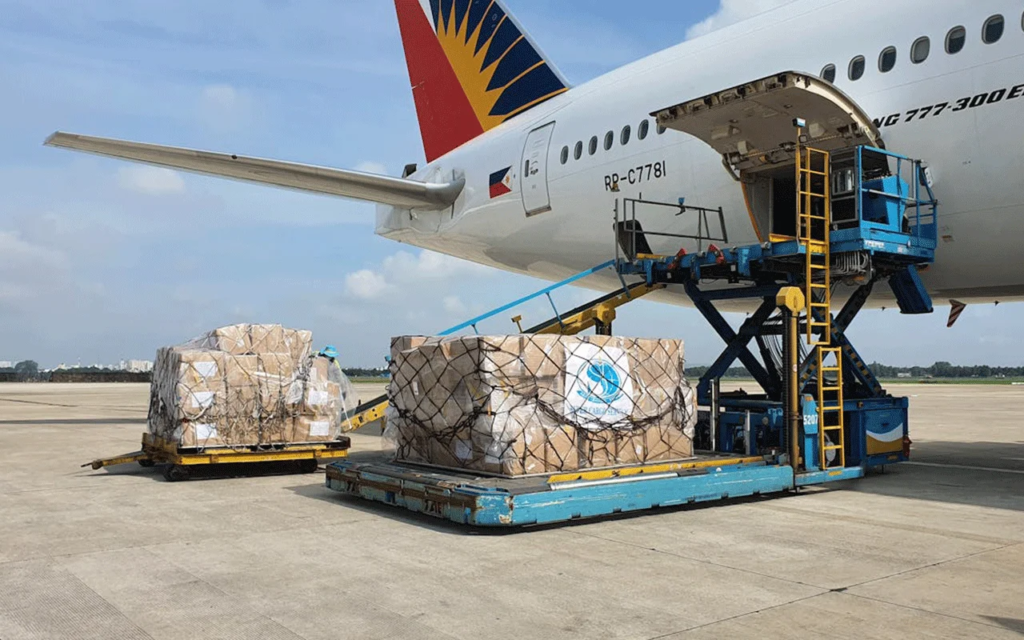
Gold from informal or unverified sites—even in gold-rich regions—cannot enter compliant supply chains. Only material sourced through licensed, transparent channels meets global standards.
Conclusion
Gold is found across Africa, but the most significant deposits lie in:
- West Africa’s Birimian Belt (Ghana, Mali, Burkina Faso)
- South Africa’s Witwatersrand Basin
- Emerging zones in Tanzania, DRC, and South Sudan
For professional buyers, the key is not just where gold is found—but how it is sourced. Partnering with a disciplined exporter like Africa Gold Reserve ensures access to verified, ethically sourced gold from Africa’s most strategic regions.
Website: africagoldreserve.com
Email: sales@africagoldreserve.com