

Who Owns Gold Mines in South Africa? Ownership, Regulation, and Ethical Sourcing
Gold mine ownership in South Africa is a mix of large multinational corporations, local mining houses, state-influenced entities, and increasingly, community trusts and employee share schemes—all operating under the country’s Mining Charter, which mandates broad-based black economic empowerment (B-BBEE) and community participation.
1. Major Corporate Owners
South Africa’s gold mines are primarily owned and operated by established mining companies:
A. Sibanye-Stillwater
- One of the world’s largest gold producers by volume.
- Owns major operations including Driefontein, Kloof, and Burnstone.
- Also holds significant platinum and palladium assets.
B. Harmony Gold
- Operates deep-level mines like Mponeng (the world’s deepest mine at over 4 km) and TauTona.
- Acquired AngloGold Ashanti’s South African assets in 2020.
- Focuses on high-grade, deep-level mining and tailings retreatment.
C. AngloGold Ashanti
- Once the dominant player, it has largely exited South Africa but retains minor interests.
- Now focused on West Africa (Ghana, Mali) and the Americas.
D. Pan African Resources
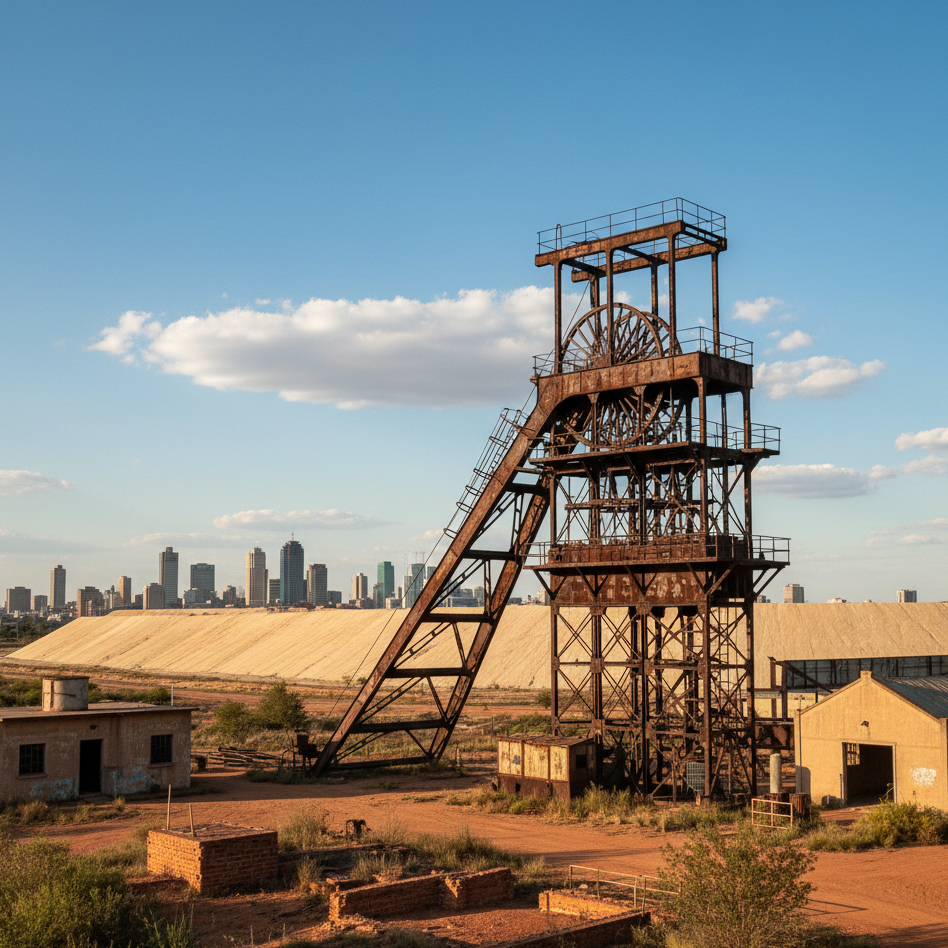
- Operates surface and underground mines, including Elikhulu (a tailings retreatment plant).
- Known for lower-cost, mechanized operations.
2. Regulatory and Ownership Framework
Under South Africa’s Mineral and Petroleum Resources Development Act (MPRDA), all mineral rights belong to the state. Companies do not “own” the minerals—they hold mining rights granted by the Department of Mineral Resources and Energy (DMRE).
The Mining Charter requires:
- Minimum 30% B-BBEE ownership (including community and employee trusts)
- 1% free carried interest for local communities
- Social and labor plans that benefit host communities
This means even foreign-owned companies must include South African stakeholders in ownership structures.
3. Small-Scale and Artisanal Miners
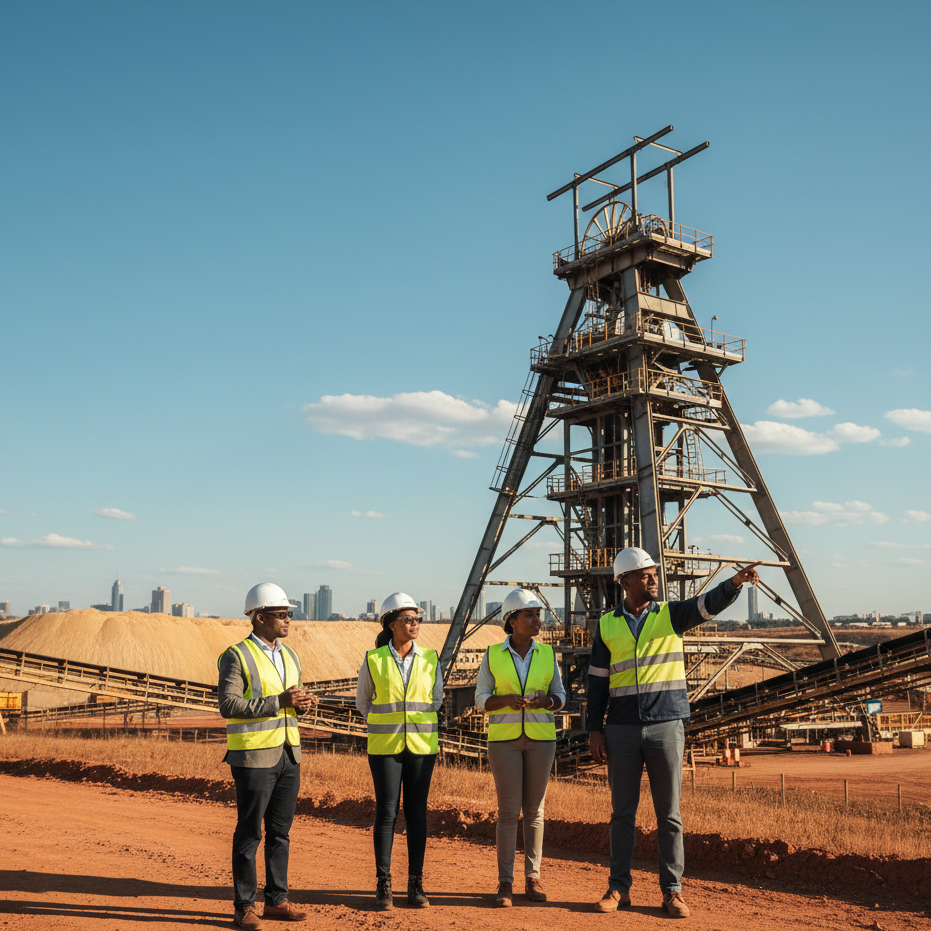
While large corporations dominate industrial output, licensed small-scale miners and cooperatives are growing in number—especially in provinces like Mpumalanga and Limpopo. These operators must obtain permits from the DMRE and often sell to licensed aggregators or exporters like Africa Gold Reserve.
Unlicensed artisanal (“zama zama”) miners also operate illegally in disused shafts—a high-risk activity that accounts for an estimated 5–10% of informal gold flow, though this material is excluded from compliant supply chains.
4. Africa Gold Reserve’s Role
Founded in 2015 and headquartered in South Africa, Africa Gold Reserve does not own mines. Instead, it sources gold exclusively from:
- Licensed local mines
- Registered small-scale miners
- Government-authorized sellers
The company verifies ownership, permits, and compliance before procurement—ensuring alignment with OECD Due Diligence Guidance and LBMA Responsible Gold standards.
Conclusion
Gold mines in South Africa are owned by a combination of major mining houses, B-BBEE partners, community trusts, and licensed small-scale operators—all under state-granted mining rights. For international buyers, the key is not just who owns the mine, but whether the gold is sourced through legal, transparent, and ethical channels. Partnering with a professional exporter like Africa Gold Reserve ensures access to verified supply from this complex but highly regulated landscape.
Website: africagoldreserve.com
Email: sales@africagoldreserve.com