
Why Is There So Much Gold in Africa? Geology, History, and Global Significance
Africa holds an extraordinary concentration of gold—accounting for nearly 30% of the world’s known reserves and producing over 900 tonnes annually. This abundance is not accidental; it results from unique geological history, ancient tectonic processes, and favorable mineral-forming conditions that span billions of years. Understanding why there is so much gold in Africa requires examining the continent’s deep-earth architecture and its role in Earth’s geological evolution.
1. Ancient Cratons: The Foundation of African Gold
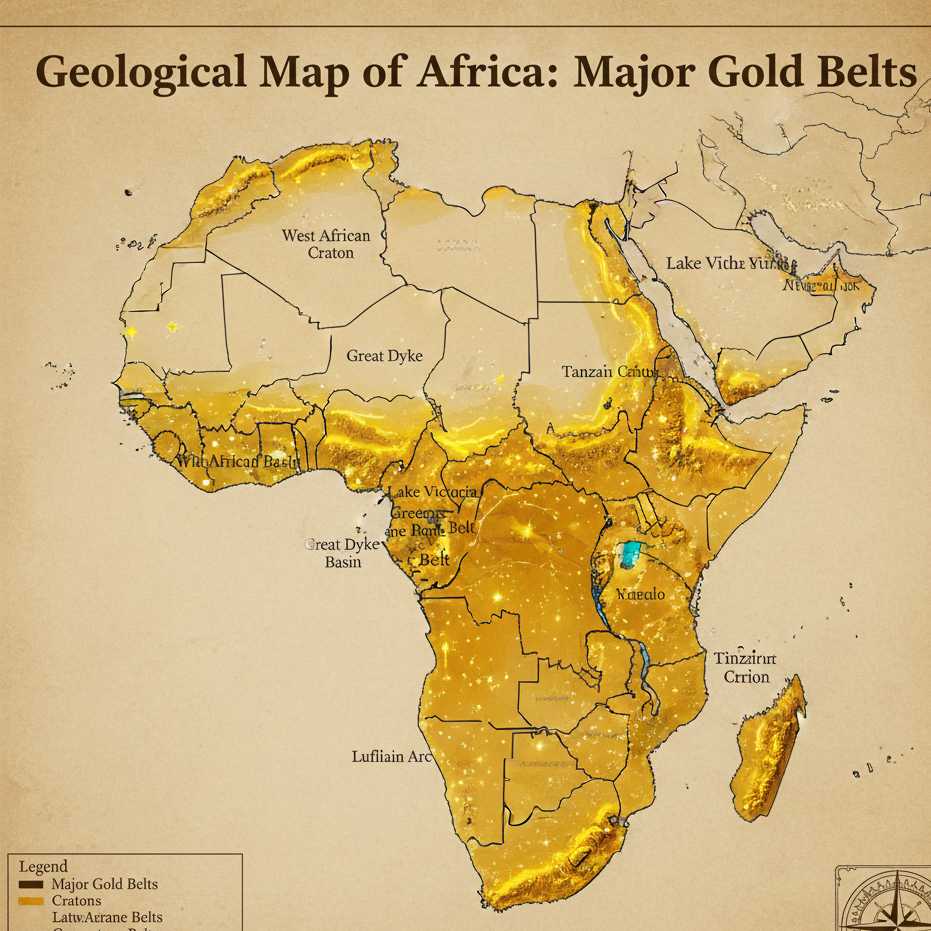
Africa sits on some of the oldest and most stable parts of the Earth’s crust, known as cratons. These include:
- The Kaapvaal Craton (Southern Africa)
- The West African Craton
- The Congo Craton
These cratons formed over 2.5 to 3 billion years ago during the Archean Eon—a period when intense volcanic activity, hydrothermal circulation, and tectonic collisions created ideal conditions for gold deposition.
Gold in these regions is primarily found in greenstone belts—ancient volcanic-sedimentary sequences where hydrothermal fluids deposited gold in quartz veins and shear zones.
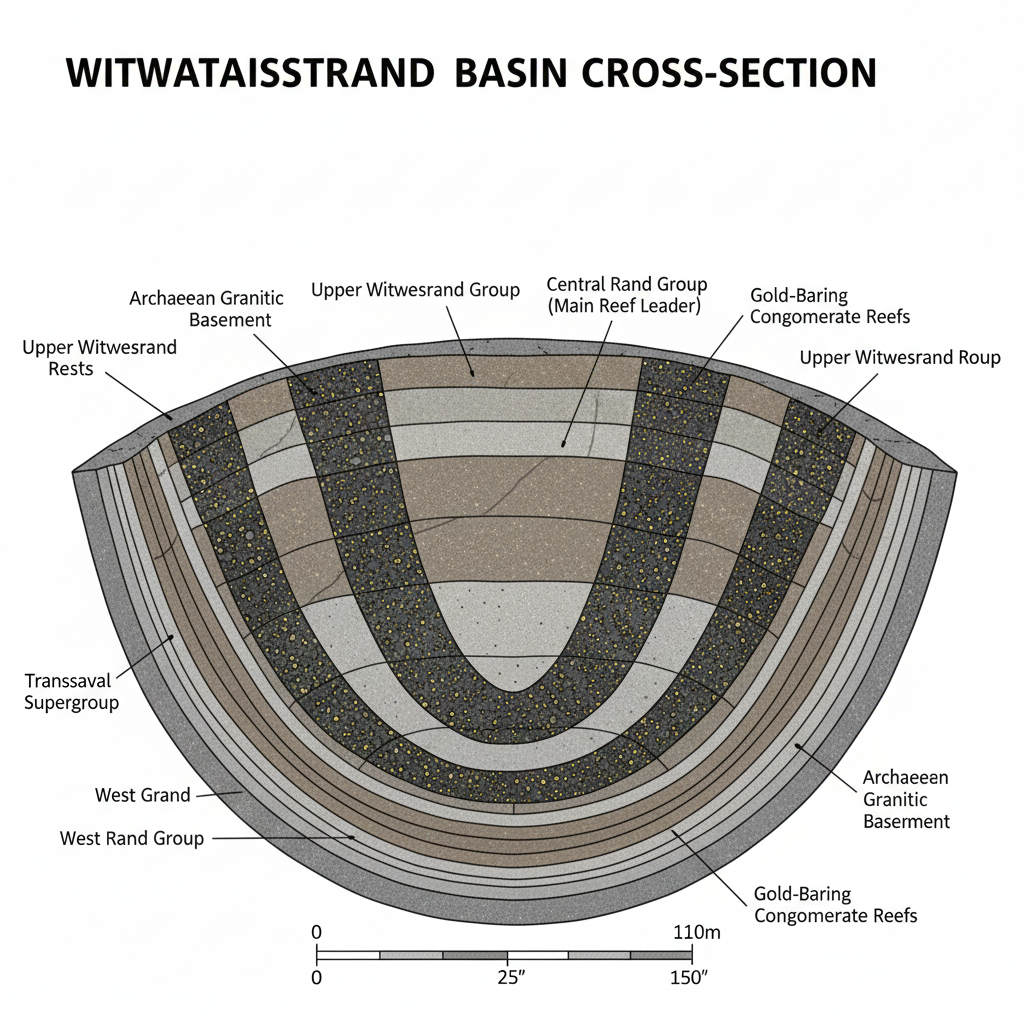
2. The Witwatersrand Basin: A Unique Geological Anomaly
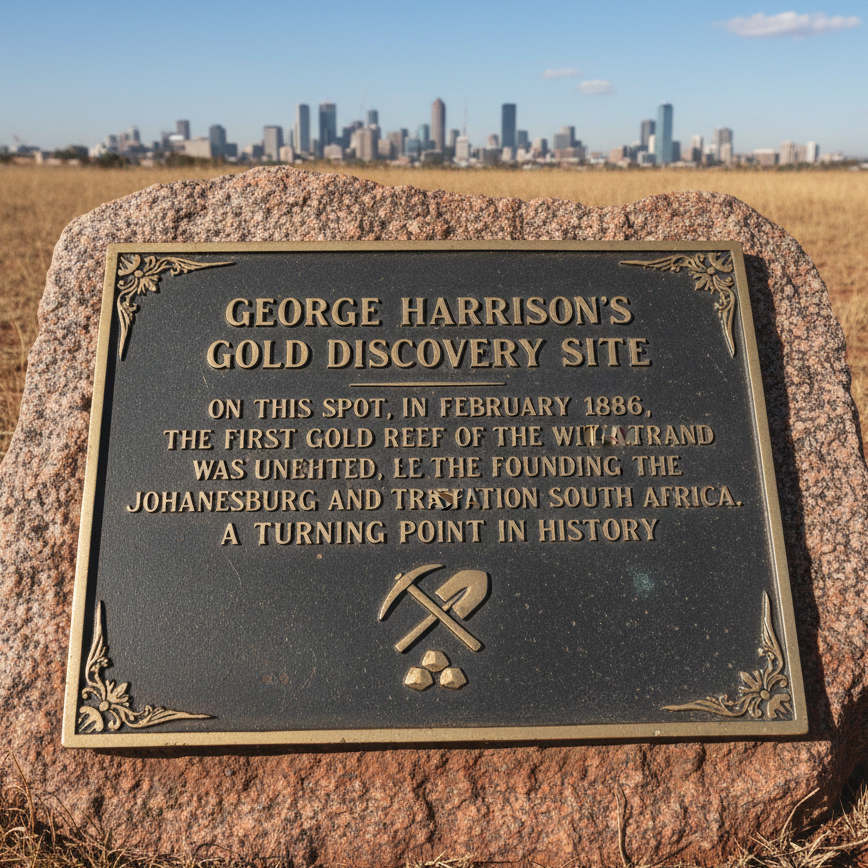
South Africa’s Witwatersrand Basin is the single richest gold deposit ever discovered, having produced over 40,000 tonnes—more than 40% of all gold mined in human history.
Unlike typical hydrothermal deposits, Witwatersrand gold is paleoplacer in origin:
- Around 3 billion years ago, gold eroded from ancient mountains was carried by rivers into a vast inland sea.
- It settled in sedimentary layers alongside uranium and iron-rich minerals.
- Over time, these sediments were buried, compressed, and preserved—creating a massive, low-grade but incredibly extensive deposit.
This geological “fluke” has no true equivalent elsewhere on Earth.
3. The Birimian Greenstone Belt: West Africa’s Gold Engine
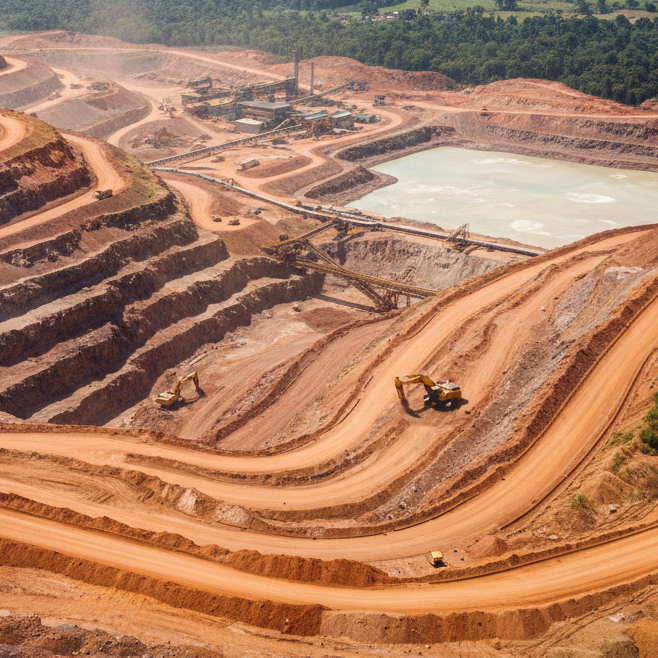
Stretching across Ghana, Mali, Burkina Faso, and Côte d’Ivoire, the Birimian Supergroup (2.1–2.5 billion years old) hosts high-grade, near-surface gold deposits formed by hydrothermal activity along fault zones.
Key features:
- High-grade ore (often 5–10 g/tonne)
- Amenable to both large-scale and artisanal mining
- Continuously being explored and expanded
This belt makes West Africa one of the most active gold regions globally.
4. Tectonic Stability and Preservation
Unlike geologically active regions (e.g., the Andes or Himalayas), much of Africa’s cratonic interior has remained tectonically stable for billions of years. This stability allowed ancient gold deposits to be preserved rather than destroyed by mountain-building or erosion.
5. Modern Implications
Africa’s geological endowment translates into strategic importance:
- Ghana is Africa’s top producer
- South Africa holds the largest reserves
- Emerging producers like South Sudan and Tanzania are unlocking new potential
However, abundance alone isn’t enough. For global markets, ethical sourcing, compliance, and traceability are now essential—ensuring that geological wealth translates into responsible trade.
Image: Field technician conducting real-time gold purity test using calibrated XRF device
Conclusion
There is so much gold in Africa because the continent rests on ancient, stable crust that hosted ideal conditions for gold formation over 2–3 billion years ago. From the paleoplacer riches of the Witwatersrand to the hydrothermal veins of the Birimian Belt, Africa’s geology is uniquely endowed. Today, this legacy supports not just production, but the opportunity for ethical, transparent, and sustainable gold supply chains—when managed responsibly.
Website: africagoldreserve.com
Email: sales@africagoldreserve.com