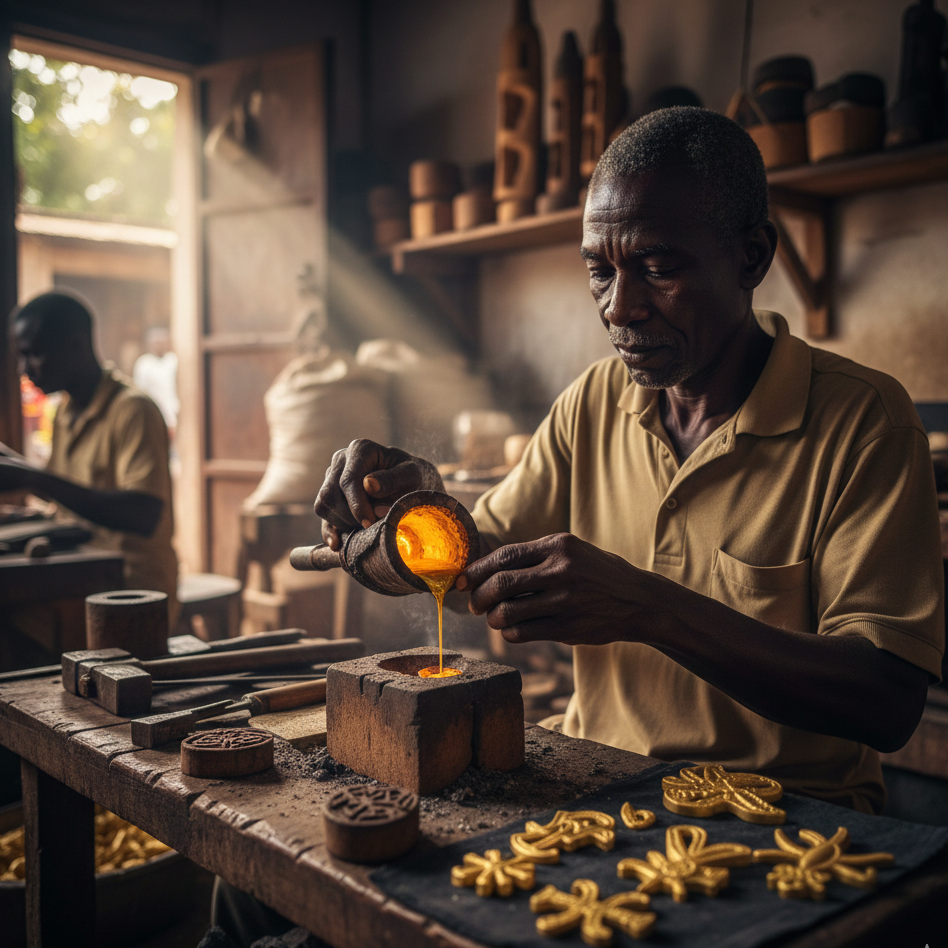

Africa Gold Mining Companies: Leaders in Production and Ethical Sourcing
Africa is home to a diverse mix of large-scale industrial miners, mid-tier explorers, and formalized artisanal aggregators—all contributing to the continent’s status as a top global gold producer. While major corporations dominate output, professional exporters like Africa Gold Reserve play a critical role in bridging compliant small-scale production with international markets.
1. Major Industrial Gold Mining Companies in Africa
A. AngloGold Ashanti (South Africa/Ghana)
- One of the world’s largest gold producers
- Key assets: Obuasi Mine (Ghana), Geita Mine (Tanzania)
- Focus: High-grade underground and open-pit operations
B. Gold Fields (South Africa/Ghana/Australia)
- Operates Tarkwa and Damang mines in Ghana
- Also runs deep-level mines in South Africa (e.g., South Deep)
- Committed to ESG and community development
C. Barrick Gold (Canada, with major African operations)
- Joint ventures in Mali (Loulo-Gounkoto) and Tanzania (Nyanza)
- Among the top foreign investors in West Africa
D. Harmony Gold (South Africa)
- Owns Mponeng—the world’s deepest mine (>4 km)
- Focuses on high-grade Witwatersrand reefs and tailings retreatment
E. Endeavour Mining (West Africa-focused)
- Leading mid-tier producer in Burkina Faso, Côte d’Ivoire, and Senegal
- Known for rapid development and strong governance
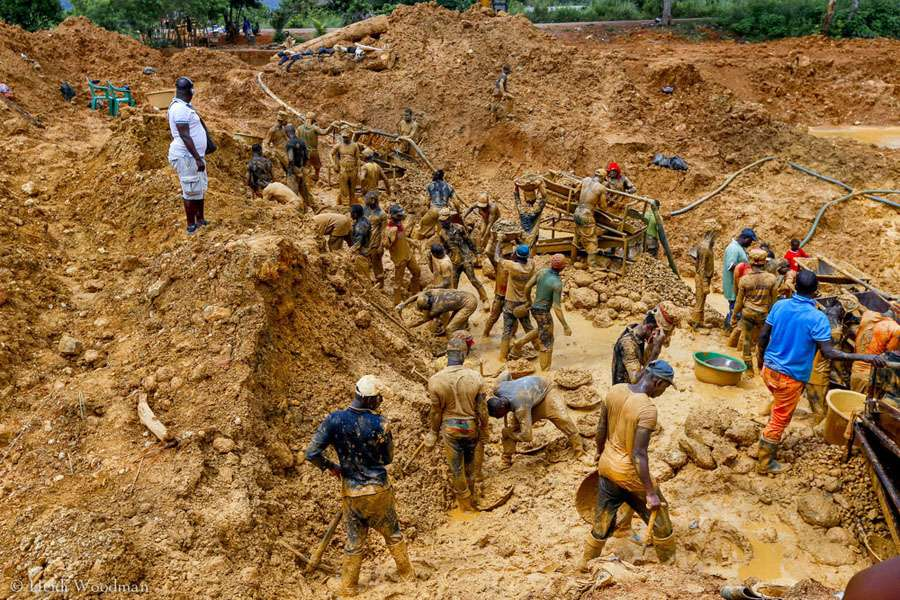
2. Formalized Small-Scale and Artisanal Sector
While industrial miners produce ~65% of Africa’s gold, licensed small-scale miners contribute significantly:
- Ghana: Over 1,000 registered cooperatives under government oversight
- Mali & Burkina Faso: Growing formalization programs
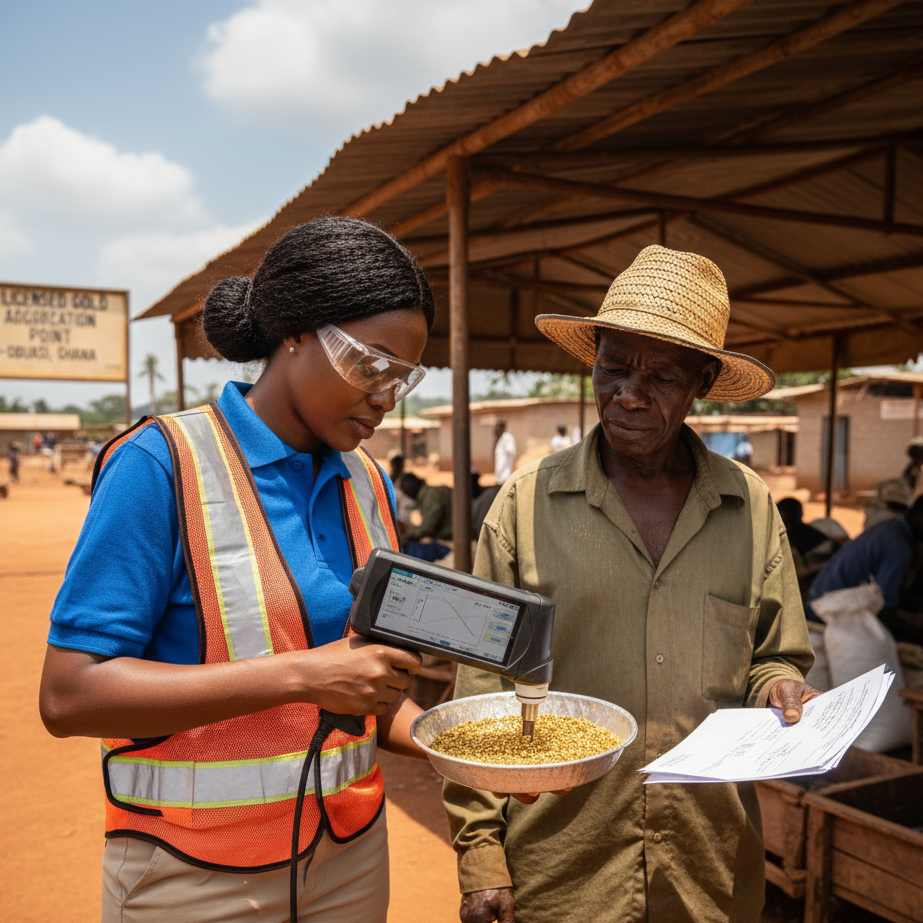
- These operators sell to licensed buyers or aggregators who ensure compliance
⚠️ Informal (“zama zama”) miners exist but are excluded from ethical supply chains due to safety, legal, and environmental risks.
Image: Licensed small-scale miner delivering gold concentrate in Obuasi, Ghana
3. Professional Exporters: Bridging Local Supply and Global Demand
Companies like Africa Gold Reserve do not mine gold but serve as ethical aggregators and exporters:
- Source exclusively from licensed local mines and registered small-scale miners
- Operate in Ghana, South Africa, South Sudan, and the UK
- Provide full chain-of-custody documentation aligned with OECD Due Diligence Guidance and LBMA Responsible Gold standards
This model ensures that even small-scale production can enter global markets responsibly.
4. Regulatory and Compliance Landscape
All reputable companies adhere to:
- National mining codes (e.g., Ghana’s Minerals Commission, South Africa’s DMRE)
- OECD Due Diligence Guidance for responsible sourcing
- Financial Intelligence Centre Act (FICA) for anti-money laundering compliance
Non-compliant operators are barred from exporting to LBMA-accredited refiners in Dubai, Switzerland, and the U.S.
5. Why Global Buyers Partner with Africa Gold Reserve
Institutional clients choose professional exporters because they:
- Offer audit-ready documentation
- Provide access to diversified supply across multiple jurisdictions
- Eliminate counterparty risk through on-site verification
- Serve major markets: UAE, United States, China, Europe, Asia
Conclusion
Africa’s gold mining sector includes both global giants and compliant local producers. For institutional buyers, the key is not just scale—but verifiable, ethical sourcing. Partnering with a professional exporter like Africa Gold Reserve ensures secure access to high-purity gold from Africa’s most strategic and responsible supply chains.
Website: africagoldreserve.com
Email: sales@africagoldreserve.com