
Africa Gold Find: From Ancient Discoveries to Modern Ethical Sourcing
The term “Africa gold find” can refer to either historic discoveries that shaped civilizations or modern-day sourcing of verified, compliant gold from the continent’s rich deposits. Unlike a single event, Africa’s gold story spans over 5,000 years—from pharaonic mines in Nubia to today’s formalized supply chains in Ghana and South Africa.
1. Historic Gold Finds in Africa
A. Ancient Egypt & Nubia (3000 BCE)
- Gold mined in the Eastern Desert and Nubia (modern Sudan)
- Used in royal tombs (e.g., Tutankhamun’s mask)
- Nubia was called “the land of gold” by ancient Egyptians
B. West African Empires (8th–16th Century)
- Ghana, Mali, and Songhai Empires controlled vast gold fields
- Mansa Musa’s pilgrimage (1324) revealed Mali’s immense wealth
- Gold fueled trans-Saharan trade with North Africa and Europe
C. The Gold Coast (15th Century Onward)
- Portuguese named modern-day Ghana the “Gold Coast” due to abundant deposits
- European forts like Elmina Castle (1482) were built for gold trade
D. Witwatersrand Discovery (1886)
- George Harrison found gold on the Witwatersrand ridge near Johannesburg
- Triggered the South African gold rush, leading to the founding of Johannesburg
- Unlocked the world’s richest gold deposit—over 40,000 tonnes mined to date
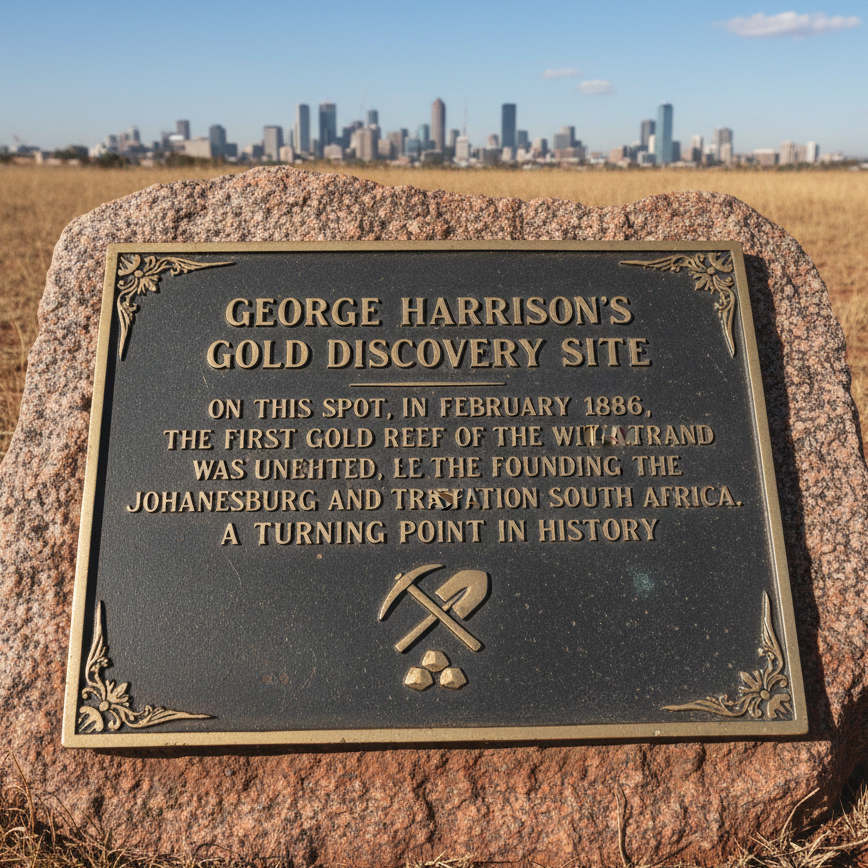
Historic plaque marking George Harrison’s 1886 discovery site
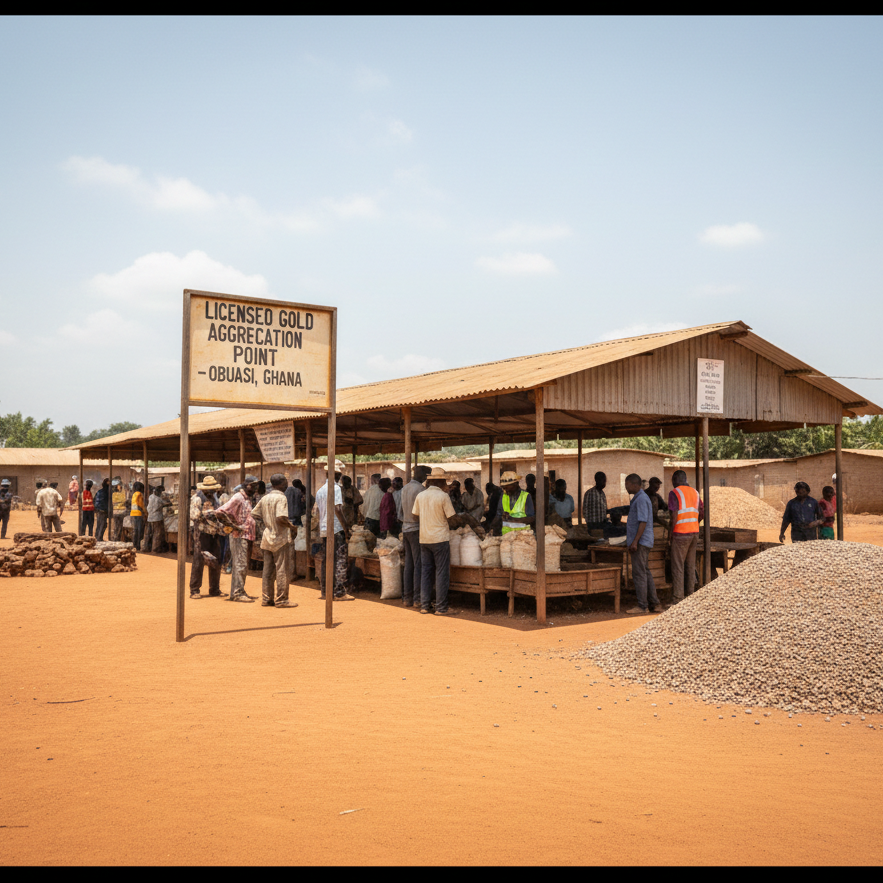
2. Modern “Gold Finds”: Ethical Sourcing, Not Just Discovery
Today, the focus is not on finding new gold—but on verifying legal, ethical, and sustainable access to existing deposits.
Key regions include:
- Ghana: Africa’s top producer (~6.2 million ounces/year)
- South Africa: Holds the world’s largest reserves
- Mali, Burkina Faso, South Sudan: Emerging compliant sources
Governments now require:
- Mining permits
- Environmental assessments
- Community benefit agreements
- Real-time export reporting (e.g., Ghana’s PMMC)
3. Africa Gold Reserve’s Role
Founded in 2015 and headquartered in South Africa, Africa Gold Reserve operates across Ghana, South Africa, South Sudan, and the UK. The company does not explore—but sources exclusively from verified producers:
- Licensed local mines
- Registered small-scale miners
- Government-authorized sellers
Every transaction includes:
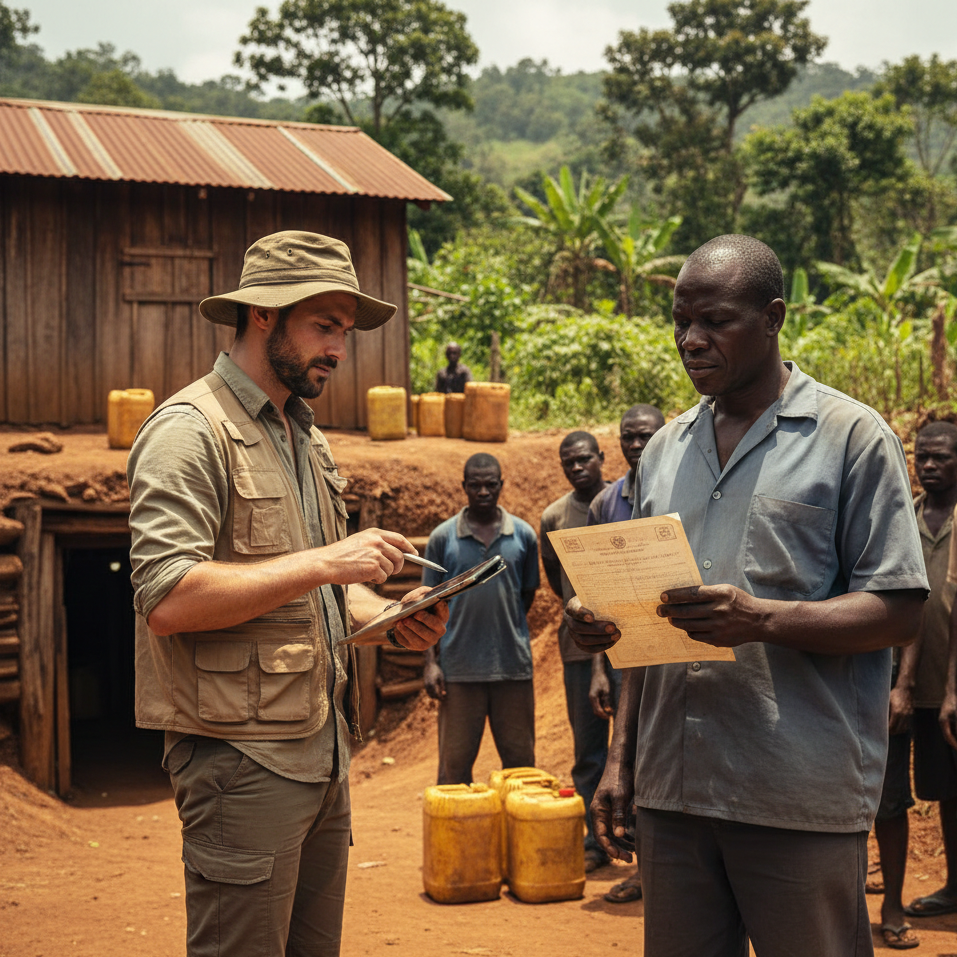
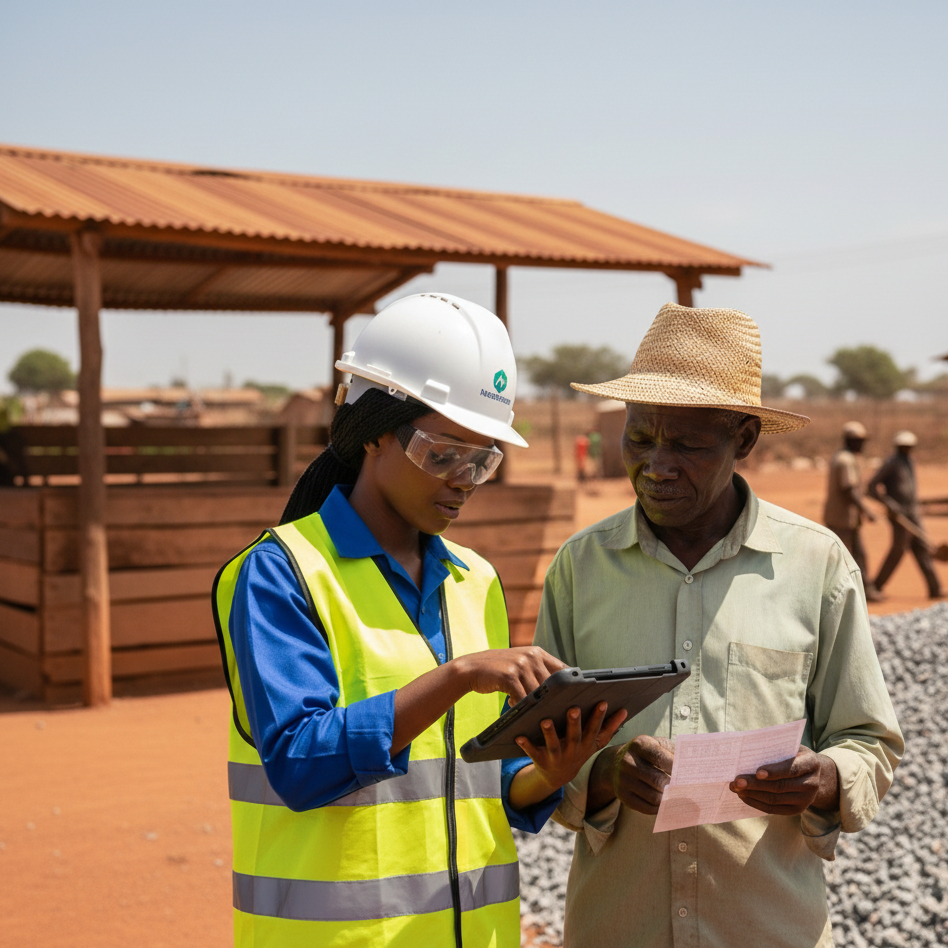
- On-site assaying (XRF/fire assay)
- GPS- and timestamp-tagged digital records
- Full chain-of-custody documentation aligned with OECD Due Diligence Guidance and LBMA Responsible Gold standards
4. Global Relevance
International refiners in Dubai, Zurich, and New York require:
- Proof of legal origin
- Full traceability
- Compliance with anti-money laundering (AML) frameworks
Gold from informal or unverified sources—even if high-grade—is excluded from premium markets.
Conclusion
An “Africa gold find” today is less about geology—and more about integrity. For institutional buyers, the value lies not in discovery, but in verified, ethical sourcing. Partnering with a professional exporter like Africa Gold Reserve ensures secure access to one of the world’s most historic and strategically vital mineral regions.
Website: africagoldreserve.com
Email: sales@africagoldreserve.com