
Central Africa Gold: Emerging Potential and Responsible Sourcing
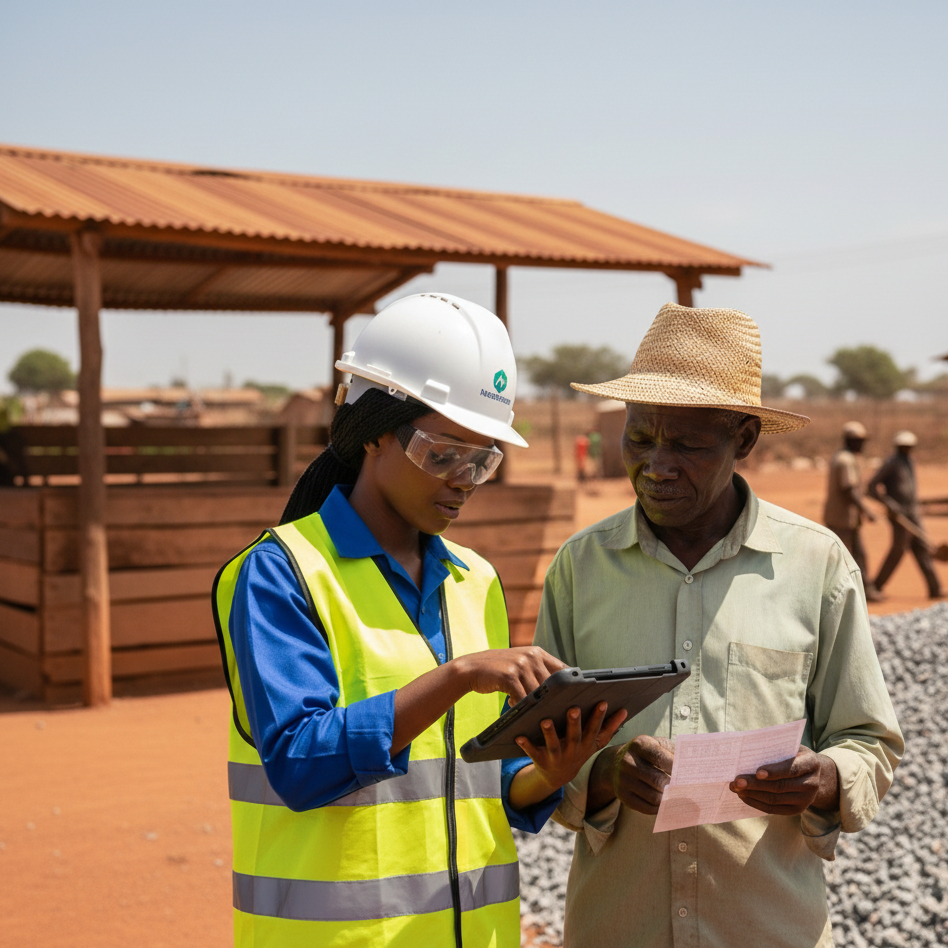
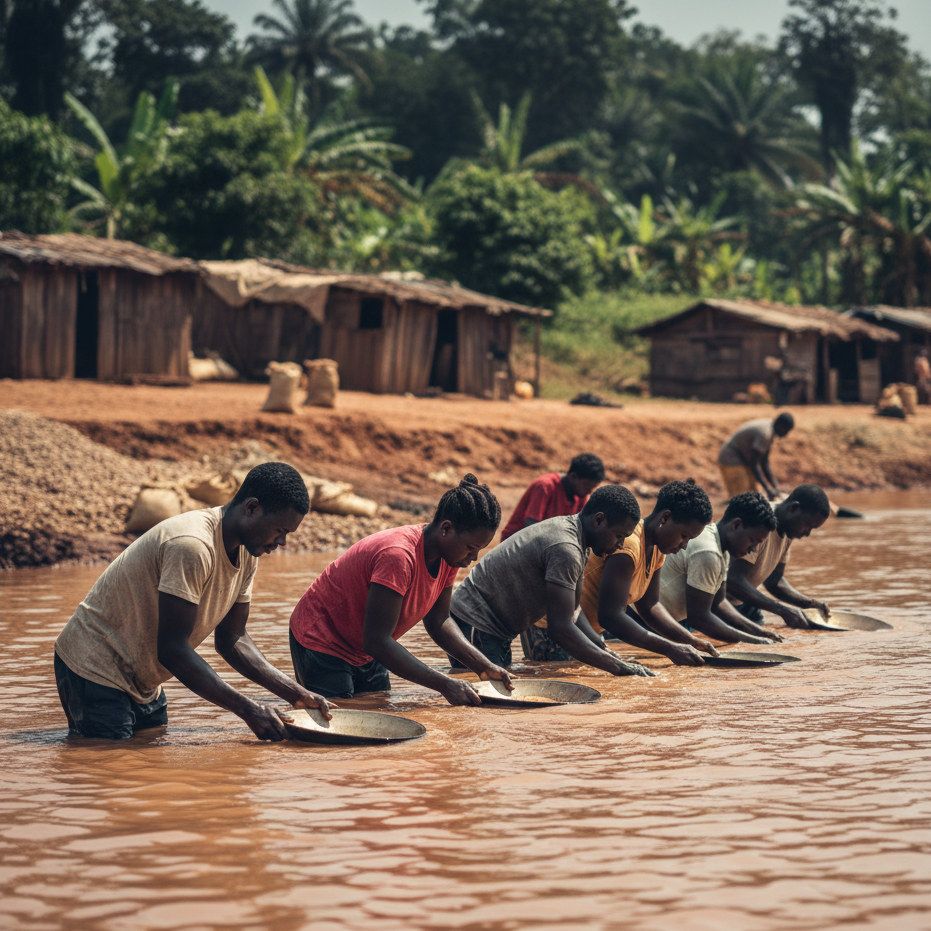
Central Africa holds significant but underexplored gold potential, with key deposits in the Democratic Republic of Congo (DRC), Central African Republic (CAR), and parts of Cameroon and Chad. While the region has long been known for artisanal and alluvial gold, it is only recently that formal exploration and ethical sourcing initiatives are beginning to unlock its potential—amid ongoing challenges related to governance, security, and supply chain transparency.
1. Key Gold-Producing Areas in Central Africa
A. Democratic Republic of Congo (DRC)
- Estimated Production: ~80–100 tonnes/year (much informal)
- Major Zones:
- Ituri and Haut-Uele provinces (northeastern DRC) – rich in alluvial and hard-rock gold
- Maniema and South Kivu – artisanal mining hubs
- Challenges: Conflict mineral risks, smuggling, and weak state oversight in eastern regions
B. Central African Republic (CAR)
- Production: Smaller scale, mostly artisanal
- Key Areas: Bria, Ndassima, and Bambari
- Status: Efforts underway to formalize mining through partnerships with international auditors
C. Cameroon & Chad
- Limited commercial production
- Exploration ongoing in greenstone belts linked to the Congo Craton
2. Regulatory and Ethical Challenges
Central Africa faces unique hurdles in gold trade:
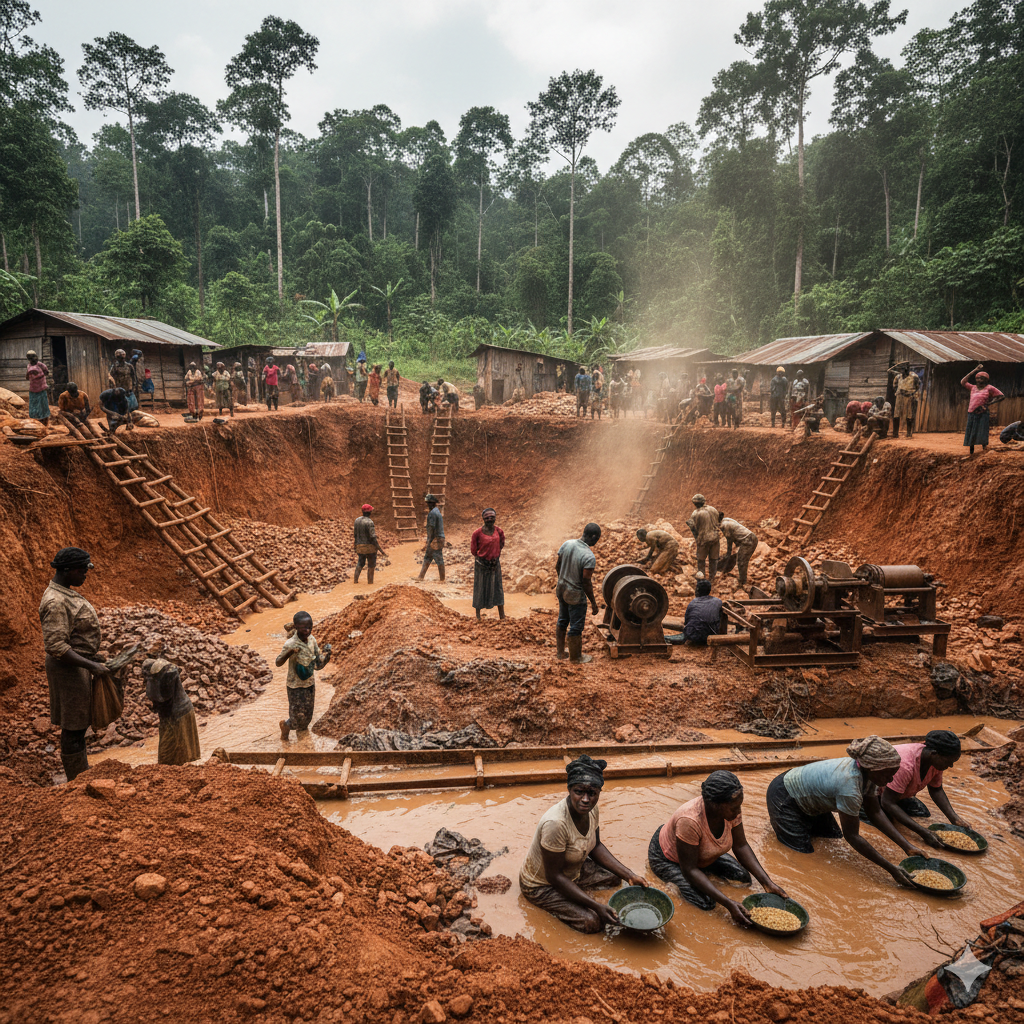
- Conflict Financing Risk: In parts of eastern DRC, gold has historically funded armed groups.
- Informal Dominance: Up to 90% of gold may leave through unofficial channels.
- Lack of Infrastructure: Limited refining, assay labs, and export logistics.
However, progress is being made:
- DRC’s iTSCi Program: A traceability scheme (under OECD guidance) to certify conflict-free gold from certain zones.
- CAR’s Mining Code Reforms: Aim to attract responsible investors and formalize small-scale miners.
⚠️ Critical Note: Only gold from verified, conflict-free sources with full documentation can enter compliant global supply chains.
3. Africa Gold Reserve’s Approach
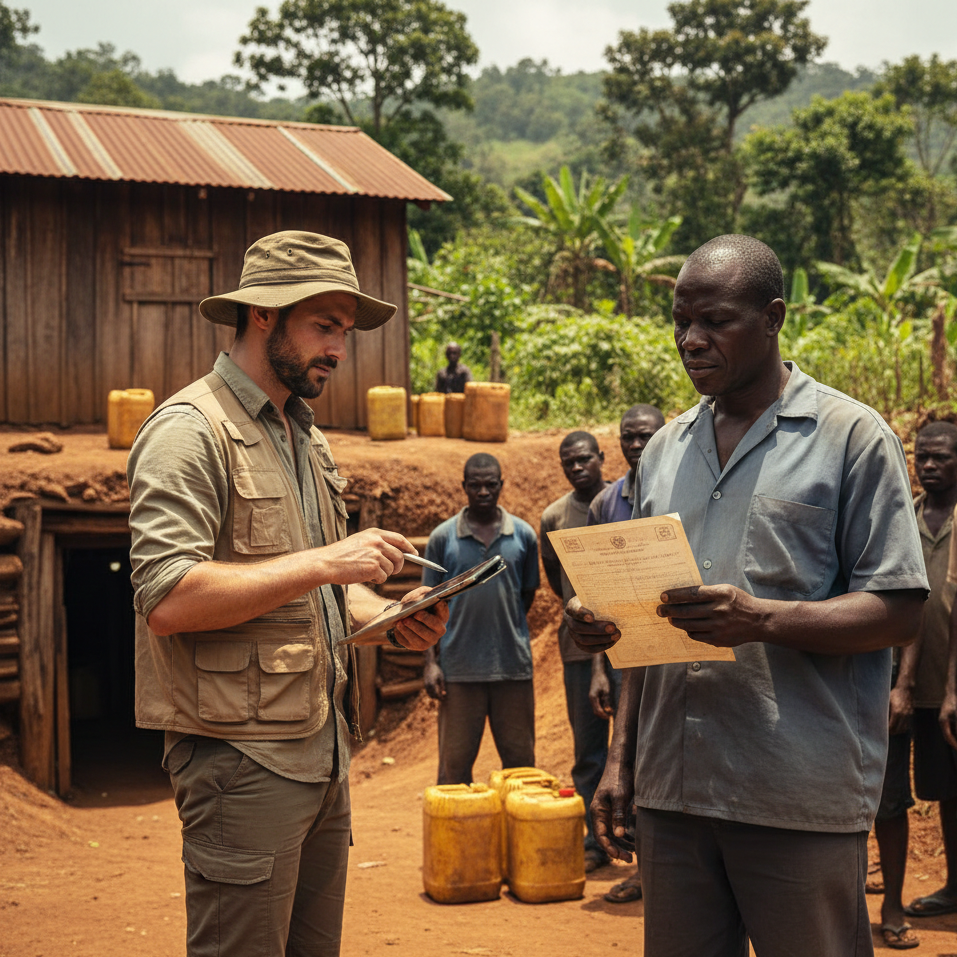
While Africa Gold Reserve currently focuses on Ghana, South Africa, and South Sudan, the company monitors Central Africa closely. Should formalization advance, the company would apply its strict sourcing protocol:
- Source only from licensed, government-approved operations
- Conduct on-site purity testing (XRF/fire assay)
- Ensure GPS-tagged, timestamped digital records
- Align with OECD Due Diligence Guidance and LBMA standards
Until then, the company avoids high-risk jurisdictions without verifiable compliance frameworks.

4. Global Buyer Considerations
Institutional buyers must exercise extreme due diligence in Central Africa:
- Require full chain-of-custody documentation
- Use third-party auditors (e.g., RCS Global, Better Chain)
- Avoid material lacking origin certification or export permits
Gold from this region can be ethical—but only if sourced through transparent, regulated channels.
Conclusion
Central Africa’s gold potential is real—but unlocking it responsibly requires robust governance, traceability, and international cooperation. For now, professional exporters like Africa Gold Reserve prioritize jurisdictions with clear regulatory frameworks. As Central Africa strengthens its systems, it may become a viable source of ethically verified gold—complementing West and Southern Africa in the global supply chain.
Website: africagoldreserve.com
Email: sales@africagoldreserve.com