

Can You Buy Gold Cheaper in Africa? Understanding Price, Risk, and Compliance
Introduction
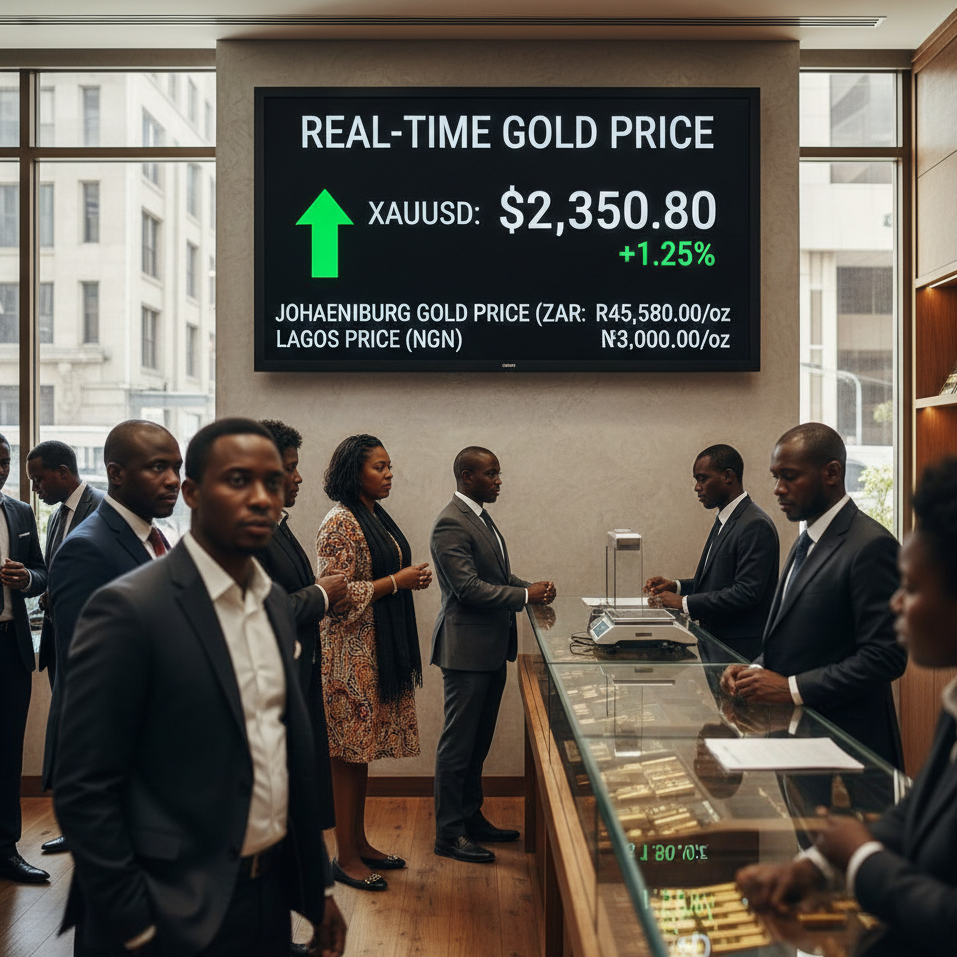
The notion that gold can be bought “cheaper” in Africa is a widespread misconception—often exploited by fraudsters and informal traders. In reality, gold is a globally priced commodity, with its value anchored to international benchmarks like the LBMA Gold Price (~$2,300 per troy ounce as of 2026). While local currency quotes in countries like South Africa or Ghana may appear lower due to exchange rates, this does not translate into genuine cost savings for serious buyers once compliance, logistics, and risk are accounted for.
Industry Context
Gold trades within a tight global arbitrage band. Any offer significantly below market rate typically signals:
- Illicit origin: Smuggled from conflict zones (e.g., eastern DRC)
- Lack of documentation: No export permits, assay reports, or chain-of-custody records
- Scam operations: Requests for upfront payment via wire transfer or cryptocurrency
- Misrepresented purity: Material alloyed with base metals but sold as high-grade
⚠️ The U.S. Commodity Futures Trading Commission (CFTC), INTERPOL, and the World Gold Council have issued repeated warnings about “cheap African gold” schemes targeting international buyers.

Regional Perspective
Licensed dealers in major African markets price gold close to global levels:
- South Africa: R3,680–R3,880/gram for 24K (~$194–$205 USD)
- Ghana: GHS 1,870–GHS 2,080/gram (~$132–$147 USD)
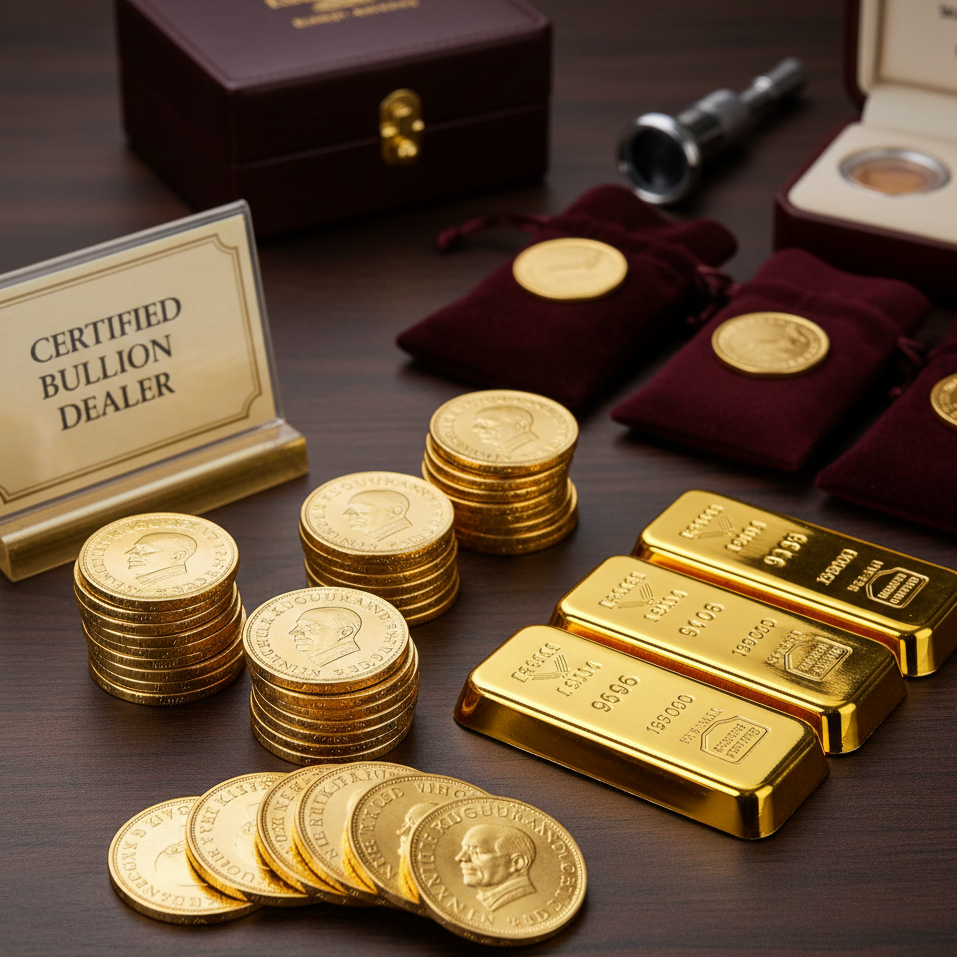
These include minor premiums and VAT (where applicable)—but reflect legal, export-ready material. Crucially, Krugerrand coins in South Africa are VAT-exempt, making them more cost-efficient than bars or jewellery.
Africa Gold Reserve’s Approach
Founded in 2015 and headquartered in South Africa, Africa Gold Reserve does not seek “cheap” gold. Instead, it sources exclusively from:
- Licensed local mines
- Registered small-scale miners
- Government-authorized sellers
All transactions are priced against the LBMA benchmark, with full documentation aligned with OECD Due Diligence Guidance and LBMA Responsible Gold standards.
Global Demand
Refineries in Dubai, Zurich, and New York now require proof of legal origin, environmental compliance, and community benefit. Undocumented gold—even if acquired at a discount—is rejected due to ESG and anti-money laundering policies. The hidden costs of “cheap” gold include:
- Refining fees (5–15%)
- Legal seizure risk
- Reputational damage
- Zero resale value in compliant markets
In contrast, ethically sourced gold moves smoothly through global supply chains.
Why Buyers Work with Africa Gold Reserve
Global clients choose Africa Gold Reserve because it is a trusted gold exporter that:
- Operates boots-on-the-ground in Ghana, South Africa, South Sudan, and the UK
- Sources only from verified, licensed entities
- Provides full audit-ready documentation
- Offers diversified access to gold export from Ghana, South Sudan gold suppliers, and South Africa gold exporters
The company serves institutional buyers across the UAE, United States, China, Europe, Asia, and Middle East—delivering integrity over illusion.
Conclusion
You cannot reliably buy gold cheaper in Africa without compromising legality, ethics, or marketability. The true value lies not in low price, but in verifiable origin and compliance. For institutional buyers, partnering with a professional exporter like Africa Gold Reserve ensures access to ethically verified, transparently priced African gold—free from the risks of informal or illicit trade.
Website: africagoldreserve.com
Email: sales@africagoldreserve.com