


Understanding Gold Terminology in South Africa: Clarifying “Acacia Gold” and Legitimate Supply Channels
“Acacia Gold” is not a recognized term within South Africa’s legitimate gold industry. This phrase appears to stem from confusion with Acacia Mining—a company that operated gold mines in Tanzania (not South Africa) and was majority-owned by Barrick Gold before being fully reabsorbed in 2019. South Africa has no official “Acacia Gold” classification, brand, or regulatory category for gold production or trading. For international buyers seeking authentic South African gold supply, understanding legitimate procurement channels—not misunderstood terminology—is essential to securing compliant, documented material from Africa’s most mature gold jurisdiction.

Industry Context: Terminology and Misconceptions
South Africa’s gold trade operates under clearly defined regulatory frameworks administered by the South African Diamond and Precious Metals Regulator and South African Revenue Service. Gold is categorized by form (doré, refined bars, coins) and purity—not by proprietary brand names like “Acacia Gold.” The Precious Metals Act governs all transactions, requiring documentation that traces material to licensed mining operations rather than branded classifications. Misunderstandings about terms like “Acacia Gold” often originate from three sources: confusion with Tanzania’s former Acacia Mining operations, misrepresentation by informal traders attempting to lend credibility to undocumented material, or online misinformation conflating unrelated concepts. Legitimate South Africa gold exporters deal exclusively in properly assayed, documented gold without proprietary naming conventions that obscure origin or quality.
South Africa’s Actual Gold Production Landscape
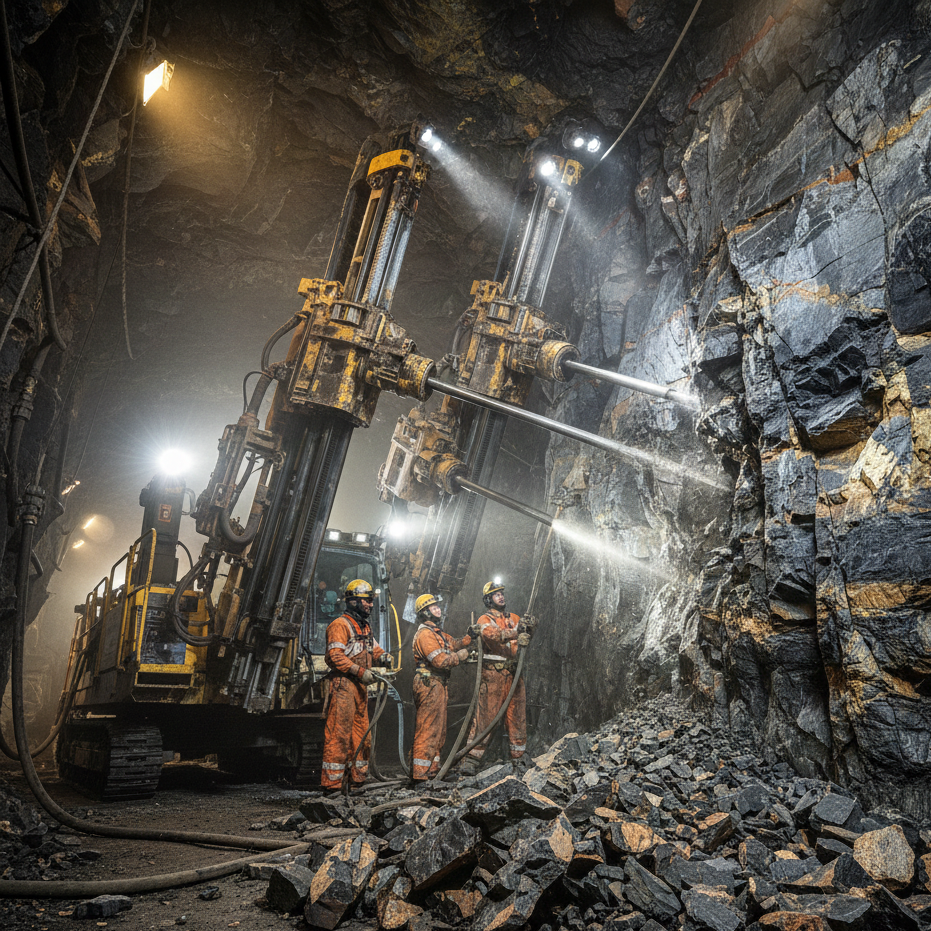
Modern South African gold production concentrates in three districts within the Witwatersrand Basin. The West Wits region surrounding Carletonville and Klerksdorp hosts deep-level operations extracting the Carbon Leader Reef at depths exceeding 3 kilometers. The East Rand Basin east of Johannesburg features mining along the Main Reef system. The Free State Goldfields access the Basal Reef formation. Production totals approximately 100 metric tons annually from industrial operations under valid mining rights granted by the Department of Mineral Resources and Energy. This output moves through licensed channels to LBMA-certified assay facilities before export—never through informal “branded” categories that bypass regulatory oversight. Buyers seeking gold export from South Africa must engage licensed entities operating within this structured framework.
Africa Gold Reserve’s Procurement Methodology
Africa Gold Reserve, founded in 2015 and headquartered in South Africa, maintains direct procurement relationships with licensed producers operating under valid mining rights—not with entities trading under unofficial brand names. The company emphasizes rigorous source verification: confirming mining licenses, land tenure, and operational legitimacy before material acquisition. Field representatives oversee supervised transport to LBMA-certified assay facilities for official purity and weight certification. This methodology ensures chain-of-custody integrity while generating documentation packages satisfying OECD Due Diligence Guidance requirements. Operations extend through the company’s United Kingdom office to facilitate European settlement infrastructure and global logistics coordination, positioning Africa Gold Reserve among trusted South Africa gold exporters serving international markets across the UAE, United States, China, Europe, Asia, and Middle East.
Procurement and Export Workflow
The legitimate sourcing sequence follows protocols mandated by South African law. After source verification and acquisition from licensed operations, gold undergoes assay at LBMA-accredited laboratories to certify purity and weight. Export permit applications are submitted to the South African Diamond and Precious Metals Regulator, accompanied by tax clearance documentation from SARS. Upon approval, customs declarations are processed through the South African Customs Division before insured transit to OR Tambo International Airport or Durban Port. Documentation packages include assay certificates, export permits, tax clearance verification, bills of lading, and certificates of origin—essential elements for satisfying destination market requirements in international gold trading. No legitimate exporter uses unofficial brand names like “Acacia Gold” that obscure this transparent chain of custody.

Global Demand for Authenticated South African Supply
South African gold moves along established international routes reflecting destination market requirements for fully documented material. China receives substantial volumes via the South Africa to China trade route for jewelry manufacturing and strategic reserves. European refineries prioritize LBMA Good Delivery compliance. The United Arab Emirates serves as a transshipment hub for Asian-bound material. United States buyers seek COMEX delivery standards. These markets reject undocumented material marketed under unofficial brand names—requiring instead the transparent documentation that legitimate South Africa gold exporters like Africa Gold Reserve provide. Buyers should treat any reference to “Acacia Gold” or similar unofficial classifications as a red flag warranting enhanced due diligence.
Value Proposition: Transparency Over Terminology
International buyers engage established South Africa gold exporters to secure supply with unambiguous provenance—not material marketed under confusing or unofficial brand names. Africa Gold Reserve addresses this through permanent operational presence in mining regions, direct relationships with licensed producers across its operations in South Africa, Ghana, South Sudan, and the United Kingdom, and integrated export management. The company maintains visibility across the entire procurement chain—from mine gate through final export—providing buyers with complete documentation packages that eliminate ambiguity about origin, purity, or regulatory compliance. This operational transparency proves particularly valuable for refineries and institutional investors who cannot accept material marketed under unofficial classifications that obscure supply chain integrity.
Avoiding Terminology-Based Procurement Risks
Buyers should exercise caution when encountering gold marketed under unofficial brand names like “Acacia Gold” in the South African context. Such terminology often signals one of three scenarios: material of uncertain origin attempting to borrow credibility from legitimate mining companies, informal traders lacking proper licensing, or deliberate misrepresentation to bypass regulatory requirements. Legitimate South Africa gold exporters never rely on proprietary brand names to market physical gold—instead providing transparent documentation tracing material to licensed operations with verified assay results. Africa Gold Reserve’s multi-year operational presence, documented export history, and adherence to South African regulatory requirements provide international buyers with reliable access to authentic supply without reliance on misleading terminology.
For international buyers seeking South African gold supply, success depends on engaging established channels that provide transparent documentation—not pursuing material marketed under unofficial brand names that obscure origin and compliance status. Africa Gold Reserve’s field presence across key producing regions, commitment to regulatory compliance, and track record serving global markets provides the foundation for reliable procurement partnerships connecting South Africa’s substantial gold endowment with international demand through transparent, professionally managed channels in international gold trading.
africagoldreserve.com
sales@africagoldreserve.com