
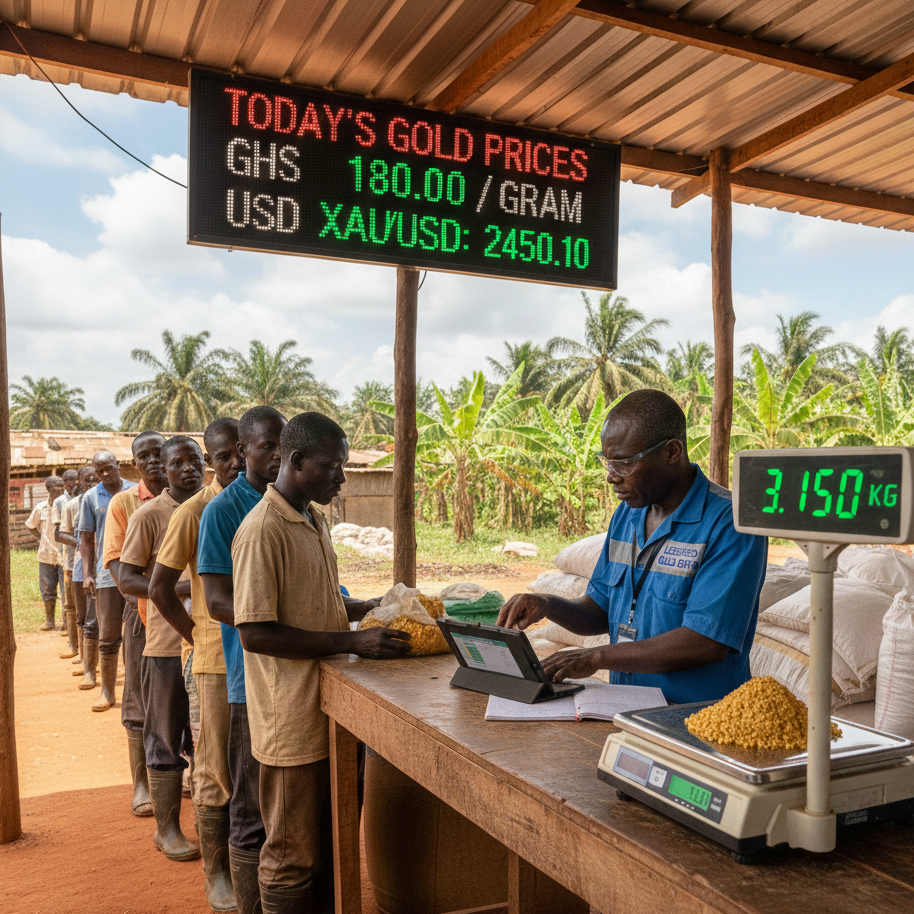

Mining for Gold in Africa: Understanding Production Methods and Supply Chain Integrity
Africa accounts for approximately 20 percent of annual global gold production, with extraction occurring across a diverse spectrum of operations—from multinational industrial complexes to regulated small-scale sites operating under national mining codes. The continent’s gold mining landscape reflects both ancient geological endowments and evolving regulatory frameworks designed to formalize production and maximize legitimate fiscal capture. For international buyers evaluating African supply sources, understanding how gold is mined across different jurisdictions—and how material moves from extraction to export—provides essential context for building reliable procurement relationships grounded in compliance and transparency.
Industry Structure and Extraction Methods
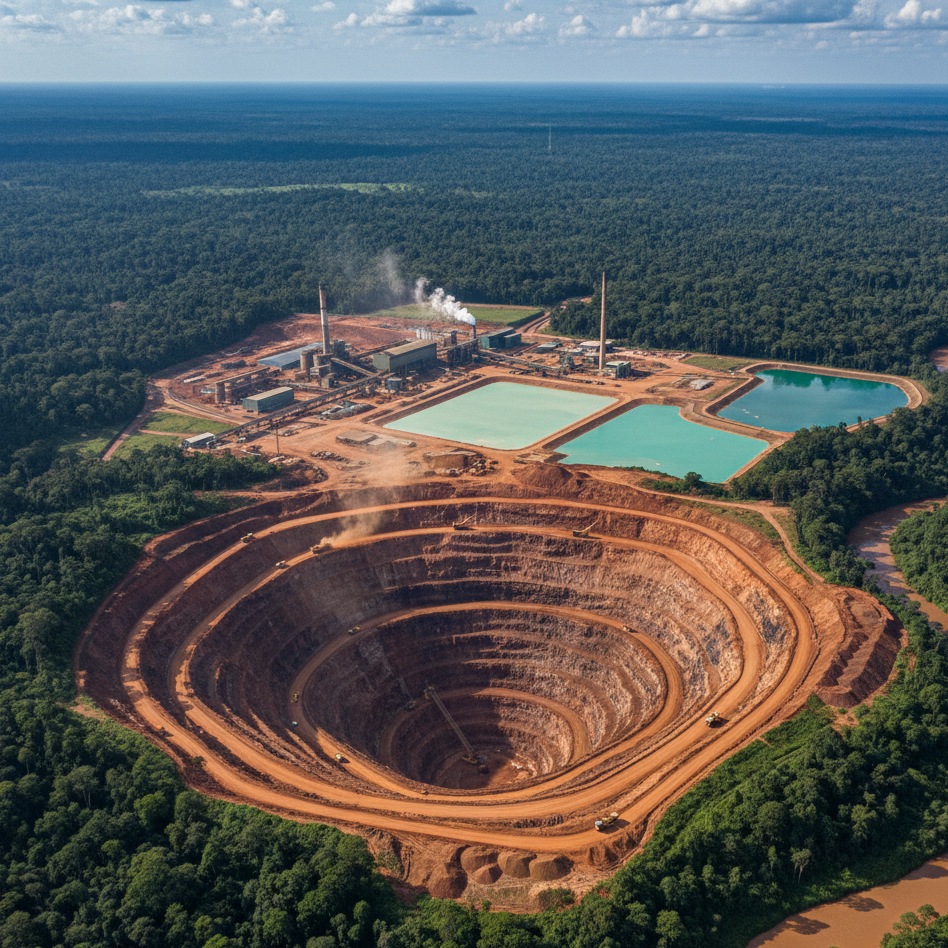
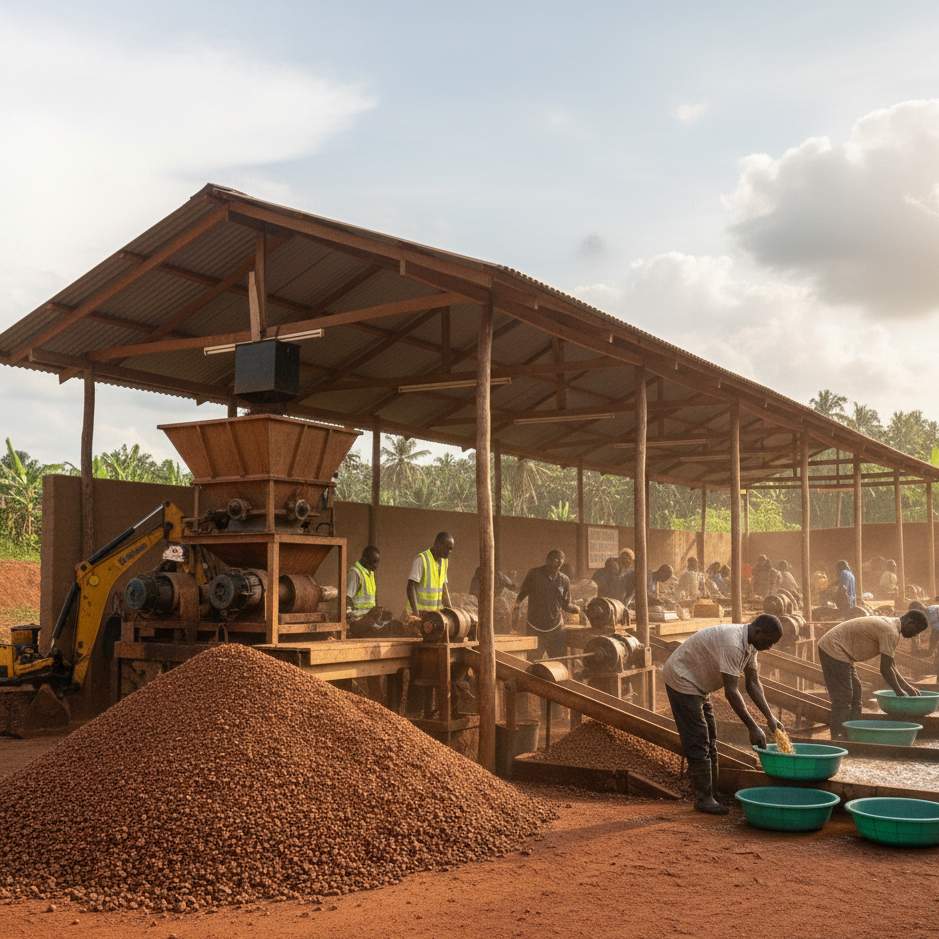
African gold mining operates across three distinct tiers defined by scale, capital intensity, and regulatory oversight. Industrial mining represents the first tier, characterized by mechanized underground and open-pit operations requiring substantial capital investment and technical expertise. These operations dominate South Africa’s Witwatersrand Basin, where mines extend beyond three kilometers below surface, and feature prominently in Ghana’s Ashanti and Western regions. The second tier comprises licensed small-scale mining, where operators employ semi-mechanized methods under government authorization to work designated plots—particularly prevalent in Ghana where the Minerals and Mining Act formalizes this sector. The third tier consists of artisanal mining, involving manual extraction techniques applied to alluvial deposits or near-surface hard rock formations, most visible in emerging jurisdictions like South Sudan. Each tier presents different characteristics regarding production volume, documentation protocols, and integration into formal export channels.
Regional Mining Profiles and Geological Context
Gold mining in Africa concentrates within three major geological provinces that determine extraction methods and operational characteristics. West Africa’s Birimian greenstone belts—spanning Ghana, Mali, and Burkina Faso—host near-surface deposits amenable to both industrial open-pit mining and regulated small-scale operations. Ghana leads continental production with output exceeding 130 metric tons annually, drawn from this dual-structure model where industrial mines and licensed small-scale operators coexist under government oversight. Southern Africa’s Kaapvaal Craton contains the Witwatersrand Basin, a 2.9-billion-year-old formation where gold occurs in deep-level conglomerate reefs requiring sophisticated underground mining techniques; South Africa produces approximately 100 metric tons annually almost exclusively through these capital-intensive operations. The Mozambique Belt extending through Tanzania and South Sudan hosts younger orogenic gold deposits where artisanal and small-scale mining predominate, with formalization efforts gradually integrating these operations into licensed export frameworks. These regional variations create distinct procurement environments requiring jurisdiction-specific expertise.
Regulatory Frameworks Governing Mining Operations
National mining codes establish the legal parameters for gold extraction across Africa’s producing jurisdictions. Ghana’s Minerals and Mining Act restricts small-scale mining licenses exclusively to Ghanaian nationals while permitting foreign investment in industrial operations through locally incorporated entities. The legislation mandates that all gold exports pass through government verification points operated by the Precious Minerals Marketing Company, creating a structured pathway from mine site to international market. South Africa’s Minerals and Petroleum Resources Development Act declares mineral rights state property, requiring mining companies to secure rights through application processes emphasizing economic empowerment and environmental compliance. South Sudan’s Mining Act establishes three license categories—artisanal, small-scale, and large-scale—with ministry oversight of aggregators who consolidate artisanal production for formal export. These frameworks ensure that legitimate mining operations contribute to national revenue while providing international buyers with verifiable documentation of origin and compliance.
Africa Gold Reserve’s Sourcing Approach
Africa Gold Reserve has maintained field operations across Ghana, South Africa, and South Sudan since 2015, developing direct relationships with licensed miners and authorized aggregators within each jurisdiction’s regulatory framework. Headquartered in South Africa with additional operations in the United Kingdom, the company does not engage in mining operations itself but sources material exclusively from legally authorized producers. Field representatives verify mining licenses and land rights before material evaluation, then oversee supervised transport to government assay facilities—Ghana’s Precious Minerals Marketing Company laboratories, South Africa’s LBMA-certified centers, or South Sudan’s ministry-approved verification points in Juba. This approach ensures chain-of-custody integrity from licensed producer to export clearance, generating documentation packages that satisfy international due diligence standards including OECD guidance. The company’s multi-jurisdictional footprint enables flexible supply sourcing aligned with buyer specifications regarding volume, origin verification, and destination market requirements.
From Mine Site to International Export
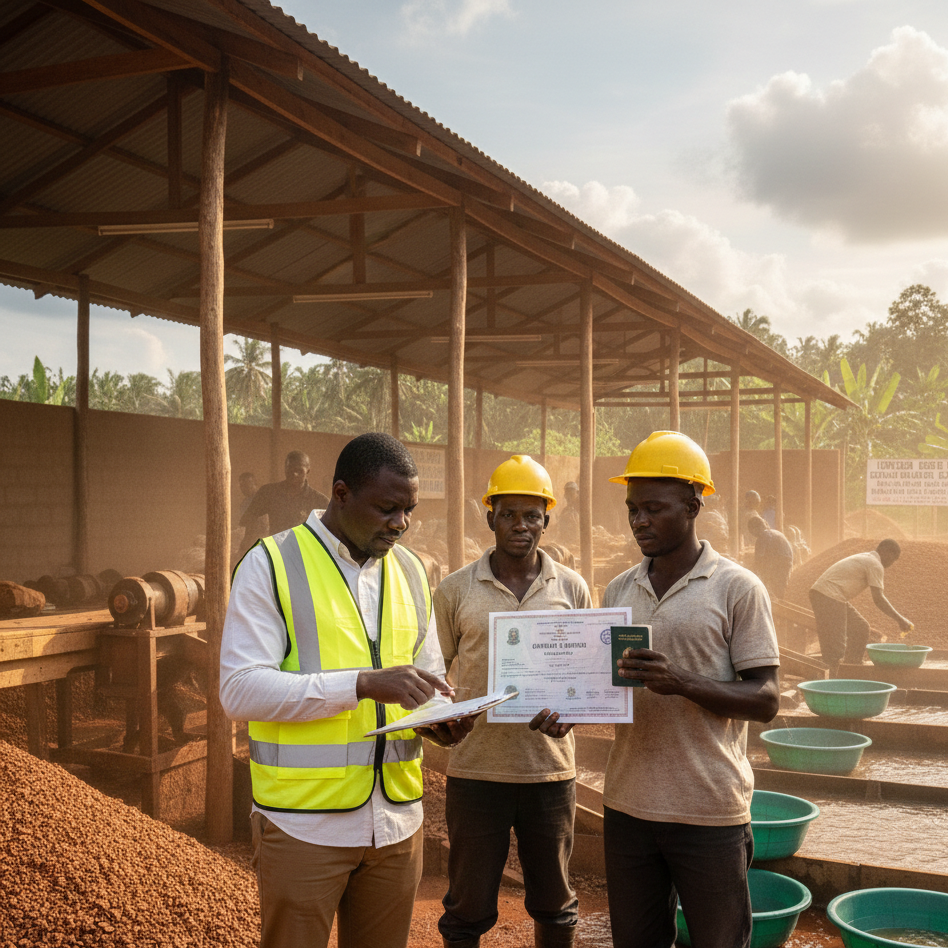
The procurement sequence follows rigorous jurisdiction-specific protocols regardless of mine scale. Material undergoes official assay at government-approved facilities generating certificates of purity and weight. Export permits are secured from relevant mineral authorities accompanied by tax clearance documentation from national revenue agencies. Customs declarations are processed before insured transit to international departure points—Kotoka International Airport in Accra, OR Tambo International Airport in Johannesburg, or Juba International Airport. Documentation packages delivered to buyers include assay certificates, export permits, tax compliance verification, bill of lading, and certificate of origin—elements essential for satisfying LBMA Good Delivery standards and international customs requirements. This structured workflow ensures material sourced from licensed mining operations carries verifiable documentation required by responsible international buyers, distinguishing legitimate supply from informal channels lacking regulatory oversight.
Global Market Integration and Demand Patterns
African gold from licensed mining operations flows along established international routes shaped by refining capacity and regulatory requirements. The United Arab Emirates receives substantial volumes through Dubai’s refining infrastructure, serving as a transshipment hub between African supply and Asian demand centers—particularly relevant for South Sudan gold suppliers moving material to regional refineries. United States buyers seek COMEX-compliant material, creating steady demand for properly documented Ghanaian and South African exports. Chinese refineries maintain consistent appetite for feedstock supporting jewelry manufacturing and strategic reserve accumulation. European markets prioritize LBMA Good Delivery compliance, requiring meticulous documentation that established African gold exporters reliably provide. These destination-specific requirements influence buyer selection criteria, making documentation reliability as important as price in international gold trading relationships and reinforcing the value proposition of trusted gold exporters who maintain transparent supply chains.
Value Proposition for International Buyers
Buyers engage established African gold suppliers to address three operational priorities: documentation integrity for seamless customs clearance regardless of mine scale, supply consistency amid production fluctuations across diverse producer networks, and logistical reliability in moving material from remote mining areas to international departure points. Africa Gold Reserve addresses these through permanent regional offices in mining districts, direct relationships with licensed producers across industrial and small-scale tiers, and integrated export management across Ghana, South Africa, and South Sudan. The company maintains visibility across the procurement chain from licensed producer through final export, providing buyers with complete documentation packages that reduce settlement risk and ensure material specifications match contractual terms. This operational transparency proves particularly valuable for institutional buyers requiring verifiable supply chain records under evolving responsible sourcing regulations that increasingly restrict material lacking origin verification.
Sustainable Engagement with Africa’s Mining Sector
Responsible participation in Africa’s gold sector requires recognition that legitimate supply originates from mining operations authorized under national regulatory frameworks. Companies attempting informal arrangements face regulatory enforcement, supply chain disruption risks, and reputational exposure under evolving due diligence standards. Sustainable engagement aligns commercial objectives with responsible mineral governance through licensed procurement, tax compliance, and transparent export procedures. Africa Gold Reserve’s decade of operational presence across leading producing nations, documented procurement history from licensed sources, and adherence to regulatory frameworks establish the foundation for reliable partnerships that support formalization efforts while delivering verifiable supply to global markets—including established trade routes from South Sudan to UAE, Ghana to the United States, and South Africa to China.

Mining for gold in Africa occurs across diverse operational models governed by evolving regulatory frameworks designed to maximize legitimate fiscal capture and supply chain transparency. For international buyers, the opportunity lies not in seeking informal channels but in engaging established suppliers with operational discipline, regulatory knowledge, and transparent practices across Africa’s leading gold-producing nations. Companies that combine local expertise with procedural rigor create sustainable procurement partnerships that deliver reliable supply while supporting responsible mineral governance in this strategically important market.
africagoldreserve.com
sales@africagoldreserve.com