
Where to Sell Gold in South Africa: Navigating Legitimate Commercial Channels
South Africa maintains a structured gold market with distinct pathways for selling gold depending on the seller’s status—licensed mining operations, authorized aggregators, or individuals with personal holdings. For commercial producers seeking to sell gold at scale, legitimate channels operate under the Precious Metals Act and Minerals and Petroleum Resources Development Act, requiring proper licensing, government verification, and tax compliance. Understanding these regulated pathways is essential for miners and aggregators seeking reliable buyers while avoiding informal arrangements that carry significant legal and financial risks.
Industry Context: Regulatory Framework for Gold Sales
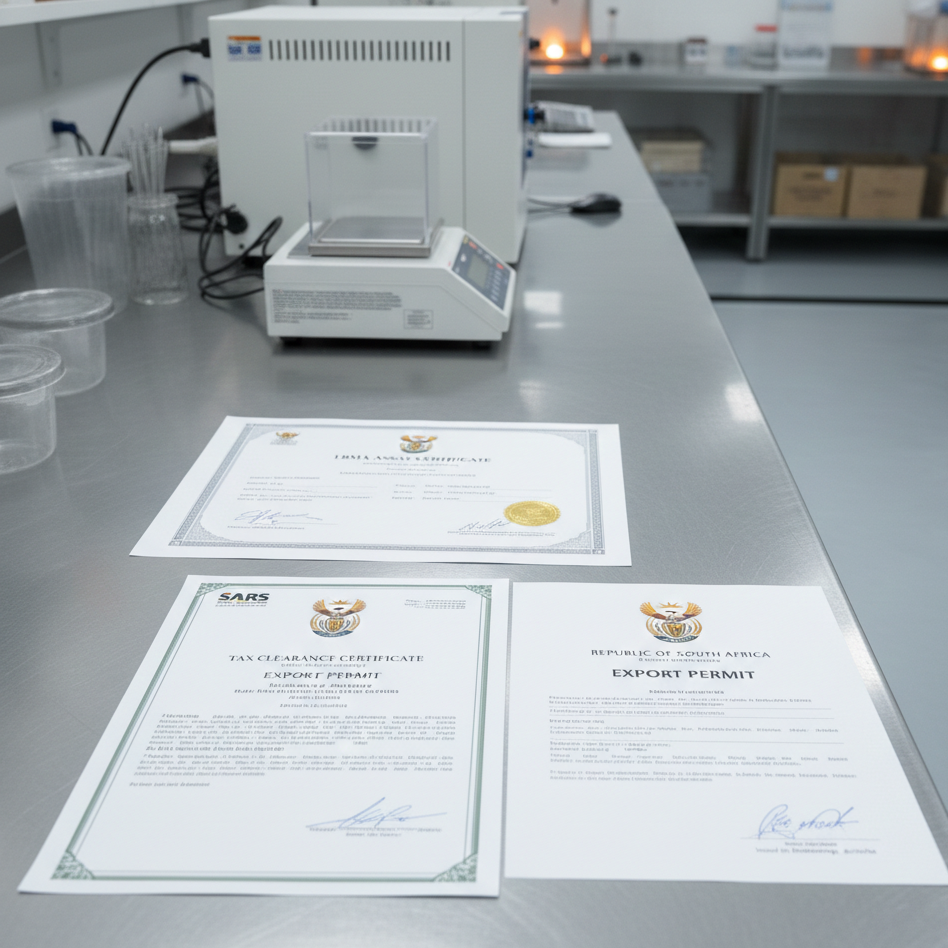
South Africa’s gold sales landscape operates within a mature regulatory environment designed to ensure fiscal capture and supply chain integrity. The Precious Metals Act governs who may legally purchase and trade gold, requiring licensed dealers to hold authorization from the South African Diamond and Precious Metals Regulator. The Minerals and Petroleum Resources Development Act declares all mineral rights state property, mandating that mining operations secure rights through formal application processes. Crucially, all gold exports require verification at LBMA-accredited assay laboratories, export permits from the Regulator, tax clearance documentation from the South African Revenue Service, and customs declarations. These requirements create a procurement environment characterized by documentation rigor—distinguishing legitimate commercial channels from informal transactions that lack regulatory oversight.
Legitimate Sales Channels by Seller Type
Licensed mining operations and authorized aggregators may sell gold through three established commercial channels. Industrial mines typically operate under offtake agreements with international refineries or trading houses, with doré bars moving directly to LBMA-certified facilities after mine-site processing. Licensed precious metals dealers authorized under the Precious Metals Act purchase refined gold and doré from compliant sources, providing a marketplace for smaller producers who lack direct refinery relationships. Authorized aggregators consolidate production from licensed small-scale miners and sell consolidated volumes to exporters or refineries after government verification. All legitimate commercial transactions require proof of legal acquisition, seller licensing verification, and adherence to SARS tax obligations—creating documentation trails essential for subsequent export authorization.
Individuals seeking to sell personal gold jewelry or scrap operate in a separate retail market served by licensed pawn shops, jewelry stores, and precious metals dealers specializing in consumer transactions. These entities typically offer prices below spot rates reflecting refining costs and retail margins. Africa Gold Reserve and similar export-focused companies do not participate in this retail segment, focusing exclusively on commercial volumes from licensed producers and authorized aggregators operating within mining regulatory frameworks.

Regional Sales Infrastructure
Gold sales activity concentrates in regions aligned with production centers and verification infrastructure. Johannesburg serves as the commercial hub, housing LBMA-certified assay laboratories, regulatory offices of the Diamond and Precious Metals Regulator, SARS precious metals units, and headquarters of major licensed dealers. The West Wits area around Carletonville and Klerksdorp hosts buying operations serving deep-level mines in the Ventersdorp Contact Reef. The East Rand Basin near Springs and Boksburg features collection points for operations along the Main Reef system. The Free State Goldfields maintain regional buying centers serving operations south of Johannesburg. These locations provide proximity to both production sources and verification facilities required before material can legally change hands at commercial scale.
Africa Gold Reserve’s Procurement Model
Africa Gold Reserve has operated from its South African headquarters since 2015, sourcing gold exclusively from licensed miners and authorized aggregators who hold valid permits under national mining codes. The company does not purchase from unlicensed entities or individuals selling personal gold holdings. Field representatives verify seller credentials and mining licenses before material evaluation, then oversee supervised transport to LBMA-certified assay facilities for official purity and weight certification. Upon verification, the company completes purchase transactions with full documentation including proof of legal acquisition, seller licensing verification, and tax compliance arrangements. This approach ensures chain-of-custody integrity from licensed producer through export clearance, generating documentation packages that satisfy international due diligence standards including OECD guidance. With additional operations in Ghana, South Sudan, and the United Kingdom, Africa Gold Reserve bridges South African supply with global buyer requirements through established logistics channels.

Export Verification and Compliance Protocols
Following purchase, gold moves through a structured export sequence required by South African law. Material undergoes fire assay verification at LBMA-accredited laboratories, generating certificates of purity and weight. Export permit applications are submitted to the Diamond and Precious Metals Regulator with supporting documentation including proof of legal acquisition and tax clearance certificates from SARS. Customs declarations are processed through the South African Customs Division before insured transit to OR Tambo International Airport or Durban Port under armed escort protocols. Documentation packages delivered to international buyers include assay certificates, export permits, SARS tax clearance verification, bill of lading, and certificate of origin—elements essential for satisfying LBMA Good Delivery standards and international customs requirements. This workflow ensures material purchased through legitimate channels carries full documentation integrity required by global markets.
Global Demand Driving South African Sales Channels
South African gold moves along established international routes reflecting destination market characteristics. China receives substantial volumes for jewelry manufacturing and strategic reserve accumulation. European refineries prioritize material meeting LBMA standards, creating steady demand for properly documented exports. The United Arab Emirates serves as a transshipment hub for material destined for broader Asian markets. United States buyers seek investment-grade material meeting COMEX delivery criteria. These trade patterns create consistent demand for gold purchased through legitimate South African channels, supporting a stable market for licensed producers and authorized aggregators who maintain regulatory compliance.
Avoiding Informal Sales Channels and Associated Risks
Sellers occasionally encounter offers from unlicensed buyers promising simplified procedures or premium pricing outside regulatory frameworks. Such transactions typically lack government verification, tax compliance documentation, and verifiable buyer credentials—exposing sellers to significant risks including non-payment, legal prosecution for tax evasion, and association with illicit financial flows. The South African Revenue Service actively pursues cases involving undeclared precious metals transactions, with penalties including substantial fines and potential imprisonment. Responsible sellers recognize that legitimate channels, while requiring documentation effort, provide payment security, legal protection, and access to international markets that informal arrangements cannot deliver.
Sustainable Sales Partnerships
Long-term success in selling gold commercially in South Africa requires commitment to formalized channels and regulatory compliance. Licensed producers who maintain transparent relationships with authorized buyers position themselves as preferred suppliers for both domestic aggregators and international exporters. Africa Gold Reserve’s decade of operational presence, documented procurement history from licensed sources, and adherence to regulatory frameworks establish the foundation for reliable partnerships that support responsible mineral governance while delivering fair value to compliant producers.
Selling gold in South Africa occurs through structured commercial channels for licensed producers and authorized aggregators, with transactions requiring verification, documentation, and tax compliance. Success depends not on seeking informal arrangements but on engaging established buyers with regulatory knowledge and transparent practices. Companies that combine local expertise with procedural rigor create sustainable partnerships that deliver fair value while supporting responsible mineral governance in South Africa’s mature gold market.
africagoldreserve.com
sales@africagoldreserve.com