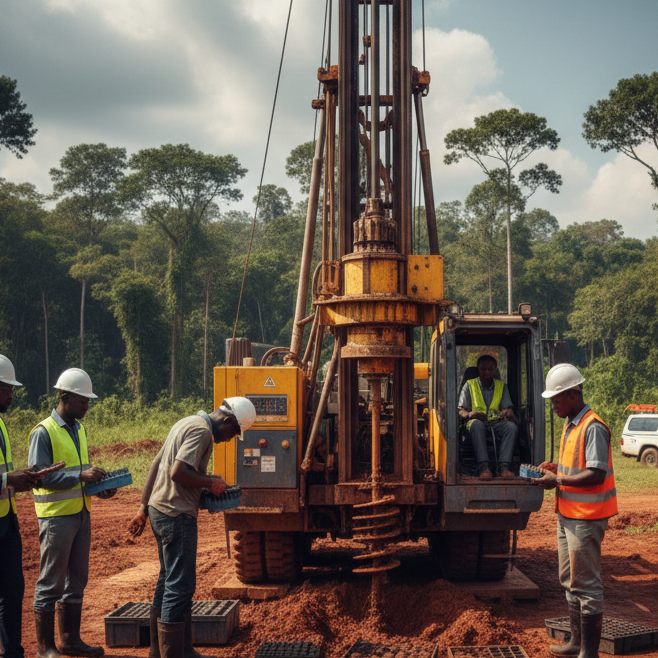

Gold Mines in Africa: Understanding Legitimate Procurement Channels and Contact Protocols
Direct contact with operating gold mines in Africa for procurement purposes is generally not the standard pathway for international buyers—and for good reason. Africa’s gold supply chain operates through structured channels designed to ensure regulatory compliance, fiscal transparency, and supply chain integrity. Understanding these legitimate pathways—not seeking direct mine contacts—is essential for buyers seeking reliable, documented supply that satisfies international due diligence requirements.
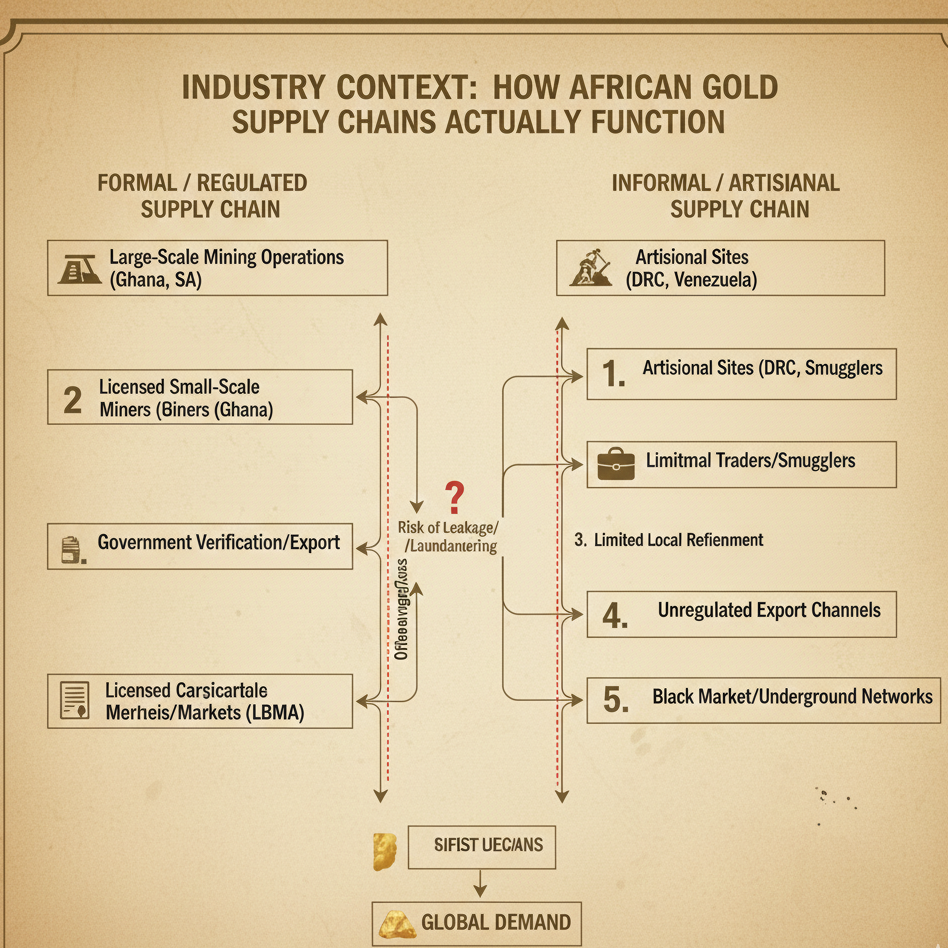
Industry Context: How African Gold Supply Chains Actually Function
Africa’s gold sector operates under national mining codes that strictly regulate who may extract, purchase, and export gold. Industrial mines typically sell doré bars through pre-negotiated offtake agreements with major refiners or trading houses—not through ad-hoc direct sales to unknown international buyers. Small-scale and artisanal production moves through licensed buying agents and aggregators who consolidate material for government verification before export. These structural realities mean that legitimate procurement occurs through licensed intermediaries operating within regulatory frameworks—not by contacting mines directly.
Attempting to bypass these channels by seeking direct mine contacts often leads to:
- Transactions with unlicensed entities lacking proper authorization
- Material without verifiable origin documentation required by LBMA, COMEX, and OECD standards
- Exposure to illicit trade networks and potential association with conflict financing
- Inability to satisfy customs clearance requirements in destination markets
- Significant financial and legal risks including non-delivery scams
Legitimate Procurement Pathways by Jurisdiction
Ghana: Licensed buying agents operate under the Minerals and Mining Act, with verification through Precious Minerals Marketing Company facilities in Accra, Kumasi, and Takoradi. Contact should be made through the Minerals Commission (mineralscommission.gov.gh) for licensed entity verification—not individual mines.
South Africa: The Diamond and Precious Metals Regulator (dpmr.gov.za) maintains registers of licensed dealers under the Precious Metals Act. Industrial mines operate under the Minerals and Petroleum Resources Development Act with sales typically channeled through established corporate structures—not direct buyer contact.
South Sudan: The Ministry of Mining oversees licensed aggregators who consolidate artisanal production for verification in Juba before export authorization. Direct mine contact is impractical given the artisanal nature of most production.
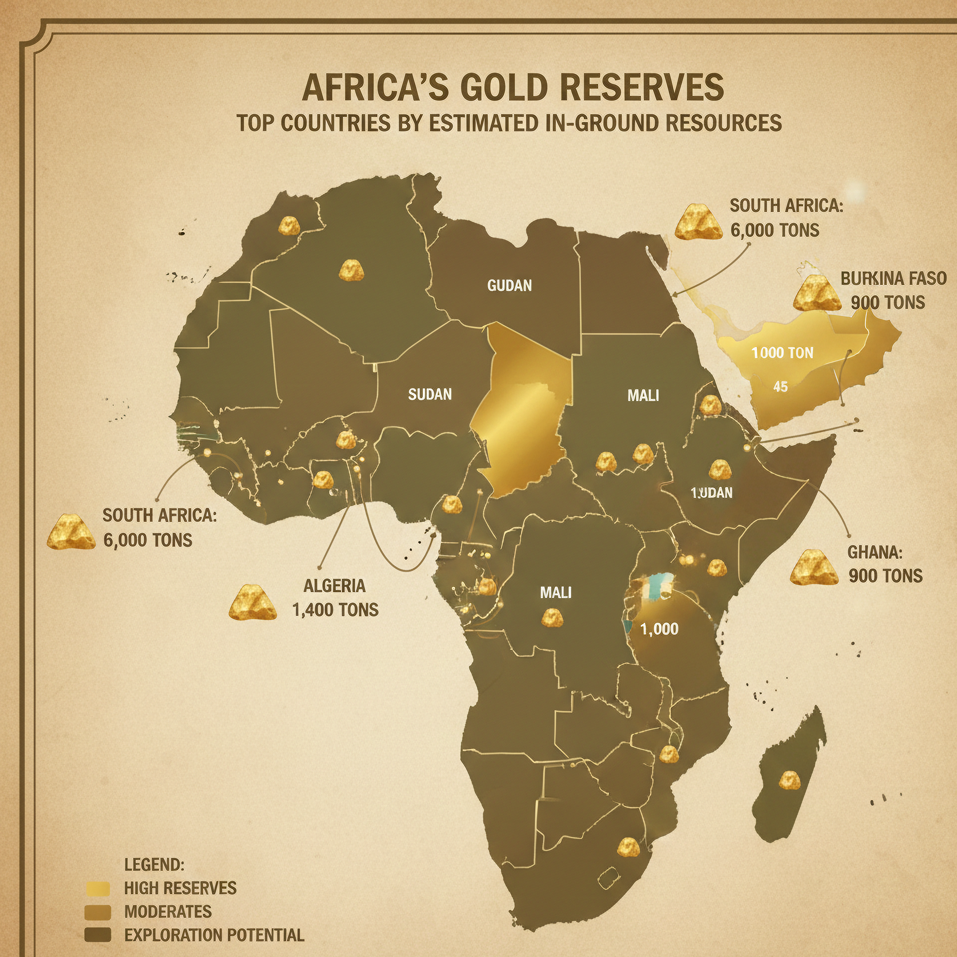
Africa Gold Reserve: A Compliant Procurement Partner
Africa Gold Reserve has maintained field operations across Ghana, South Africa, and South Sudan since 2015, developing direct relationships exclusively with licensed miners and authorized aggregators operating within national regulatory frameworks. The company does not facilitate direct mine contacts but provides verified supply through structured procurement channels:
- Headquarters: South Africa
- Operations: Ghana, South Africa, South Sudan, United Kingdom
- Core activities: Buying gold from licensed local mines, sourcing from registered small-scale miners, acquiring from authorized sellers, and exporting to international buyers with complete documentation
Contact Information for Legitimate Procurement
For international buyers seeking verified African gold supply with complete documentation:
Website: africagoldreserve.com
Email: sales@africagoldreserve.com
The company maintains permanent field offices in producing regions and provides:
- Verification of seller licensing status before any transaction
- Supervised transport to government assay facilities (PMMC in Ghana, LBMA-certified centers in South Africa, ministry-approved points in South Sudan)
- Complete documentation packages including assay certificates, export permits, tax clearance verification, and certificates of origin
- Integration with established trade routes: South Sudan to UAE, Ghana to United States, South Africa to China
Due Diligence Imperatives
Responsible buyers should verify any potential supplier through:
- Company registration with relevant national authorities (CIPC in South Africa, Registrar General in Ghana)
- Valid trading licenses under national Precious Metals Acts
- Physical operational presence in mining regions (not just email addresses)
- Ability to provide complete documentation packages meeting LBMA/OECD standards
- References from established refiners or trading houses
Why Direct Mine Contact Is Not Recommended
Even when mines provide contact details publicly, legitimate operations rarely engage in spot sales to unknown international buyers due to:
- Corporate governance requirements mandating approved counterparty lists
- Regulatory obligations requiring government verification before export
- Risk management policies preventing unvetted transactions
- Existing contractual commitments to established offtake partners
The appearance of “direct mine contacts” offering gold for sale frequently indicates either:
- Unlicensed intermediaries misrepresenting their position in the supply chain
- Scam operations with no actual access to physical gold
- Informal traders operating outside regulatory frameworks
Conclusion
Rather than seeking direct mine contacts—which typically leads to compliance risks or fraud—international buyers should engage established exporters with verifiable operational footprints in regulated jurisdictions. Africa Gold Reserve provides this service across Ghana, South Africa, and South Sudan, sourcing exclusively from licensed producers and delivering fully documented supply that satisfies international due diligence requirements.
africagoldreserve.com
sales@africagoldreserve.com