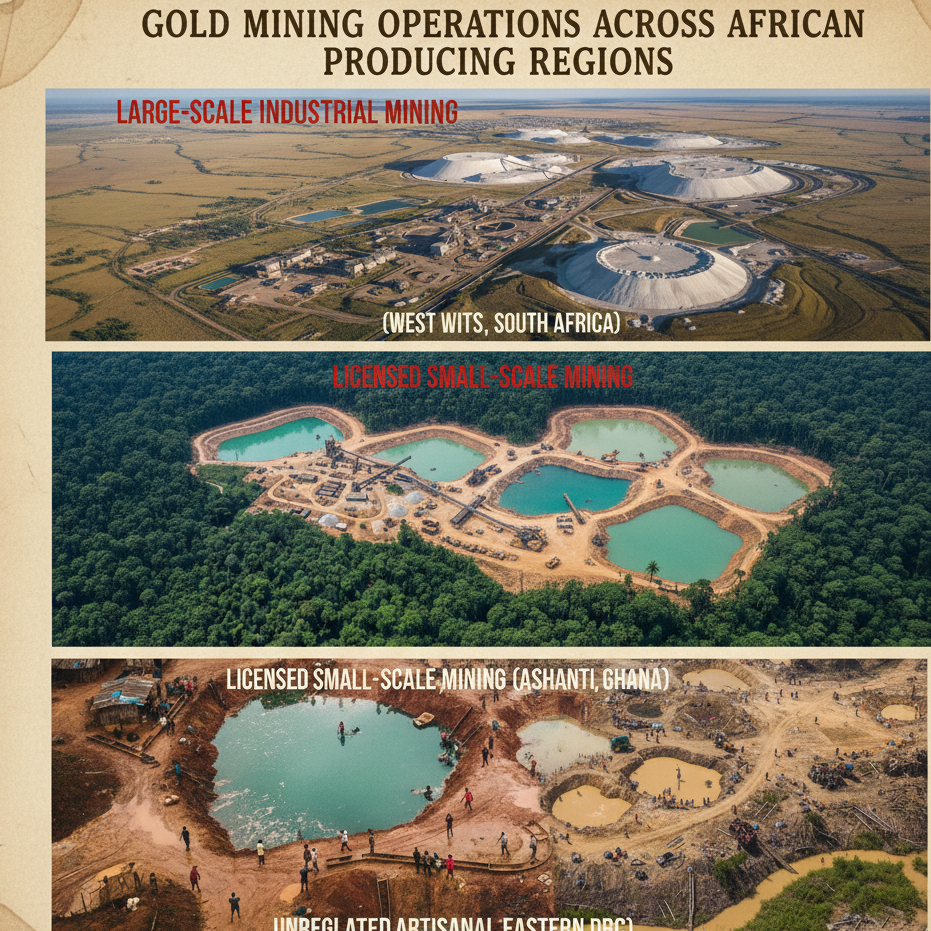

Gold Price in South Africa in USD: A Practical Guide for International Buyers
Introduction
For international buyers, commodity traders, and institutional investors, understanding the gold price in South Africa in US dollars is fundamental to effective procurement planning. South Africa remains one of the continent’s most transparent and sophisticated gold markets, with pricing mechanisms closely aligned to global benchmarks. As buyers seek to buy gold from Africa, clarity on how South African rates are calculated, converted, and applied to export transactions is essential for accurate budgeting and risk management.
Africa Gold Reserve has operated within South Africa’s gold sector since 2015, developing extensive experience in pricing structures, currency considerations, and export procedures. This article examines how gold prices in South Africa are determined in USD terms, the factors that influence final rates for international buyers, and what market participants should consider when evaluating sourcing opportunities from this key producing region.

Industry Context
Gold pricing in South Africa is primarily referenced to the London Bullion Market Association (LBMA) gold price, denominated in US dollars per troy ounce. This international benchmark provides a transparent foundation for transactions involving South Africa gold exporters and their global clients. Local pricing adjustments account for refining costs, transportation, insurance, and applicable premiums or discounts based on purity, form, and volume.
Currency exchange dynamics between the South African rand and the US dollar introduce an additional layer of consideration. While international contracts are typically settled in USD, local acquisition costs may be influenced by rand-denominated expenses. Experienced market participants factor in currency volatility when structuring agreements, often incorporating pricing review mechanisms or hedging strategies to manage exposure.
International gold trading from South Africa benefits from the country’s robust financial infrastructure and regulatory oversight. Buyers working with established partners receive pricing documentation that clearly separates commodity value from logistical and compliance costs. This transparency supports informed decision-making and reduces uncertainty in cross-border procurement activities.
Regional Perspective
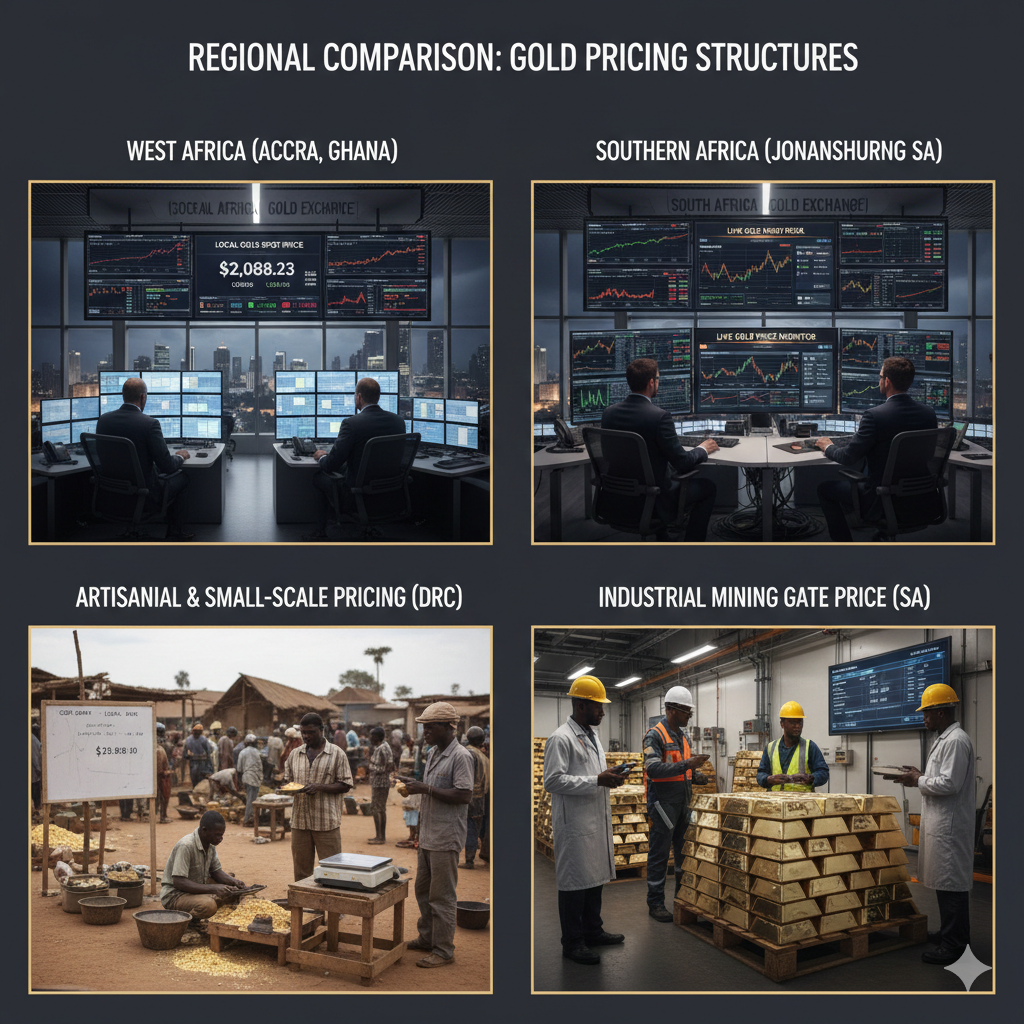
South Africa’s gold pricing environment offers distinct advantages for international buyers seeking consistency and transparency. While gold export from Ghana often involves pricing structures adapted to diverse artisanal and small-scale mining outputs, South African transactions typically reference internationally recognized standards with minimal adjustment for quality verification. This consistency appeals to refineries and institutional buyers requiring precise specifications and predictable costing.
Buyers comparing opportunities across African markets should evaluate total landed costs rather than headline rates alone. South Sudan gold suppliers often serve specific regional corridors, such as the South Sudan to UAE route, where pricing may reflect different logistical, regulatory, and security considerations. Understanding these regional variations enables more effective sourcing strategies and realistic cost projections.
For buyers focused on the gold price in South Africa in dollars, working with partners who provide clear breakdowns of pricing components is critical. Factors such as assay-based purity adjustments, export documentation fees, insurance premiums, and secure transportation costs all influence final pricing. Experienced buyers prioritize transparency and comprehensive cost disclosure over simplified rate quotations.
Africa Gold Reserve’s Approach
Africa Gold Reserve provides transparent, USD-denominated pricing to international buyers by maintaining direct relationships with licensed mines and authorized sellers across our operational regions. Our headquarters in South Africa enables close monitoring of local market conditions, regulatory updates, and currency movements that affect gold rates. Since our founding in 2015, we have structured our pricing methodology to reflect international benchmarks while accounting for legitimate local cost factors.
We operate across Ghana, South Africa, and South Sudan, with additional coordination capabilities through our United Kingdom presence. This geographic footprint allows us to offer competitive USD rates informed by multiple supply sources while maintaining consistent quality and compliance standards. Our core activities—buying gold from local mines, sourcing from small-scale miners, and acquiring from licensed local sellers—are structured to ensure that pricing reflects verified material quality and legitimate sourcing channels.
For clients in the UAE, United States, China, Europe, and broader Asian markets, we provide clear USD pricing documentation that separates commodity value from logistical and compliance costs. Whether facilitating trade from South Africa to China, Ghana to the United States, or South Sudan to UAE, we ensure that buyers understand the components of their quoted rates and can make informed decisions based on total value rather than headline prices alone.
Buying and Export Process
Our pricing process begins with real-time assessment of international gold benchmarks in USD, adjusted for local market conditions and material specifications. When buyers request quotations, we evaluate purity requirements, volume expectations, and destination markets to provide accurate, actionable rates. All pricing discussions include clear explanation of applicable premiums, documentation fees, and logistics costs to avoid unexpected charges later in the transaction.
Once pricing is agreed, gold acquired from licensed sources undergoes rigorous assay verification at certified laboratories. Final USD pricing may be adjusted based on verified purity levels, ensuring that buyers pay precisely for the gold content they receive. This transparency in quality-based pricing builds trust and reduces disputes that can arise from ambiguous quality assessments.
Export procedures incorporate all necessary costs in USD terms, including export licensing, insurance, secure transportation, and customs documentation. We coordinate with experienced freight forwarders to minimize logistical expenses while maintaining the highest security standards. Throughout the process, we provide buyers with detailed USD cost breakdowns and regular updates, enabling accurate financial planning and risk management.
Global Demand
International demand for South African gold remains steady, supported by the country’s reputation for quality, compliance, and reliable USD-denominated transactions. Refineries in China continue to source from South Africa gold exporters, attracted by consistent purity standards and efficient shipping routes. United States buyers value the transparency of South African pricing mechanisms and the country’s adherence to international responsible sourcing guidelines.
The UAE market maintains strong interest in African gold across multiple producing regions, with Dubai serving as a major refining and re-export hub. Buyers in Europe increasingly prioritize suppliers who can demonstrate full traceability and compliance with enhanced due diligence requirements, areas where South African operations typically excel. Asian markets beyond China, including India and Southeast Asia, represent growing destinations for African gold, with USD pricing sensitivity varying by regional market dynamics.
Market observers note that buyers are increasingly focused on total cost of ownership in USD rather than spot price alone. Factors such as documentation reliability, delivery consistency, and compliance assurance carry significant weight in supplier selection decisions. This trend favors established African gold exporters who can demonstrate operational excellence across the entire supply chain.
Why Buyers Work with Africa Gold Reserve
International buyers select Africa Gold Reserve for our transparent USD pricing methodology, operational reliability, and commitment to regulatory compliance. Our decade of experience across multiple African jurisdictions enables us to provide accurate, market-aligned rates while accounting for legitimate local cost factors. We avoid opaque pricing structures and ensure that buyers understand exactly what they are paying for at each stage of the transaction.
Our presence in Ghana, South Africa, and South Sudan allows us to offer competitive USD rates informed by multiple supply sources. Buyers working with us benefit from consolidated procurement processes, reduced administrative overhead, and consistent quality standards across regions. This geographic diversification also provides flexibility to adjust sourcing strategies based on market conditions and client requirements.
Transparency and communication form the foundation of our client relationships. We provide clear USD documentation, regular updates, and responsive support throughout each transaction. As a trusted gold exporter, we maintain licensing and compliance frameworks that meet the due diligence requirements of institutional buyers, refineries, and regulated trading entities.
Conclusion
Understanding the gold price in South Africa in US dollars requires consideration of international benchmarks, currency dynamics, and the full spectrum of transaction costs. For international buyers seeking reliable supply from African sources, working with experienced partners who provide transparent USD pricing and comprehensive documentation is essential for successful procurement outcomes.
Africa Gold Reserve has built our reputation on operational excellence, transparent USD pricing, and consistent delivery across our operational regions. We invite commodity traders, refineries, importers, and institutional investors to contact us to discuss current gold rates in dollars, sourcing capabilities, and potential supply arrangements tailored to your specific requirements.
Website: africagoldreserve.com
Email: sales@africagoldreserve.com