
Sourcing Authentic African Gold: What Collectors Should Know About Modern Supply Chains
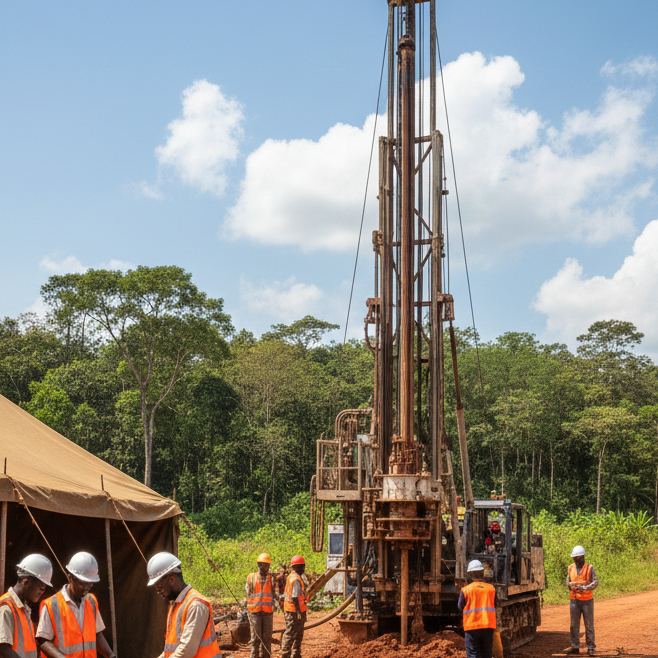
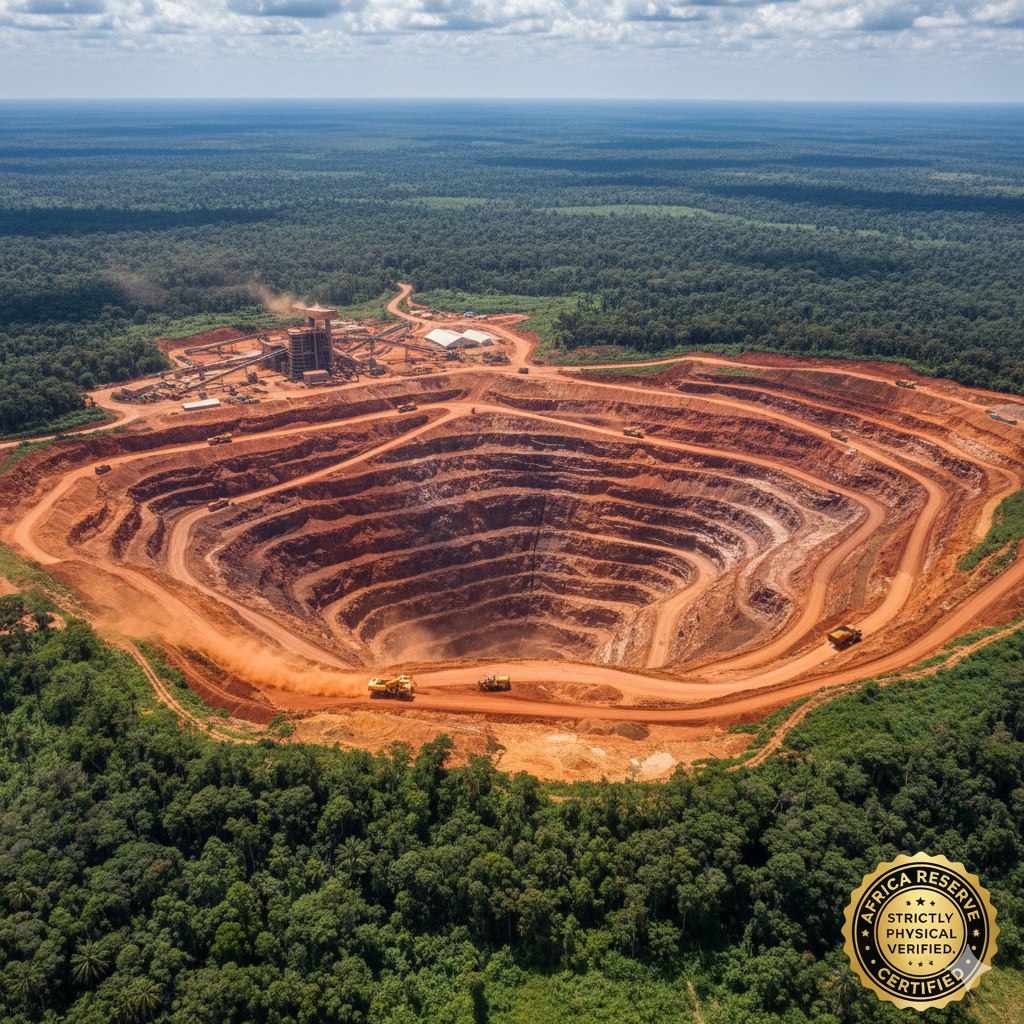
For collectors seeking African gold artifacts, distinguishing between historical pieces and newly mined material is essential—and often misunderstood. While museums, auction houses, and licensed antiquities dealers are the appropriate channels for genuine historical artifacts, newly refined gold originating from Africa’s active mines serves a different market: investors, refiners, and industrial buyers who require legally sourced, ethically handled, and fully documented physical supply. In this context, companies like Africa Gold Reserve play a critical role—not as artifact dealers, but as professional exporters of freshly mined, compliant gold.
Industry Context
Africa has produced gold for millennia, and authentic historical artifacts—such as Akan goldweights from Ghana or Zulu ceremonial items from South Africa—are protected under national heritage laws and international conventions like UNESCO’s 1970 treaty. These items cannot be legally exported without provenance documentation and government authorization. Most legitimate artifacts reside in museums or private collections with decades of custody records.
In contrast, newly mined gold is a commodity governed by modern trade regulations. Collectors sometimes conflate the two, assuming that “African gold” implies antiquity. In reality, the vast majority of gold leaving the continent today is freshly extracted, assayed, and exported under strict licensing frameworks. For those interested in owning physical African gold—whether as bullion, bars, or investment-grade material—the focus should be on verified origin, not historical narrative.
Regional Perspective
Several countries regulate both cultural heritage and mineral exports rigorously:
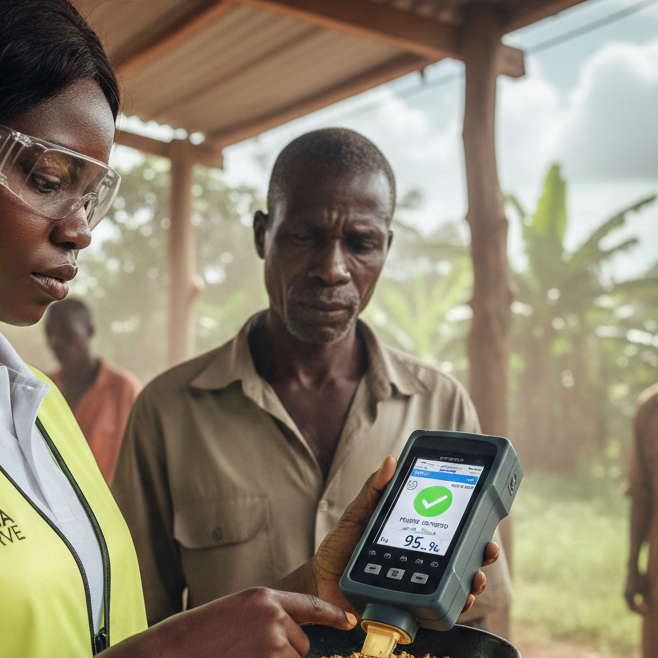
- Ghana prohibits the export of archaeological artifacts without approval from the Museums and Monuments Board. However, it actively promotes legal gold export from Ghana through licensed buyers and formalized small-scale mining channels.
- South Africa enforces the National Heritage Resources Act, which restricts removal of historical items. At the same time, it maintains one of the world’s most sophisticated gold export infrastructures, supporting consistent flows from compliant producers.
- South Sudan, while lacking extensive museum infrastructure, treats all mineral resources as state property. Export requires government-issued permits, ensuring that only legally mined material reaches international markets through verified South Sudan gold suppliers.
These frameworks mean that legitimate African gold available to international buyers is almost exclusively newly mined—not antique.
Africa Gold Reserve’s Approach
Founded in 2015 and headquartered in South Africa, Africa Gold Reserve operates across Ghana, South Africa, South Sudan, and the United Kingdom. The company does not deal in artifacts, antiquities, or cultural items. Its sole focus is on sourcing freshly mined gold from licensed local mines, registered small-scale miners, and government-authorized sellers.
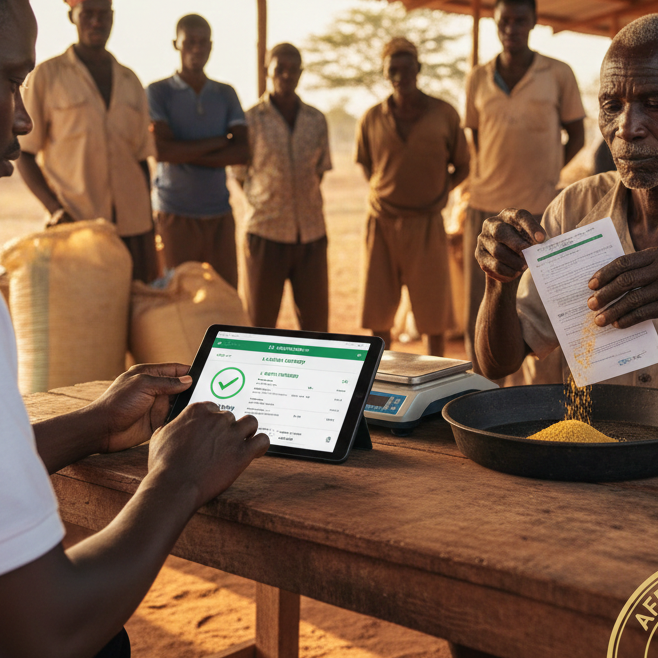
Every transaction is grounded in legal compliance and digital traceability. This ensures that the gold meets international standards for ethical sourcing—critical for buyers engaged in international gold trading who require auditable chain-of-custody records.

Buying and Export Process
Africa Gold Reserve follows a disciplined, transparent workflow:
- Seller Verification: Only individuals or entities holding valid national mining or trading licenses are accepted.
- On-Site Assay: Gold purity is tested immediately upon receipt; results are GPS-tagged and timestamped.
- Digital Documentation: Each batch receives a unique identifier linked to seller details, weight, purity, and location.
- Secure Consolidation: Material is transported under armed escort to bonded facilities.
- Export Execution: Shipments depart via secure air or sea freight along established trade routes—including South Sudan to UAE, Ghana to the United States, and South Africa to China.
This process ensures that buyers receive gold that is both authentic and compliant—attributes that matter far more than age in modern commodity markets.

Global Demand
Demand for responsibly sourced African gold is rising among:
- Central banks diversifying reserves
- Refiners in Dubai, Zurich, and Singapore requiring LBMA-compliant input
- Institutional investors seeking ESG-aligned physical assets
None of these buyers seek artifacts—they seek verifiable, conflict-free bullion. In this environment, the ability to buy gold from Africa with full documentation is a strategic advantage, reinforcing the role of professional African gold exporters.
Why Buyers Work with Africa Gold Reserve
International clients choose Africa Gold Reserve because:
- It is a trusted gold exporter with operational presence in key producing regions.
- It provides documentation that satisfies OECD and LBMA due diligence requirements.
- It eliminates intermediaries, reducing opacity in the supply chain.
- It serves major client regions including the UAE, United States, China, Europe, Asia, and the Middle East.
The company does not trade in antiquities, unverified material, or speculative contracts. Its focus remains strictly on physical, legally sourced gold from licensed operators.

Conclusion
For collectors, authentic African gold artifacts belong in museums or licensed antiquities markets—not in commodity supply chains. For investors and institutional buyers seeking newly mined, ethically sourced African gold, the path forward lies through professional exporters who prioritize compliance over nostalgia. Africa Gold Reserve offers a transparent, secure, and operationally disciplined gateway to one of the world’s most vital gold-producing regions.
Website: africagoldreserve.com
Email: sales@africagoldreserve.com