
How Gold Extraction in Southern Africa Impacts Local Communities
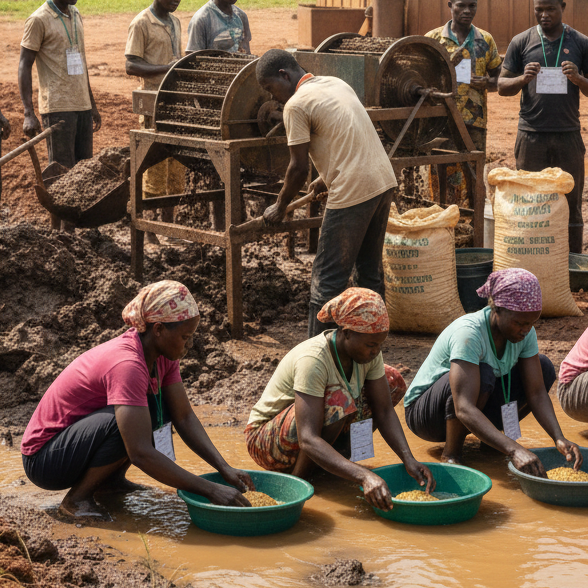
Gold extraction in Southern Africa plays a dual role: it drives regional economic activity while presenting complex social and environmental challenges. From deep-level mines in South Africa to emerging alluvial operations in South Sudan, the industry shapes livelihoods, infrastructure, and governance at the community level. For international buyers and investors, understanding these dynamics is not only a matter of ethical due diligence—it is increasingly central to supply chain integrity and long-term operational stability.
Industry Context
Southern Africa holds some of the world’s richest gold endowments, anchored by South Africa’s Witwatersrand Basin—the source of over 40% of all gold ever mined. Today, the region’s production includes large-scale industrial operations, licensed small-scale miners, and artisanal diggers. While industrial mines contribute significantly to national GDP and formal employment, small-scale and artisanal mining often serve as critical income sources in rural and peri-urban communities.
However, unregulated extraction can lead to land degradation, water contamination, and labor exploitation. In response, governments and industry stakeholders are pushing for formalization—integrating informal miners into legal frameworks that enforce safety, environmental standards, and revenue transparency. This shift is redefining how gold extraction impacts local populations, turning compliance into a catalyst for community development.
Regional Perspective
The impact of gold mining varies significantly across Southern African jurisdictions:
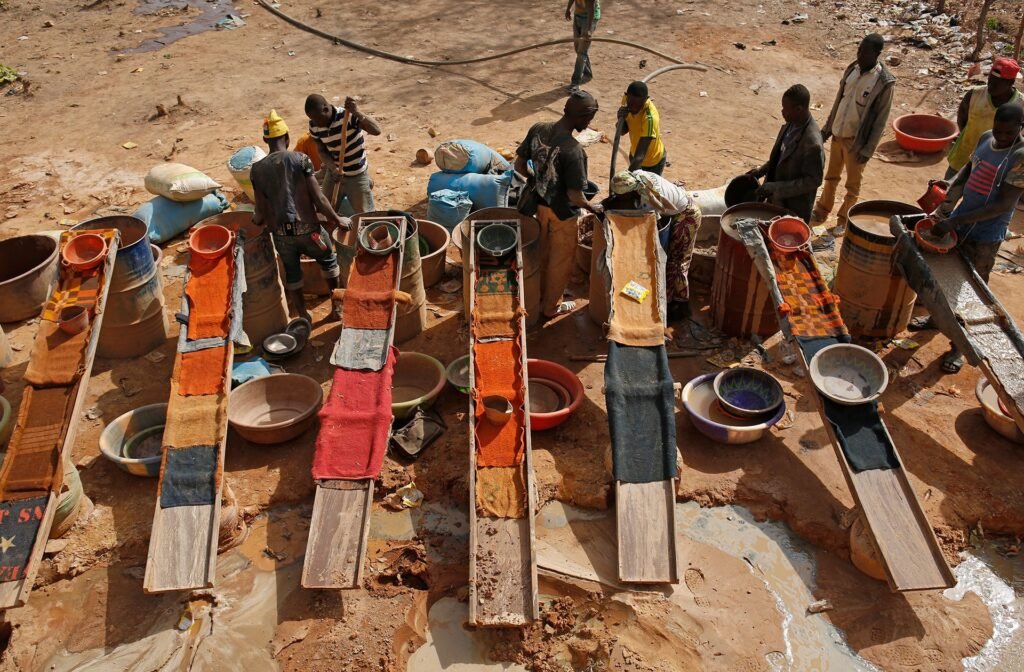
- South Africa has a mature mining sector with strong labor laws and community development agreements mandated under the Mining Charter. Yet legacy issues—such as acid mine drainage and unemployment in former mining towns—remain pressing. New initiatives now focus on local procurement, skills transfer, and shared-value partnerships between mines and municipalities.
- South Sudan, by contrast, is in an early stage of mineral sector development. Gold offers one of the few viable paths to post-conflict economic recovery. However, without robust oversight, artisanal mining can fuel conflict or environmental harm. The government, with support from international partners, is establishing licensing systems and promoting cooperatives to ensure benefits flow to local communities.
In both contexts, the presence of professional, compliant operators helps channel economic benefits responsibly—linking local production to global markets while upholding social and environmental safeguards.
Africa Gold Reserve’s Approach
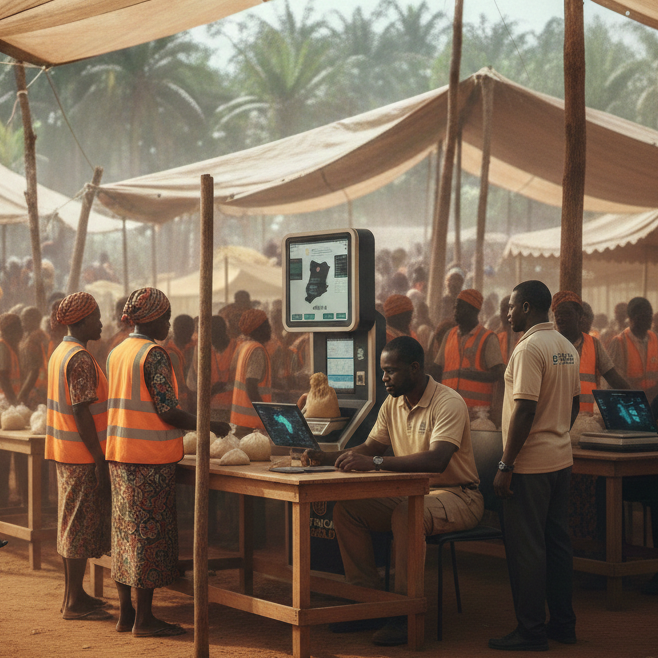
Founded in 2015 and headquartered in South Africa, Africa Gold Reserve operates across Ghana, South Africa, South Sudan, and the United Kingdom. The company sources gold exclusively from licensed local mines, registered small-scale miners, and government-authorized sellers—ensuring that every transaction supports formalized, regulated activity.
By requiring valid permits and conducting on-site verification, Africa Gold Reserve helps reduce illicit mining and reinforces legal frameworks that protect community rights. Its direct engagement with local sellers also ensures faster, fairer payments—improving cash flow for miners who might otherwise rely on informal middlemen.
Buying and Export Process
Africa Gold Reserve’s procurement model embeds social responsibility into its core workflow:
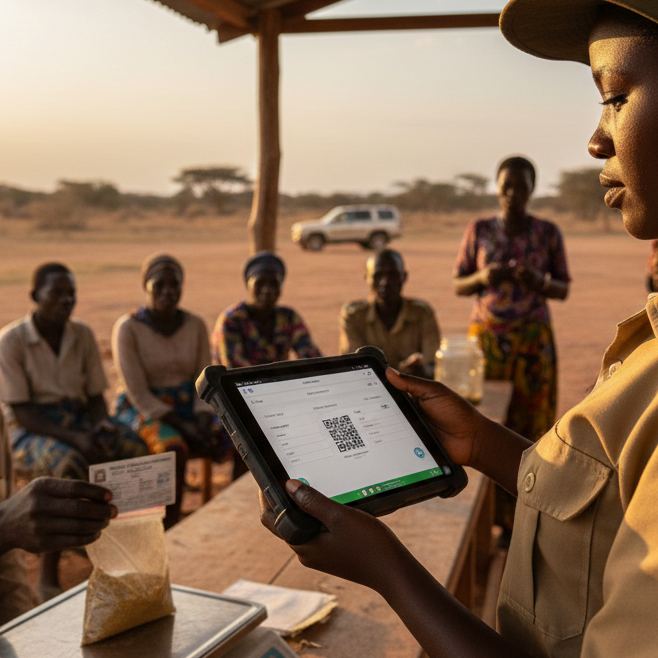
- Seller Verification: Only individuals or entities with valid national mining or trading licenses are accepted—supporting formalization and tax compliance.
- On-Site Assay: Gold is tested immediately, ensuring transparent pricing based on verified purity.
- Digital Documentation: Each transaction is recorded with GPS coordinates and timestamps, creating an auditable trail that discourages fraud and illegal sourcing.
- Secure Logistics: Material is transported under armed escort, reducing theft and loss that often plague informal supply chains.
- Export Execution: Shipments follow established routes—South Sudan to UAE, Ghana to the United States, South Africa to China—linking compliant local production to global demand.
This process not only secures supply for international buyers but also strengthens the legal economy at the community level.
Global Demand
International buyers increasingly recognize that ethical sourcing begins at the community level. Refiners in Europe, the UAE, and Asia now require proof that gold was extracted under conditions that respect labor rights, avoid child labor, and minimize environmental harm. This demand incentivizes formalization and rewards exporters who partner with licensed, community-based producers.
For institutional investors and commodity traders, supporting compliant supply chains is no longer optional—it is a risk-mitigation strategy and a brand imperative in international gold trading.
Why Buyers Work with Africa Gold Reserve
Global clients choose Africa Gold Reserve because:
- It is a trusted gold exporter with operational presence in key Southern African jurisdictions.
- It ensures that gold originates from South Africa gold exporters and South Sudan gold suppliers operating within legal frameworks.
- Its documentation satisfies OECD Due Diligence Guidance and LBMA Responsible Gold standards.
- It enables buyers to buy gold from Africa with confidence that community and regulatory considerations have been addressed.
The company does not engage with unlicensed operators or opaque networks. Its model actively supports the formal economy—benefiting both global supply chains and local communities.
Conclusion
Gold extraction in Southern Africa will continue to shape local communities for decades to come. The choice is not whether mining occurs—but how it occurs. By partnering with professional, compliant exporters like Africa Gold Reserve, international buyers can help ensure that gold flows support legal economies, empower local miners, and meet the highest standards of ethical trade.
Website: africagoldreserve.com
Email: sales@africagoldreserve.com