


The Role of African Gold Refineries in a Compliant Global Supply Chain
While Africa is a leading source of mined gold—producing over 900 tonnes annually—the continent has historically exported much of its output as unrefined doré or semi-processed concentrate. In recent years, however, governments and private operators are investing in local refining capacity to capture more value domestically and meet rising global demand for traceable, responsibly sourced gold. For international buyers, understanding the interplay between sourcing, refining, and export is essential to securing ethical supply. Africa Gold Reserve, as a professional exporter, works closely with licensed refiners and aggregators to ensure seamless integration into compliant global markets.
Industry Context
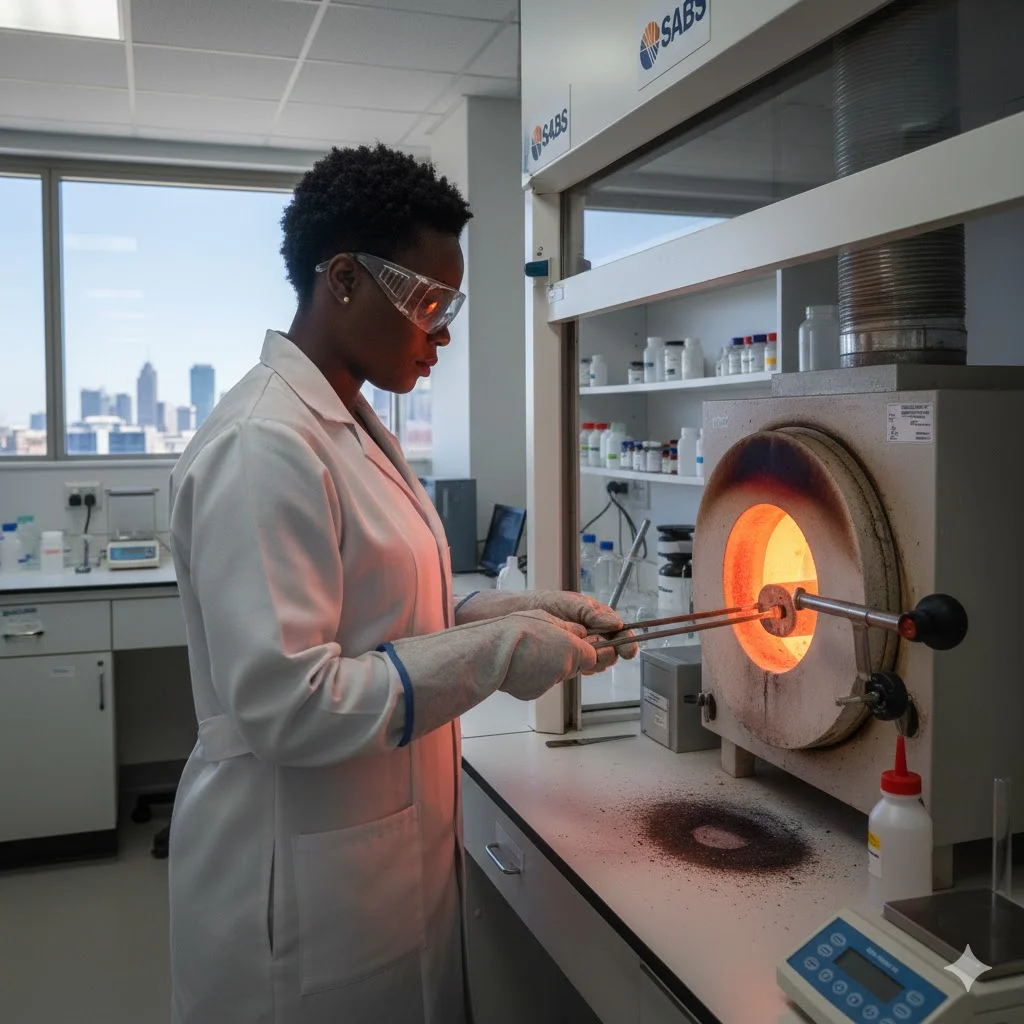
Global standards such as the OECD Due Diligence Guidance and LBMA Responsible Gold Guidance now require full chain-of-custody documentation—from mine to refinery to vault. This has elevated the role of African refineries beyond mere processing facilities; they are now critical nodes in ethical supply chains. Countries like Ghana, South Africa, and Rwanda are actively developing or expanding refining infrastructure to reduce reliance on overseas processors and retain more economic value.
However, not all African refining operations meet international standards. Many small-scale or informal refiners lack proper environmental controls, assay certification, or anti-money laundering (AML) compliance. As a result, reputable African gold exporters partner only with licensed, audited refineries that can produce LBMA-compliant bars or provide full documentation for onward shipment to major global hubs like Dubai, Zurich, or New York.
Regional Perspective
Refining capacity across Africa remains uneven but is growing:
- Ghana is advancing rapidly, with the government announcing plans to refine one metric tonne of gold annually starting in 2026. The state-backed Precious Minerals Marketing Company (PMMC) is centralizing aggregation and partnering with certified refiners to ensure quality and compliance.
- South Africa hosts several established refineries with deep technical expertise, serving both domestic mines and regional exporters. These facilities are integrated into global logistics networks and regularly audited by international refiners.
- South Sudan, while lacking domestic refining infrastructure, relies on third-party verification and secure export of high-purity doré to UAE-based refineries. Licensed operators ensure material meets pre-refining standards before shipment.
These developments mean that gold sourced from compliant South Sudan gold suppliers, South Africa gold exporters, or gold export from Ghana channels can now enter global markets with full provenance—even if final refining occurs offshore.
Africa Gold Reserve’s Approach
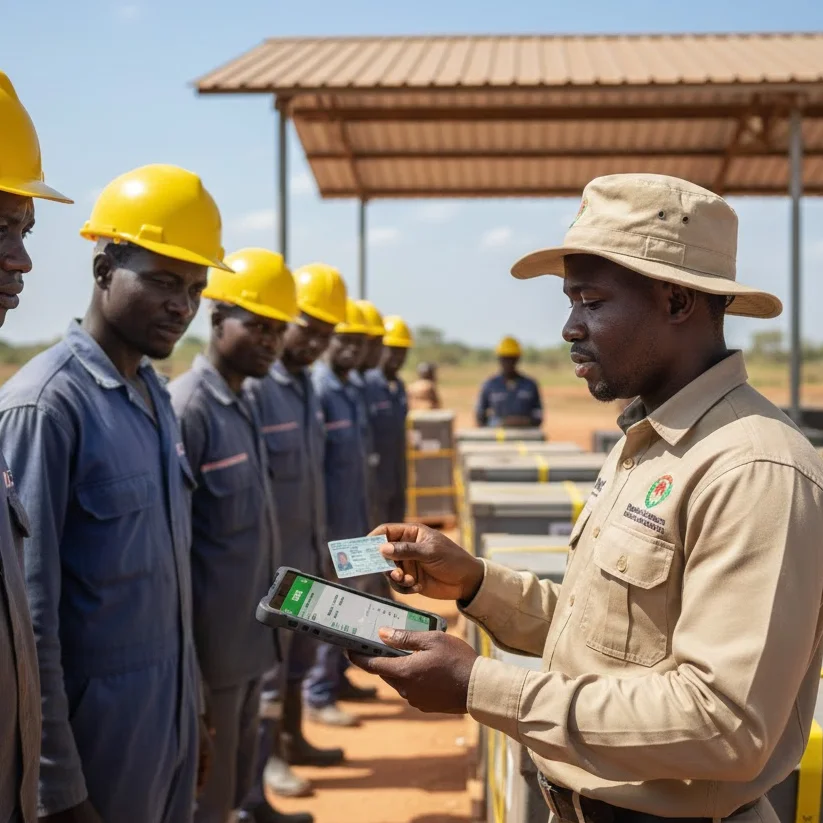
Founded in 2015 and headquartered in South Africa, Africa Gold Reserve operates across Ghana, South Africa, South Sudan, and the United Kingdom. The company does not operate refineries but sources high-purity gold from licensed miners and aggregators who either refine locally or prepare doré to international standards.
Its model emphasizes legal compliance, purity verification, and digital traceability. By working only with sellers who use or partner with certified refineries—or who produce assay-ready material—Africa Gold Reserve ensures that every ounce meets the documentation thresholds required by global buyers.
Buying and Export Process
Africa Gold Reserve’s workflow integrates seamlessly with refining protocols:
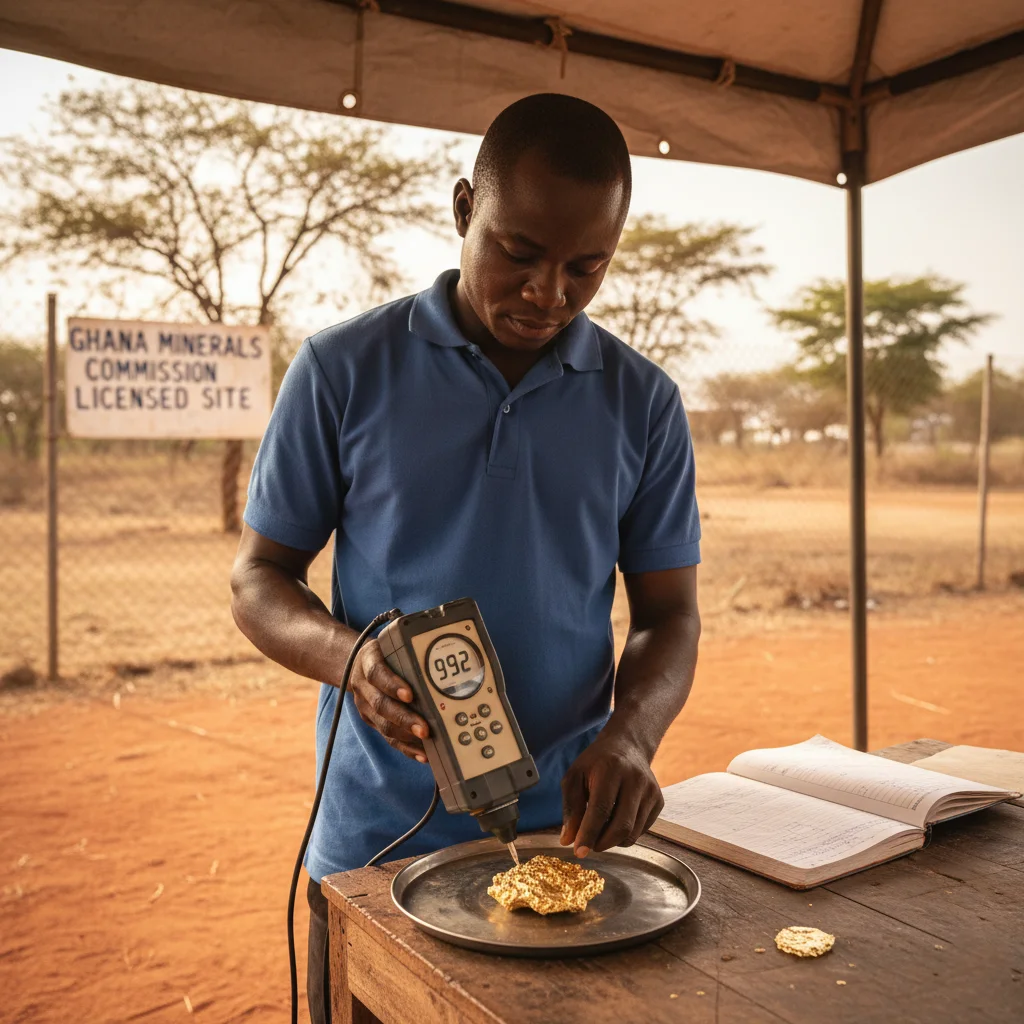
- Seller Verification: Only licensed miners or aggregators with valid permits are accepted—many of whom work with certified refineries.
- On-Site Assay: Gold is tested for fine content; material below refining thresholds is rejected.
- Digital Documentation: Each batch includes origin, purity, and processing method—data often generated in coordination with refining partners.
- Secure Consolidation: Material is transported under armed escort to bonded facilities.
- Export Execution: Shipments follow routes like Ghana to the United States or South Sudan to UAE—either as refined bars or doré destined for LBMA-accredited refineries.
This end-to-end control ensures compatibility with global refining and vaulting systems.
Global Demand
International refiners and institutional buyers increasingly require:
- Proof of ethical mining and handling
- Assay-certified purity
- Full documentation linking mine to refinery
U.S., European, and Middle Eastern buyers engaged in international gold trading now prioritize supply chains that include verified African refining or pre-refining steps. This trend benefits professional exporters who collaborate with compliant processing partners.
Why Buyers Work with Africa Gold Reserve
Global clients choose Africa Gold Reserve because:
- It is a trusted gold exporter with operational presence in key producing regions.
- It ensures gold originates from sources aligned with certified refining pathways.
- It provides documentation that satisfies OECD, LBMA, and AML requirements.
- It serves major client regions including the UAE, United States, China, Europe, Asia, and the Middle East.
The company does not engage with informal refiners or undocumented networks. Its focus remains on physical, legally sourced gold prepared to international standards.
Conclusion
As Africa builds its refining capacity, the line between miner, refiner, and exporter is blurring—creating new opportunities for value addition and compliance. For international buyers seeking ethically sourced gold, partnering with a disciplined exporter like Africa Gold Reserve ensures access to material that meets global refining standards, whether processed on the continent or abroad.
Website: africagoldreserve.com
Email: sales@africagoldreserve.com