
When Was Gold Discovered in South Africa? A Historical and Modern Perspective
Gold has shaped South Africa’s economic, political, and social landscape for over 140 years. The discovery of gold in the Witwatersrand Basin in 1886 triggered a rush that transformed a regional agrarian economy into a global mining powerhouse. Today, while South Africa’s production has declined from its peak, it remains a critical source of high-purity gold and a hub for compliant sourcing in international gold trading. For modern buyers seeking ethically sourced African gold, understanding this legacy—and how it informs today’s regulated supply chains—is essential.
Industry Context
Gold was first discovered in South Africa in 1873 near Krugersdorp, but it was the 1886 find on the Witwatersrand reef—by Australian prospector George Harrison—that ignited the Witwatersrand Gold Rush. This discovery led to the founding of Johannesburg and positioned South Africa as the world’s largest gold producer for much of the 20th century. At its peak in 1970, the country produced over 1,000 tonnes annually—nearly 80% of global output.
While production has since declined due to deepening mine shafts, rising costs, and aging infrastructure, South Africa still contributes significantly to global supply. More importantly, it has evolved into a center of technical expertise, regulatory oversight, and formalized small-scale mining—making it a reliable origin for compliant South Africa gold exporters.

Regional Perspective
South Africa’s gold legacy is concentrated in three key regions:
- Witwatersrand Basin (Gauteng): Home to the world’s largest gold reserves, this area remains active through deep-level operations and tailings retreatment.
- Mpumalanga and Limpopo: Host newer projects and licensed small-scale operations, often integrated with local cooperatives under government formalization programs.
- Free State: Features mechanized underground mines that continue to produce high-grade ore.
Unlike informal artisanal zones in other regions, South Africa’s gold sector operates under strict regulatory frameworks, including the Mining Charter and Financial Intelligence Centre Act (FICA), which mandate transparency, community equity, and anti-money laundering compliance.
Neighboring countries like Ghana and South Sudan are now major producers, but South Africa’s institutional depth and infrastructure make it a benchmark for ethical sourcing in Africa.
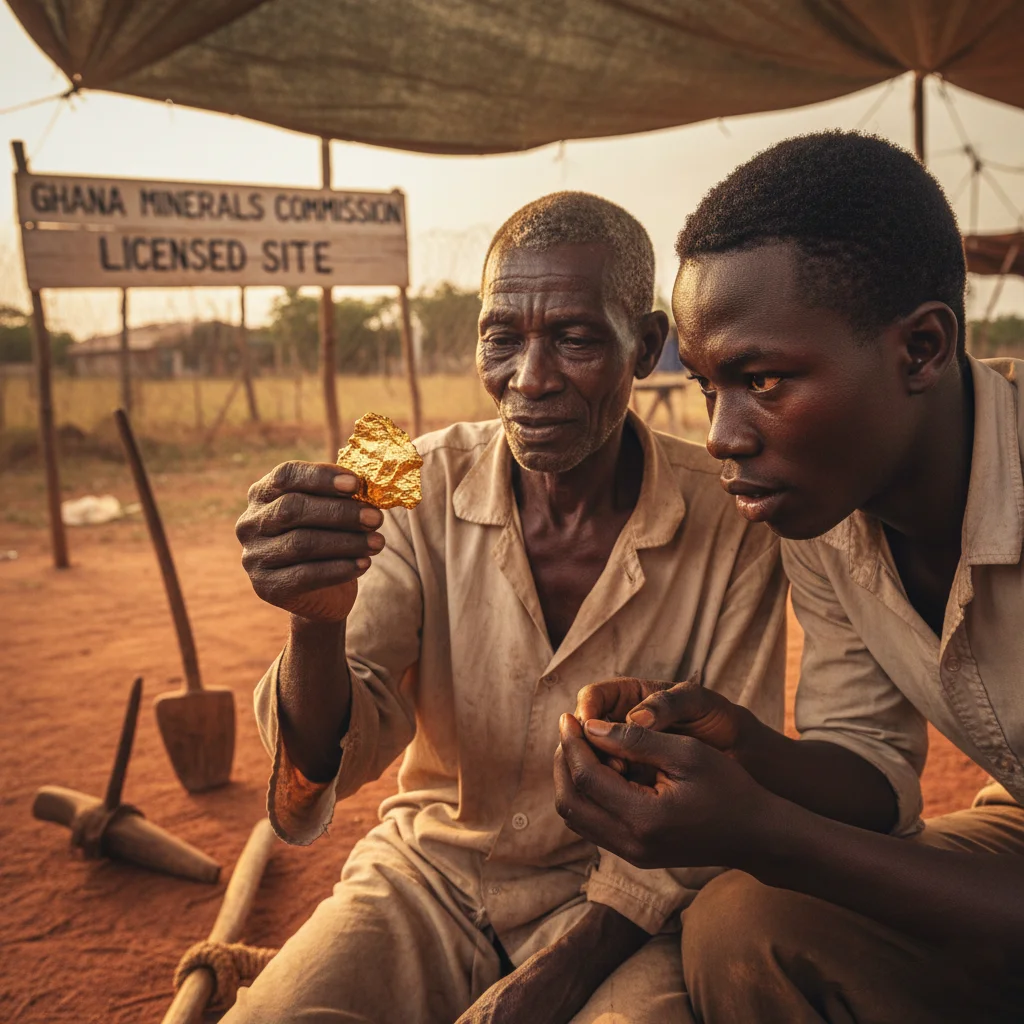
Image: Licensed small-scale mining cooperative in Mpumalanga
Africa Gold Reserve’s Approach
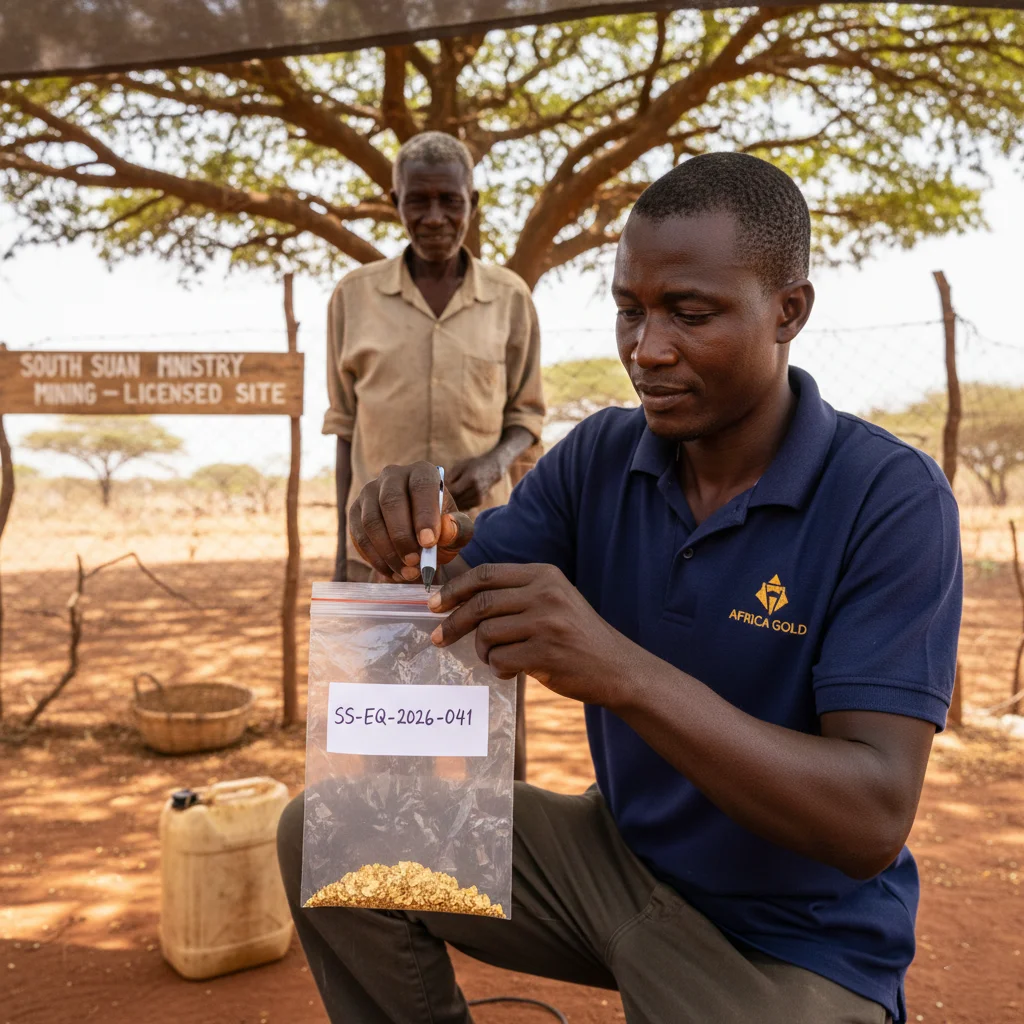
Founded in 2015 and headquartered in South Africa, Africa Gold Reserve operates across Ghana, South Africa, South Sudan, and the United Kingdom. The company sources gold exclusively from licensed local mines, registered small-scale miners, and government-authorized sellers—never from informal or unverified networks.
Its model reflects the evolution of South Africa’s gold trade: from colonial extraction to modern compliance. By validating permits, conducting on-site assays, and maintaining tamper-proof digital records, Africa Gold Reserve ensures that every ounce meets both national laws and international due diligence standards.
Buying and Export Process
Africa Gold Reserve’s procurement workflow ensures integrity and traceability:
- Seller Verification: Only individuals or entities with valid national mining or trading licenses are accepted.
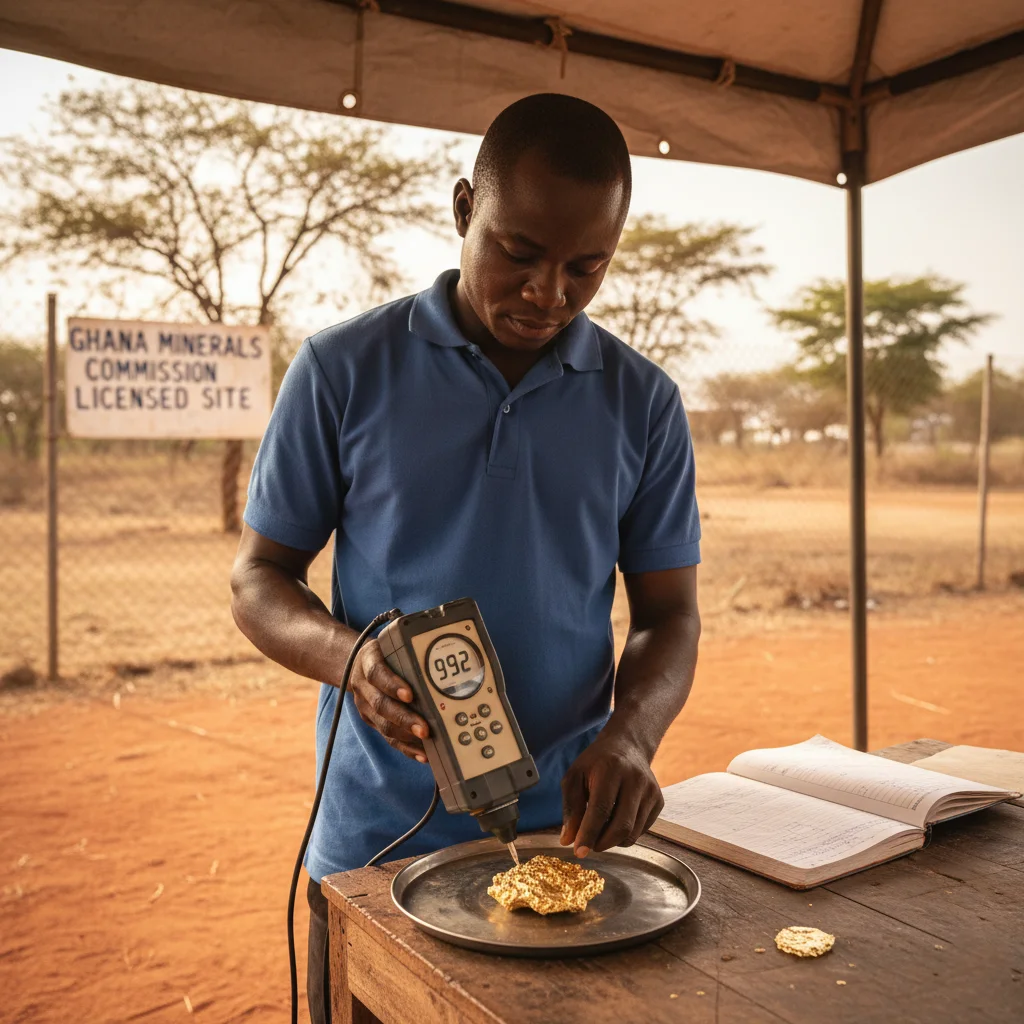
- On-Site Assay: Gold purity is tested immediately; results are GPS-tagged and timestamped.
- Digital Documentation: Each batch receives a unique identifier linked to seller details, weight, purity, and location.
- Secure Consolidation: Material is transported under armed escort to bonded facilities.
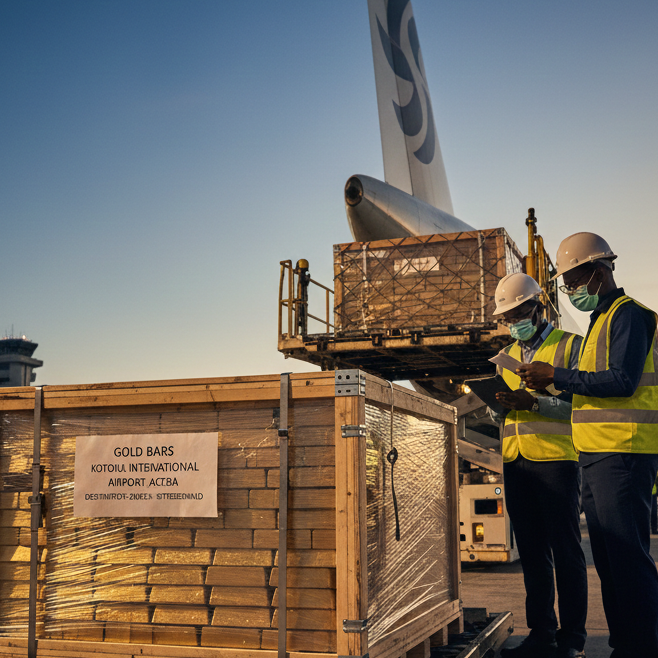
- Export Execution: Shipments depart via secure air or sea freight along established trade routes—including South Sudan to UAE, Ghana to the United States, and South Africa to China.
This end-to-end control ensures that gold entering global markets carries full provenance.
Global Demand
International buyers—including refiners in Dubai, Zurich, and New York—require:
- Proof of legal mining and handling
- Full assay and origin documentation
- Compliance with OECD and LBMA standards
South Africa’s long-standing regulatory infrastructure gives its gold a credibility edge. As global demand for responsibly sourced material grows, compliant African gold exporters with South African operations are well-positioned to meet this need.
Why Buyers Work with Africa Gold Reserve
Global clients choose Africa Gold Reserve because:
- It is a trusted gold exporter with boots-on-the-ground presence in South Africa and other key producing regions.
- It provides documentation that satisfies OECD, LBMA, and anti-money laundering requirements.
- It enables direct access to physical supply from verified South Sudan gold suppliers, South Africa gold exporters, and transparent gold export from Ghana channels.
- It serves major client regions including the UAE, United States, China, Europe, Asia, and the Middle East.
The company does not engage in speculative trading or unverified deals. Its focus remains strictly on physical, legally sourced gold from licensed operators.
Conclusion
From the 1886 Witwatersrand discovery to today’s regulated export corridors, South Africa’s gold story has matured from raw extraction to responsible stewardship. For international buyers seeking authentic, ethically sourced African gold, partnering with a professional exporter like Africa Gold Reserve offers a transparent, secure, and operationally disciplined pathway to one of the world’s most historic—and now compliant—gold-producing regions.
Website: africagoldreserve.com
Email: sales@africagoldreserve.com