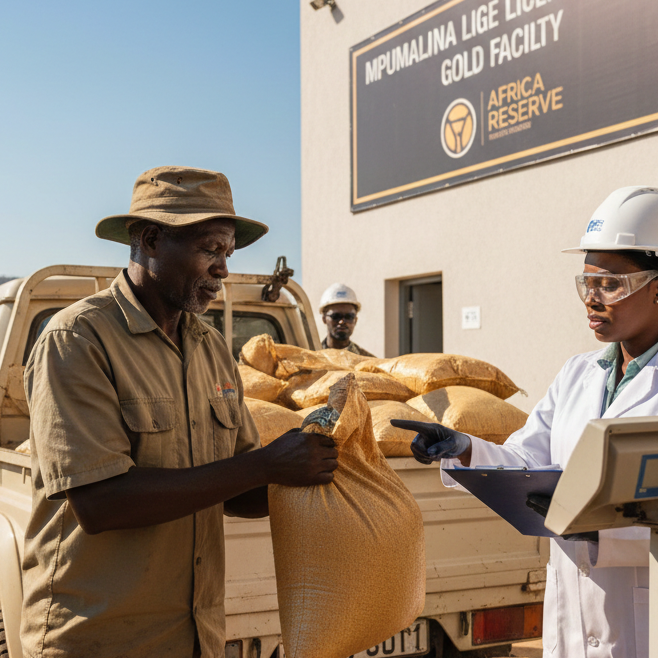

Understanding the Price of 18K Gold per Gram in South Africa: Retail vs. Professional Trade
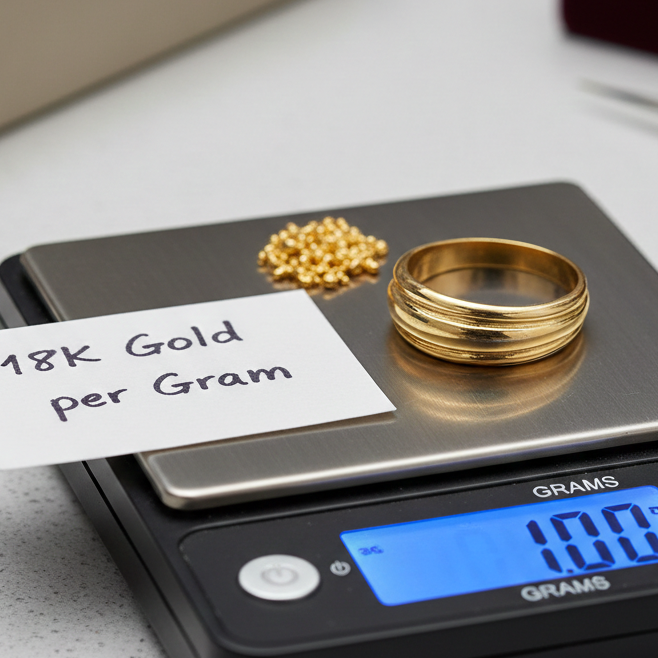
When consumers search for “price of 18k gold per gram South Africa,” they typically encounter retail or scrap valuations based on local rand-denominated rates. These figures are useful for jewelry resale or personal transactions—but they do not reflect the pricing mechanisms used in professional gold export. Africa Gold Reserve, as a compliant African gold exporter, deals exclusively in high-purity, legally sourced gold—typically 90%+ fine—not fabricated alloys like 18-karat (75% pure) jewelry. For institutional buyers, refiners, and commodity traders engaged in international gold trading, understanding this distinction is essential to navigating the African gold market with clarity and compliance.
Industry Context
In South Africa, the “18k gold price per gram” quoted by jewelers, pawn shops, or online calculators reflects a retail rate derived from the international gold spot price, adjusted for:
- Purity (75% fine gold for 18K),
- Refining costs,
- VAT,
- Dealer margins.
This pricing serves domestic consumers but has no bearing on commercial export transactions. Professional exporters like Africa Gold Reserve transact based on globally recognized benchmarks such as the LBMA Gold Price, applied to high-purity doré or refined bars—not jewelry alloys.
Global standards, including the OECD Due Diligence Guidance and LBMA Responsible Gold Guidance, require verifiable proof of origin, ethical mining, and chain-of-custody documentation. These frameworks generally exclude unrefined or recycled jewelry from compliant supply chains unless fully audited—a rarity in informal markets. As a result, reputable South Africa gold exporters focus solely on freshly mined, high-purity material from licensed sources.

Regional Perspective
South Africa’s domestic gold market includes both formal and informal segments:
- Retail and scrap markets use carat-based pricing (e.g., 14K, 18K, 22K) for jewelry transactions. These prices fluctuate daily with the rand-dollar exchange rate and local demand.
- Professional export channels, however, operate under strict regulatory oversight. The Financial Intelligence Centre Act (FICA) and Mining Charter require full documentation, licensing, and purity verification—standards incompatible with unrefined jewelry or low-grade alloys.
In contrast, countries like Ghana and South Sudan focus almost entirely on raw gold production. There is minimal domestic jewelry fabrication, and nearly all output is high-purity material destined for export. This makes gold export from Ghana and verified South Sudan gold suppliers far more relevant to international buyers than South African 18K scrap rates.

Africa Gold Reserve’s Approach
Founded in 2015 and headquartered in South Africa, Africa Gold Reserve operates across Ghana, South Africa, South Sudan, and the United Kingdom. The company does not buy or trade 18K gold jewelry or scrap. Instead, it sources only high-purity gold from licensed local mines, registered small-scale miners, and government-authorized sellers.
Every transaction is based on internationally recognized benchmarks, with value calculated according to fine gold content—not carat ratings. This approach ensures compliance with OECD Due Diligence Guidance and LBMA Responsible Gold standards, which prohibit undocumented or recycled jewelry inputs in ethical supply chains.
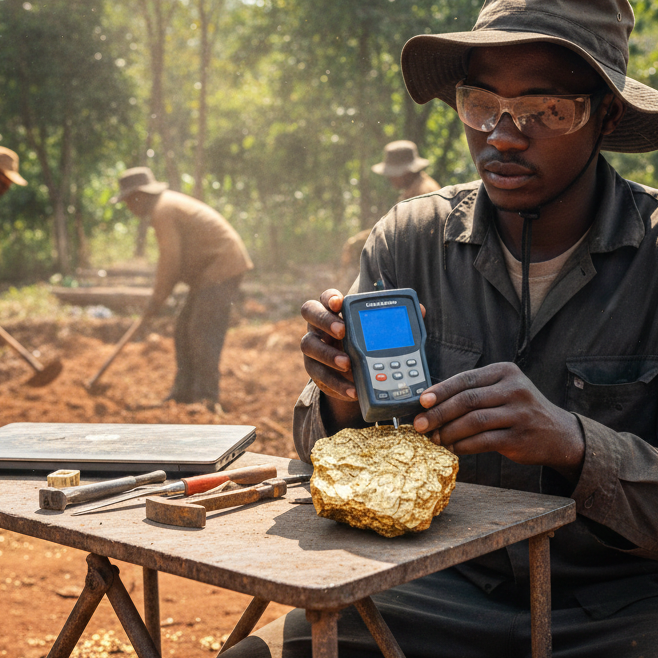
Buying and Export Process
Africa Gold Reserve’s procurement workflow excludes low-purity or fabricated gold:
- Seller Verification: Only licensed miners or authorized sellers with valid permits are accepted.
- On-Site Assay: Gold is tested for fine content (typically 85–99%); 18K material (75%) is not accepted.
- Benchmark-Based Pricing: Value is calculated using the LBMA Gold Price, adjusted for actual purity and weight.
- Digital Documentation: Each batch is recorded with GPS, timestamp, and assay data.
- Secure Export: Material is shipped via established routes—Ghana to the United States, South Sudan to UAE, South Africa to China—under full chain-of-custody control.
This process ensures that only high-integrity, high-purity gold enters global supply chains.
Global Demand
International refiners and institutional buyers do not purchase 18K gold. They require:
- High-purity doré or refined bullion (≥90%)
- Full assay and origin documentation
- Compliance with anti-money laundering and conflict mineral regulations
U.S. and European demand for African gold is driven by central bank reserves, ETFs, and industrial users—not jewelry scrap. As such, the “price of 18k gold per gram South Africa” holds no relevance in international gold trading.
Why Buyers Work with Africa Gold Reserve
Global clients choose Africa Gold Reserve because:
- It is a trusted gold exporter with boots-on-the-ground presence in key producing regions.
- It supplies only high-purity, legally sourced gold—never scrap or low-grade alloys.
- It provides documentation that satisfies OECD, LBMA, and international regulatory requirements.
- It serves major client regions including the United States, UAE, China, Europe, Asia, and the Middle East.
The company does not engage in jewelry buying, speculative trading, or informal deals. Its focus remains strictly on physical, compliant, high-purity gold from licensed sources.
Conclusion
While the “price of 18k gold per gram South Africa” may be useful for local jewelry transactions, it has no bearing on professional gold export. For international buyers seeking ethically sourced, high-purity African gold, partnering with a disciplined exporter like Africa Gold Reserve ensures access to verified supply priced fairly against global benchmarks.
Website: africagoldreserve.com
Email: sales@africagoldreserve.com