
A Guide to Investing in Junior Gold Mining Stocks Operating in Africa
Investing in junior gold mining stocks offers high-risk, high-reward exposure to one of the world’s most prospective mineral frontiers: Africa. With over 30% of global gold reserves and a surge in exploration activity across West and Southern Africa, the continent presents compelling opportunities for equity investors. However, success requires more than geological optimism—it demands deep jurisdictional knowledge, rigorous due diligence, and awareness of how physical supply chains validate exploration potential. For institutional investors and commodity traders, understanding the link between junior miners and professional exporters like Africa Gold Reserve can provide critical ground-truth insights.
Industry Context
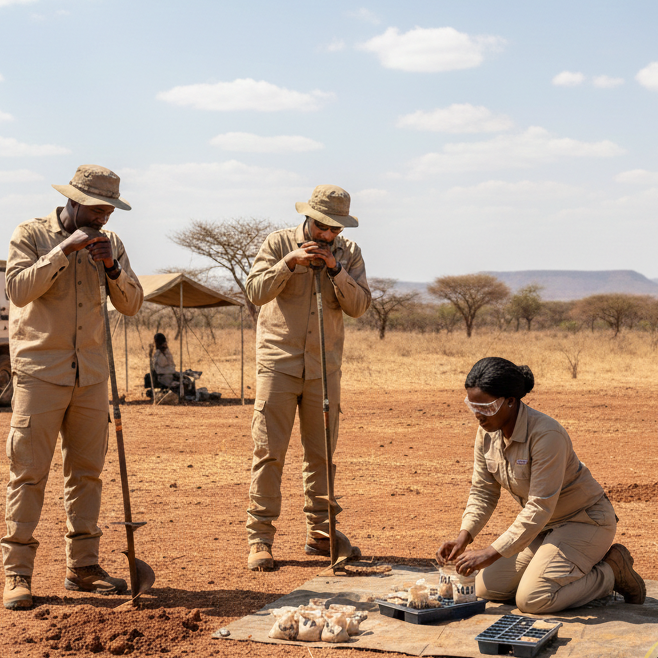
Junior gold miners—typically defined as companies with market capitalizations under $500 million—are primarily focused on exploration and early-stage development. In Africa, they play a vital role in advancing greenfield projects, particularly in underexplored regions like the Birimian Greenstone Belt. While these stocks can deliver outsized returns if acquired by majors or advance to production, they also carry significant risk: permitting delays, community opposition, funding shortfalls, and political instability can derail even the most promising projects.
Unlike physical gold, which is valued for its intrinsic properties, junior mining equities are valued on future potential. This makes on-the-ground verification—of both geology and governance—essential. Investors increasingly look beyond drill results to assess whether a project sits in a jurisdiction where compliant offtake and export are feasible.
Regional Perspective
Africa’s investment landscape varies significantly by country:
- Ghana remains the most attractive destination for junior miners, thanks to transparent licensing, strong rule of law, and active support for formalizing artisanal mining. The government’s push for local refining and digital traceability further enhances project bankability.
- Mali and Côte d’Ivoire host some of the highest-grade undeveloped deposits globally, with majors like Barrick and Endeavour actively acquiring junior assets. Security remains a concern in northern zones, but southern corridors are stable and well-serviced.
- South Africa offers technical depth and infrastructure but faces regulatory complexity and power constraints. Still, deep-level exploration continues to yield discoveries.
- South Sudan, while high-risk, represents a true frontier with minimal historical drilling. Early-mover juniors here require strong local partnerships and patience—but could unlock major value if stability improves.
These dynamics underscore why jurisdiction matters as much as grade when evaluating junior stocks.
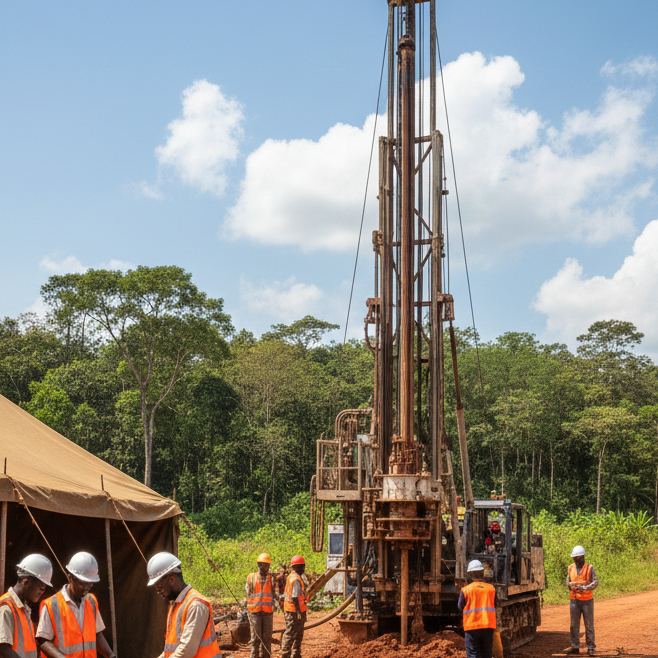
Image: Drilling rig at a greenfield exploration site in Western Ghana
Africa Gold Reserve’s Approach
Founded in 2015 and headquartered in South Africa, Africa Gold Reserve operates across Ghana, South Africa, South Sudan, and the United Kingdom. While not an investment firm, the company provides real-time visibility into where exploration is translating into tangible output. Through its core activities—buying gold from licensed local mines, sourcing from registered small-scale miners, and acquiring from government-authorized sellers—it observes firsthand which regions are producing compliant material and which licenses are being actively utilized.
This operational intelligence helps contextualize junior mining claims. A company reporting “high-grade intercepts” in a region where no legal gold is being exported may face hidden bottlenecks—whereas one operating near active, verified supply chains may be closer to commercial reality.
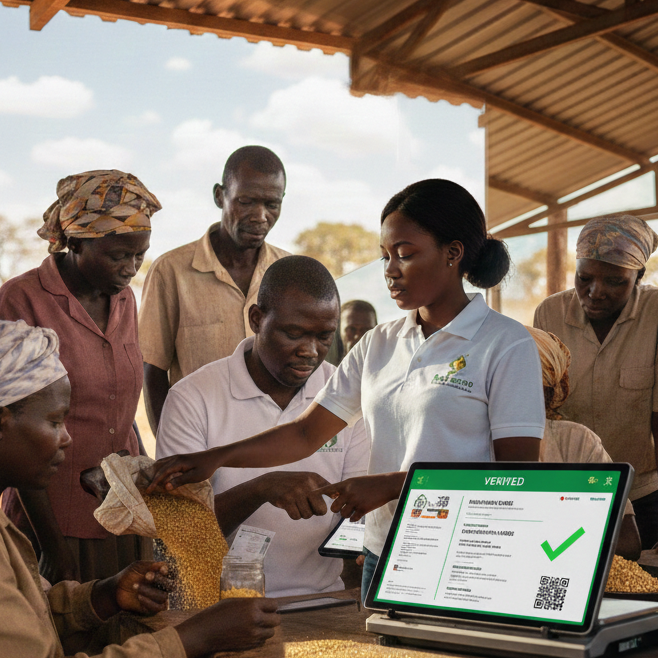
Buying and Export Process
Africa Gold Reserve’s physical procurement model reflects the compliance standards that ultimately determine whether a mining project can succeed:
- Seller Verification: Only individuals or entities with valid national mining or trading licenses are accepted.
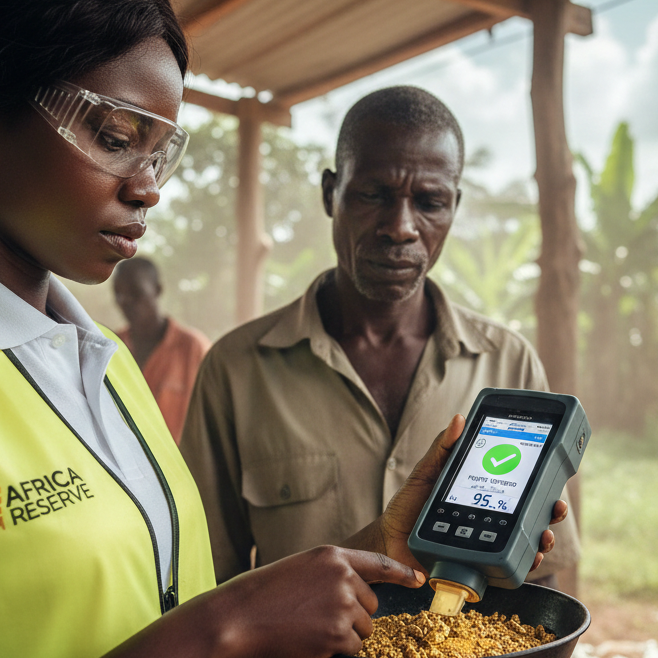
- On-Site Assay: Gold purity is tested immediately using calibrated XRF devices.
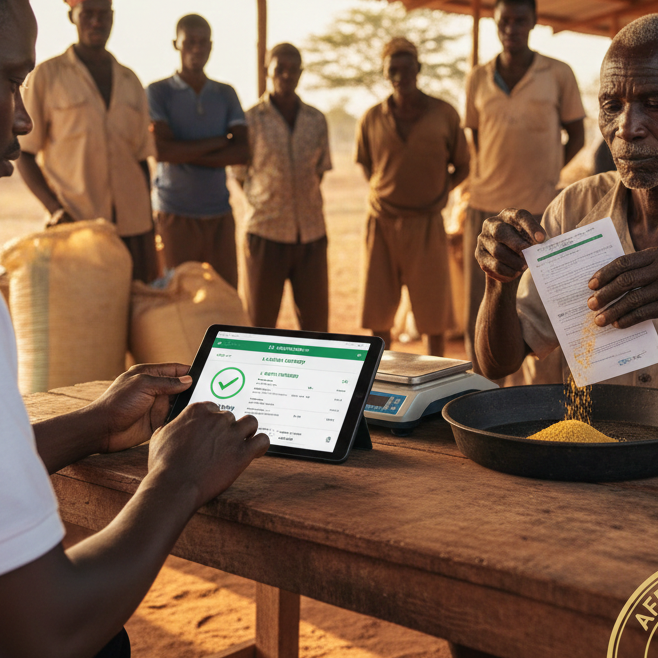
- Digital Documentation: Each batch is linked to GPS coordinates, timestamp, seller ID, and assay result.
- Secure Consolidation: Material is moved under armed escort to bonded facilities.
- Export Execution: Shipments follow secure routes—South Sudan to UAE, Ghana to the United States, South Africa to China.
For investors, this workflow illustrates the real-world requirements that junior miners must eventually meet to achieve offtake.

Global Demand
Global demand for responsibly sourced African gold continues to rise. Refiners in Dubai, Zurich, and Singapore now routinely reject undocumented material. Central banks, ETF issuers, and luxury brands require auditable chain-of-custody records—standards that filter down to junior producers seeking offtake agreements.
In this environment, junior miners with projects in jurisdictions that support compliant gold export from Ghana or reliable South Africa gold exporters gain a strategic advantage. Similarly, early engagement with vetted South Sudan gold suppliers could position explorers ahead of broader market entry.

Why Buyers Work with Africa Gold Reserve
While Africa Gold Reserve does not offer equity investments, international refiners, commodity desks, and institutional investors rely on its services because:
- It is a trusted gold exporter with boots-on-the-ground presence in key producing regions.
- It provides documentation that meets OECD and LBMA standards—benchmarks that junior miners must eventually satisfy.
- It enables direct access to physical supply, offering a reality check on exploration narratives.
- It serves major client regions including the UAE, United States, China, Europe, Asia, and the Middle East.
For equity investors, this operational transparency serves as a valuable complement to financial analysis.

Conclusion
Investing in junior gold mining stocks in Africa can yield significant returns—but only with disciplined due diligence and a clear understanding of on-the-ground realities. Physical supply chains, governed by compliance and logistics, ultimately determine which projects move from drill hole to revenue. For investors seeking to validate exploration potential against real-world export feasibility, partnering with a professional operator like Africa Gold Reserve provides essential context in a high-stakes market.
Website: africagoldreserve.com
Email: sales@africagoldreserve.com