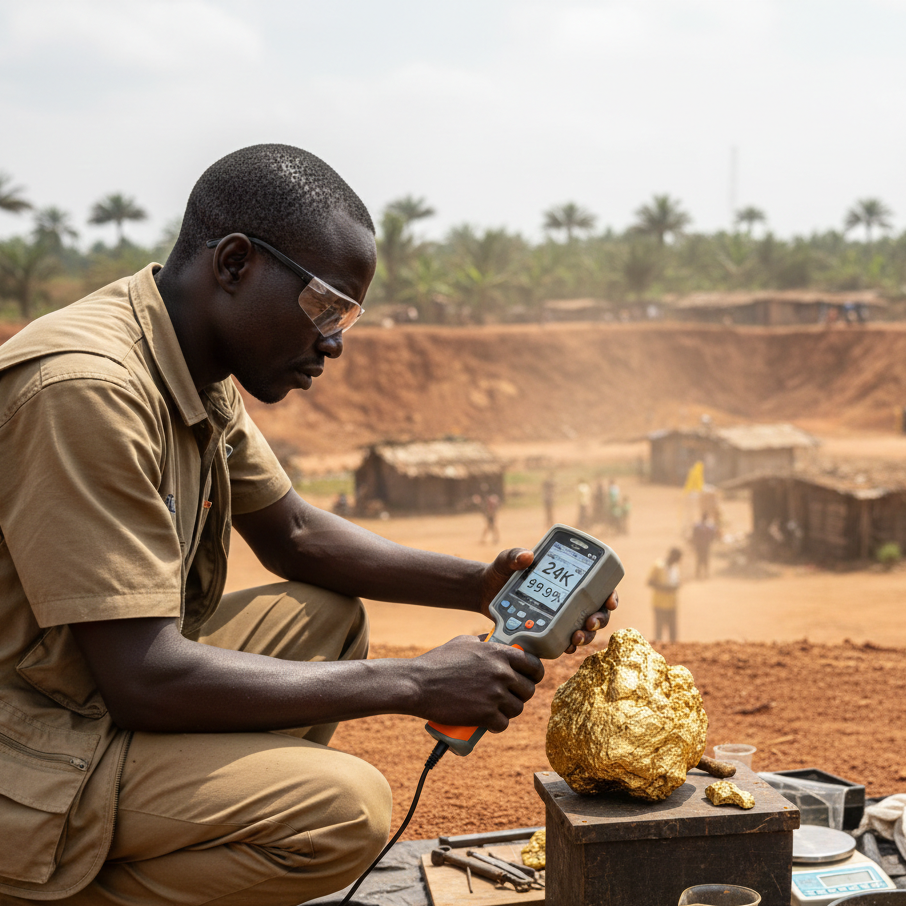

Africa Gold-Backed Currency: Concept, Reality, and Future Potential
As of 2026, no African country officially uses a gold-backed currency in the traditional sense—where national money is directly redeemable for physical gold. However, the idea has gained renewed interest across the continent due to economic volatility, currency depreciation, and growing gold production. While no government has fully implemented a gold standard, several initiatives—both public and private—are exploring gold-linked financial instruments as a hedge against instability.
1. What Is a Gold-Backed Currency?
A gold-backed currency ties the value of money to a fixed amount of gold (e.g., 1 unit = 1 gram of gold). Historically, this provided stability—but most nations abandoned it in the 20th century for fiat systems. Today, “gold-backed” often refers to:
- Digital tokens backed by physical gold reserves
- Savings accounts denominated in gold grams
- Government proposals to link currency stability to national gold holdings
2. African Interest in Gold-Backed Solutions
Several factors drive interest in Africa:
A. High Gold Production
- Africa produces ~950 tonnes/year—25% of global supply
- Ghana, South Africa, Mali hold significant reserves
- Governments seek to leverage mineral wealth for monetary stability
B. Currency Volatility
- Many African currencies (e.g., Ghana cedi, Nigerian naira, South African rand) face depreciation
- Citizens increasingly turn to gold as a store of value
C. Regional Initiatives
- The African Continental Free Trade Area (AfCFTA) has sparked discussions about a pan-African currency, with some economists suggesting partial gold backing for credibility.
- Zimbabwe has issued gold-backed digital tokens (see below).

Image: Gold bars stored in a central bank vault in Accra, Ghana
3. Real-World Examples in Africa
A. Zimbabwe – Gold-Backed Digital Tokens (2022–Present)
- The Reserve Bank of Zimbabwe introduced gold-backed digital tokens to stabilize the local currency.
- Each token represents 1 troy ounce or 1 gram of gold held by Fidelity Gold Refinery.
- Tradable via mobile wallets; used for savings and payments.
- Aim: Reduce reliance on USD and curb inflation.
B. Ghana – Gold-for-Oil & Gold-Denominated Accounts
- Ghana’s government launched a “Gold for Oil” policy (2022) to conserve foreign reserves—paying for fuel imports with gold instead of dollars.
- Banks like GCB offer gold savings accounts, allowing citizens to buy/sell gold digitally.
- While not a currency, this creates a gold-denominated financial layer.
C. Private Sector Innovations
- Fintech startups in Nigeria, Kenya, and South Africa offer fractional gold ownership via apps (e.g., GoldStash, Moyo Gold).
- These are not legal tender, but function as gold-backed digital assets.
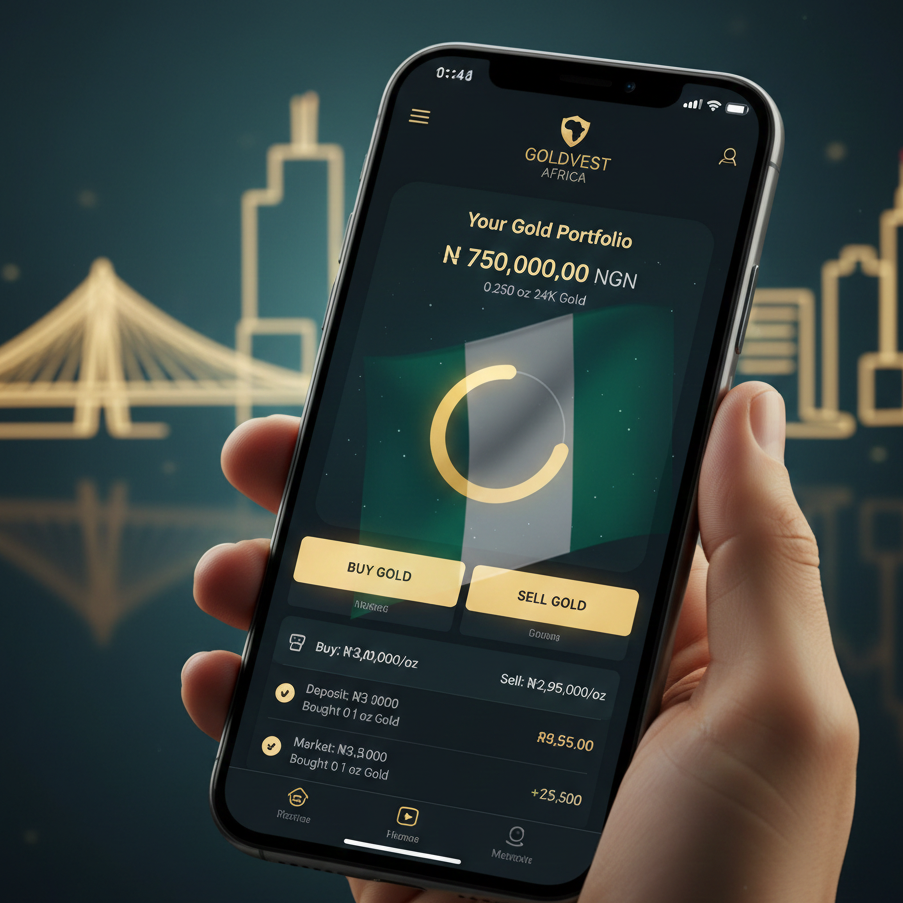
Image: Mobile app interface showing fractional gold ownership in Lagos, Nigeria
4. Challenges to Full Gold-Backed Currencies
- Limited Central Bank Gold Reserves: Most African central banks hold modest gold (e.g., South Africa: ~125 tonnes; Ghana: <10 tonnes).
- Liquidity Needs: Modern economies require flexible money supply—difficult under strict gold backing.
- Global Fiat Dominance: USD, EUR, and CNY dominate trade; switching is complex.
- Risk of Speculation: Poorly managed gold tokens can fuel black markets or lose trust.
5. Africa Gold Reserve’s Role
While Africa Gold Reserve does not issue currency, it supports the infrastructure that could enable gold-backed systems:
- Sources high-purity, compliant gold from Ghana, South Africa, and South Sudan
- Provides audit-ready supply for central banks, fintechs, or refineries
- Ensures gold is ethically sourced and traceable—critical for credible backing
Conclusion
Africa does not yet have a true gold-backed currency—but gold-linked financial tools are emerging as practical alternatives. From Zimbabwe’s digital tokens to Ghana’s gold savings accounts, the continent is experimenting with ways to harness its mineral wealth for monetary resilience. For these systems to succeed, they require transparent, ethical gold supply chains—a role professional exporters like Africa Gold Reserve are positioned to fulfill.
Website: africagoldreserve.com
Email: sales@africagoldreserve.com