
Africa Gold Exporter Kenya – Photos, Operations, and Market Context
Kenya has emerged as a growing hub for gold trading and export in East Africa, with several licensed companies operating in Nairobi and mining regions like Kakamega and Narok. While Kenya’s official gold exports totaled $24.2 million in 2024 (ranking it 101st globally) [[7]], industry reports suggest actual volumes—including informal flows—may exceed 2 tonnes annually, with much gold sourced from neighboring countries like DRC and Uganda [[8]].
1. Licensed Gold Exporters in Kenya
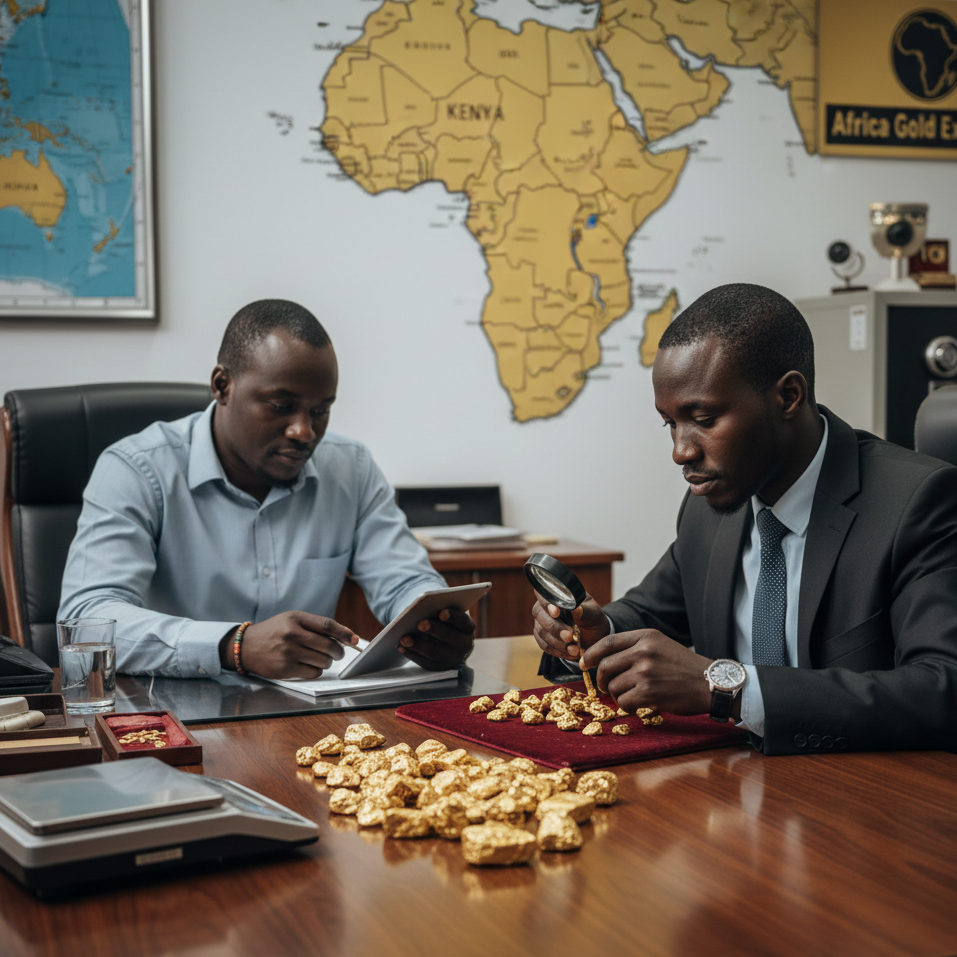
Several registered firms specialize in refining, assaying, and exporting gold:
- Africa Gold Refinery & Exporters: Claims to be “East Africa’s largest gold refinery,” based in Nairobi’s Westlands Business Centre [[1]][[4]].
- Kerongwe and Sons: Holds a government mineral dealing license and offers smelting and global export services [[20]].
- Canacongo Global Ltd.: Exports gold compliant with Bank of Kenya and customs regulations [[18]].
- Kengold: An artisanal mining company in Narok County focused on responsible extraction [[17]].
These companies typically serve international buyers via CIF or FOB terms, often targeting refiners in the UAE, India, and Turkey.
2. Available Photos and Visual Documentation
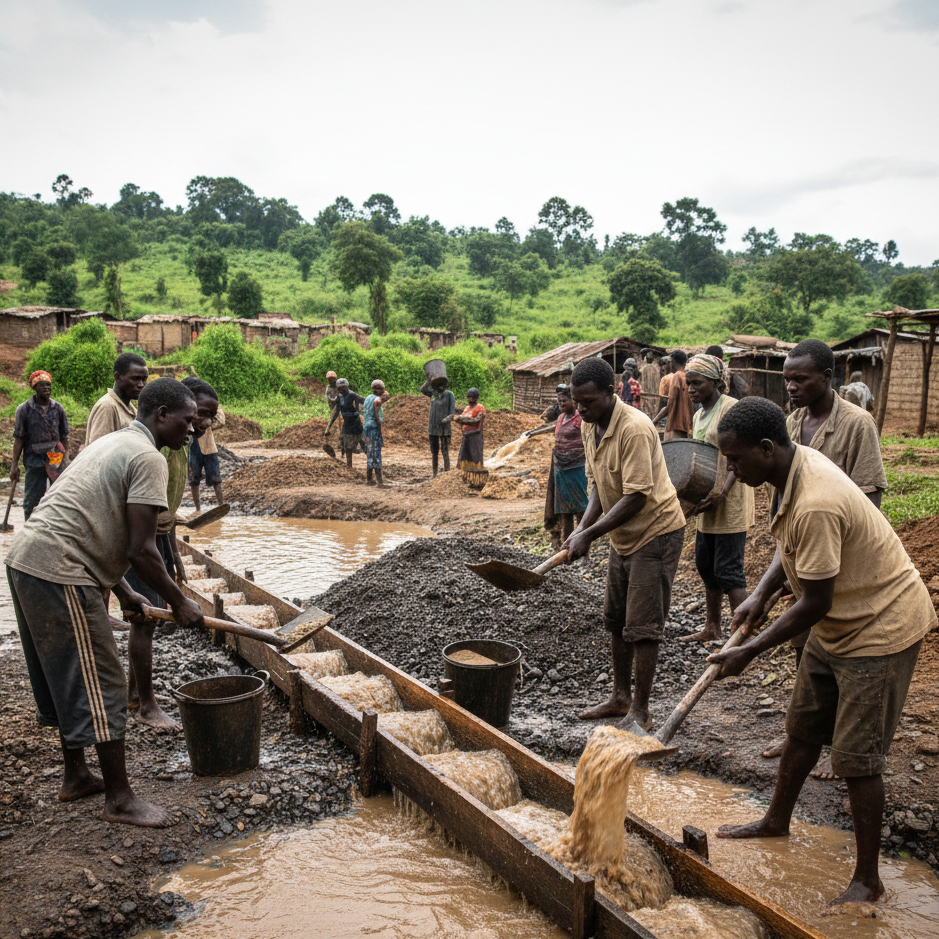
Publicly available images of Kenya’s gold sector include:
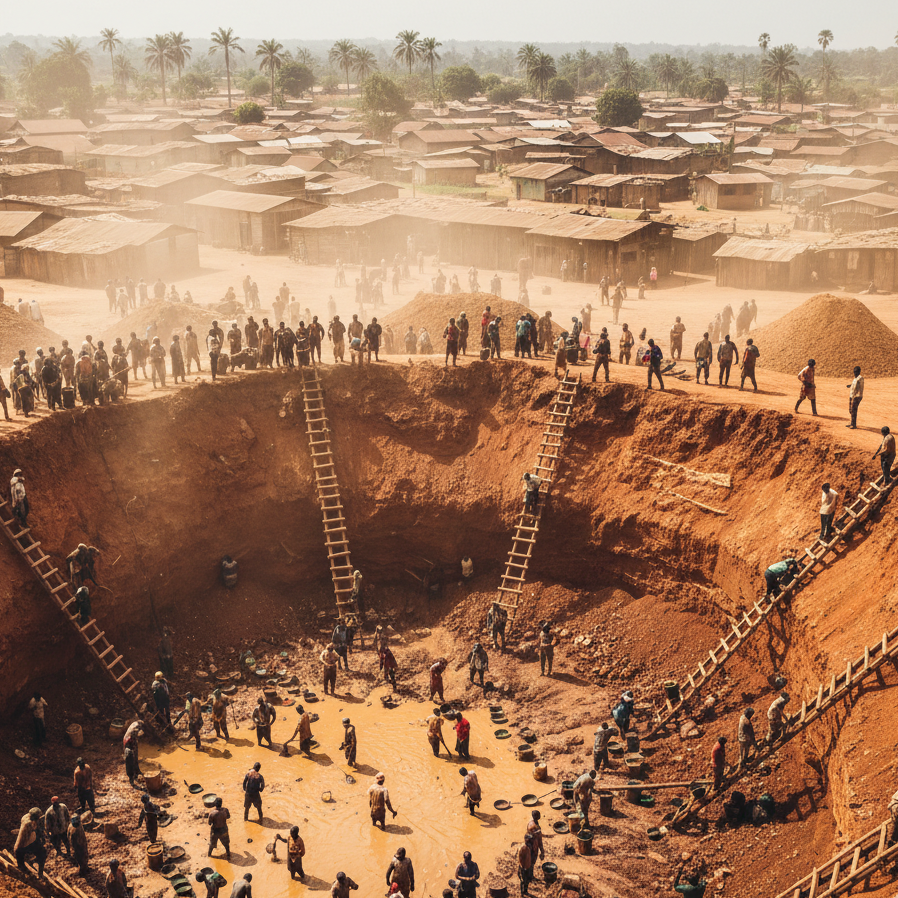
- Artisanal mining operations in Kakamega and Narok counties [[21]][[26]]
- Gold bars and nuggets displayed by exporters in Nairobi [[15]]
- Refinery and assaying labs operated by private firms [[19]]
- Government mining events, such as Mining Week exhibitions [[27]]
Stock photo platforms like Getty Images and Dreamstime host over 100 verified images of gold mining in Kenya, showing panning, small-scale digging, and processing activities [[21]][[22]].
3. Ethical and Compliance Considerations
Kenya’s gold trade faces scrutiny due to:
- Transit of smuggled gold from conflict-affected regions in Central Africa [[8]]
- Limited local production—most exported gold is re-exported or informally imported
- Need for stronger traceability under OECD Due Diligence Guidance
Reputable exporters emphasize compliance, providing:
- Assay certificates
- Export permits from the Ministry of Mining
- Chain-of-custody documentation
However, buyers must conduct rigorous due diligence to avoid conflict-linked material.
4. Africa Gold Reserve’s Position
While Africa Gold Reserve operates in Ghana, South Africa, South Sudan, and the UK, it does not currently list Kenya as an operational jurisdiction. The company focuses on sourcing directly from licensed mines and registered small-scale miners in countries with mature regulatory frameworks.
For Kenyan-sourced gold, institutional buyers should verify:
- Valid mineral dealer licenses
- Proof of origin (not just transit)
- Alignment with LBMA Responsible Gold standards
Conclusion
Photos and records confirm Kenya’s active role in East Africa’s gold trade—but much of its export volume stems from regional aggregation, not domestic production. For ethical sourcing, buyers must prioritize transparency, licensing, and origin verification. Companies like those in Nairobi offer services, but only material with full documentation meets global compliance standards.
Note: Always request official photos and documentation directly from licensed exporters—not third-party social media posts, which may lack verification.
Website: africagoldreserve.com
Email: sales@africagoldreserve.com