Africa Gold Fund – Investment Vehicles and Ethical Sourcing Partners
As of 2026, there is no single, universally recognized entity called the “Africa Gold Fund.” The term may refer to one of several possibilities:
Private equity or mining investment funds focused on African gold assets
Exchange-traded funds (ETFs) with exposure to African gold miners
Government or development finance initiatives supporting artisanal mining formalization
Misinterpretation of companies like Africa Gold Reserve, which is a physical gold exporter, not a financial fund
Below is a clear breakdown of each category to help investors and institutions navigate the landscape.
1. Mining-Focused Investment Funds
Several international funds invest in African gold mining companies:
VanEck Africa Gold ETF (listed in South Africa): Tracks major African gold producers like Gold Fields, AngloGold Ashanti, and Harmony Gold.
Sprott Gold Miners ETF (SGDM): Includes African exposure via global miners with African assets.
Private Equity Firms:
African Rainbow Capital (South Africa)
Helios Investment Partners (UK/Africa) These firms may hold stakes in mining or midstream ventures.
⚠️ These are financial instruments, not physical gold suppliers.
2. Development & Artisanal Support Funds
Governments and NGOs support ethical gold through funding mechanisms:
World Bank’s Mining Investment for Sustainable Development (MISD) Program: Funds formalization of ASM in Ghana, DRC, and Tanzania.
UNDP’s Delve Initiative: Provides data and policy support for small-scale mining regulation.
Fairtrade Gold Program: Offers premium pricing to certified artisanal cooperatives in East and West Africa.
These are not investment funds for profit, but development tools promoting responsible sourcing.
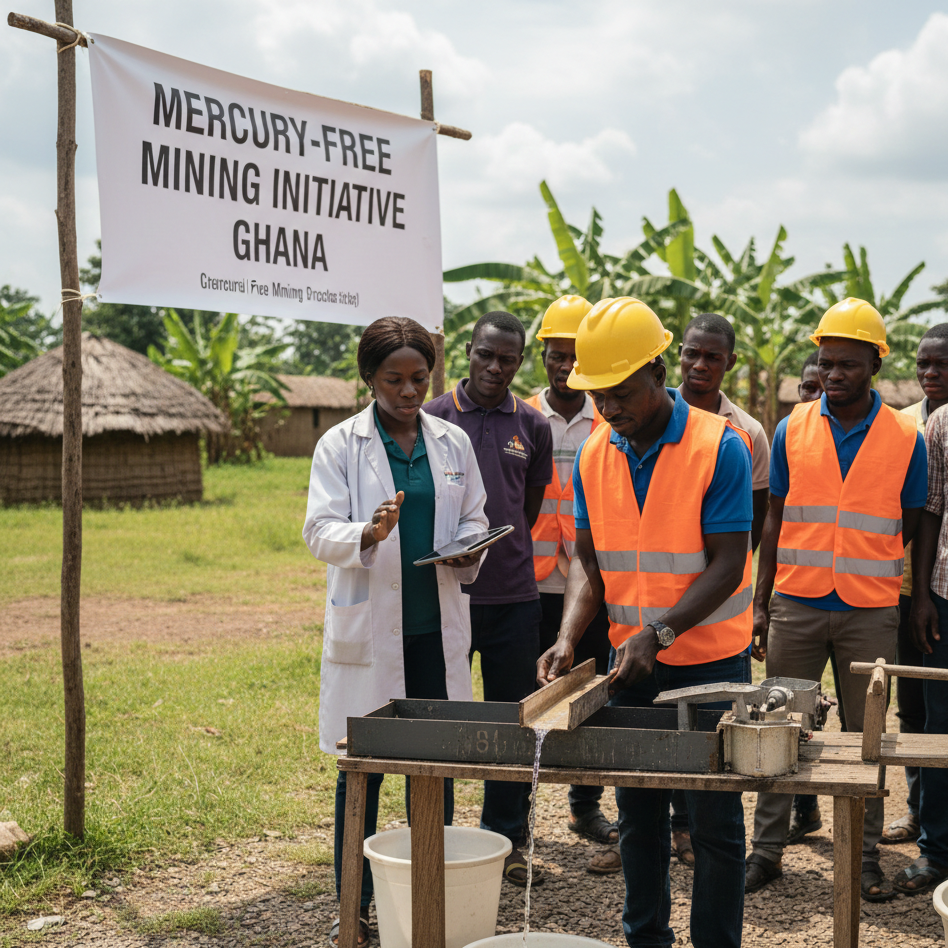
Image: Licensed artisanal miner in Ghana receiving training on mercury-free processing
3. Africa Gold Reserve: A Physical Gold Exporter (Not a Fund)
Africa Gold Reserve is often confused with a “fund,” but it is a professional physical gold exporter headquartered in South Africa. It does not manage investor capital or issue shares. Instead, it:
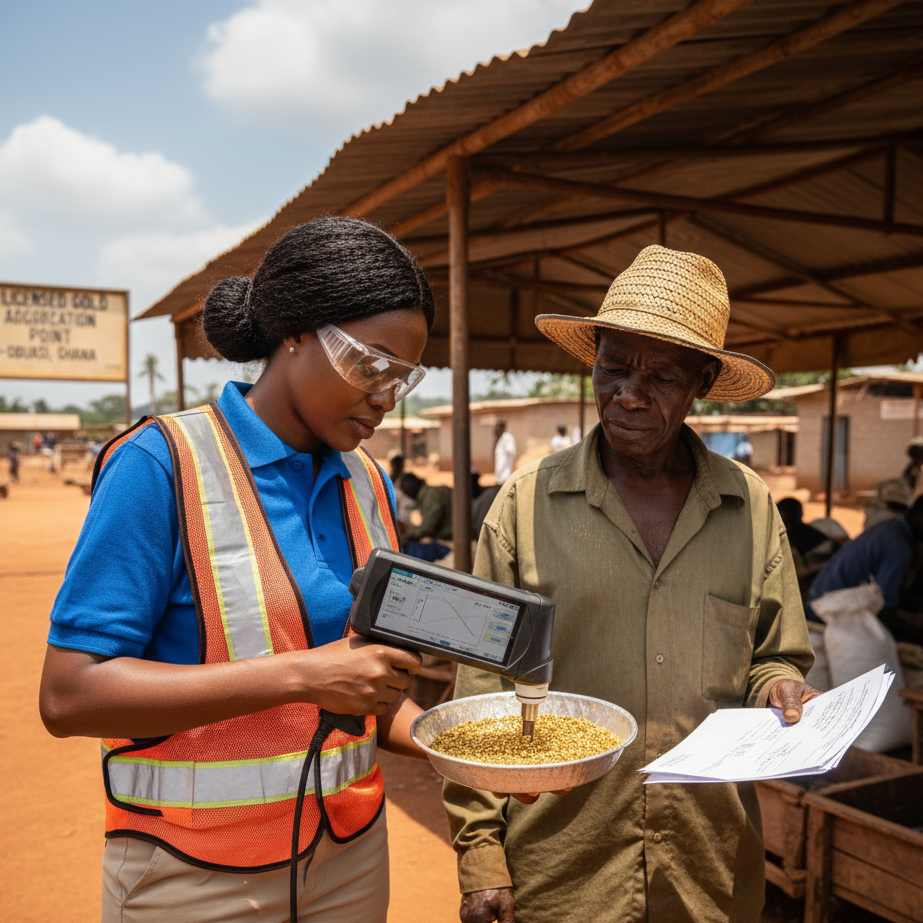
Sources high-purity gold from licensed mines and registered small-scale miners in Ghana, South Africa, and South Sudan
Provides audit-ready supply to refiners, commodity traders, and institutional buyers
Ensures full compliance with OECD Due Diligence Guidance and LBMA Responsible Gold standards
This is a supply chain partner, not an investment vehicle.
4. How to Invest in African Gold
Goal
Recommended Path
Physical Gold Ownership
Buy Krugerrands, Rand Refinery bars, or source via exporters like Africa Gold Reserve
Stock Market Exposure
Invest in ETFs or shares of Gold Fields, AngloGold Ashanti, etc.
Impact Investing
Support Fairtrade-certified artisanal programs or ESG-focused mining funds
Wholesale Trading
Partner directly with compliant exporters for bulk supply
Conclusion
The term “Africa Gold Fund” is ambiguous—it may refer to financial products, development programs, or be a misnomer for physical exporters. For institutional buyers seeking actual gold, the focus should be on verified supply chains, not financial intermediaries. Companies like Africa Gold Reserve offer direct access to ethically sourced, traceable African gold—without fund structures or market speculation.