
Africa Gold Mountain: Myth, Geology, and Mining Reality
There is no single mountain in Africa officially named “Gold Mountain.” However, the term is sometimes used informally to describe gold-rich regions or hills where significant deposits have been found—particularly in West and Southern Africa. More often, it appears in marketing, folklore, or poetic references to Africa’s vast mineral wealth. For professional buyers and investors, understanding the geological reality behind the myth is key to responsible sourcing.
1. Real “Gold Mountains”: Key Gold-Bearing Regions
While not literally called “Gold Mountain,” several elevated or hilly areas in Africa are world-renowned for gold:
A. Obuasi, Ghana
- Home to one of the world’s deepest gold mines (over 2 km deep)
- Located in the Ashanti Region’s hilly terrain
- Historically known as a “mountain of gold” due to centuries of mining
B. Witwatersrand Ridge, South Africa
- A low escarpment near Johannesburg where gold was discovered in 1886
- The name Witwatersrand means “ridge of white waters” in Afrikaans
- This “ridge” sits atop the Witwatersrand Basin, the richest gold deposit ever found
C. Birimian Greenstone Belts (West Africa)
- Stretch across Ghana, Mali, and Burkina Faso
- Feature ancient volcanic hills and ridges rich in gold veins
- Local communities often refer to prominent outcrops as “gold hills”
2. Myth vs. Reality
- Myth: “Gold Mountain” implies a surface-level treasure trove.
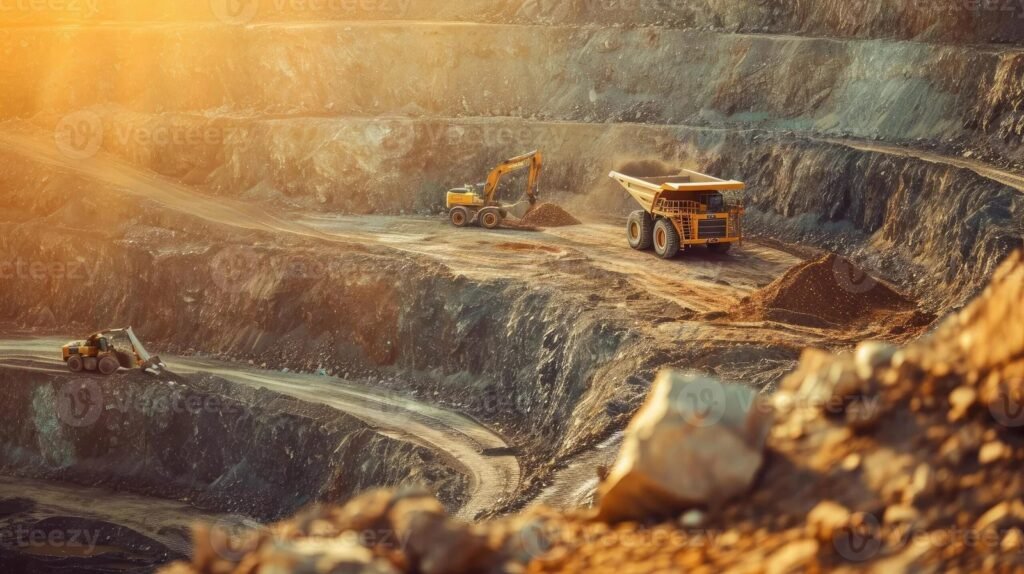
- Reality: Most African gold is deep underground or locked in hard rock, requiring advanced mining and processing.
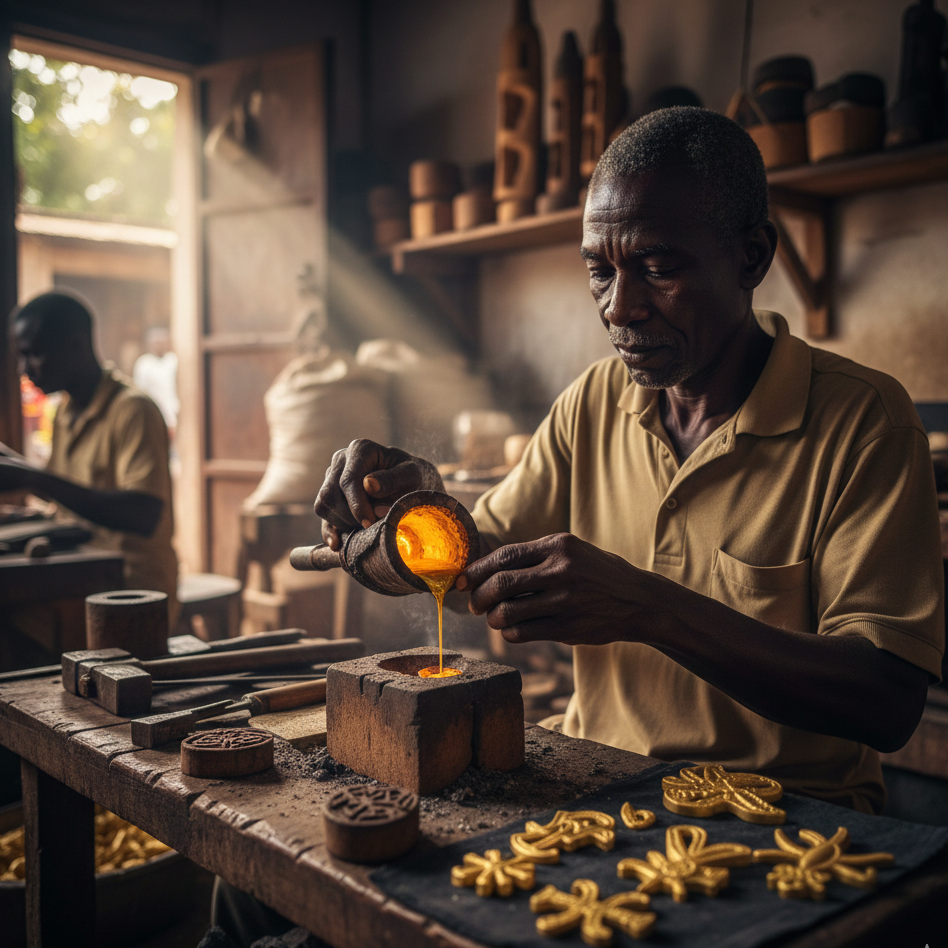
- Artisanal miners may pan for alluvial gold in rivers near hills, but large-scale production comes from industrial operations.
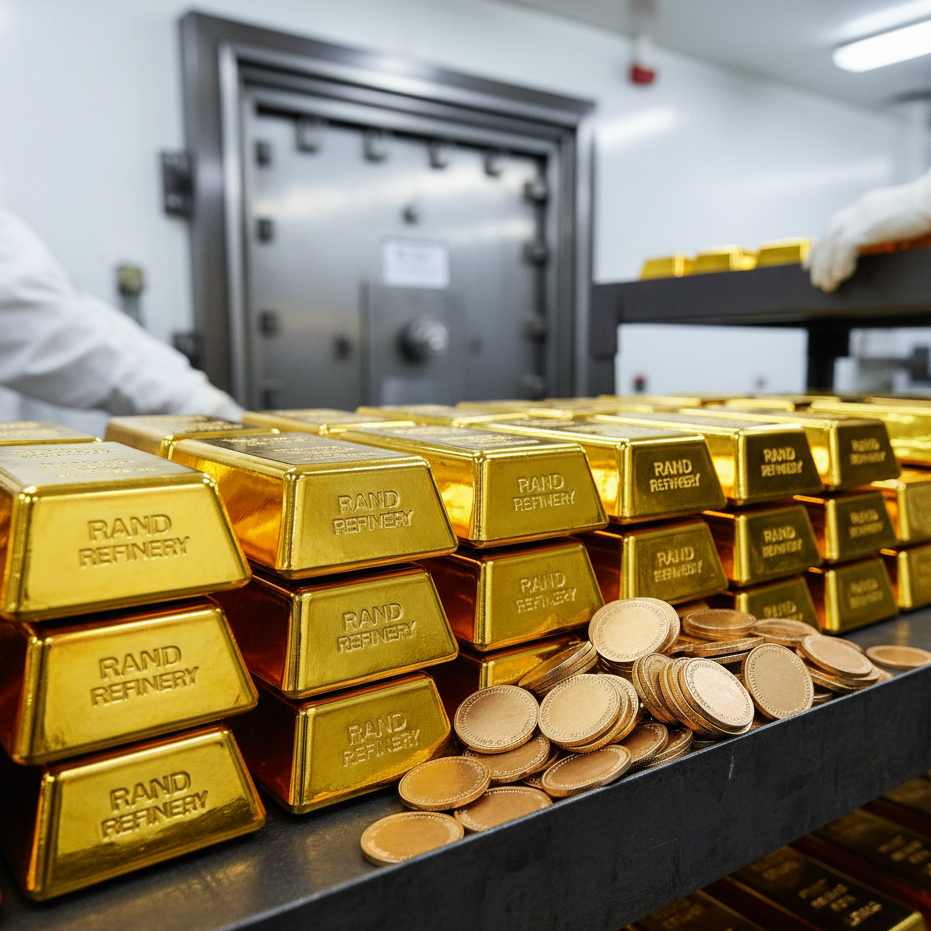
⚠️ Caution: Some sellers use names like “Gold Mountain” to market novelty bars or unverified gold—always verify origin and certification.
3. Ethical Sourcing from Gold-Rich Regions
Professional exporters like Africa Gold Reserve operate in these historic zones:
- Ghana: Sourcing from licensed miners in Obuasi and Tarkwa
- South Africa: Partnering with formal small-scale miners near the Witwatersrand
- South Sudan: Engaging vetted suppliers in emerging highland zones
All material is verified for legal origin, purity, and compliance with OECD Due Diligence Guidance.

4. Global Significance
Africa’s “gold mountains” are not literal peaks—but geological formations that have shaped global history:
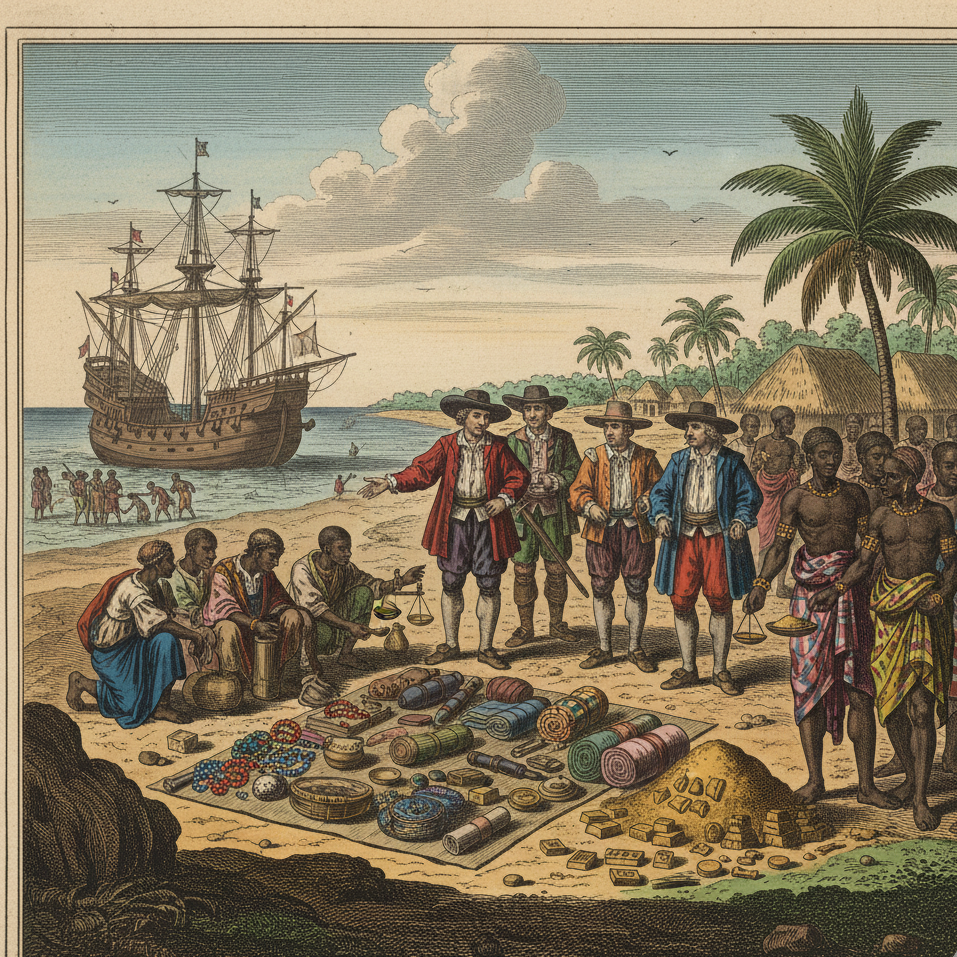
- Supplied gold to pharaohs, emperors, and empires
- Fueled trans-Saharan and Atlantic trade
- Continue to supply ~25% of the world’s annual gold output
Today, the value lies not in myth—but in traceable, responsibly sourced supply.
Conclusion
While there is no official “Africa Gold Mountain,” the continent’s gold-rich hills and basins—from Obuasi to the Witwatersrand—are real and strategically vital. For institutional buyers, the focus is on ethical access, not legend. Partnering with a professional exporter like Africa Gold Reserve ensures secure, compliant sourcing from these historic and geologically significant regions.
Website: africagoldreserve.com
Email: sales@africagoldreserve.com