Africa Gold Pendant for Sale – Cultural Beauty vs. Investment Reality
When searching for an “Africa gold pendant for sale,” you’ll find a wide range of options—from authentic artisan-crafted pieces to mass-produced fashion jewelry. While these pendants celebrate African heritage and artistry, it’s essential to distinguish between cultural/ornamental items and investment-grade gold. Most pendants are not bullion assets, and their value lies in design, symbolism, and craftsmanship—not melt value.
1. Types of African Gold Pendants
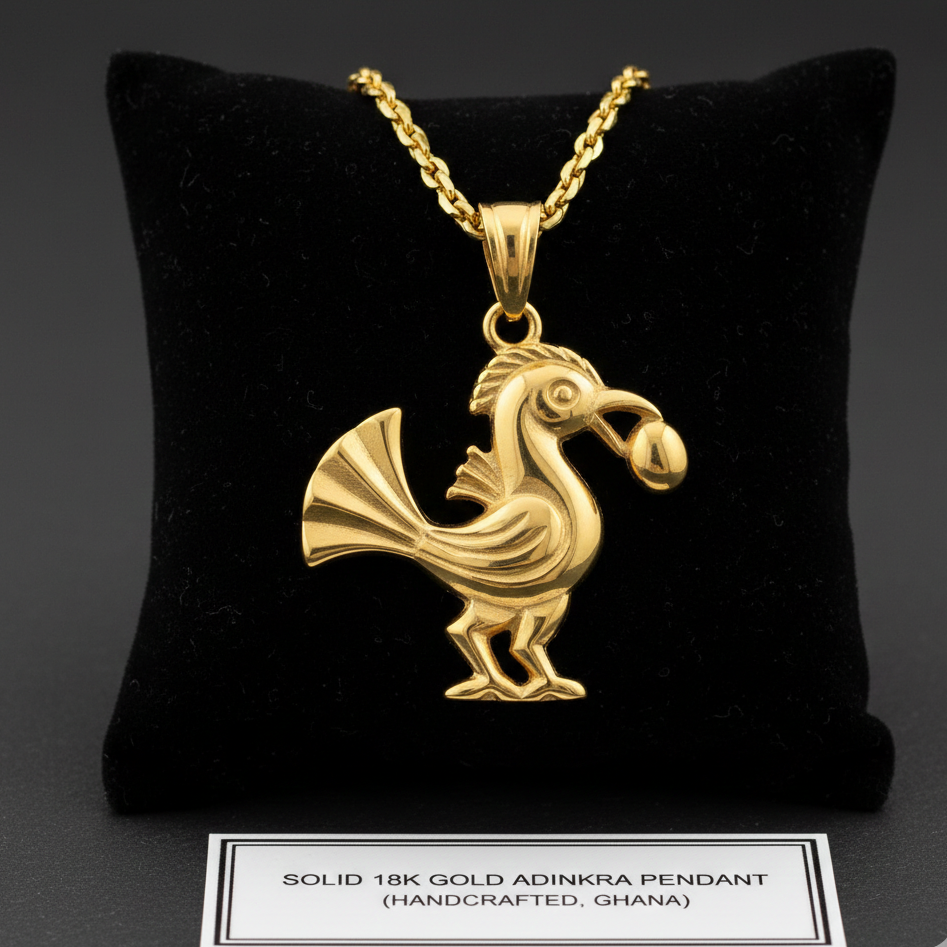
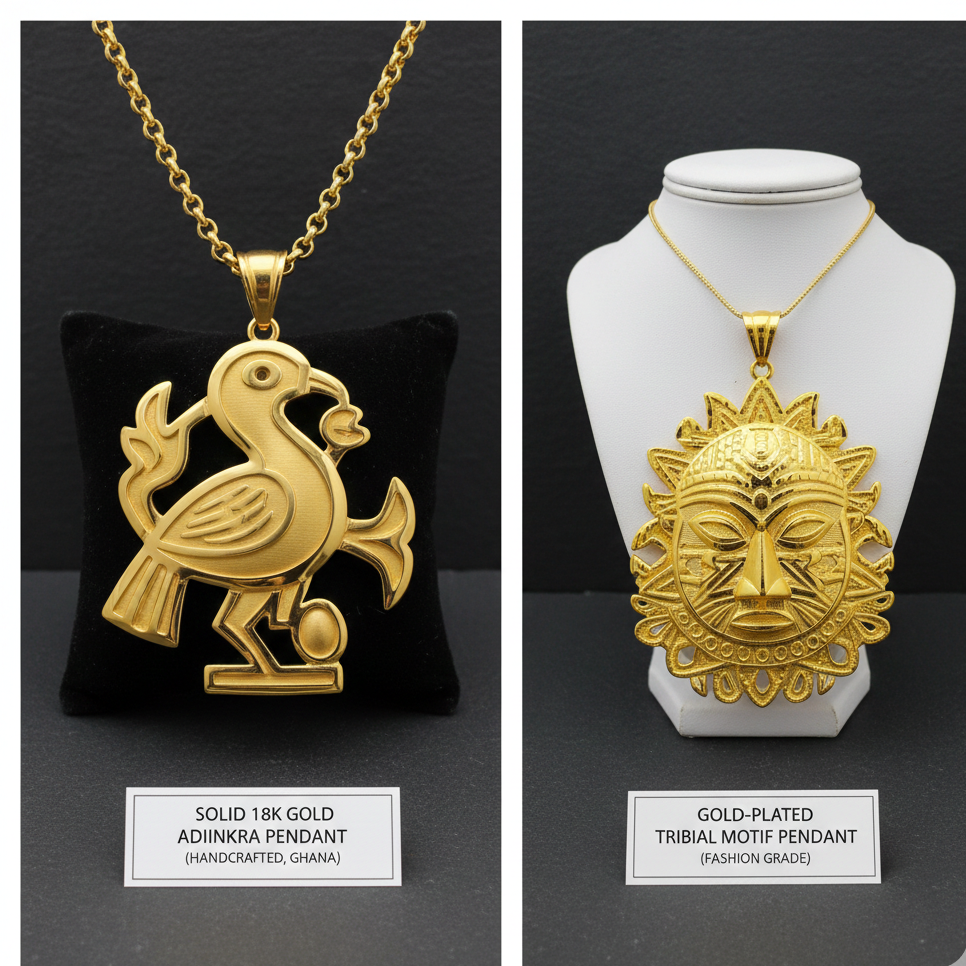
A. Solid Gold Pendants (Investment-Grade)
Made from 18K (75% gold) or 22K (91.6% gold)
Feature traditional symbols:
Adinkra (Ghana): Sankofa (learn from the past), Gye Nyame (supremacy of God)
Zulu/Ndebele (South Africa): Geometric patterns, love knots
Ethiopian Crosses: Intricate Orthodox Christian designs
Hallmarked with purity stamp (e.g., “750” or “916”)
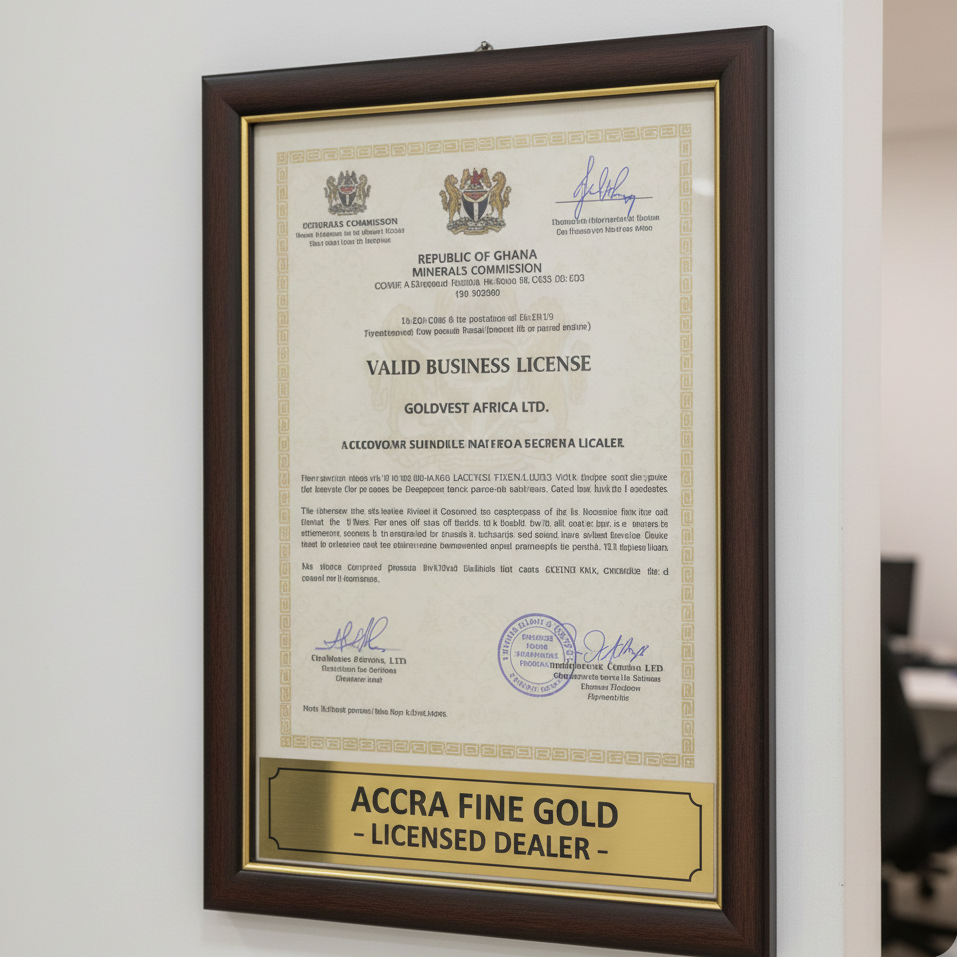
Sold by licensed jewelers in Johannesburg, Accra, Cape Town
💡 These hold both cultural and partial investment value—but still carry premiums over melt price.
B. Gold-Plated Pendants (Fashion Jewelry)
Base metal (brass, copper) coated with thin gold layer (<0.5 microns)
Often sold online or in tourist markets for $20–$100
Not suitable for investment—negligible gold content
May tarnish or fade with wear
⚠️ Many sellers misleadingly label these as “African gold”—always verify material.
Image: Gold-plated tribal motif pendant (fashion grade)
2. Where to Buy Authentic African Gold Pendants
✅ Reputable Sources:
Accredited Jewelers:
South Africa: Ornella, Gold Circle, Sandton City boutiques
Ghana: Akrafena Jewellery, Accra Arts Centre licensed vendors
Fair Trade Cooperatives: Support artisan groups with ethical labor practices
Certified Online Retailers: Look for assay certificates and return policies
❌ Avoid:
Unverified social media sellers
Street markets without hallmarking
Listings with no purity disclosure
3. Investment Considerations
Resale Value: Even solid gold pendants sell at 30–50% below melt value due to refining costs and design depreciation.
Better Alternatives for Gold Exposure:
Krugerrand coins (South Africa)
Rand Refinery bars (99.99% pure)
LBMA-certified bullion
Pendants should be purchased for cultural, spiritual, or aesthetic reasons—not financial gain.
4. Ethical Sourcing & Cultural Respect
To ensure your purchase supports communities:
Choose pendants made by local African artisans
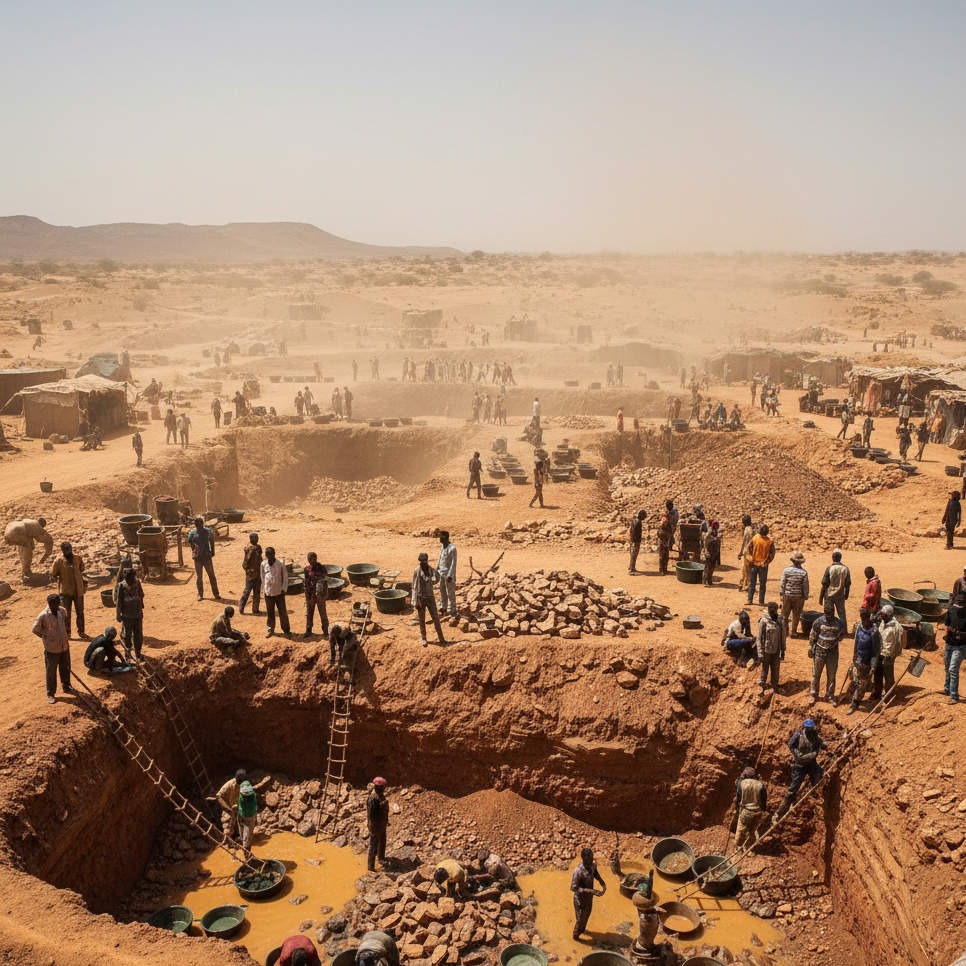
Verify gold is sourced from licensed mines (ask for origin)
Avoid culturally sacred symbols used out of context (e.g., royal regalia)
Companies like Africa Gold Reserve do not produce jewelry but focus on high-purity, ethically sourced gold that can eventually feed into responsible artisan supply chains.
Image: Artisan crafting a gold pendant in a workshop in Kumasi, Ghana
5. How to Verify Authenticity
Feature
Solid Gold
Gold Plated
Stamp
“750”, “916”, or “18K”
“GP”, “RGP”, or no stamp
Magnet Test
Non-magnetic
May stick (base metal)
Price
$300–$2,000+
$20–$100
Wear Over Time
Retains luster
Fades, reveals base metal
Conclusion
An Africa gold pendant for sale can be a meaningful symbol of heritage—but it is not a substitute for bullion. For cultural or gifting purposes, choose certified artisans. For financial exposure to gold, opt for Krugerrands or refined bars. And for institutional buyers sourcing raw material, partnering with a professional exporter like Africa Gold Reserve ensures ethically verified gold from Africa’s most trusted regions.