
Africa Gold Production by Country: A Guide for U.S. Buyers and Global Traders
Africa is home to some of the world’s most significant gold reserves, producing over 900 tonnes annually—nearly one-quarter of global mine output. However, production is not evenly distributed. A handful of countries dominate the continent’s output, each with distinct regulatory environments, mining practices, and export capabilities. For U.S. buyers, refiners, and institutional investors engaged in international gold trading, understanding Africa’s production landscape by country is essential to sourcing compliant, traceable, and ethically verified gold.
Industry Context
Africa’s gold sector has evolved from informal artisanal activity toward formalized, regulated supply chains. Governments are increasingly mandating digital licensing, real-time transaction reporting, and third-party verification to align with global standards like the OECD Due Diligence Guidance and LBMA Responsible Gold Guidance. These reforms have created a clear divide: on one side, high-risk undocumented material; on the other, legally sourced gold with full chain-of-custody documentation.
For professional African gold exporters, this shift presents an opportunity to connect verified local production with global demand—particularly from the United States, where ESG compliance and anti-money laundering (AML) regulations require auditable provenance.
Regional Perspective
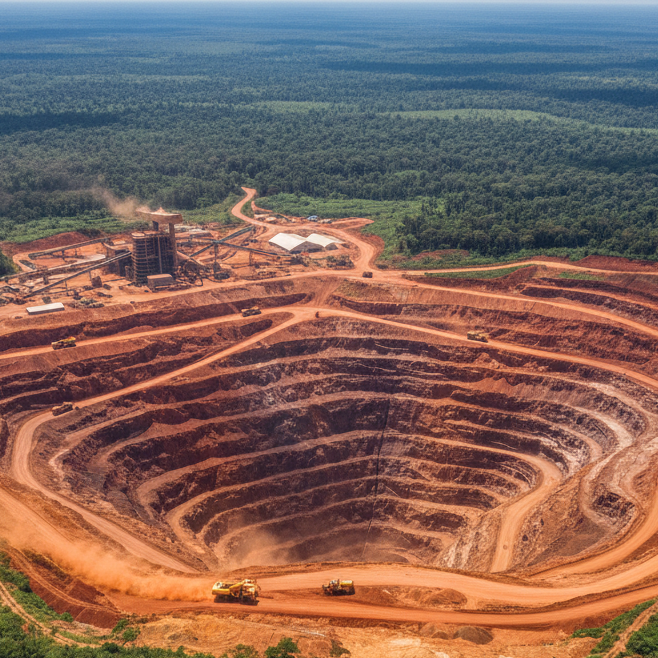
Africa’s gold production is concentrated in a few key countries:
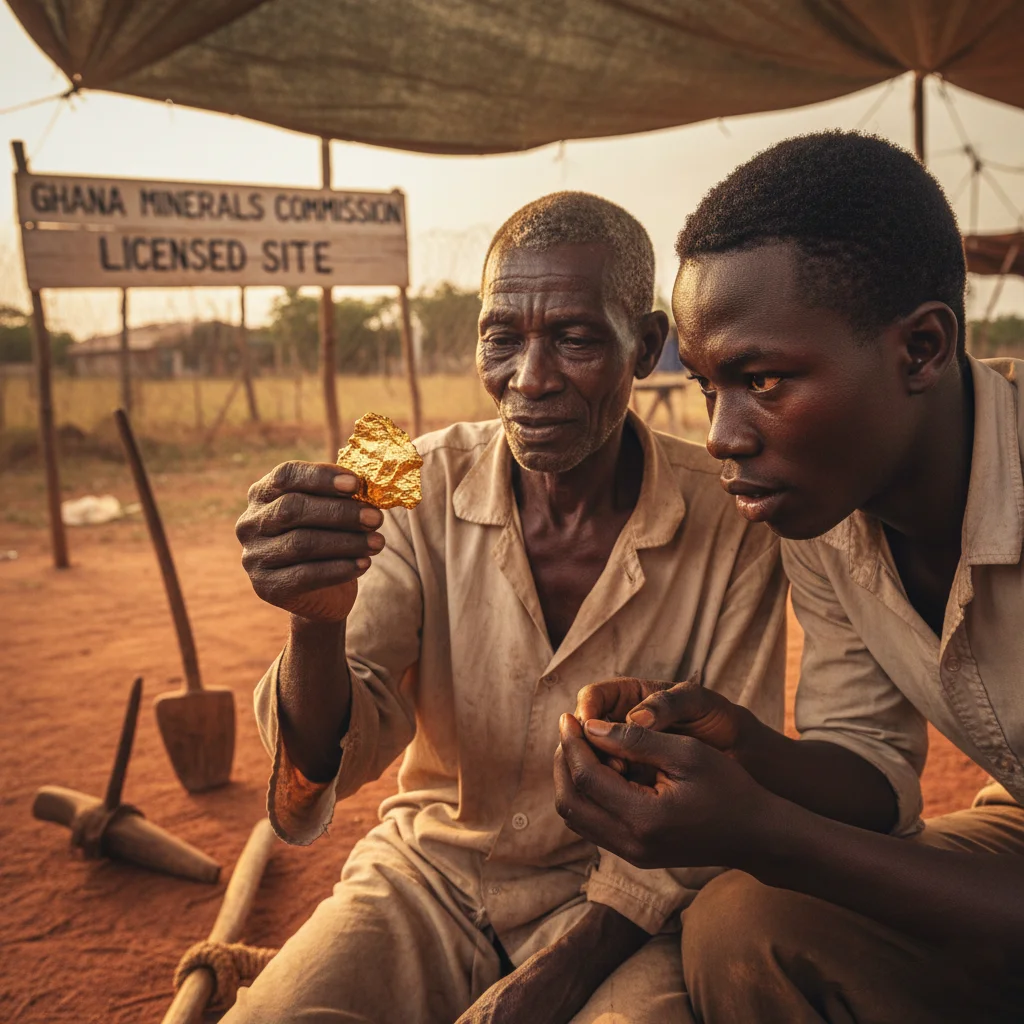
- Ghana is the continent’s top producer, with output exceeding 6 million ounces in 2025. The government enforces mandatory reporting through the Precious Minerals Marketing Company (PMMC), making gold export from Ghana one of the most transparent channels in West Africa.
- South Africa, though past its historical peak, remains a technical and logistical hub. It hosts deep-level mines, advanced refining infrastructure, and a robust legal framework under the Mining Charter. Licensed aggregators ensure consistent flows from small-scale miners, reinforcing the credibility of South Africa gold exporters.
- Mali and Burkina Faso are rising stars in the Birimian Greenstone Belt, attracting billions in investment due to high-grade deposits. While security challenges persist in northern zones, southern corridors remain stable and well-serviced.
- South Sudan is an emerging producer with vast alluvial and hard-rock potential. The government is actively developing its mining code and encouraging partnerships with vetted South Sudan gold suppliers committed to licensing and community engagement.
Other nations—such as Tanzania, Zimbabwe, and the Democratic Republic of Congo—contribute meaningfully but face greater regulatory or logistical hurdles that limit their role in compliant global supply chains.
Africa Gold Reserve’s Approach
Founded in 2015 and headquartered in South Africa, Africa Gold Reserve operates across Ghana, South Africa, South Sudan, and the United Kingdom. The company sources gold exclusively from licensed local mines, registered small-scale miners, and government-authorized sellers—never from informal or unverified networks.
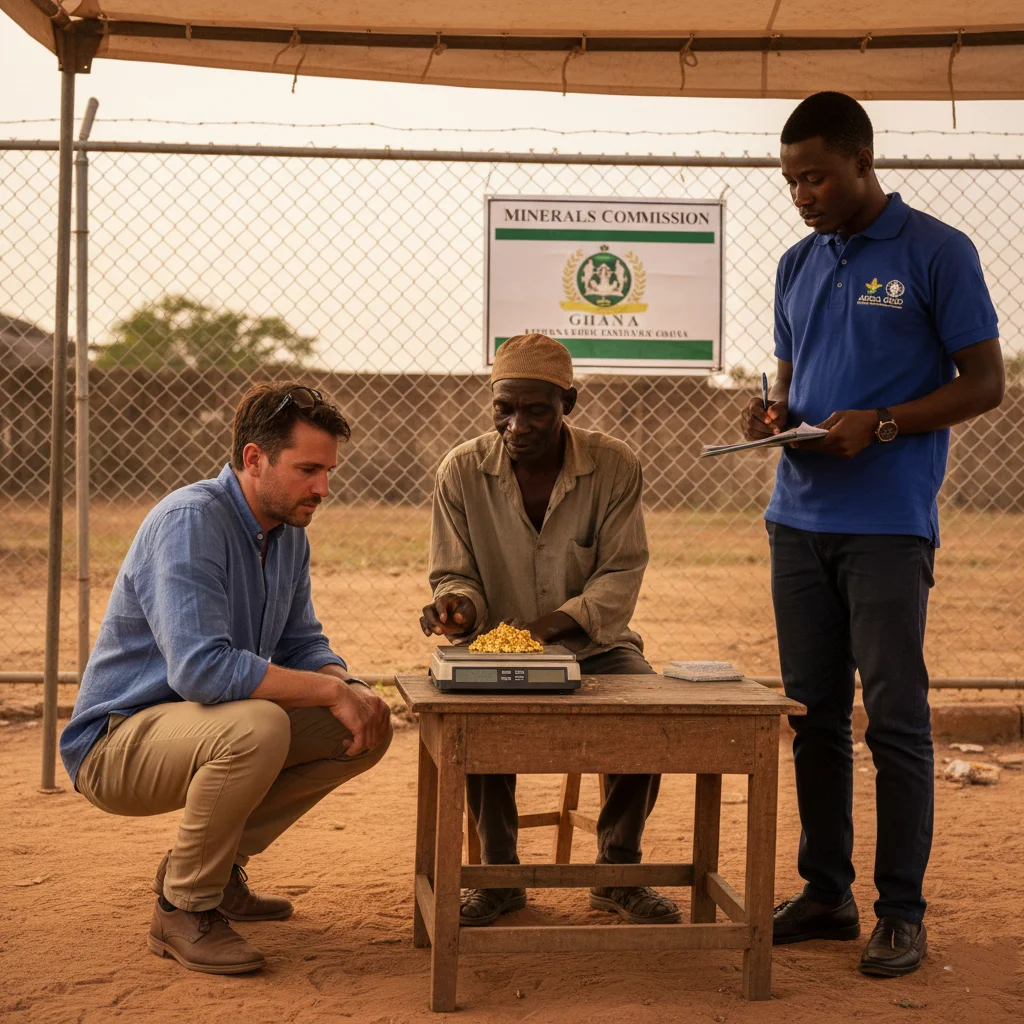
Its model emphasizes legal compliance, direct procurement, and digital traceability. By validating permits, conducting on-site assays, and maintaining tamper-proof records, Africa Gold Reserve ensures alignment with both national laws and international due diligence expectations—a critical requirement for U.S. and European buyers.
Buying and Export Process
Africa Gold Reserve follows a disciplined, secure workflow:
- Seller Verification: Only individuals or entities holding valid national mining or trading licenses are accepted.
- On-Site Assay: Gold purity is tested immediately upon receipt; results are GPS-tagged and timestamped.
- Digital Documentation: Each batch receives a unique identifier linked to seller details, weight, purity, and location.
- Secure Consolidation: Material is transported under armed escort to bonded facilities.
- Export Execution: Shipments depart via secure air or sea freight along established trade routes—including South Sudan to UAE, Ghana to the United States, and South Africa to China.
This end-to-end control ensures that U.S.-bound gold carries full provenance—critical for compliance with FTC and ESG mandates.
Global Demand
Demand for responsibly sourced African gold is rising among:
- U.S. institutional investors seeking non-dollar reserve assets
- Refiners in New York, Miami, and Los Angeles requiring LBMA-compliant input
- Jewelry brands responding to consumer demand for ethical transparency
In this environment, the ability to buy gold from Africa through verified channels is not just a compliance requirement—it’s a strategic advantage in global markets.
Why Buyers Work with Africa Gold Reserve
International clients choose Africa Gold Reserve because:
- It is a trusted gold exporter with boots-on-the-ground presence in Africa’s core producing regions.
- It provides documentation that satisfies OECD, LBMA, and U.S. import compliance requirements.
- It enables direct access to physical supply from compliant South Sudan gold suppliers, South Africa gold exporters, and transparent gold export from Ghana channels.
- It serves major client regions including the United States, UAE, China, Europe, Asia, and the Middle East.
The company does not engage in speculative trading or unbacked contracts. Its focus remains strictly on physical, verified gold from licensed sources.
Conclusion
Understanding Africa gold production by country is essential for U.S. buyers navigating today’s ethical and regulatory landscape. As global standards tighten, the value of gold is increasingly tied to its provenance. For refiners, commodity traders, and institutional investors seeking authentic, compliant supply, partnering with a professional exporter like Africa Gold Reserve offers a transparent, secure, and operationally disciplined gateway to one of the world’s most strategic mineral regions.
Website: africagoldreserve.com
Email: sales@africagoldreserve.com