
Africa Gold Production: Leading the Global Supply Chain with Ethical Sourcing
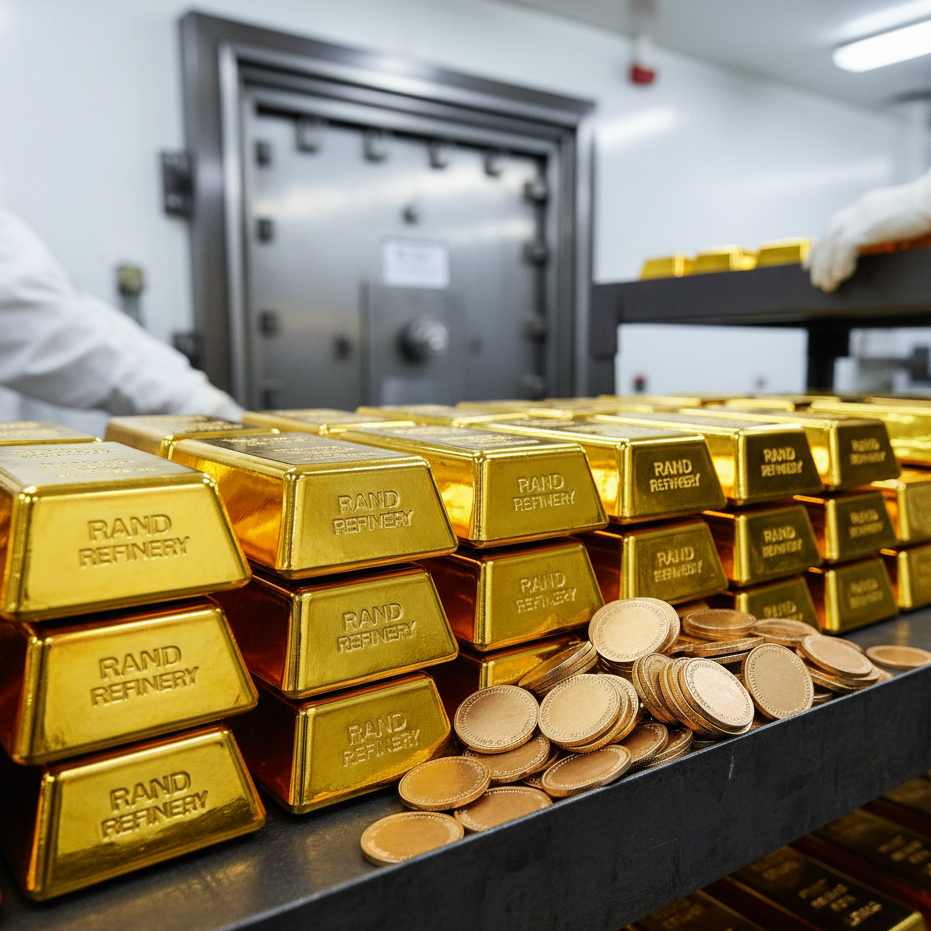
Africa is a dominant force in global gold production, contributing nearly 25% of the world’s annual output—approximately 900–950 tonnes per year as of 2026. The continent’s production is led by Ghana, followed by South Africa, Mali, and Burkina Faso, with emerging contributions from Tanzania, Côte d’Ivoire, and South Sudan. This output stems from both large-scale industrial mines and formalized small-scale operations, increasingly aligned with international ethical and compliance standards.
1. Top Gold-Producing Countries in Africa (2026 Estimates)
| Country | Annual Production (Tonnes) | Key Mining Regions |
|---|---|---|
| Ghana | ~190 | Ashanti, Western, Central (Birimian Belt) |
| South Africa | ~150 | Witwatersrand Basin (Gauteng, North West) |
| Mali | ~120 | Loulo, Fekola, Sadiola |
| Burkina Faso | ~115 | Houndé, Mana, Karma |
| Tanzania | ~50 | Geita, North Mara, Bulyanhulu |
| Others | ~325+ | Côte d’Ivoire, DRC, South Sudan, Zimbabwe |
Source: World Gold Council, national mining ministries, company reports
Image: Bar chart showing Africa’s top gold-producing countries by volume
2. Geological Foundations
- West Africa (Birimian Greenstone Belt):
- High-grade, near-surface deposits
- Ideal for open-pit and small-scale mining
- Accounts for over 60% of Africa’s output
- Southern Africa (Witwatersrand Basin):
- Deep-level, paleoplacer deposits
- Over 40,000 tonnes historically mined
- Still holds the world’s largest known reserves (~2,000+ tonnes)
3. Industrial vs. Small-Scale Production
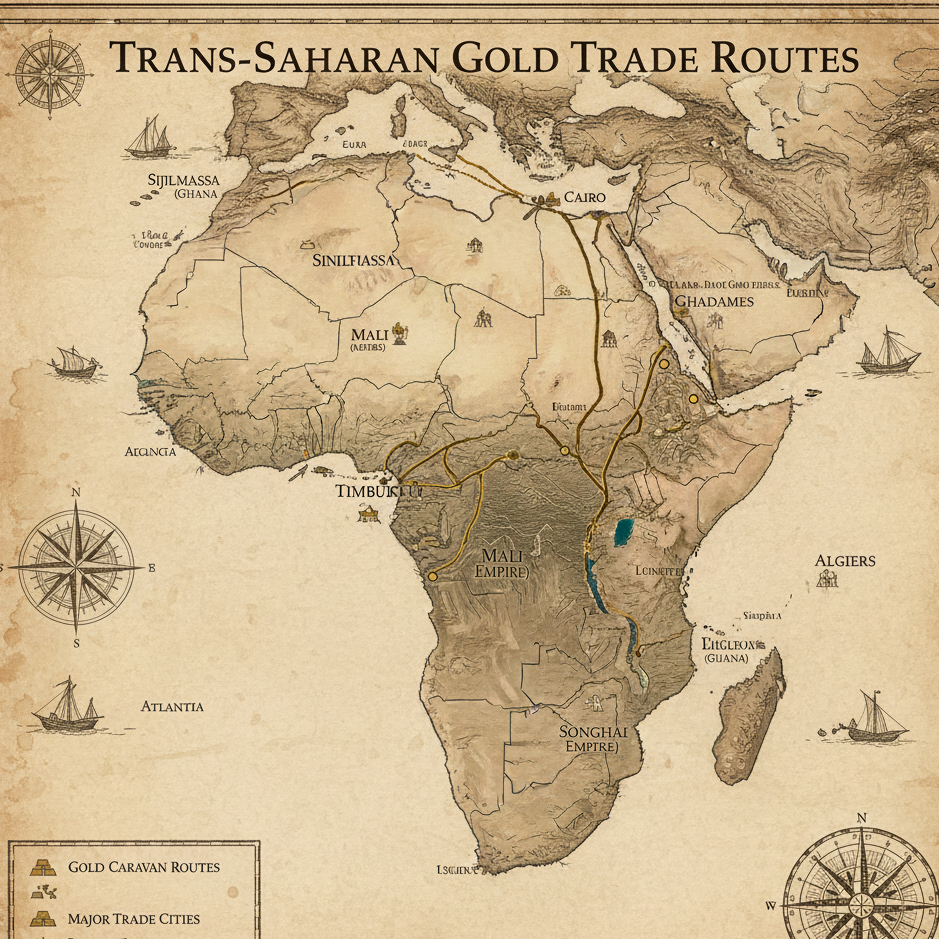
- Industrial Mines: Operated by majors like Gold Fields, AngloGold Ashanti, Barrick, and Harmony Gold—account for ~65% of output.
- Formalized Small-Scale Miners: Registered cooperatives (e.g., over 1,000 in Ghana) contribute ~30–35%, increasingly integrated into legal supply chains.
- Informal Miners: Estimated 5–10% of flow—but excluded from compliant markets due to lack of documentation.
4. Regulatory and Ethical Progress
Governments are strengthening oversight:
- Ghana: All licensed exports reported via PMMC (Precious Minerals Marketing Company)
- South Africa: Enforces FICA and Mining Charter compliance
- OECD Alignment: Major producers adhere to Due Diligence Guidance for responsible sourcing
This enables African gold to meet LBMA and global refiner requirements.
5. Africa Gold Reserve’s Role
Founded in 2015 and headquartered in South Africa, Africa Gold Reserve operates across Ghana, South Africa, South Sudan, and the UK. The company sources gold exclusively from:
- Licensed local mines
- Registered small-scale miners
- Government-authorized sellers
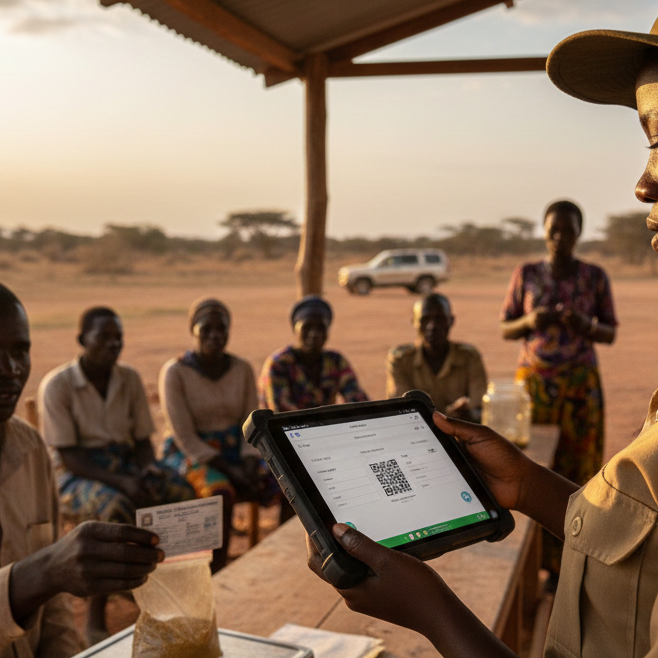
Each transaction includes on-site assaying, GPS-tagged documentation, and full chain-of-custody records—ensuring compliance with international standards.
Conclusion
Africa’s gold production combines geological abundance, growing regulatory clarity, and ethical formalization. For institutional buyers, the opportunity lies not just in volume—but in verified, traceable supply. Partnering with a professional exporter like Africa Gold Reserve ensures secure access to high-purity gold from the continent’s most strategic and responsible sources.
Website: africagoldreserve.com
Email: sales@africagoldreserve.com