
Africa Gold River: Alluvial Gold and Ethical Sourcing in Riverine Regions
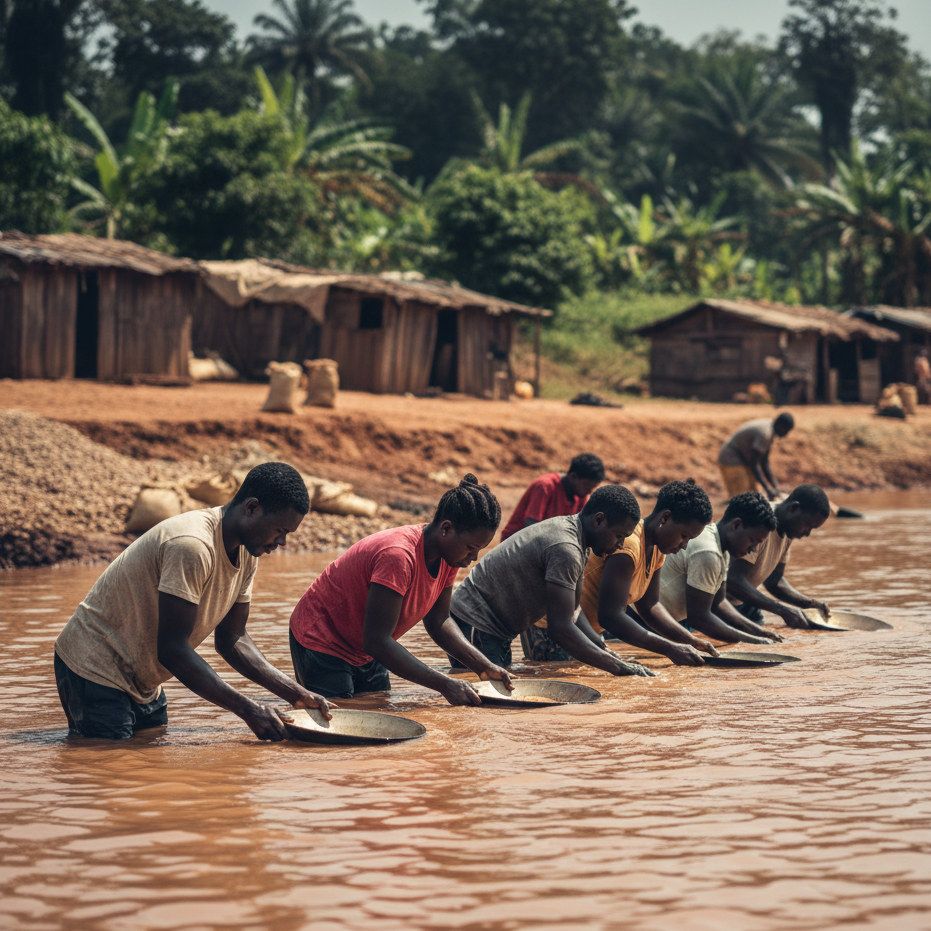
The term “Africa gold river” typically refers to rivers and waterways across the continent where alluvial (placer) gold is found—deposits formed when gold erodes from primary sources and settles in riverbeds, streams, and floodplains. These rivers have fueled artisanal mining for centuries and remain vital to local economies. However, sourcing gold from river systems requires rigorous due diligence to ensure environmental protection and compliance with international standards.
1. Major Gold-Bearing Rivers in Africa
A. West Africa – Birimian Belt Rivers
- Pra River (Ghana): Flows through the Ashanti Region; historically rich in alluvial gold.
- Offin River (Ghana): Near Obuasi; supports both small-scale and industrial operations.
- Bakoye and Bafing Rivers (Mali): Feed into the Senegal River; known for artisanal panning.
B. Southern Africa
- Vaal River (South Africa): Part of the Witwatersrand system; contains residual alluvial gold from ancient reefs.
- Limpopo River Basin: Alluvial deposits in Zimbabwe and South Africa.
C. Central & East Africa
- Ituri River (DRC): Northeastern DRC; high alluvial output but linked to conflict mineral risks.
- Wami River (Tanzania): Artisanal miners recover gold in Morogoro region.
2. Alluvial Gold Mining: Opportunities and Risks
- Opportunities:
- Low-tech, accessible to rural communities
- Can be formalized under government cooperatives
- Contributes significantly to national output (e.g., ~30% of Ghana’s gold)
- Risks:
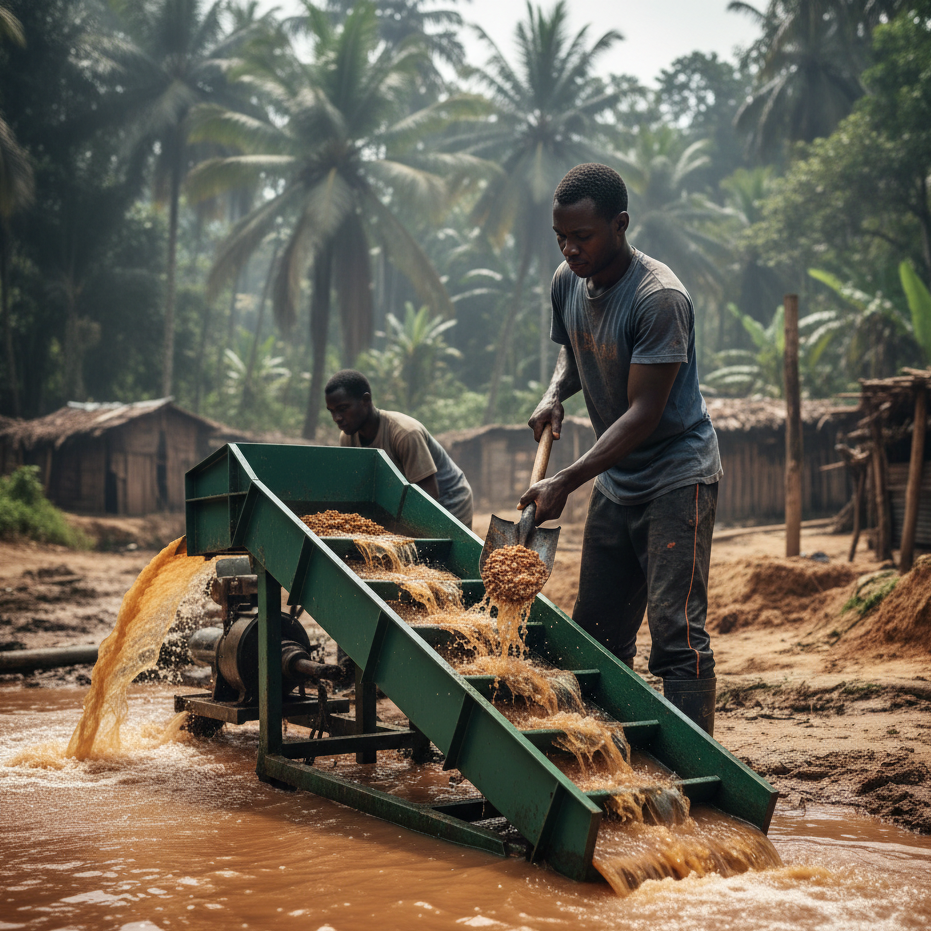
- Environmental damage: Mercury use, river siltation, deforestation
- Informal trade: Smuggling and lack of documentation
- Conflict links: In regions like eastern DRC
⚠️ Only gold from licensed, environmentally compliant river operations can enter ethical supply chains.
3. Formalization Efforts
- Ghana: Requires artisanal miners to register with the Minerals Commission; PMMC oversees legal exports.
- Mali & Burkina Faso: Promote mercury-free techniques and cooperative licensing.
- OECD Guidance: Mandates traceability from river source to export.
4. Africa Gold Reserve’s Role
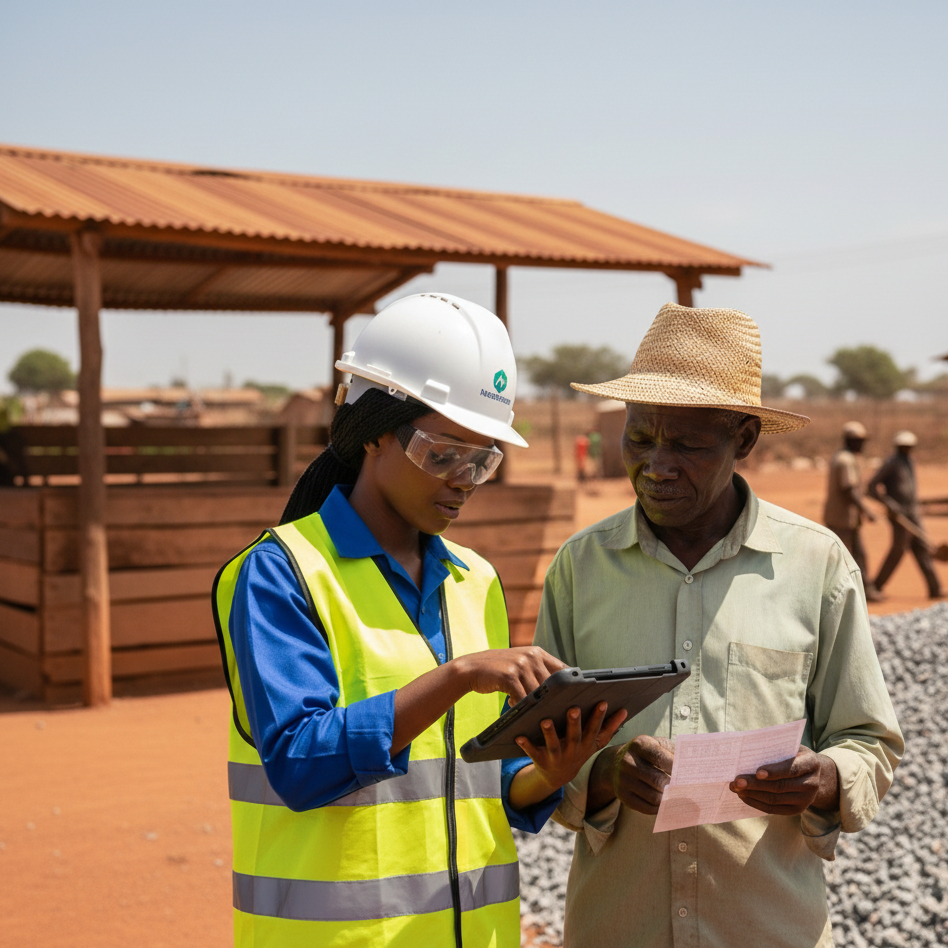
While Africa Gold Reserve does not mine rivers, it sources gold exclusively from:
- Licensed local mines (including alluvial operations)
- Registered small-scale miners with valid permits
- Government-authorized sellers
Every transaction includes:
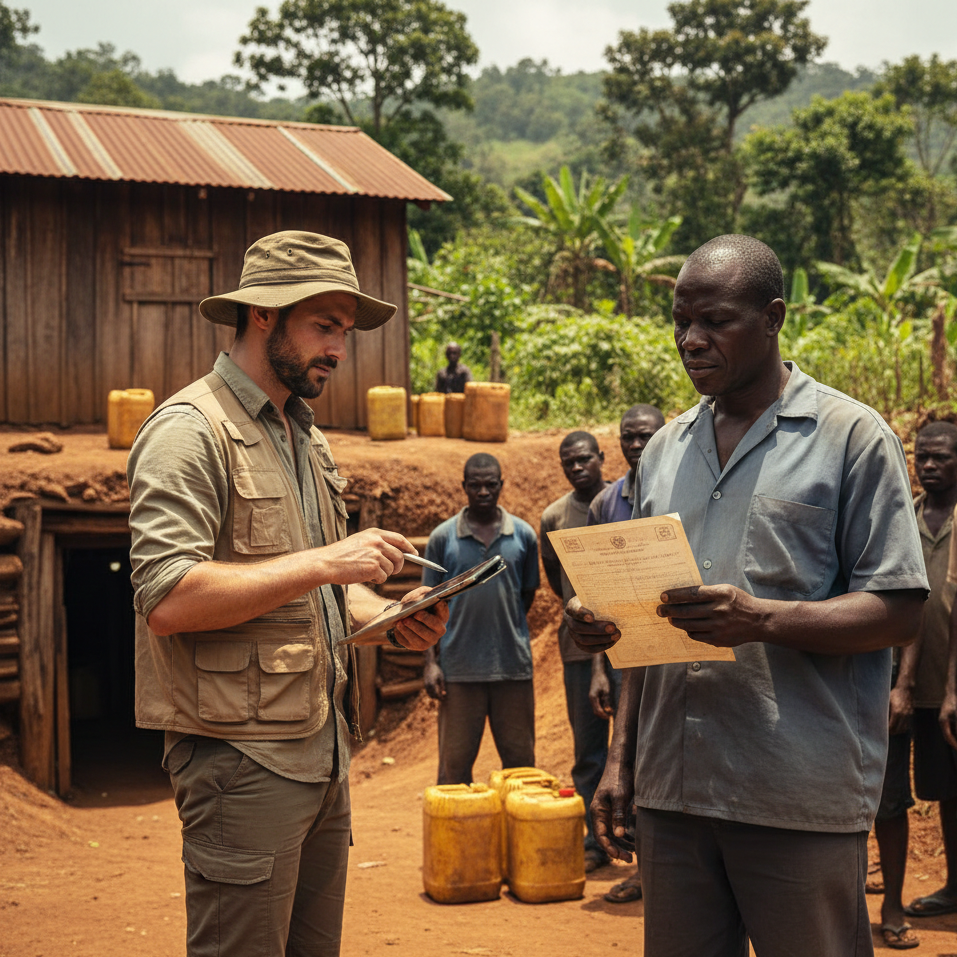
- On-site assaying (XRF/fire assay)
- GPS-tagged documentation of origin
- Full chain-of-custody records aligned with OECD Due Diligence Guidance
This ensures even river-sourced gold meets global ethical standards.
5. Global Buyer Considerations
Institutional buyers must verify:
- Proof of legal mining rights on river concessions
- Environmental compliance certificates
- Absence of child or forced labor
- Export permits and assay reports
Gold from unverified river sources—even if high-purity—is excluded from LBMA and major refiner networks.
Conclusion
“Africa gold river” represents both opportunity and responsibility. While rivers have sustained artisanal livelihoods for generations, modern ethical trade demands transparency, formalization, and environmental stewardship. Partnering with a professional exporter like Africa Gold Reserve ensures that alluvial gold—whether from the Pra, Vaal, or Ituri—is sourced legally, responsibly, and traceably.
Website: africagoldreserve.com
Email: sales@africagoldreserve.com