
Africa Gold Trade: From Ancient Routes to Modern Ethical Supply Chains
Africa’s gold trade has evolved from medieval caravan networks into a sophisticated, regulated global industry. Today, the continent produces nearly 25% of the world’s gold, with compliant supply chains connecting licensed miners in Ghana, South Africa, and beyond to refiners in Dubai, Zurich, and New York. For institutional buyers, understanding this transformation—from informal barter to auditable export—is key to sourcing responsibly and securely.
1. Historical Foundations
For over a millennium, gold shaped Africa’s role in global commerce:
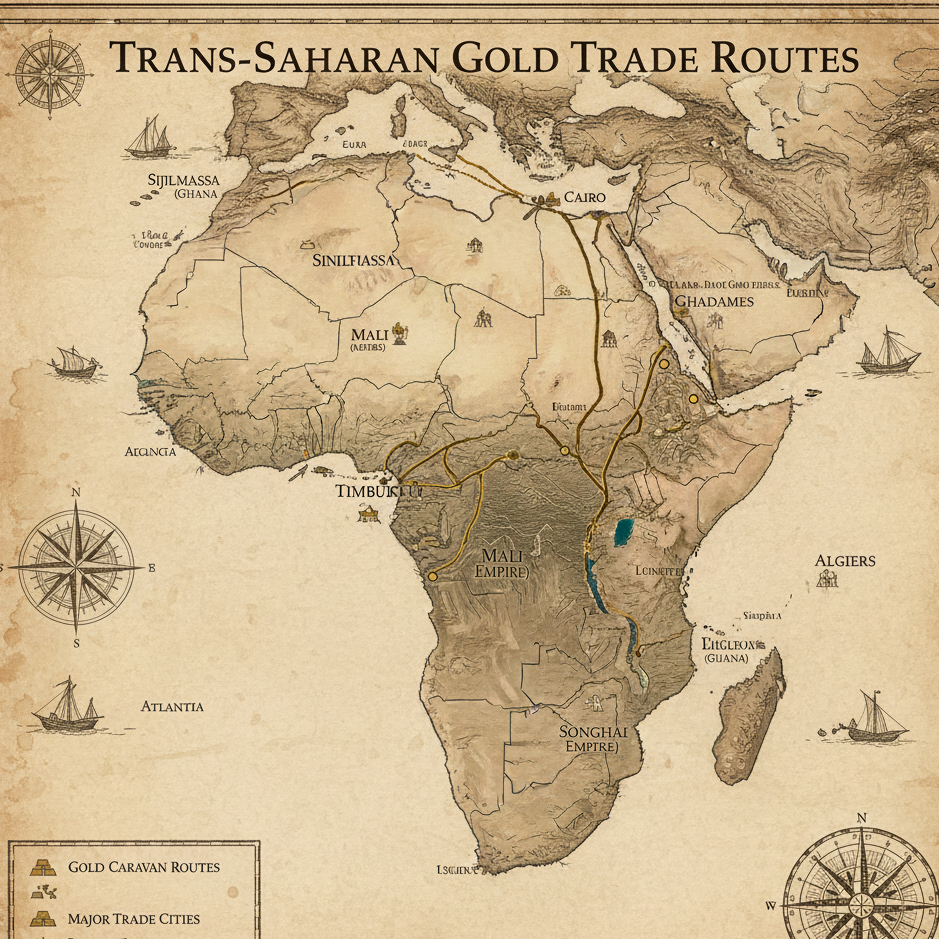
- The trans-Saharan trade (8th–16th centuries) linked West African gold fields (modern Ghana, Mali) with North African salt mines.
- Empires like Ghana, Mali, and Songhai rose on gold wealth, trading with Berber and Arab merchants.
- European powers later named the region the “Gold Coast”—a testament to its mineral abundance.
This legacy established Africa not just as a source of gold, but as a hub of economic innovation and cross-cultural exchange.
2. Modern Production and Export Hubs
As of 2026, Africa’s top gold-producing and exporting nations include:
- Ghana: ~6.2 million ounces/year – Africa’s top producer, with transparent gold export from Ghana via the PMMC.
- South Africa: ~4.8 million ounces/year – home to deep-level mines and the Rand Refinery.
- Mali & Burkina Faso: High-grade deposits in the Birimian Belt.
- South Sudan: Emerging frontier with formalizing regulations.
These countries supply gold to major markets including the UAE, United States, China, and Europe.
3. Compliance and Ethical Sourcing
Global standards now govern African gold trade:
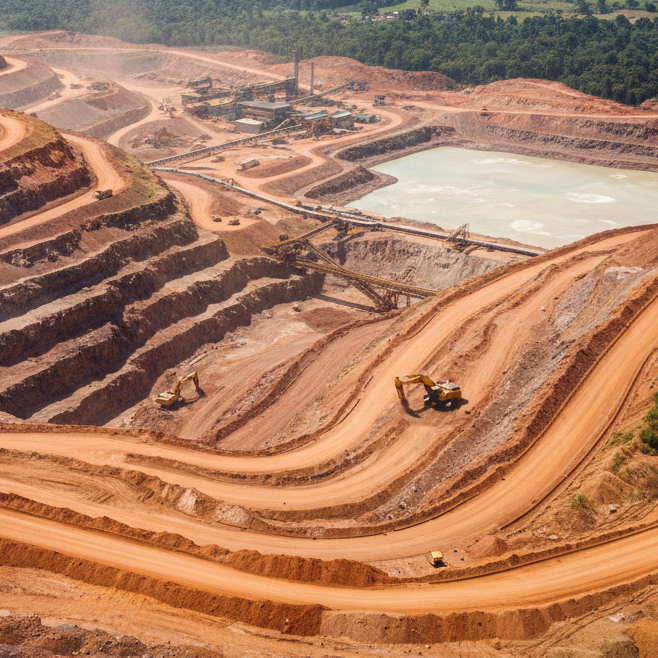
- OECD Due Diligence Guidance requires proof of legal mining, labor compliance, and environmental stewardship.
- LBMA Responsible Gold Guidance excludes undocumented or conflict-linked material.
- National frameworks (e.g., Ghana’s PMMC, South Africa’s FICA) enforce real-time reporting and licensing.
Only gold from licensed local mines, registered small-scale miners, and authorized sellers meets these criteria.
4. Africa Gold Reserve’s Role
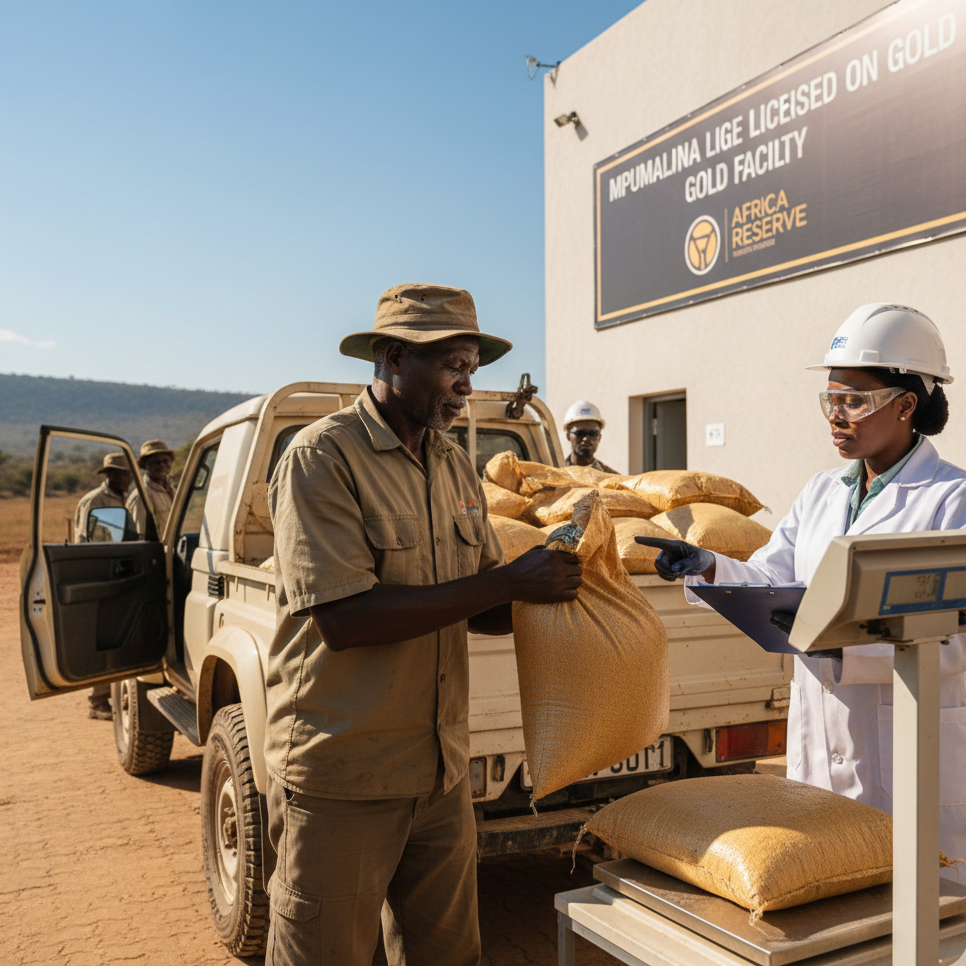
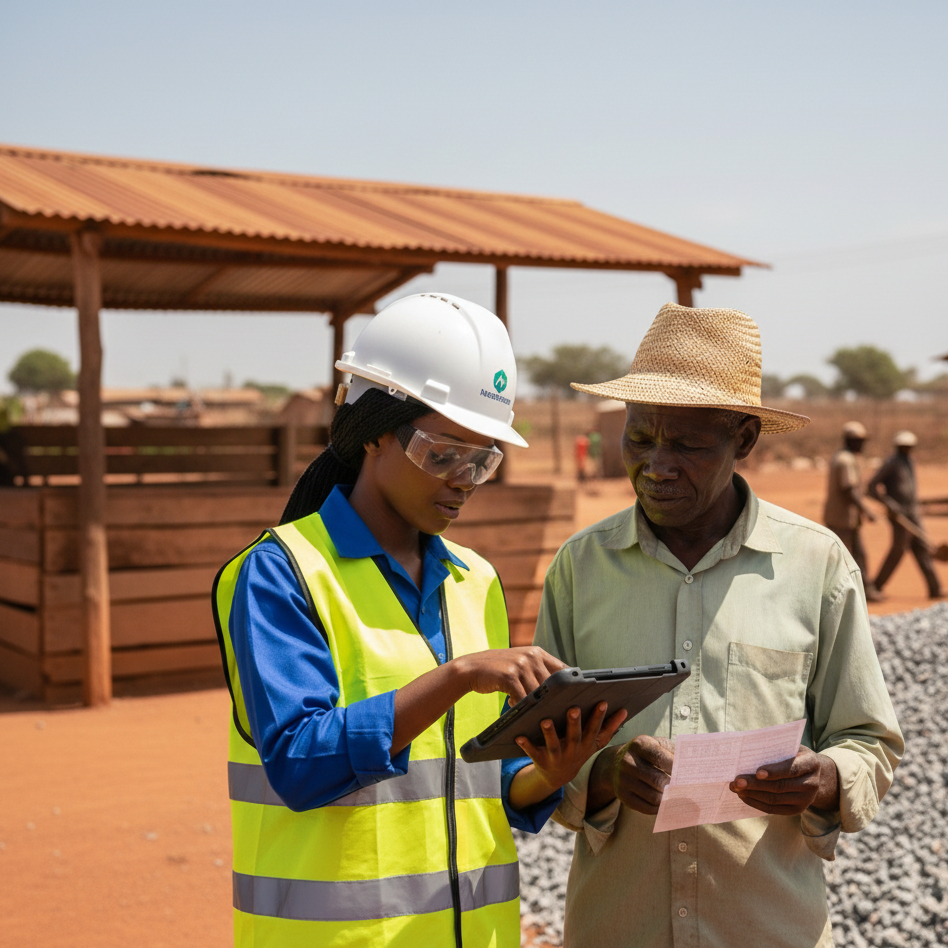
Founded in 2015 and headquartered in South Africa, Africa Gold Reserve operates across Ghana, South Africa, South Sudan, and the UK. The company:
- Sources gold exclusively from verified, compliant producers
- Conducts on-site assaying and digital documentation
- Exports via secure routes: South Sudan → UAE, Ghana → U.S., South Africa → China
This model ensures full chain-of-custody integrity for institutional buyers.
5. Why Global Buyers Partner with Africa Gold Reserve
Clients choose Africa Gold Reserve because it is a:
- Trusted gold exporter with boots-on-the-ground presence
- Provider of audit-ready documentation aligned with OECD/LBMA standards
- Enabler of direct access to compliant South Sudan gold suppliers, South Africa gold exporters, and transparent gold export from Ghana
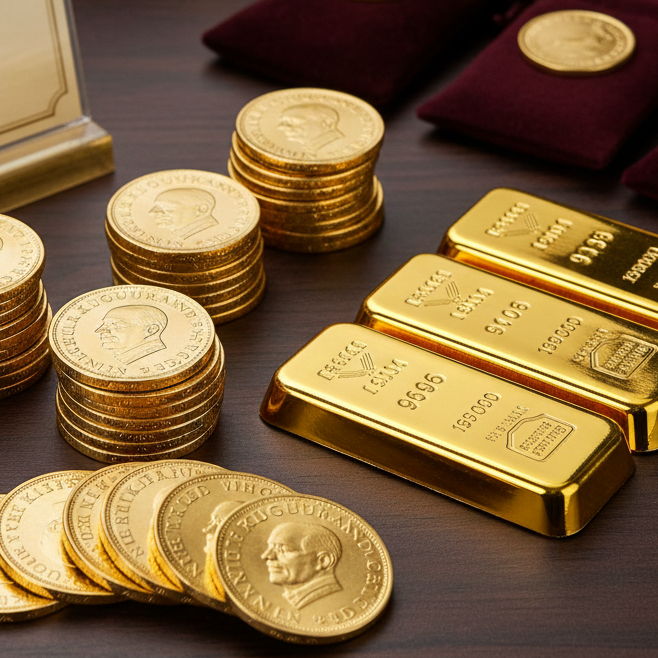
- Non-speculative partner focused solely on physical, legally sourced gold
Conclusion
Africa’s gold trade has come full circle—from ancient caravans to digitally verified exports. Today, the continent offers not just volume, but verifiable, ethical supply for a discerning global market. By partnering with a professional exporter like Africa Gold Reserve, buyers gain secure access to one of the world’s most strategic and historically rich mineral regions.
Website: africagoldreserve.com
Email: sales@africagoldreserve.com