


Can You Buy Gold in Africa: Navigating Legitimate Procurement Channels
Yes, gold can be purchased in Africa through structured, regulated channels that comply with national mining laws and international trade standards. Africa supplies approximately 20 percent of annual global gold production, with legitimate procurement occurring through licensed entities operating under government oversight in major producing nations. For international buyers—refineries, commodity traders, and institutional investors—understanding these formal pathways is essential to securing compliant supply with verifiable documentation, particularly as global markets place increasing emphasis on supply chain transparency and due diligence compliance.
Industry Structure and Legal Frameworks
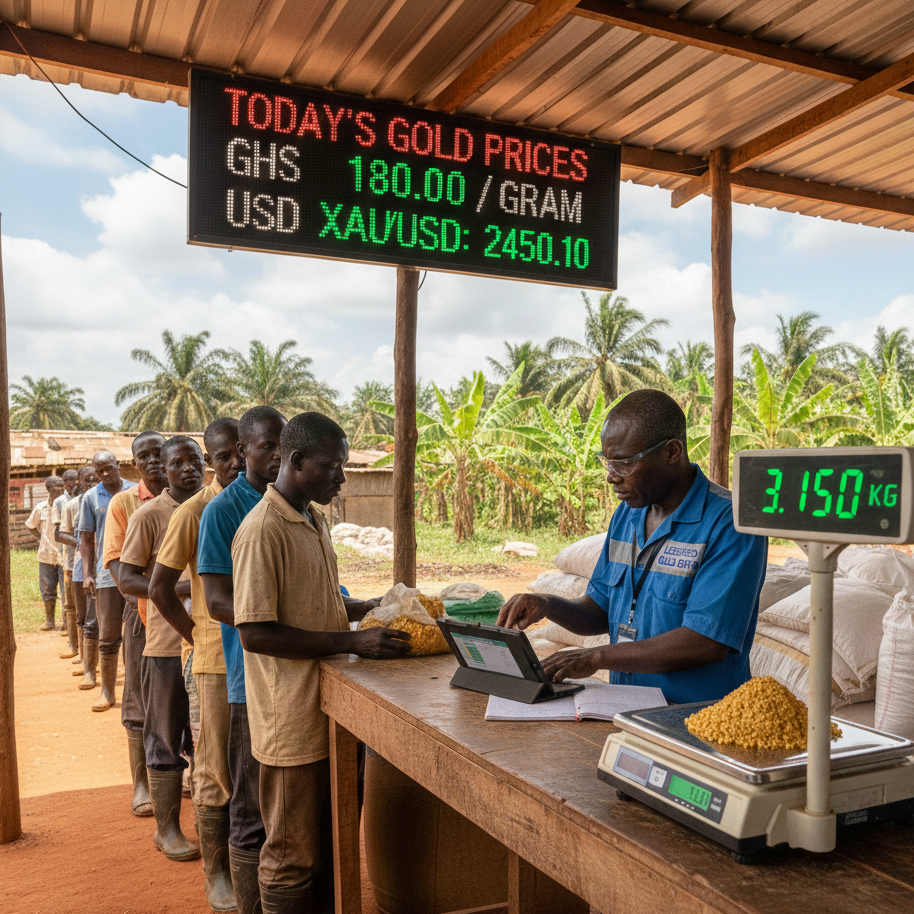
Africa’s gold procurement landscape operates within jurisdiction-specific regulatory frameworks that distinguish legitimate channels from informal trade. Ghana’s Minerals and Mining Act requires all gold exports to pass through government verification points, with licensed buying agents authorized to purchase from registered small-scale miners before material undergoes assay certification at Precious Minerals Marketing Company facilities. South Africa’s Precious Metals Act governs trading licenses, mandating that exports receive verification from LBMA-accredited laboratories and permits from the Diamond and Precious Metals Regulator accompanied by South African Revenue Service tax clearance. South Sudan’s Mining Act establishes licensing categories for aggregators who consolidate artisanal production for ministry-approved verification before export authorization. These frameworks create procurement environments characterized by documentation requirements rather than unregulated markets—critical context for international buyers evaluating African supply sources.
Regional Procurement Pathways
Ghana offers the continent’s most structured environment for buying gold, with licensed buying centers operating across the Ashanti, Western, and Eastern regions. These centers purchase exclusively from miners holding valid small-scale licenses, with material subsequently verified at government assay facilities before export authorization. South Africa’s procurement channels center on industrial doré sales and authorized aggregators handling compliant small-scale production, with all exports requiring LBMA certification and SARS documentation. South Sudan represents an emerging procurement jurisdiction where ministry-licensed aggregators consolidate artisanal output from Eastern Equatoria state for verification in Juba before air freight shipment—primarily to Dubai. Each market demands specific documentation protocols and local presence to execute reliable transactions, making exporter expertise in jurisdiction-specific procedures a decisive factor in successful procurement.

Africa Gold Reserve’s Procurement Model
Africa Gold Reserve has operated as a licensed gold buyer and exporter across Ghana, South Africa, and South Sudan since 2015, maintaining field offices in producing regions and headquarters in South Africa. The company sources material exclusively from licensed miners and authorized aggregators who hold valid permits under national mining codes. Field representatives verify seller credentials and mining licenses before material evaluation, then oversee supervised transport to government assay facilities—Ghana’s Precious Minerals Marketing Company laboratories, South Africa’s LBMA-certified centers, or South Sudan’s ministry-approved verification points in Juba. This approach ensures chain-of-custody integrity from licensed producer to export clearance, generating documentation packages that satisfy international due diligence standards including OECD guidance. With additional operations in the United Kingdom facilitating European settlement, Africa Gold Reserve bridges African supply sources with global buyer requirements through established logistics channels including trade routes from South Sudan to UAE, Ghana to United States, and South Africa to China.
Procurement Workflow and Documentation Requirements
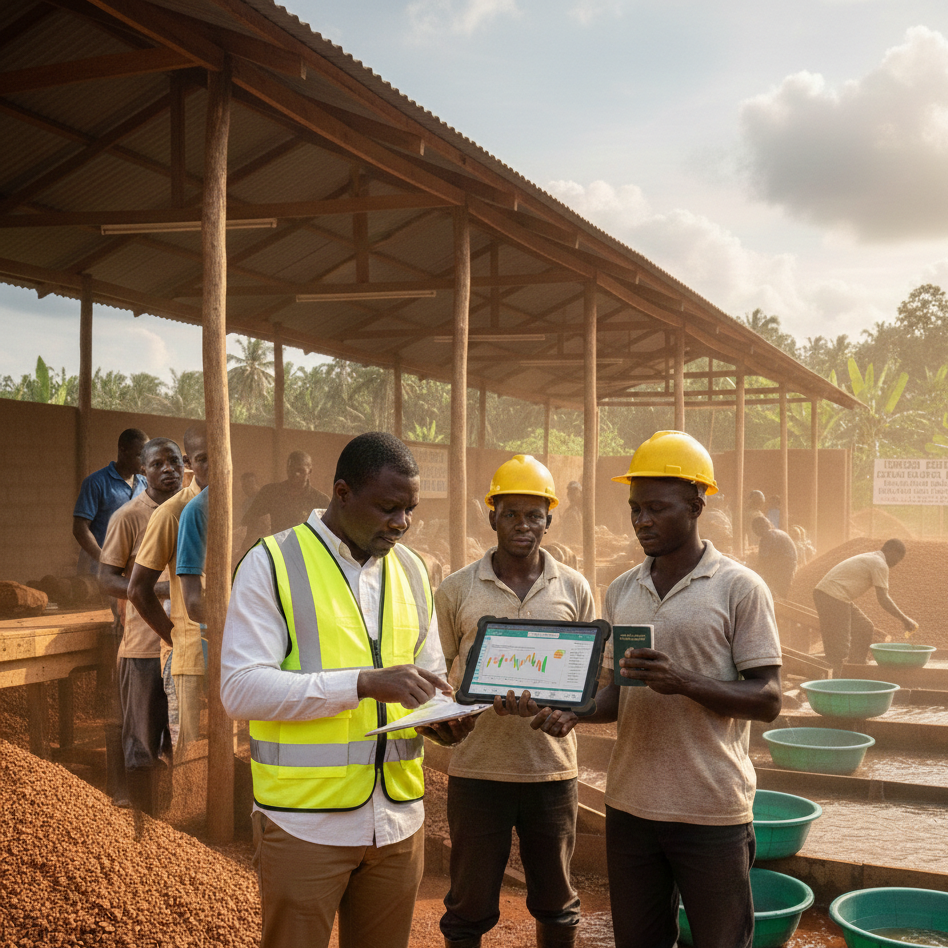
The buying sequence follows rigorous jurisdiction-specific protocols. Africa Gold Reserve representatives first confirm the seller holds valid authorization under applicable national law. Material is then transported under dual supervision to government verification facilities for official assay certification of purity and weight. Upon certification, export permits are secured from relevant mineral authorities accompanied by tax clearance documentation from national revenue agencies. Customs declarations are processed before insured transit to international departure points—Kotoka International Airport in Accra, OR Tambo International Airport in Johannesburg, or Juba International Airport. Documentation packages delivered to buyers include assay certificates, export permits, tax compliance verification, bill of lading, and certificate of origin—elements essential for satisfying LBMA Good Delivery standards, COMEX specifications, and international customs requirements. This structured workflow ensures material carries full documentation integrity required by responsible international buyers.
Global Demand and Trade Integration
African gold procured through legitimate channels flows along established international routes reflecting refining capacity and regulatory requirements. The United Arab Emirates receives substantial volumes from West and East Africa through Dubai’s refining infrastructure, serving as a transshipment hub between African supply and Asian demand centers. United States buyers seek COMEX-compliant material, creating steady demand for properly documented Ghanaian and South African exports. Chinese refineries maintain consistent appetite for feedstock supporting jewelry manufacturing and strategic reserve accumulation. European markets prioritize LBMA Good Delivery compliance, requiring meticulous documentation that established exporters reliably provide. These destination-specific requirements influence buyer selection criteria, making documentation reliability as important as price in international gold trading relationships.
Value Proposition for International Buyers
Buyers engage established African gold suppliers to address three operational priorities: documentation integrity for seamless customs clearance, supply consistency amid production fluctuations, and logistical reliability in moving material from source to international departure points. Africa Gold Reserve addresses these through permanent regional presence in mining districts, direct relationships with licensed producers, and integrated export management across multiple jurisdictions. The company maintains visibility across the procurement chain from acquisition through final export, providing buyers with complete documentation packages that reduce settlement risk and ensure material specifications match contractual terms. This operational transparency proves particularly valuable for institutional buyers operating under heightened due diligence requirements including OECD guidance compliance and evolving responsible sourcing regulations that increasingly restrict material lacking verifiable origin documentation.
Avoiding Informal Channels and Associated Risks
Some buyers encounter offers of gold through informal channels promising simplified procedures or discounted pricing. Such material typically lacks government verification, tax compliance documentation, and verifiable origin records—rendering it ineligible for LBMA, COMEX, and increasingly for general commercial trade under evolving regulations like the EU Conflict Minerals Regulation. Responsible buyers recognize that apparent savings in informal transactions translate to higher total costs when material cannot clear customs, requires expensive re-verification, or creates reputational and legal exposure. Africa Gold Reserve’s commitment to licensed procurement and complete documentation ensures buyers receive material whose total landed cost remains competitive while satisfying all regulatory requirements for international trade.
Sustainable Procurement Partnerships
Long-term success in African gold procurement requires commitment to formalized channels and regulatory compliance. Countries increasingly recognize that structured procurement systems generate fiscal revenue while reducing illicit outflows. Buyers who partner with exporters investing in local compliance infrastructure and maintaining transparent procurement practices position themselves as preferred counterparties for both governments and licensed producers. Africa Gold Reserve’s decade of operational presence across leading producing nations, documented procurement history from licensed sources, and adherence to regulatory frameworks in Ghana, South Africa, and South Sudan establish the foundation for reliable partnerships that support responsible mineral governance while delivering verifiable supply to global markets.
Buying gold in Africa is not only possible but increasingly structured through legitimate channels that satisfy international compliance standards. Success depends not on seeking informal arrangements but on engaging established suppliers with operational discipline, regulatory knowledge, and transparent practices. Companies that combine local expertise with procedural rigor across Africa’s leading gold-producing nations create sustainable procurement partnerships that deliver reliable supply while supporting responsible mineral governance.
africagoldreserve.com
sales@africagoldreserve.com