
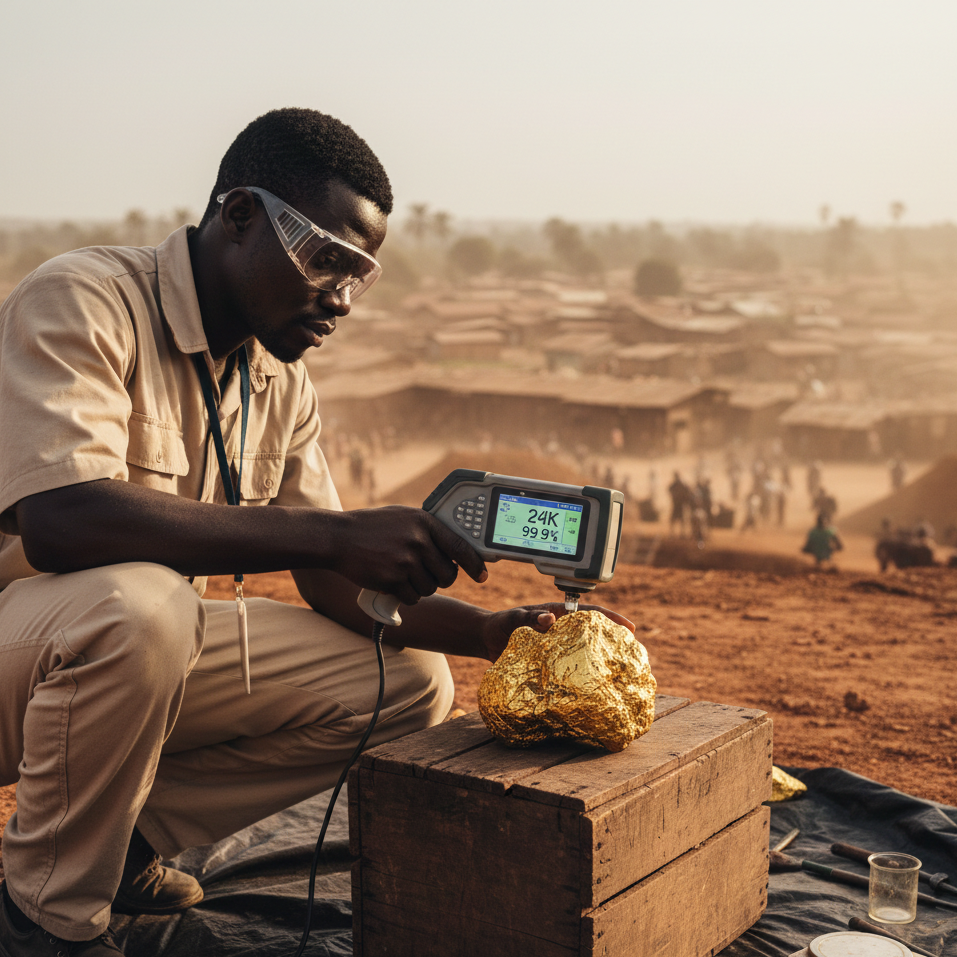

Can You Find Gold in South Africa: Understanding the Country’s Enduring Gold Legacy
South Africa remains one of the world’s most significant gold-producing nations, despite production declines from historical peaks. The country’s Witwatersrand Basin contains the largest known gold resource on earth, having yielded more than 40,000 metric tons since discovery in 1886. For international buyers and investors evaluating African supply sources, South Africa offers a mature regulatory environment, established infrastructure, and consistent production volumes—characteristics that distinguish it from emerging gold jurisdictions elsewhere on the continent.
Geological Endowment and Historical Context
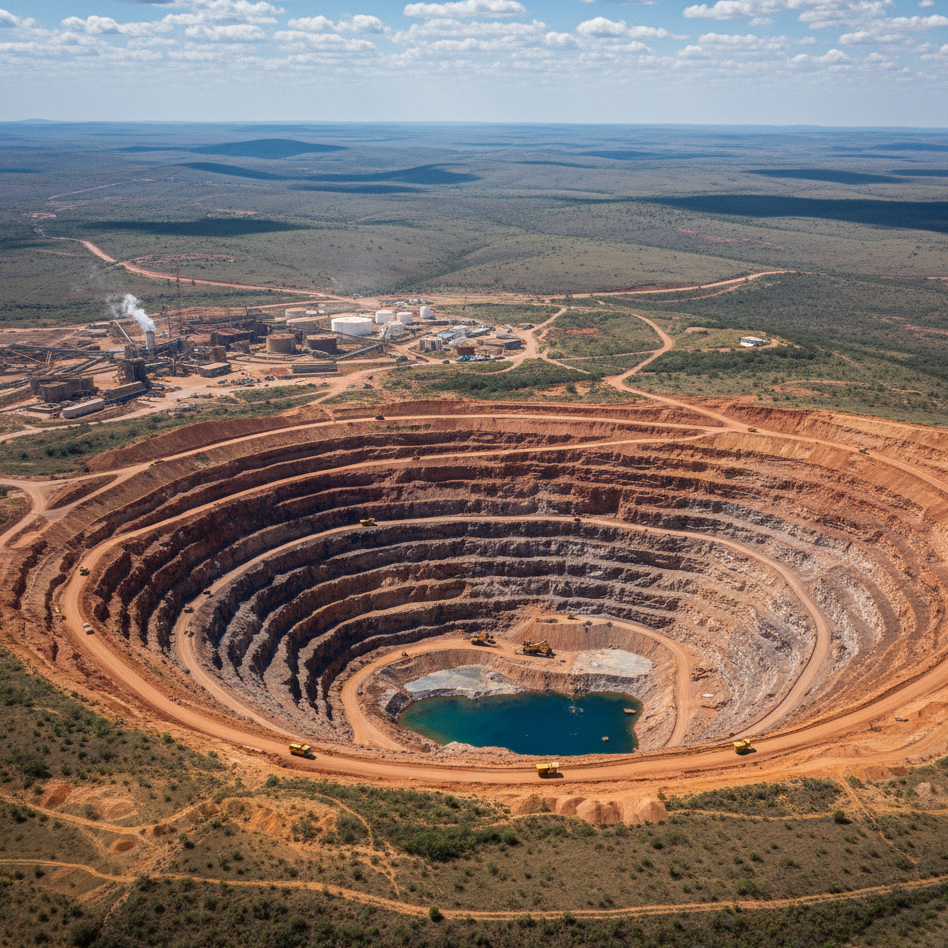
South Africa’s gold occurs primarily within the Witwatersrand Supergroup, a sedimentary formation extending across Gauteng, North West, and Free State provinces. Unlike alluvial deposits found in West Africa, South African gold is embedded in ancient conglomerate reefs requiring deep-level underground mining—operations that extend more than three kilometers below surface in some cases. This geological reality has shaped the industry’s capital intensity and technical requirements. While annual production has declined from 1970s peaks exceeding 1,000 metric tons to approximately 100 metric tons today, South Africa retains substantial reserves and continues ranking among the world’s top ten producers. The sector is dominated by industrial operations rather than artisanal activity, creating a procurement environment characterized by corporate suppliers and formalized export channels.
Current Production Landscape
Modern South African gold production centers on three regions. The Carletonville and Klerksdorp districts west of Johannesburg host deep-level operations extracting gold from the Ventersdorp Contact Reef and Carbon Leader Reef. The East Rand Basin east of Johannesburg features operations along the Main Reef and Kimberley Reef systems. The Free State Goldfields south of Johannesburg access the Basal Reef formation through both underground and limited surface operations. Production is concentrated among established mining houses operating under the Minerals and Petroleum Resources Development Act, which governs mineral rights, environmental compliance, and community development obligations. Small-scale mining exists but represents a minor fraction of national output compared to Ghana or other West African producers.
Africa Gold Reserve’s South African Operations
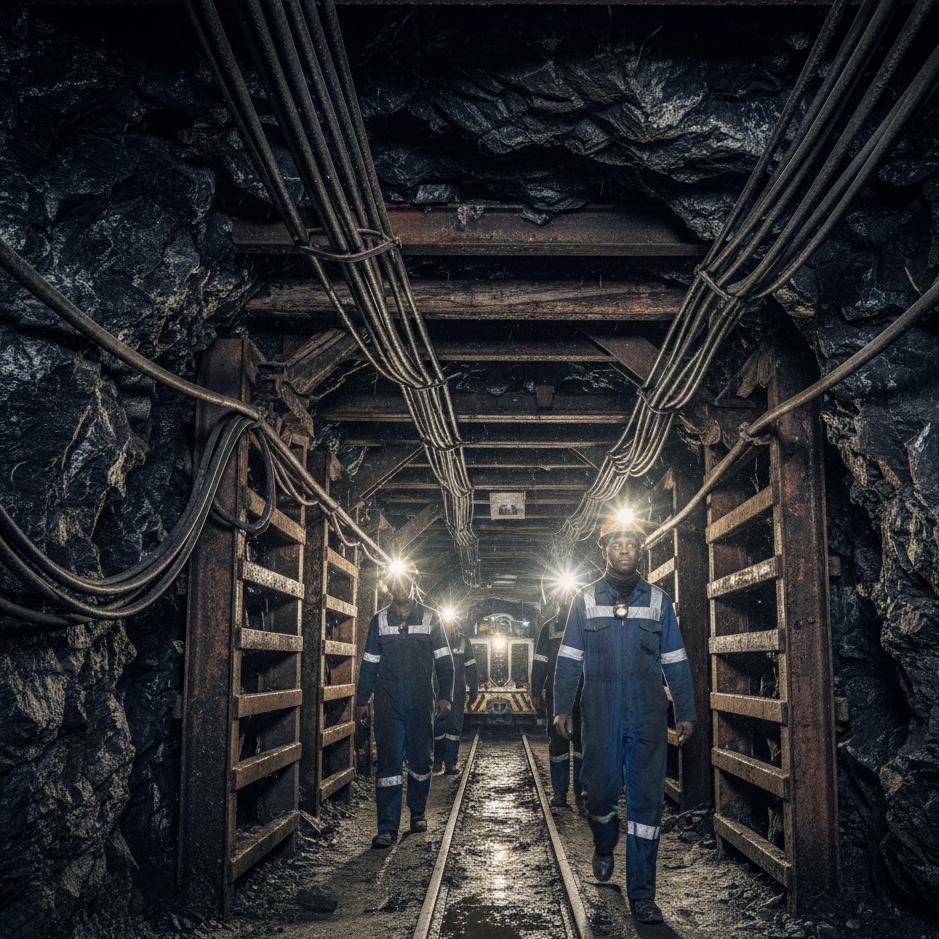
Africa Gold Reserve established its headquarters in South Africa upon founding in 2015, leveraging the country’s position as a continental trade hub while developing direct procurement relationships with licensed producers. The company sources material primarily from authorized small-scale operations and licensed local sellers who aggregate production from compliant sources. Field representatives conduct verification at collection points before supervised transport to LBMA-certified assay facilities for official purity and weight certification. This approach ensures documentation integrity while maintaining chain-of-custody transparency required by international buyers. Operations extend through the company’s United Kingdom office to facilitate European settlement and delivery logistics.
Export Procedures and Compliance Framework
South African gold exports follow a structured sequence governed by the Precious Metals Act and South African Revenue Service regulations. Material undergoes assay at LBMA-accredited laboratories before export permit application through the South African Diamond and Precious Metals Regulator. Tax clearance documentation from SARS accompanies permit applications, with customs declarations processed through the South African Customs Division. Upon approval, insured shipments move via secure transport to OR Tambo International Airport or Durban Port for international departure. Documentation packages include assay certificates, export permits, tax clearance verification, and bill of lading—elements essential for satisfying destination market requirements including LBMA Good Delivery standards for European buyers and COMEX specifications for United States delivery.
Global Trade Flows
South African gold moves along established international routes reflecting destination market characteristics. China receives substantial volumes for jewelry manufacturing and strategic reserve accumulation, with shipments typically moving via air freight to Shanghai or Hong Kong. European refineries prioritize material meeting LBMA standards, creating steady demand for properly documented South African exports. The United Arab Emirates serves as a transshipment hub for material destined for broader Asian markets. United States buyers seek investment-grade material meeting COMEX delivery criteria. These trade patterns reflect South Africa’s reputation for regulatory compliance and documentation reliability—attributes that command premium consideration among international buyers requiring audit-ready supply chain records.
Value Proposition for International Buyers
Buyers engage established South Africa gold exporters to address three operational priorities: documentation integrity for seamless customs clearance, supply consistency amid production fluctuations, and logistical reliability in moving material from source to international departure points. Africa Gold Reserve addresses these through permanent operational presence in mining regions, direct relationships with licensed producers, and integrated export management. The company maintains visibility across the procurement chain from acquisition through final export, providing buyers with complete documentation packages that satisfy compliance departments and reduce settlement risk. This operational transparency proves particularly valuable for institutional buyers operating under heightened due diligence requirements.

Sustainable Participation in South Africa’s Gold Sector
Long-term engagement with South Africa’s gold market requires adherence to regulatory frameworks and commitment to formalized channels. The country’s mature regulatory environment offers clarity but demands procedural discipline—exporters must navigate documentation requirements methodically and maintain transparent relationships with licensed entities. Companies attempting informal arrangements face regulatory enforcement and supply chain disruption risks. Sustainable participation aligns commercial objectives with responsible mineral governance through tax compliance, licensed procurement, and transparent export procedures. Africa Gold Reserve’s multi-year operational presence, documented export history, and adherence to South African regulatory requirements provide the foundation for reliable partnerships in this strategically important market.
South Africa’s gold endowment remains substantial despite production declines from historical peaks. For international buyers seeking reliable African supply, the country offers regulatory predictability, infrastructure maturity, and documentation reliability—attributes that support consistent commercial engagement. Success depends not on discovering unknown deposits but on operating within established channels with procedural discipline and transparent practices. Companies combining geological knowledge with operational rigor create sustainable partnerships in South Africa’s evolving gold market.
africagoldreserve.com
sales@africagoldreserve.com