
Can You Pan for Gold in South Africa: Geological Realities and Legitimate Procurement Pathways
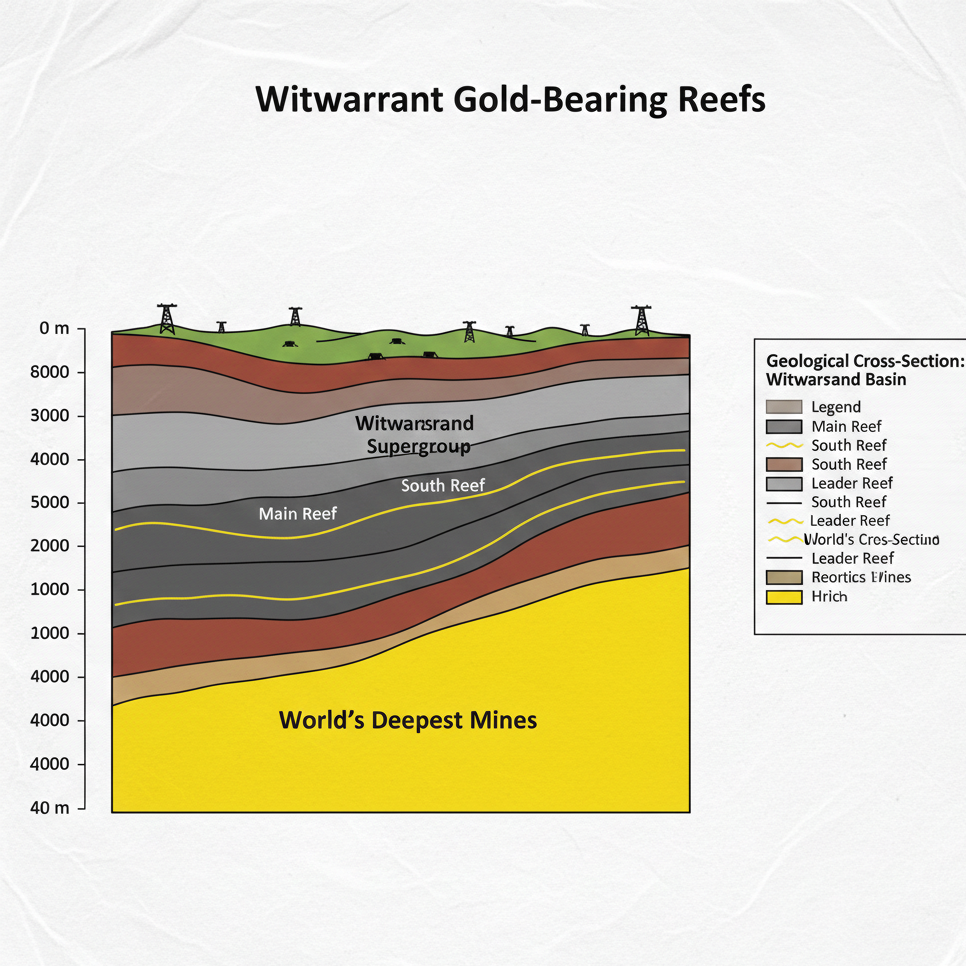
Gold panning captures the imagination of prospectors worldwide, yet South Africa presents a fundamentally different geological reality than jurisdictions known for accessible placer deposits. Unlike West Africa, North America, or Australia, South Africa’s gold occurs predominantly within the Witwatersrand Basin’s ancient conglomerate reefs—formations situated 1.5 to 3+ kilometers below surface. These deep-level deposits formed through sedimentary processes unrelated to water transport, resulting in minimal alluvial gold in rivers and streams suitable for traditional panning methods. While limited surface occurrences exist near historical mining operations where erosion has exposed reef material, these yield negligible quantities and lack commercial viability for recreational prospecting.
Legal Framework and Prospecting Requirements
South Africa’s Minerals and Petroleum Resources Development Act (MPRDA) of 2002 establishes that all mineral rights belong to the state. Prospecting for gold—including panning, metal detecting, or any mineral search method—requires a formal prospecting right issued by the Department of Mineral Resources and Energy. Unlike countries offering recreational prospecting allowances on public lands, South Africa maintains no exemptions for casual or hobbyist activity. Unauthorized prospecting constitutes illegal activity subject to equipment confiscation, fines, and potential prosecution. Furthermore, the Precious Metals Act prohibits private possession of unrefined gold without authorization from the South African Diamond and Precious Metals Regulator, mandating that any recovered material be sold to licensed buyers or refineries.
Regional Production Characteristics
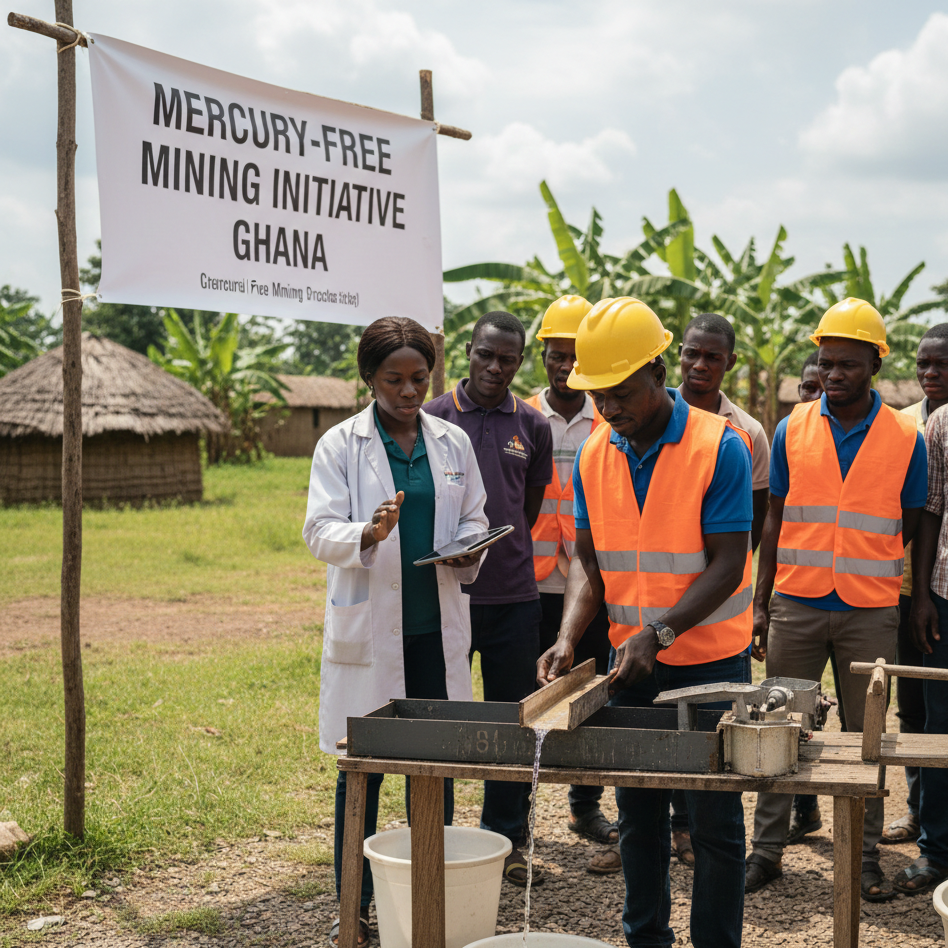
South Africa’s gold sector is dominated by industrial-scale operations rather than artisanal or small-scale activity prevalent in other African jurisdictions. Production concentrates in Gauteng, North West, and Free State provinces along the Witwatersrand Basin, with deep-level mining requiring substantial capital investment and technical expertise. This contrasts sharply with Ghana’s dual structure of industrial mines and regulated small-scale operations, or South Sudan’s artisanal-dominated production. The absence of significant placer deposits means recreational panning opportunities are exceptionally limited—geologically scarce and legally restricted—making South Africa unsuitable as a destination for prospectors seeking accessible surface gold.

Africa Gold Reserve’s Commercial Procurement Model
Africa Gold Reserve, founded in 2015 and headquartered in South Africa, operates within this regulated environment through formal commercial channels rather than speculative prospecting. The company maintains procurement relationships with licensed mining operations and authorized sellers holding valid rights under the MPRDA framework. Field representatives verify licensing status and land tenure before material acquisition, ensuring compliance with national regulations and international due diligence standards including OECD guidance. This approach eliminates legal and operational risks associated with informal activity while generating documentation packages that satisfy global buyer requirements. Operations extend across Ghana, South Sudan, and the United Kingdom, enabling flexible supply sourcing aligned with market demand while maintaining South Africa as the company’s operational hub.
Procurement and Export Workflow
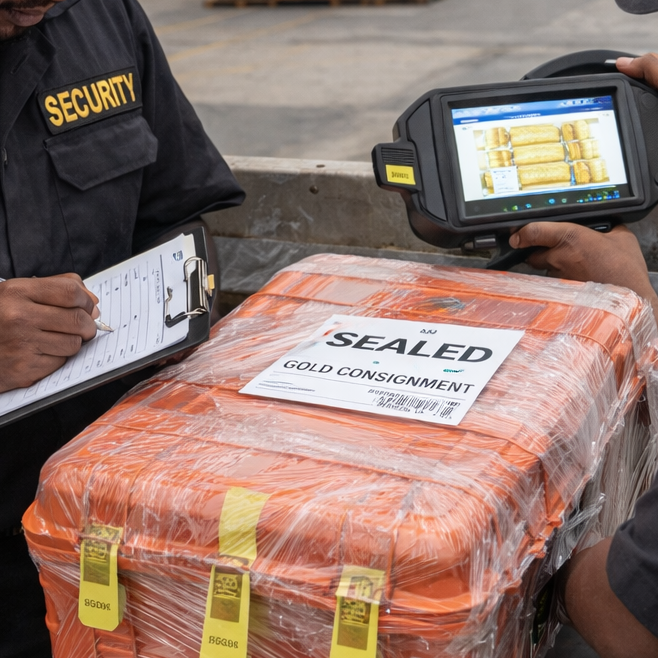
Africa Gold Reserve’s procurement sequence begins with verification of mining licenses and land rights at source locations. Acquired material undergoes supervised transport to LBMA-certified assay facilities for official purity and weight certification. Upon verification, export permits are secured from the South African Diamond and Precious Metals Regulator, accompanied by tax clearance documentation from the South African Revenue Service. Customs declarations are processed through the South African Customs Division before insured transit to OR Tambo International Airport or Durban Port. Documentation packages include assay certificates, export permits, tax compliance verification, and bills of lading—elements essential for satisfying destination market requirements including LBMA Good Delivery standards and COMEX specifications for international gold trading.

Global Demand for South African Gold Supply
South African gold moves along established international trade routes reflecting destination market characteristics. China receives substantial volumes for jewelry manufacturing and strategic reserve accumulation, with shipments typically moving via air freight to Shanghai or Hong Kong. European refineries prioritize material meeting LBMA standards, creating steady demand for properly documented South African exports. The United Arab Emirates serves as a transshipment hub for material destined for broader Asian markets. United States buyers seek investment-grade material meeting COMEX delivery criteria. These trade patterns reflect South Africa’s reputation among African gold exporters for regulatory compliance and documentation reliability—attributes that command premium consideration among international buyers requiring audit-ready supply chain records.
Value Proposition for Institutional Buyers
Buyers engage established South Africa gold exporters to address three operational priorities: documentation integrity for seamless customs clearance, supply consistency amid production fluctuations, and logistical reliability in moving material from source to international departure points. Africa Gold Reserve addresses these through permanent operational presence in mining regions, direct relationships with licensed producers, and integrated export management. The company maintains visibility across the procurement chain from acquisition through final export, providing buyers with complete documentation packages that reduce settlement risk and ensure material specifications match contractual terms. This operational transparency proves particularly valuable for refineries, commodity traders, and institutional investors operating under heightened due diligence requirements in international gold trading.
Sustainable Engagement with South Africa’s Gold Sector
Long-term participation in South Africa’s gold market requires adherence to regulatory frameworks and commitment to formalized channels. The country’s mature regulatory environment offers clarity but demands procedural discipline—exporters must navigate documentation requirements methodically and maintain transparent relationships with licensed entities. Companies attempting informal arrangements face regulatory enforcement and supply chain disruption risks. Sustainable participation aligns commercial objectives with responsible mineral governance through tax compliance, licensed procurement, and transparent export procedures. Africa Gold Reserve’s multi-year operational presence, documented export history, and adherence to South African regulatory requirements provide the foundation for reliable partnerships with international buyers seeking to buy gold from Africa through legitimate channels.

For international buyers evaluating African gold supply, South Africa offers regulatory predictability, infrastructure maturity, and documentation reliability—attributes supporting consistent commercial engagement through trusted gold exporters. Success depends not on recreational prospecting but on operating within established channels with procedural discipline and transparent practices. Companies combining geological knowledge with operational rigor create sustainable partnerships in South Africa’s evolving gold market, bridging legitimate supply sources with global demand through compliant, professional channels rather than speculative or informal arrangements.
africagoldreserve.com
sales@africagoldreserve.com