

Ethical Sourcing Behind Gold Cross Necklaces Marketed from South Africa to the U.S.
When consumers in the United States search for a “gold cross necklace South Africa,” they often seek more than symbolism—they expect assurance that the gold used was ethically and legally sourced. While Africa Gold Reserve does not manufacture or retail jewelry, the company plays a critical upstream role by ensuring that the gold entering global supply chains originates from verified, compliant sources across Southern Africa. For U.S. importers, refiners, and jewelry brands, this traceability is no longer optional—it is a commercial and regulatory necessity.
Industry Context
The global jewelry industry is under increasing pressure to demonstrate responsible sourcing. Frameworks like the OECD Due Diligence Guidance and the London Bullion Market Association (LBMA) Responsible Gold Guidance require verifiable proof that gold was mined legally, without child labor, and with minimal environmental harm. This means that any gold used in a “gold cross necklace” sold in the U.S.—even if marketed as “South African”—must be backed by auditable documentation.
Africa produces over 900 tonnes of gold annually, but only a fraction meets these international standards. The gap between informal artisanal output and compliant supply is where professional African gold exporters like Africa Gold Reserve add value—by formalizing procurement and ensuring every ounce is traceable from source to export.
Regional Perspective
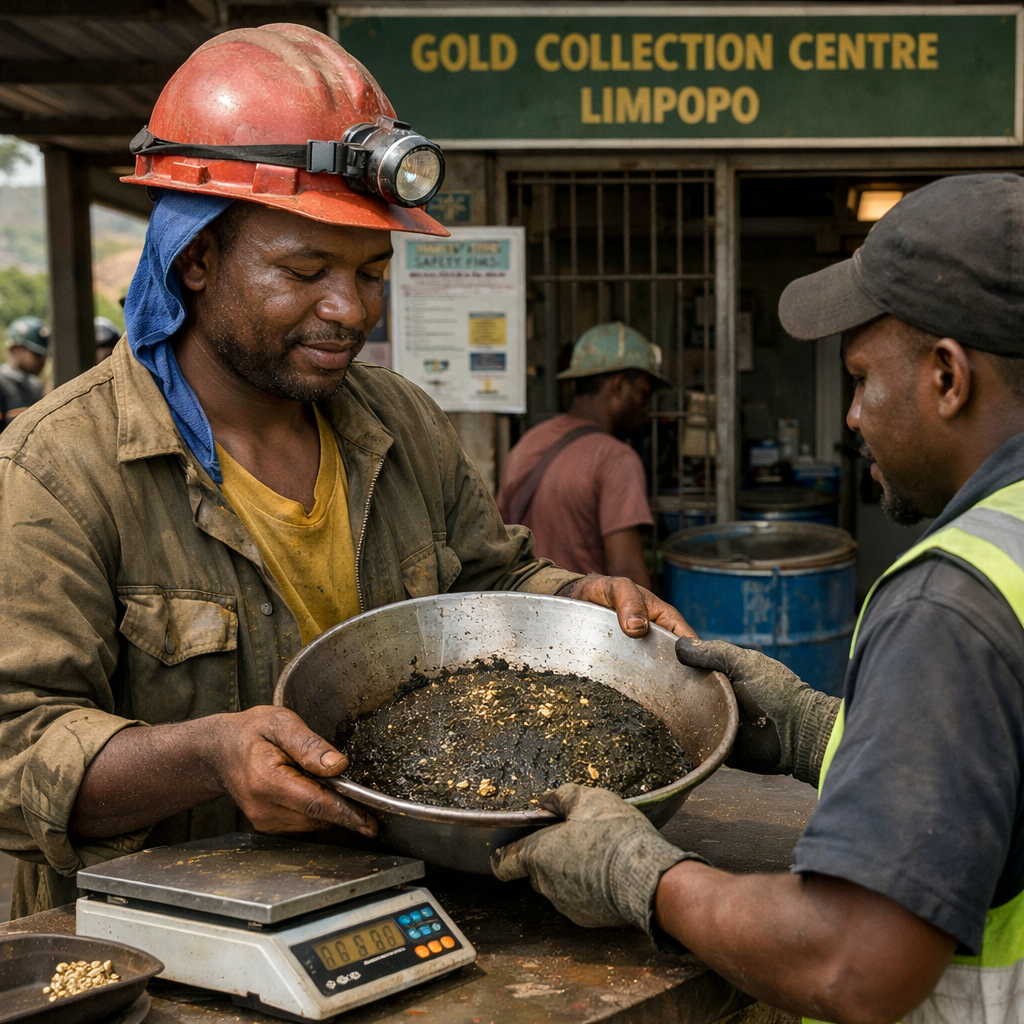
South Africa remains a key jurisdiction for ethical gold sourcing in Southern Africa:
- It operates under a robust legal framework governed by the Mineral and Petroleum Resources Development Act (MPRDA) and the Mining Charter, which mandate community engagement, local economic participation, and transparent revenue flows.
- While large-scale mines dominate production, licensed aggregators increasingly integrate small-scale miners into formal channels—improving safety, pricing fairness, and compliance.
- The country’s advanced assay infrastructure and secure logistics corridors make it a reliable origin point for gold destined for U.S. and European markets.
Beyond South Africa, Ghana leads West Africa in digital traceability, with mandatory transaction reporting through the Precious Minerals Marketing Company (PMMC). South Sudan, though nascent, is developing a mining code that prioritizes licensing and community benefit—laying the groundwork for future partnerships with vetted South Sudan gold suppliers.
Africa Gold Reserve’s Approach
Founded in 2015 and headquartered in South Africa, Africa Gold Reserve operates across Ghana, South Africa, South Sudan, and the United Kingdom. The company does not produce finished jewelry but supplies the foundational raw material—legally sourced, physically verified gold—to refiners who serve global jewelry manufacturers.
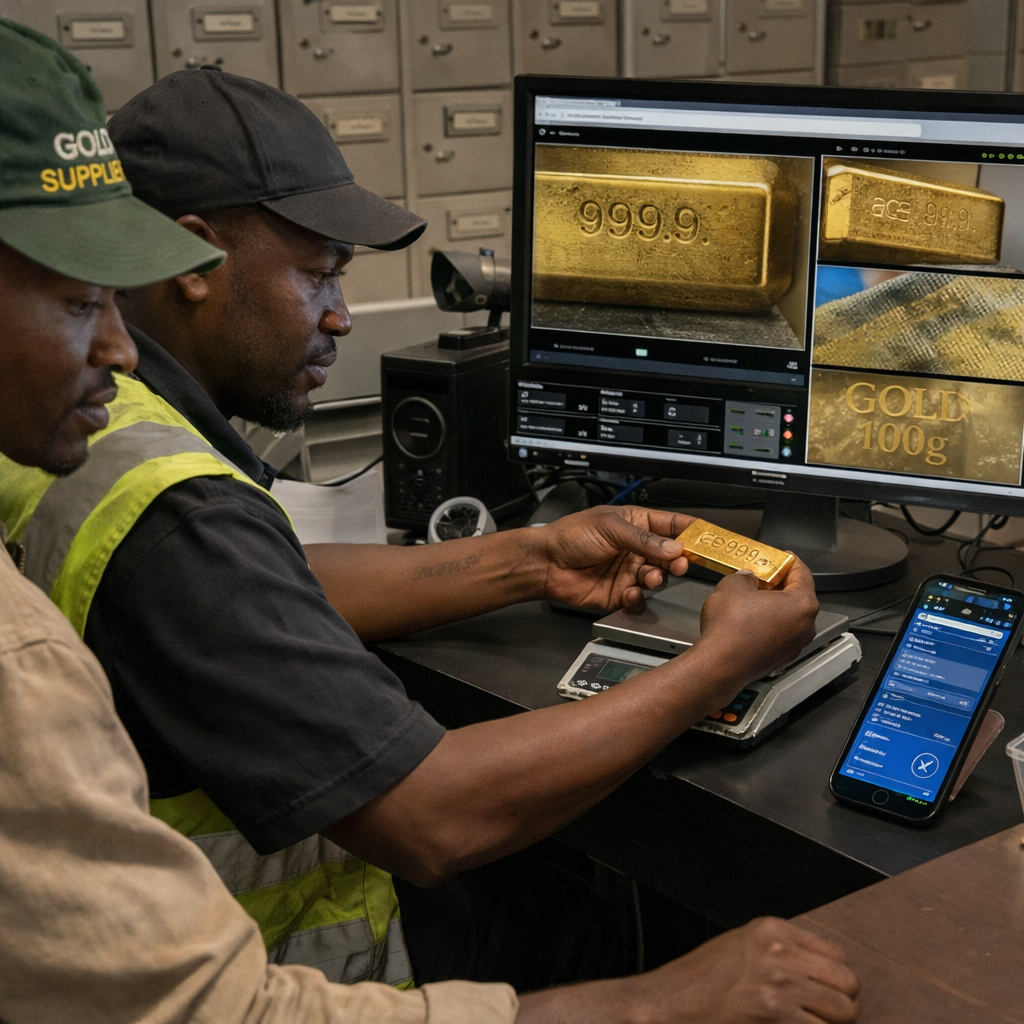
Its model is built on three pillars: legal compliance, direct sourcing, and digital traceability. Gold is acquired exclusively from licensed local mines, registered small-scale miners, and government-authorized sellers. Every transaction undergoes permit validation, on-site assaying, and tamper-proof digital recording—ensuring alignment with international due diligence expectations.
Buying and Export Process
Africa Gold Reserve follows a disciplined, secure workflow:
- Seller Verification: Only individuals or entities holding valid national mining or trading licenses are accepted.
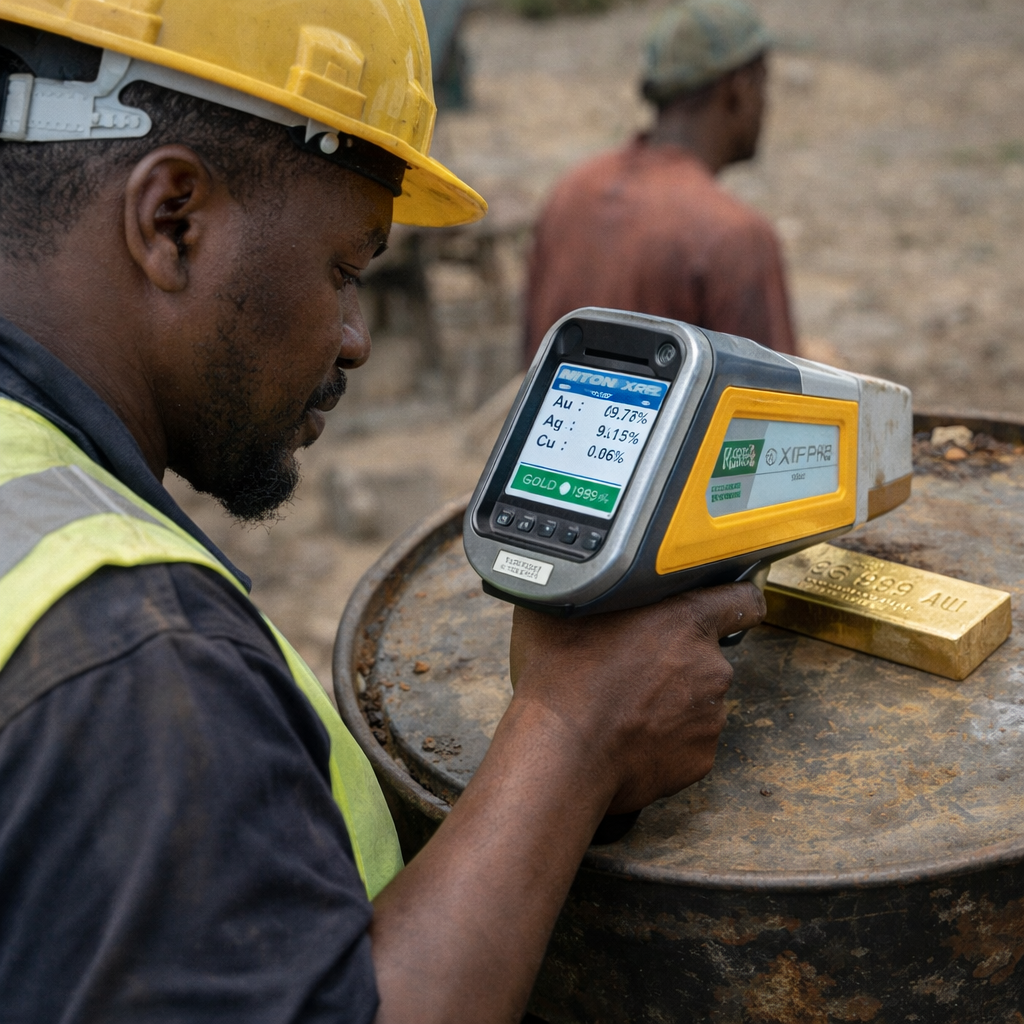
- On-Site Assay: Gold purity is tested immediately upon receipt; results are GPS-tagged and timestamped.
- Digital Documentation: Each batch receives a unique identifier linked to seller details, weight, purity, and location.
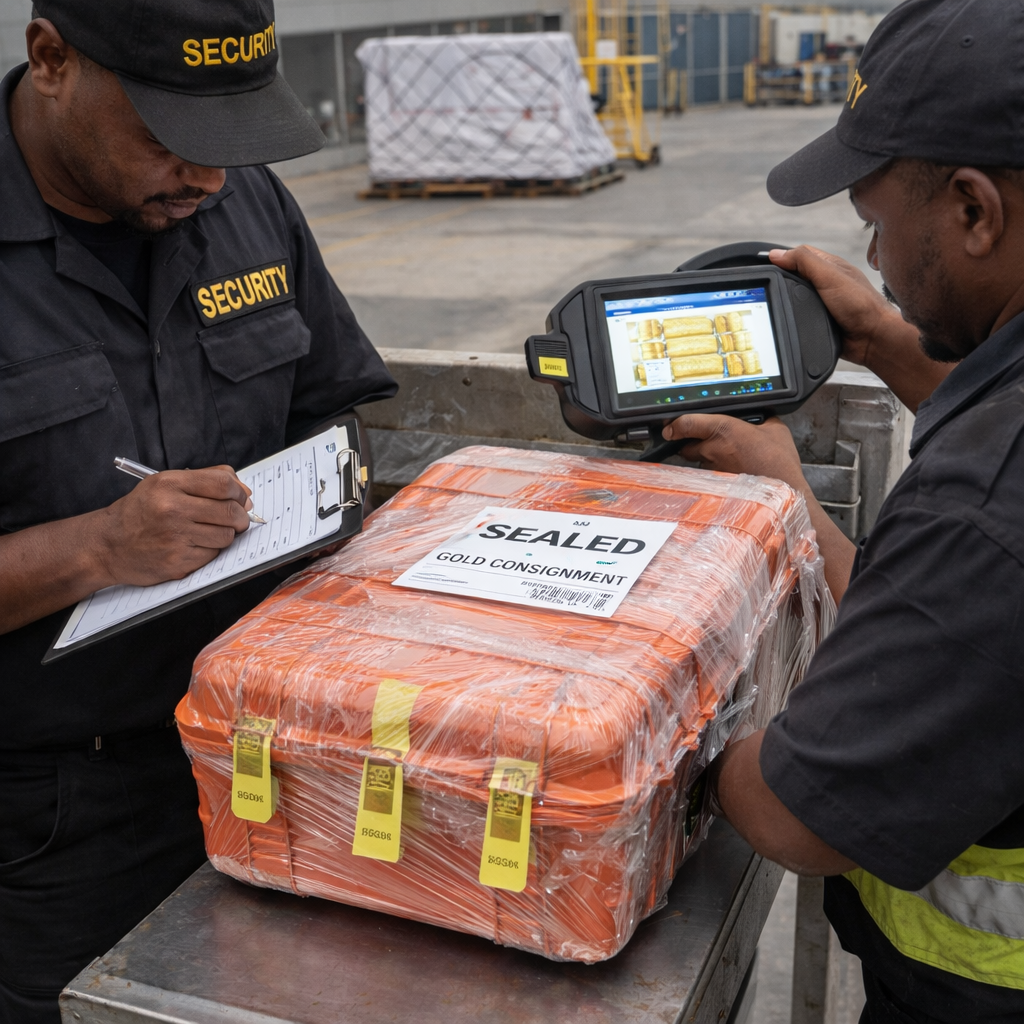
- Secure Consolidation: Material is transported under armed escort to bonded facilities.
- Export Execution: Shipments depart via secure air or sea freight along established trade routes—including South Sudan to UAE, Ghana to the United States, and South Africa to China.
This end-to-end control ensures that gold entering U.S. refining streams carries full provenance—enabling brands to market products like “gold cross necklace South Africa” with confidence.
Global Demand
Demand for responsibly sourced African gold is rising among:
- U.S. jewelry importers complying with FTC guidelines on origin claims
- European luxury brands adhering to the EU Conflict Minerals Regulation
- Refiners in Dubai and Switzerland requiring LBMA-compliant input
For these buyers, the phrase “gold cross necklace South Africa” holds credibility only when backed by verifiable chain-of-custody records. This makes partnerships with compliant South Africa gold exporters essential for market access and brand integrity.
Why Buyers Work with Africa Gold Reserve
International clients choose Africa Gold Reserve because:
- It is a trusted gold exporter with boots-on-the-ground presence in key producing regions.
- It provides documentation that satisfies OECD, LBMA, and U.S. import compliance requirements.
- It enables direct access to physical supply from verified South Sudan gold suppliers, South Africa gold exporters, and transparent gold export from Ghana channels.
- It serves major client regions including the United States, UAE, China, Europe, Asia, and the Middle East.
The company does not engage in unverified deals, speculative trading, or informal networks. Its focus remains strictly on physical, legally sourced gold from licensed operators.
Conclusion
The appeal of a “gold cross necklace South Africa” lies not just in its design, but in the integrity of its origin. As global standards tighten, ethical sourcing has become a prerequisite for market access. For U.S. and international buyers seeking authentic, compliant African gold, Africa Gold Reserve offers a transparent, secure, and professionally managed gateway to one of the world’s most strategic mineral regions.
Website: africagoldreserve.com
Email: sales@africagoldreserve.com