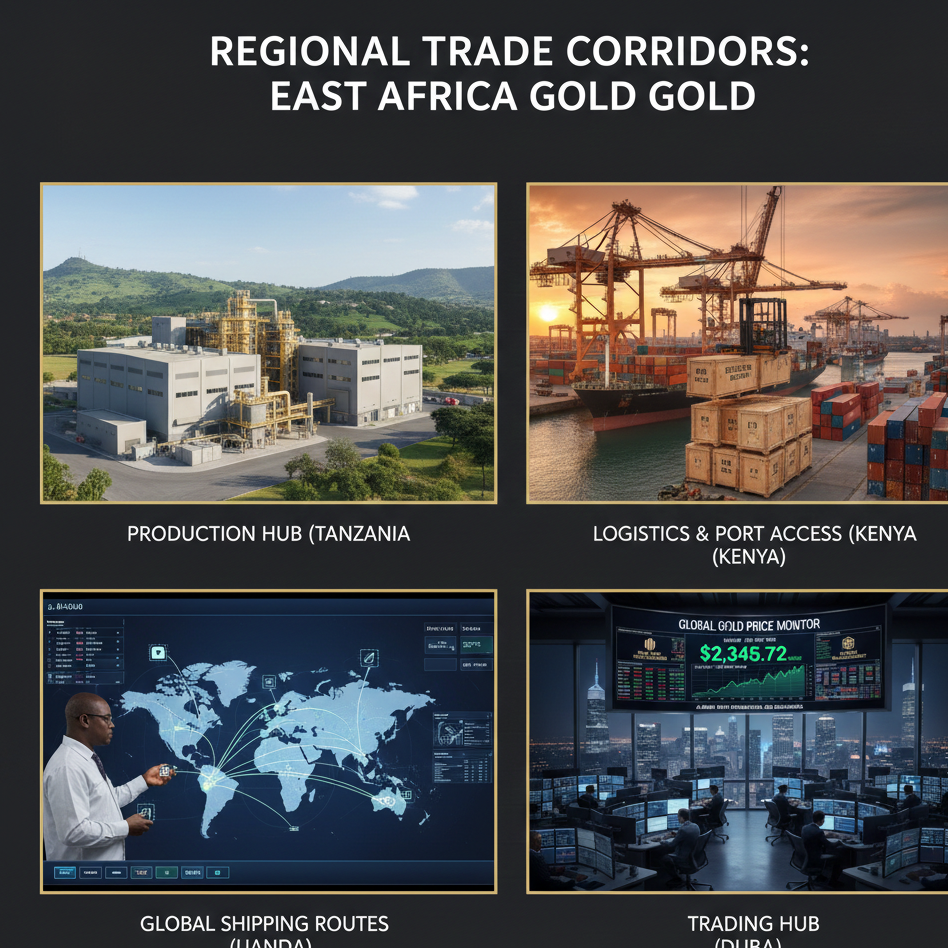

Gold Deposits in East Africa: Geological Potential and Commercial Opportunities for International Buyers
Introduction
East Africa hosts significant gold deposits that continue to attract exploration investment, production development, and international buyer interest. The region’s geological formations, particularly within the Arabian-Nubian Shield and mobile belts extending through South Sudan, Tanzania, Kenya, and Ethiopia, contain proven and prospective gold resources that contribute meaningfully to Africa’s position in global supply markets. For commodity traders, refineries, and institutional investors, understanding the distribution, accessibility, and commercial viability of East African gold deposits provides valuable context for supply diversification strategies.
Africa Gold Reserve has maintained operational engagement with East African gold markets since 2015, with focused activities in South Sudan complementing our broader continental footprint. This article examines the geological context of gold deposits in East Africa, the commercial pathways connecting regional resources to international demand, and practical considerations for buyers evaluating sourcing opportunities in this evolving sector.
Industry Context
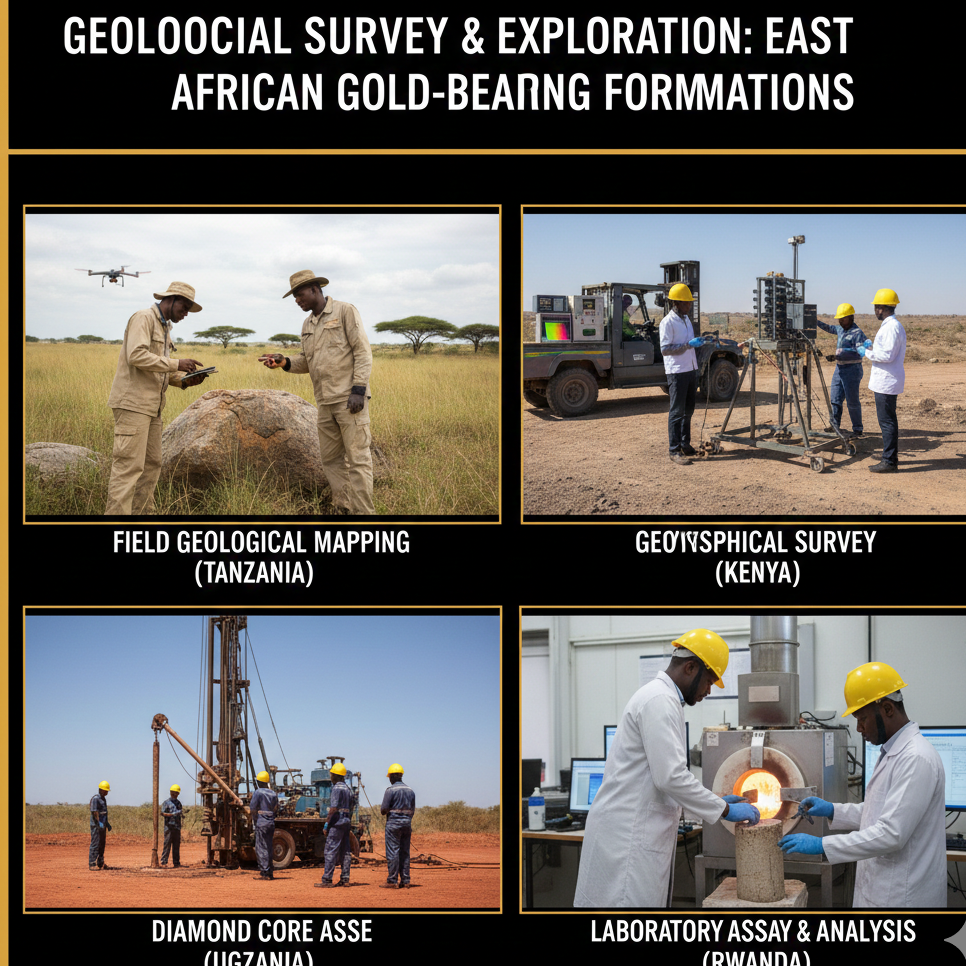
Gold deposits in East Africa occur across diverse geological settings, from primary hard-rock formations to alluvial and eluvial deposits that have been concentrated through natural weathering processes. The Arabian-Nubian Shield, which extends through parts of Sudan, South Sudan, and Ethiopia, hosts numerous gold-bearing quartz veins and shear zones that have supported both historical and contemporary mining activities. Further south, mobile belts and greenstone formations in Tanzania and Kenya contain additional prospective terrain that continues to attract systematic exploration.
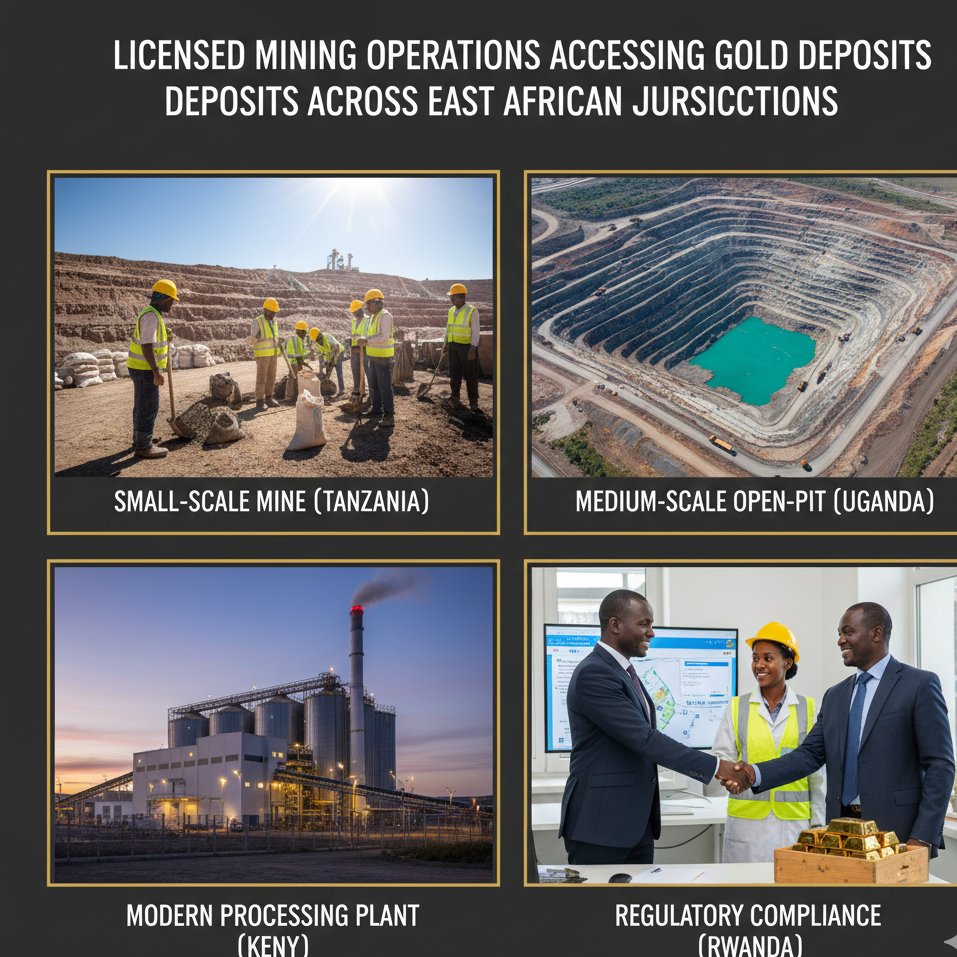
The commercial development of East African gold deposits varies significantly by jurisdiction. Some deposits support large-scale industrial mining operations with substantial capital investment and advanced processing infrastructure. Others are accessed through artisanal and small-scale mining methods that, when properly formalized and aggregated through licensed channels, can contribute reliable volumes to international supply chains. Understanding these operational contexts helps buyers evaluate supply reliability and compliance considerations.
International gold trading from East Africa requires partners who can navigate the intersection of geological potential, regulatory frameworks, and logistical realities. The most successful transactions involve verified source documentation, transparent quality assessment, and clear understanding of export procedures. These factors become particularly important when engaging with developing production areas where exploration data continues to evolve and operational practices mature.
Regional Perspective
South Sudan contains some of East Africa’s most actively developed gold deposits within Africa Gold Reserve’s operational network. Gold-bearing formations in regions such as Kafia Kingi, Kapoeta, and other eastern and central areas have supported both historical extraction and contemporary production activities. South Sudan gold suppliers have established trade relationships primarily serving Middle Eastern markets, with the South Sudan to UAE route functioning as a documented export channel that connects regional deposits to international refining capacity.
Tanzania maintains more mature gold deposit development with established industrial mining operations in regions such as Geita, Mara, and Shinyanga. The country’s regulatory framework and infrastructure support systematic resource evaluation, permitting, and production planning that appeal to buyers seeking predictable supply profiles. Kenya and Uganda host prospective gold-bearing terrain that serves both as direct production sources and as transit corridors facilitating movement of material from interior deposits to coastal export points.
In contrast to gold export from Ghana or operations by South Africa gold exporters, East African deposit development often involves different exploration timelines, infrastructure requirements, and commercial structuring approaches. Buyers seeking to buy gold from Africa benefit from partners who can evaluate geological potential alongside operational feasibility and compliance readiness across multiple regional contexts.
Africa Gold Reserve’s Approach
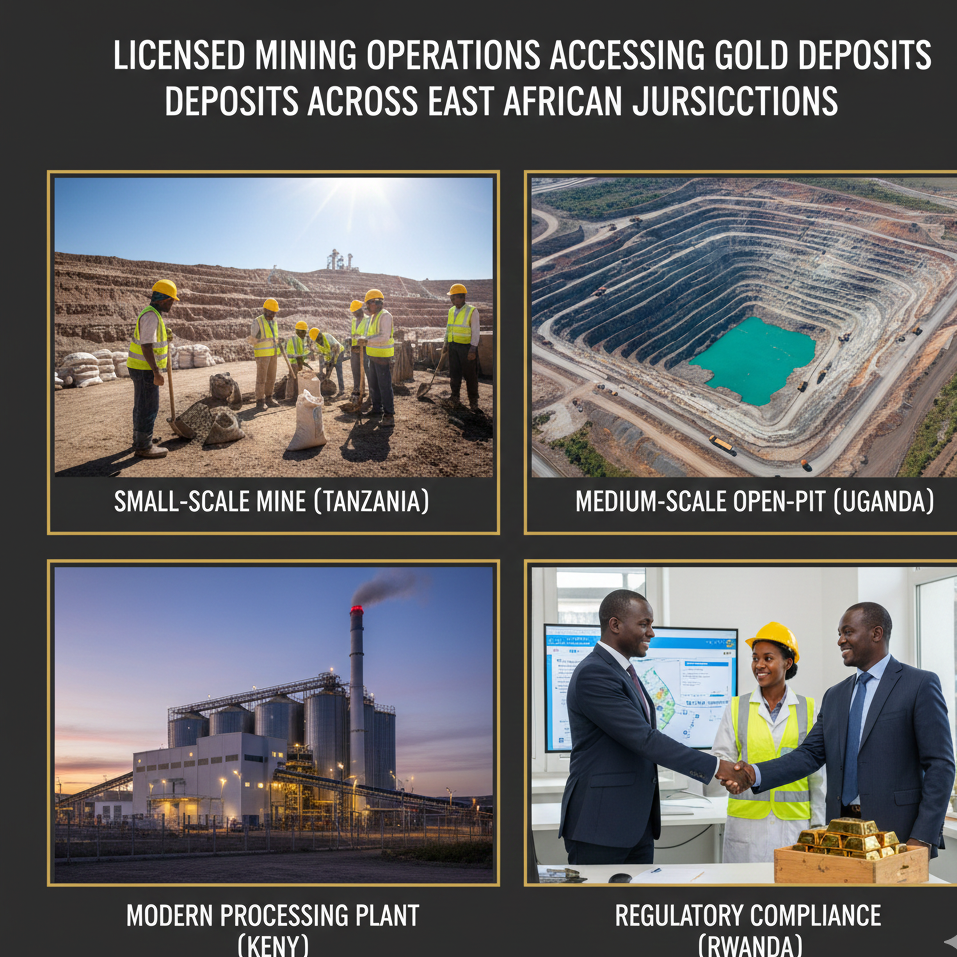
Africa Gold Reserve maintains strategic operational presence in South Sudan as part of our broader African footprint, which includes Ghana, South Africa, and the United Kingdom. Since our founding in 2015, we have focused on building direct relationships with licensed operators accessing gold deposits through formal regulatory channels. This ground-level engagement enables consistent access to supply while maintaining compliance with local and international responsible sourcing standards.
Our headquarters in South Africa provides strategic oversight of continental operations, while regional teams maintain day-to-day engagement with producers, local authorities, and technical partners in East Africa. We specialize in buying gold from local mines and acquiring material from licensed local sellers who can demonstrate legitimate access to gold deposits through proper permitting and community agreements. Gold remains our primary export focus, though we maintain capability to handle other minerals when client requirements demand.
For clients in the UAE, United States, China, Europe, and broader Asian markets, we provide transparent supply chains backed by verified sourcing and comprehensive documentation. Whether facilitating trade from South Sudan to UAE, Ghana to the United States, or South Africa to China, our operational model prioritizes reliability, compliance, and clear communication throughout the transaction process.
Buying and Export Process
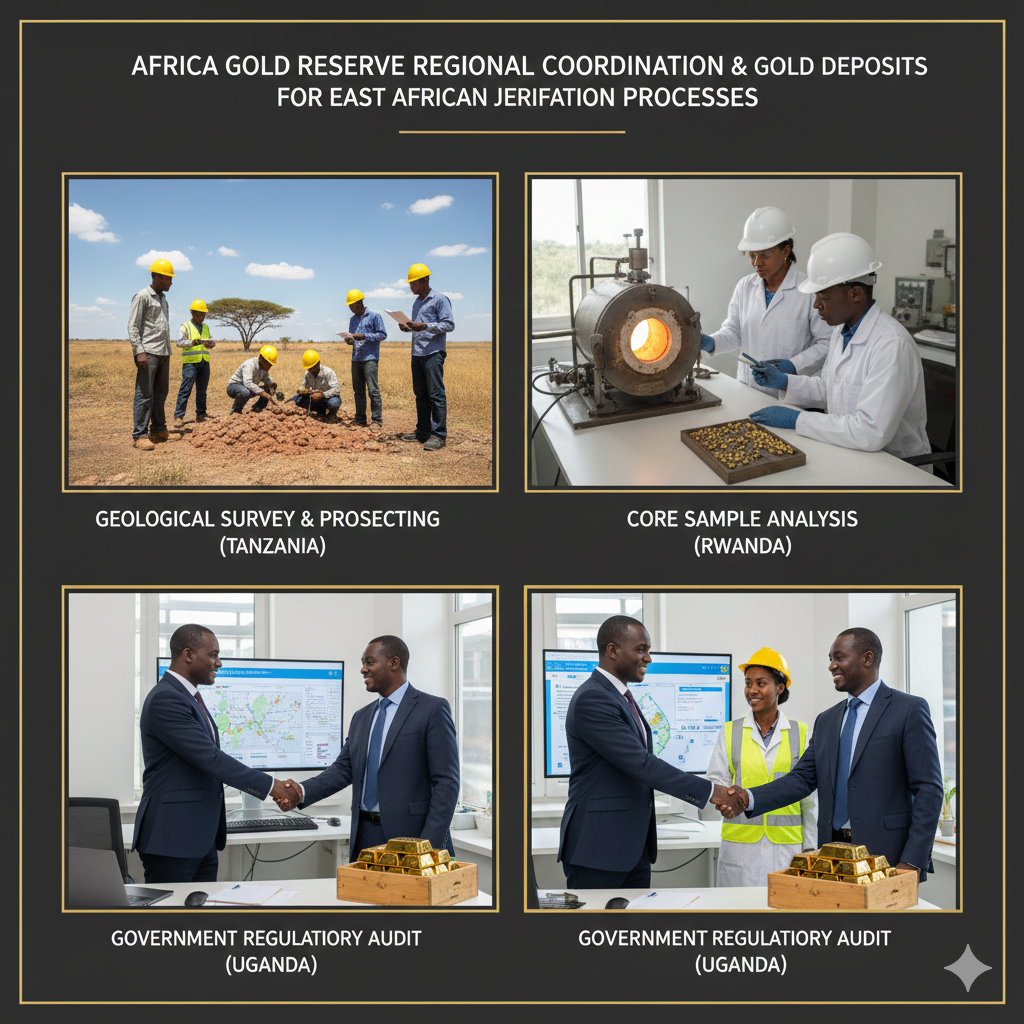
Our procurement process in East Africa begins with comprehensive verification of all supply sources to confirm legitimate access to gold deposits, proper licensing, and compliance with local regulations. Gold acquired from licensed small-scale miners or authorized sellers undergoes rigorous assay verification at certified laboratories. This quality assessment ensures that buyers receive material meeting their specified purity requirements and can be efficiently processed by international refineries.
Export procedures incorporate comprehensive documentation including export licenses, certificates of origin, assay certificates, and customs declarations. We coordinate with experienced logistics partners who specialize in secure transportation of precious metals, ensuring that gold moves safely from East African production areas to international destinations. Insurance coverage and tracking systems provide additional layers of security throughout transit.
Throughout each transaction, we maintain clear communication channels with buyers, providing regular updates on documentation status, shipment schedules, and delivery timelines. This systematic approach to export management reduces uncertainty and enables buyers to plan their refining or trading operations with confidence. Our experience as African gold exporters has taught us that consistent communication and transparent processes are as important as the physical product itself.
Global Demand
International demand for gold from East African deposits continues to strengthen, particularly from refineries and trading centers in the Middle East and Asia. The UAE has solidified its position as a major hub for African gold, with Dubai refineries processing significant volumes from East African sources. This demand supports continued investment in deposit evaluation, formalized sourcing channels, and export infrastructure connecting South Sudan gold suppliers to international markets.
United States buyers maintain interest in diversified African supply, including selective engagement with East African sources when proper documentation and compliance frameworks are demonstrated. Chinese refineries and traders have increased engagement with African gold exporters across multiple regions, leveraging established trade relationships and efficient shipping routes to serve both domestic consumption and re-export markets.
European buyers, particularly those subject to enhanced due diligence requirements, prioritize working with African gold exporters who can provide comprehensive documentation and demonstrate adherence to responsible sourcing standards. This trend encourages continued formalization of East African supply chains and rewards operators who invest in transparency, geological verification, and compliance infrastructure.
Market participants observe that buyers increasingly value long-term supply relationships and consistent performance over transactional arrangements. This shift favors established partners who can demonstrate operational excellence across the entire supply chain, from deposit-level sourcing through international export.
Why Buyers Work with Africa Gold Reserve
International buyers select Africa Gold Reserve for our operational expertise in East African gold markets, regulatory compliance, and commitment to transparent business practices. Our decade of experience across multiple African jurisdictions, including focused engagement with South Sudan’s gold deposits, enables us to provide reliable supply while maintaining rigorous quality and compliance standards. We understand the complexities of international gold trading and have developed systems to manage them effectively.
Our geographic presence in Ghana, South Africa, and South Sudan allows buyers to access diversified supply sources through a single, accountable partner. This consolidation simplifies procurement processes, reduces administrative burden, and ensures consistent quality standards across different regions. Buyers working with us benefit from our established networks, geological knowledge, and commitment to responsible sourcing practices.
Transparency and communication form the foundation of our client relationships. We provide clear documentation, regular updates, and responsive support throughout each transaction. As a trusted gold exporter, we maintain licensing and compliance frameworks that meet the due diligence requirements of institutional buyers, refineries, and regulated trading entities operating in international markets.
Conclusion
Gold deposits in East Africa represent a growing and increasingly accessible component of the continent’s contribution to global gold supply. For buyers seeking to diversify African sourcing strategies, understanding regional geological potential and working with experienced partners who bridge local production and global markets reduces risk and enhances supply chain reliability. Success in this space requires partners who understand geological contexts, maintain regulatory compliance, and prioritize transparent business practices.
Africa Gold Reserve has built our reputation on operational excellence, regulatory compliance, and transparent business practices across our African operations, including our engagement with East African gold deposits. We invite commodity traders, refineries, importers, and institutional investors to contact us to discuss current supply opportunities, sourcing capabilities, and potential partnerships tailored to your specific requirements.
Website: africagoldreserve.com
Email: sales@africagoldreserve.com