
Gold Discoveries in Africa: Market Implications for International Buyers and Investors
Introduction
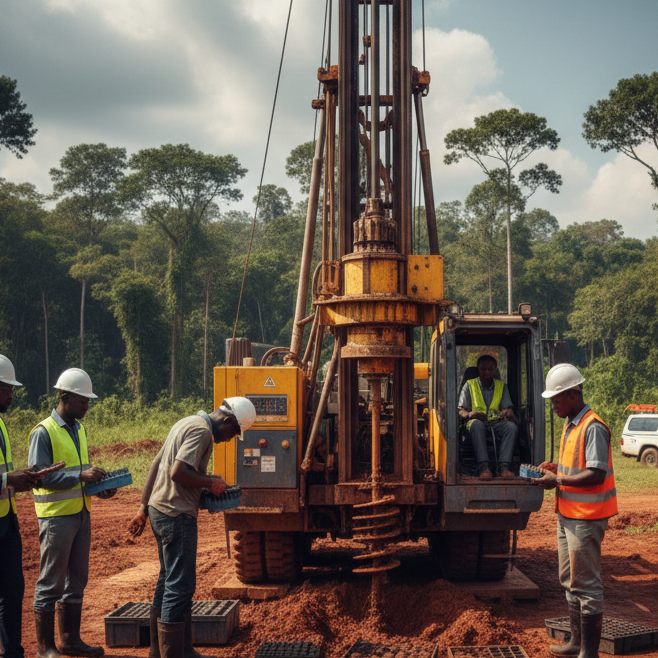
Africa continues to be at the forefront of global gold production, with new discoveries and expanded mining operations reshaping the continent’s position in international commodity markets. Recent geological surveys and exploration activities have identified significant deposits across multiple regions, attracting attention from institutional investors, refineries, and commodity traders seeking diversified supply sources. Understanding the landscape of gold discoveries in Africa is essential for buyers looking to establish or expand their sourcing strategies in this dynamic market.
Africa Gold Reserve has monitored exploration and production developments across the continent since 2015, building operational expertise in regions with proven reserves and established export infrastructure. This article examines recent discoveries, their commercial viability, and what they mean for international buyers seeking reliable gold supply from African sources.
Industry Context
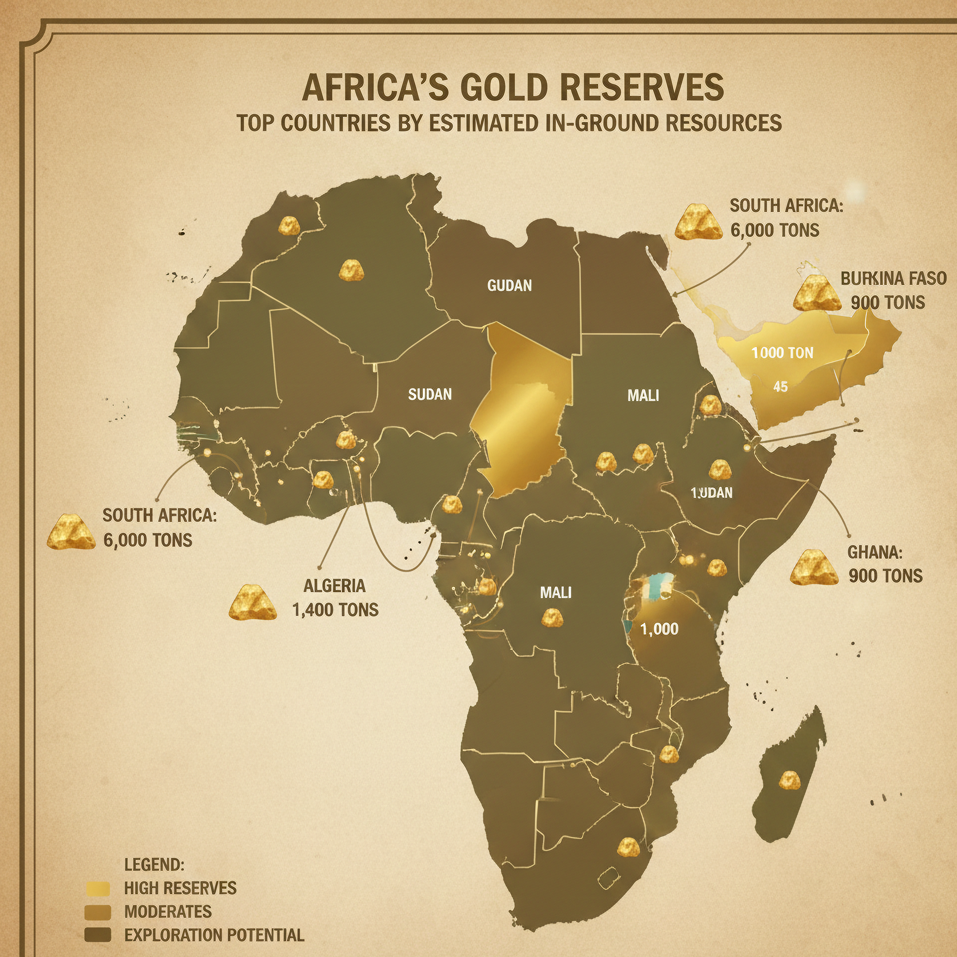
Gold discoveries in Africa span a spectrum from large-scale industrial deposits to artisanal mining areas that have operated for generations. The continent’s geological formations, particularly in West Africa’s Birimian greenstone belts and East African cratons, continue to yield significant finds that attract both major mining corporations and smaller exploration companies. These discoveries contribute to Africa’s position as a major global gold producer, accounting for substantial percentages of worldwide output.
The commercial development of new gold discoveries requires significant capital investment, regulatory approvals, and infrastructure development. Many promising finds remain in exploration phases for years before reaching production status. For international buyers, this means that established producing regions with operational mines and export channels often provide more immediate supply opportunities than newly discovered deposits still undergoing development.
International gold trading from Africa depends on verified production sources, proper licensing, and compliance with increasingly stringent due diligence requirements. Buyers must distinguish between speculative exploration news and commercially viable production sources when evaluating supply options. The most reliable partnerships are built with operators who have demonstrated production capacity and established export track records.

Regional Perspective
West Africa remains the epicenter of significant gold discoveries and production expansion. Ghana continues to attract exploration investment while maintaining its position as one of Africa’s leading gold producers. The country’s gold export from Ghana sector benefits from favorable geology, established mining infrastructure, and a regulatory framework that balances development with environmental and social considerations. International buyers value Ghana’s consistent production volumes and transparent licensing systems.
South Africa, despite being a mature mining jurisdiction, continues to see exploration activities in underexplored regions and depth extensions of known deposits. South Africa gold exporters operate within sophisticated regulatory and financial systems that provide certainty for international transactions. The country’s deep-level mining expertise and established refining capacity maintain its relevance in global gold markets, even as production profiles evolve.
South Sudan represents an emerging frontier with growing recognition of its gold potential. South Sudan gold suppliers have developed trade relationships primarily with Middle Eastern refineries, establishing the South Sudan to UAE route as an active export corridor. While the sector continues to develop formal structures, buyers interested in this region must carefully evaluate documentation, compliance protocols, and operational partnerships.
These regional dynamics illustrate that Africa’s gold sector is not monolithic. Each producing area offers distinct advantages based on geological endowment, regulatory maturity, infrastructure development, and market access. Buyers seeking to buy gold from Africa benefit from understanding these regional characteristics when developing sourcing strategies.
Africa Gold Reserve’s Approach
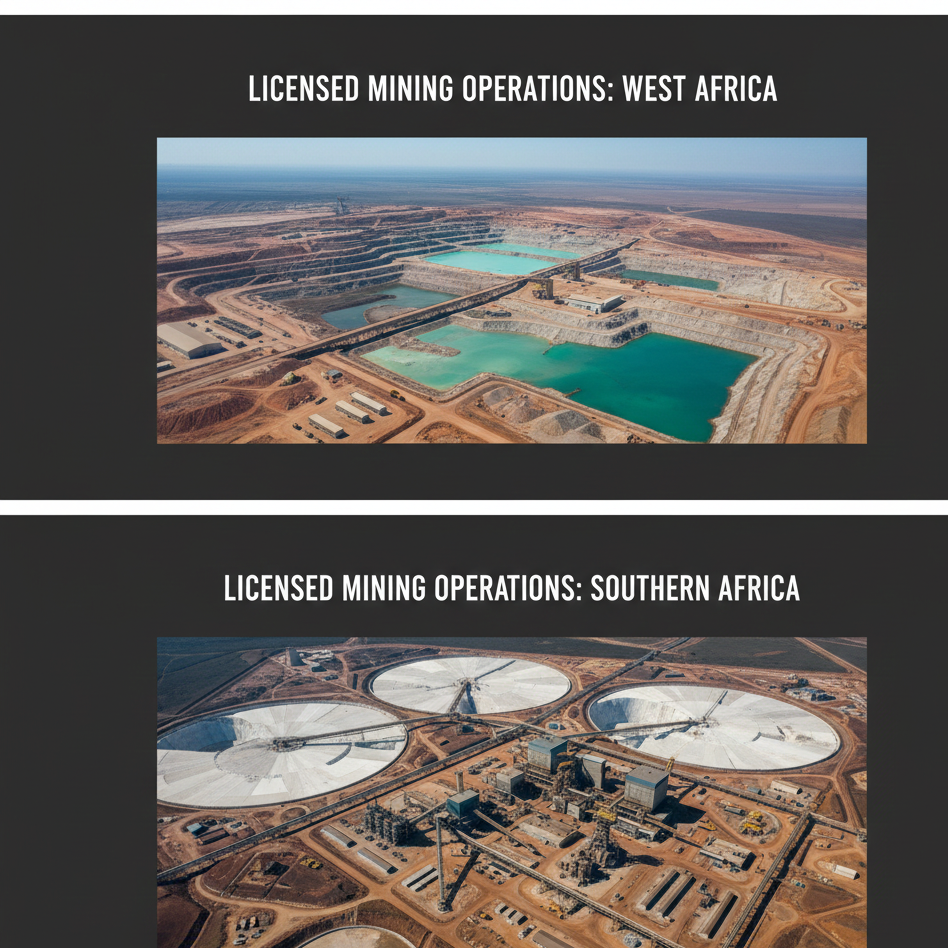
Africa Gold Reserve focuses its operations on regions with proven production capacity and established export infrastructure rather than speculative exploration areas. Since our founding in 2015, we have concentrated on building relationships with licensed mines, small-scale mining cooperatives, and authorized sellers in Ghana, South Africa, and South Sudan. This strategic focus enables us to provide consistent supply while maintaining rigorous compliance standards.
Our headquarters in South Africa provides operational oversight, while regional teams maintain direct relationships with producers and local authorities. We specialize in buying gold from local mines and acquiring material from licensed local sellers who operate within formal regulatory frameworks. This ground-level presence allows us to verify production sources, ensure proper documentation, and maintain quality control throughout the supply chain.
While we monitor exploration news and new discoveries across the continent, our business model prioritizes working with established production sources that can demonstrate consistent output and compliance with international standards. Our operations in the United Kingdom facilitate international transactions and provide additional oversight for clients in European and global markets. This approach has enabled us to serve buyers in the UAE, United States, China, Europe, and broader Asian markets with reliable supply and transparent processes.
Buying and Export Process
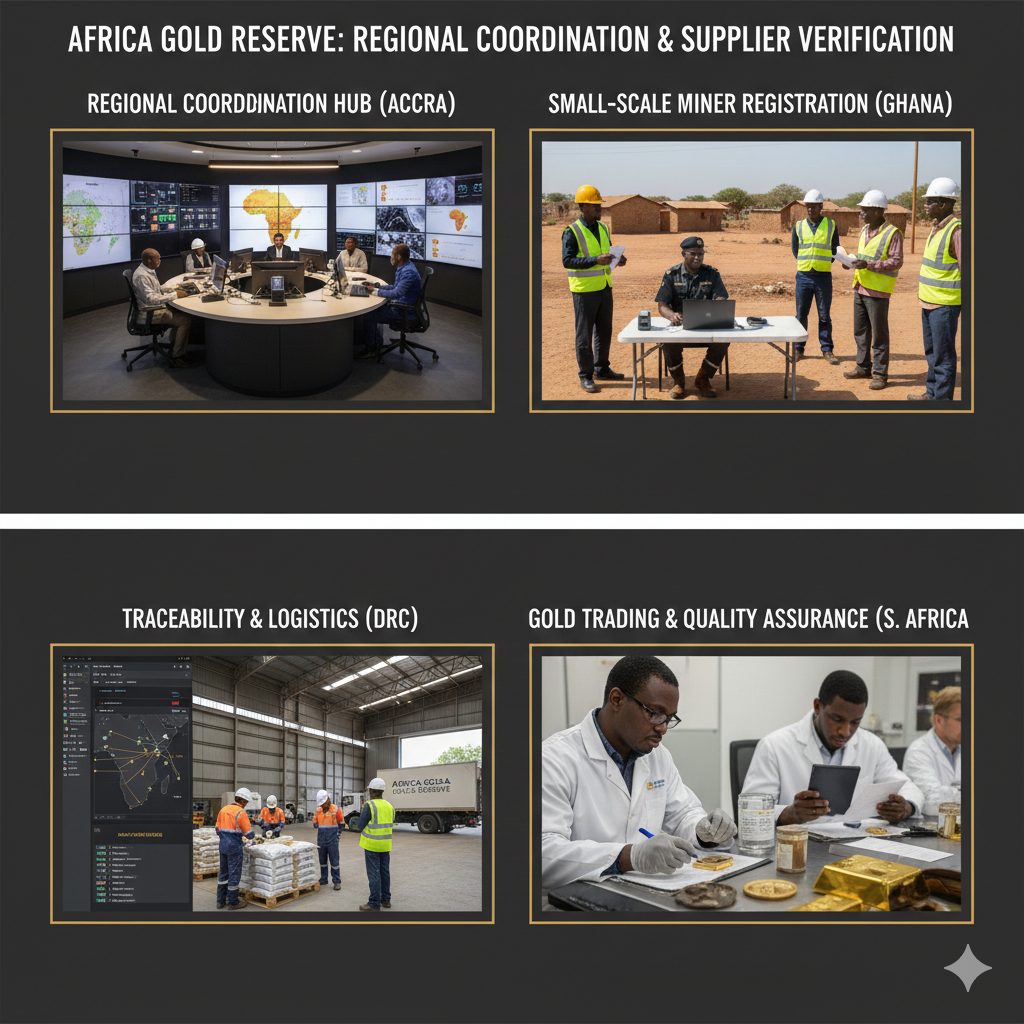
Our sourcing process begins with comprehensive verification of all suppliers and production sources. We work exclusively with licensed mines and authorized sellers who can demonstrate legal ownership, proper permitting, and compliance with local regulations. This due diligence includes reviewing mining licenses, tax documentation, environmental compliance records, and community agreements where applicable.
Once gold is acquired from small-scale miners or established operations, it undergoes rigorous testing and assay verification at certified laboratories. We document purity levels through internationally recognized certification that meets refinery specifications. This transparency in quality assessment provides buyers with confidence in product specifications and enables smooth integration into their refining or trading operations.
Export procedures require careful coordination of documentation, including export licenses, certificates of origin, customs declarations, and transport insurance. We manage logistics through secured transportation providers and freight forwarders experienced in handling precious metals. Whether facilitating gold export from Ghana to the United States, South Africa to China, or South Sudan to UAE, we maintain comprehensive tracking and insurance coverage throughout transit.
Throughout the process, we maintain clear communication channels with buyers, providing regular updates on shipment status, documentation progress, and delivery timelines. This systematic approach reduces uncertainty and enables buyers to plan their operations with confidence.
Global Demand
International demand for African gold remains robust across multiple regions, driven by diverse end markets and expanding refining capacity. The UAE has solidified its position as a major hub for African gold, with Dubai refineries processing significant volumes from multiple producing countries. This has created strong demand for gold from East African suppliers and established trade corridors that benefit from geographic proximity.
United States buyers maintain steady interest in West African gold, particularly from Ghana, attracted by the region’s regulatory stability and consistent quality standards. Chinese refineries and traders have increased engagement with South African and West African suppliers, leveraging established trade relationships and efficient shipping routes to serve both domestic consumption and re-export markets.
European buyers, particularly those subject to enhanced due diligence requirements under EU regulations, prioritize working with African gold exporters who can provide comprehensive documentation and demonstrate adherence to responsible sourcing standards. Asian markets beyond China, including India and Southeast Asian refining centers, represent growing destinations for African gold production.
Market participants observe that buyers increasingly value long-term supply relationships and consistent performance over transactional arrangements. This shift favors established African gold exporters with proven track records, robust compliance frameworks, and the operational capacity to deliver reliably over multiple years. New discoveries may attract speculative interest, but commercial buyers prioritize verified production sources with established export capabilities.
Why Buyers Work with Africa Gold Reserve
International buyers select Africa Gold Reserve based on operational reliability, regulatory compliance, and transparent business practices. Our decade of experience across multiple African jurisdictions provides depth of knowledge that translates into smoother transactions and fewer complications. We understand the practical challenges of international gold trading and have developed systems to address them effectively.
Our presence in Ghana, South Africa, and South Sudan enables geographic diversification while maintaining operational focus. Buyers working with us can access gold from different producing regions through a single partner, simplifying procurement processes and reducing administrative overhead. This consolidation proves particularly valuable for refineries and traders seeking consistent supply without managing multiple supplier relationships.
Transparency forms the foundation of our client relationships. We provide clear information about product specifications, pricing structures, export timelines, and any factors that might affect delivery schedules. This straightforward approach aligns with the expectations of professional commodity traders and institutional investors who require reliable information for decision-making.
As a trusted gold exporter, we maintain licensing and compliance frameworks that meet the due diligence requirements of international buyers, including those subject to enhanced regulatory scrutiny. Our documentation trails satisfy responsible sourcing standards and international trade regulations, providing buyers with confidence in the legitimacy and traceability of their supply chains.
Conclusion
Africa’s gold sector continues to evolve with new discoveries and expanding production capacity across multiple regions. While exploration news generates interest, international buyers seeking reliable supply benefit from working with established production sources and experienced export partners. The combination of geological potential, operational expertise, and regulatory compliance creates opportunities for buyers who approach the market with proper due diligence.
Africa Gold Reserve has built our reputation on operational excellence, supplier relationships, and client communication, positioning ourselves as a reliable partner for buyers seeking to establish or expand their African gold sourcing programs. We focus on verified production sources, transparent processes, and consistent delivery to serve the needs of refineries, commodity traders, and institutional investors.
For buyers looking to buy gold from Africa through established channels with full documentation and compliance, we invite you to initiate direct communication to discuss your specific requirements and potential supply arrangements.
Website: africagoldreserve.com
Email: sales@africagoldreserve.com