
Gold in Mali: West Africa’s Emerging Production Hub and Sourcing Considerations for International Buyers
Introduction
Mali has established itself as one of West Africa’s most significant gold-producing nations, with output consistently ranking among the continent’s highest and geological endowments linked to the prolific Birimian greenstone belts. For international buyers, commodity traders, and institutional investors evaluating African supply sources, understanding Mali’s gold sector—including its production profile, regulatory environment, and integration into regional trade corridors—provides valuable context for diversification strategies and risk assessment. While Africa Gold Reserve maintains operational focus on Ghana, South Africa, and South Sudan, monitoring developments across West Africa’s gold landscape, including Mali, informs our broader market perspective and client advisory capabilities.
This article examines gold production in Mali within the context of African gold exports, offering practical insights for buyers evaluating sourcing options across the continent’s diverse producing regions.

Industry Context
Mali’s gold sector operates within a framework that includes both large-scale industrial mining and extensive artisanal production. The country’s geology, part of the West African Craton and Birimian formations shared with Ghana, Burkina Faso, and Guinea, hosts significant gold-bearing quartz veins, shear zones, and alluvial deposits that have attracted major international mining investment alongside local mining activity. Production volumes have grown substantially over the past two decades, positioning Mali among Africa’s leading gold exporters.
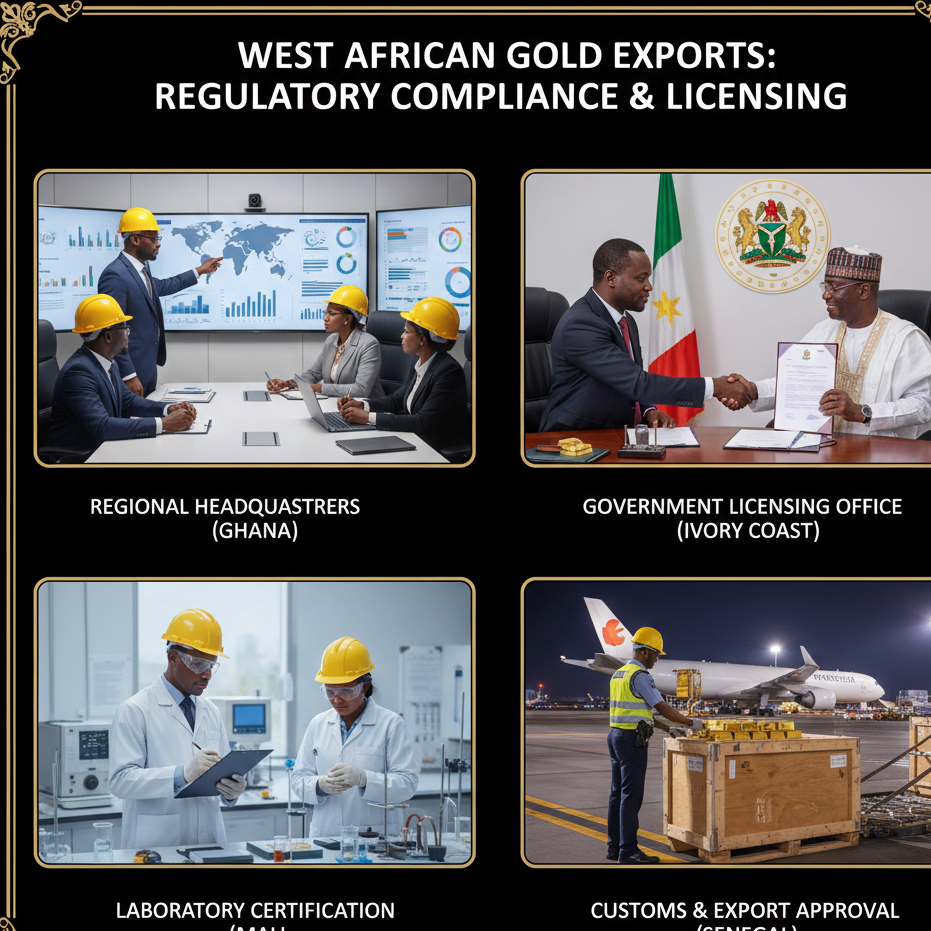
The regulatory environment governing gold extraction and export in Mali has evolved through periods of reform aimed at strengthening governance, improving transparency, and aligning with international responsible sourcing standards. Government authorities have implemented measures to formalize artisanal mining sectors, enhance revenue collection, and attract compliant international investment. However, buyers must navigate considerations including infrastructure development, documentation systems, security dynamics, and export channel reliability when evaluating Malian supply options.
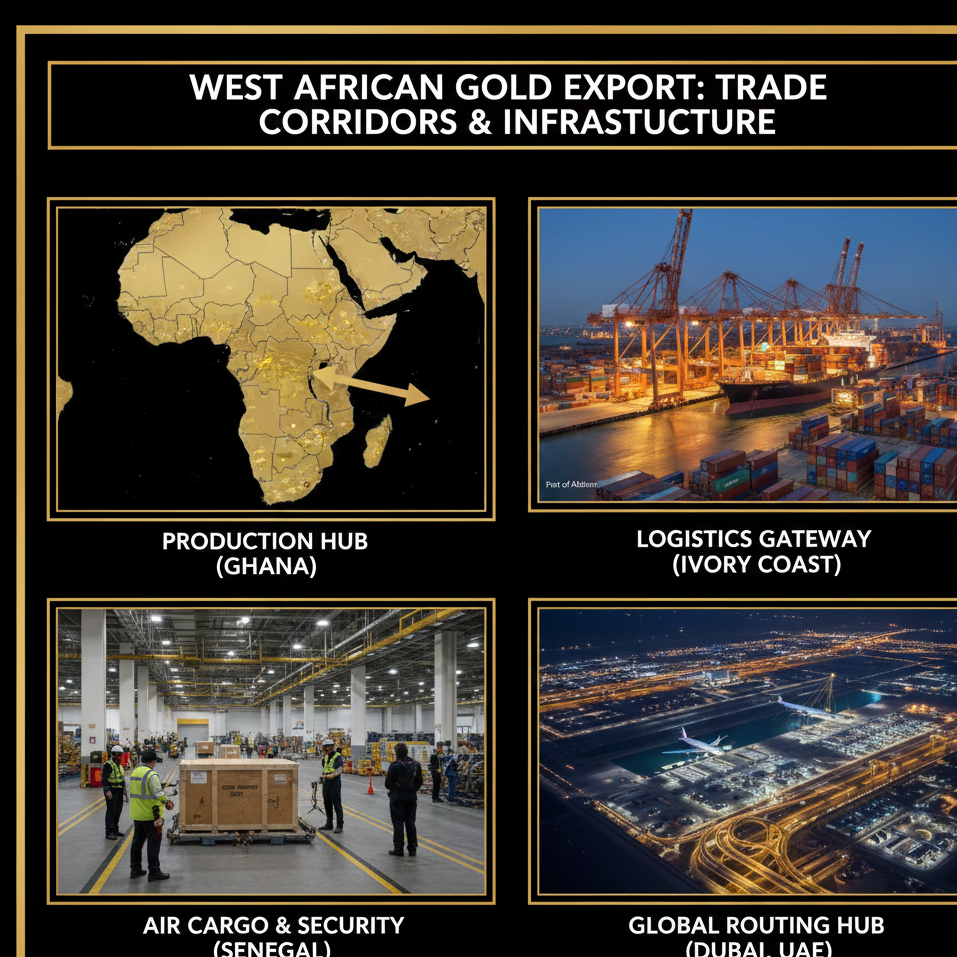
International gold trading from West Africa requires partners with regional knowledge and established compliance protocols. The most successful transactions involve thorough due diligence, verified supply chains, and clear understanding of export procedures. These factors become particularly important when engaging with production areas where operational practices and regulatory frameworks continue to mature.
Regional Perspective
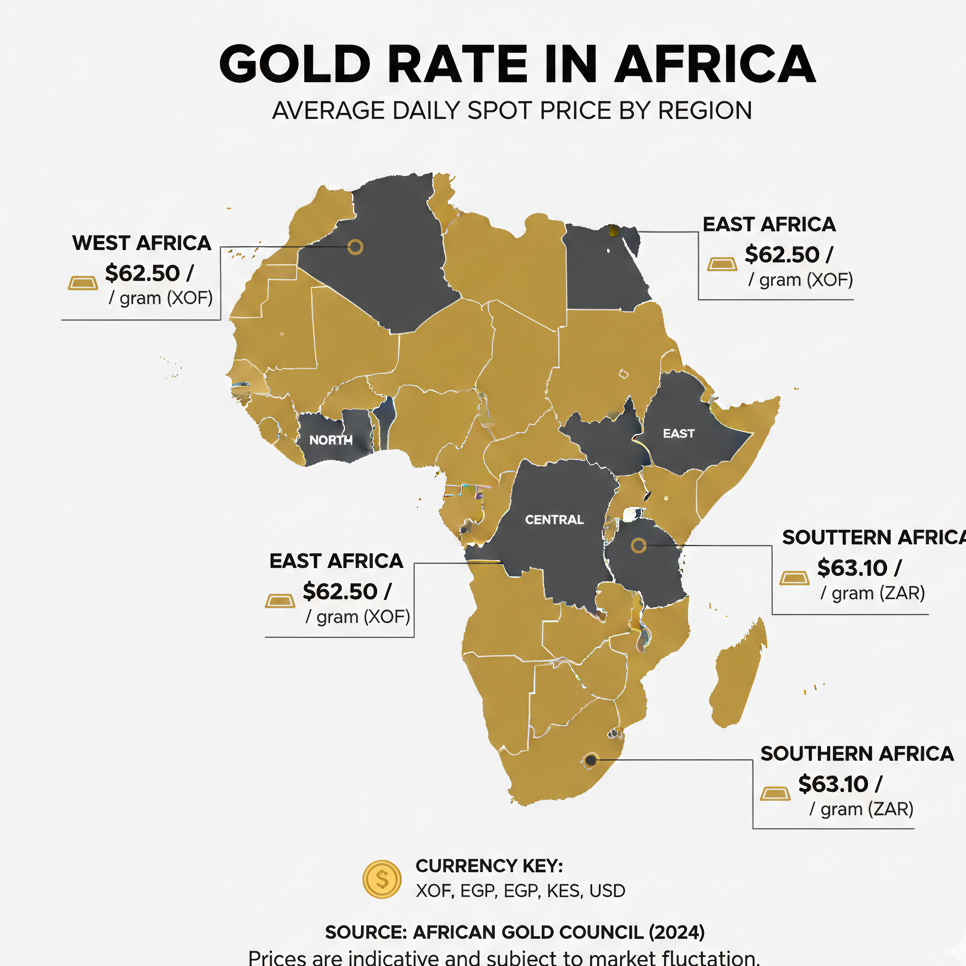
Mali’s gold sector benefits from proximity to more established West African producing regions. Gold export from Ghana, for example, operates within a mature regulatory environment that offers benchmarks for neighboring jurisdictions pursuing sector formalization and export channel development. Buyers comparing opportunities across West Africa should evaluate not only geological potential and production volumes but also regulatory maturity, infrastructure development, and export documentation consistency when assessing sourcing strategies.
South Africa gold exporters operate within one of the continent’s most sophisticated mining jurisdictions, providing a reference point for compliance standards, quality verification protocols, and transaction transparency. While Mali’s sector continues developing, established African gold exporters in Southern and West Africa offer more predictable operating environments for buyers prioritizing supply reliability and auditable documentation trails.
South Sudan gold suppliers illustrate how emerging African producers can establish trade corridors—such as the South Sudan to UAE route—when supported by appropriate infrastructure, regulatory clarity, and experienced trading partners. Mali’s integration into regional and international export networks follows similar principles, though commercial scale and buyer confidence depend on continued investment in governance, logistics, and market linkages.
Understanding these regional dynamics helps buyers develop sourcing strategies that balance opportunity with risk management, recognizing that production volume alone does not determine commercial viability or supply chain reliability.
Africa Gold Reserve’s Approach
Africa Gold Reserve focuses its operations on regions with established regulatory frameworks and proven export infrastructure. Since our founding in 2015, we have concentrated on building relationships with licensed mines, small-scale mining cooperatives, and authorized sellers in Ghana, South Africa, and South Sudan. Our headquarters in South Africa provides strategic oversight of continental operations, while regional teams maintain day-to-day engagement with producers and local authorities across our operational jurisdictions.
While we monitor developments across West Africa, including Mali’s evolving gold sector, our operational model prioritizes working with established production sources that can demonstrate consistent output, regulatory compliance, and alignment with international responsible sourcing standards. This strategy has enabled us to serve clients in the UAE, United States, China, Europe, and broader Asian markets with reliable supply and transparent processes. Our experience as African gold exporters has taught us that sustainable business relationships require operational depth, regulatory certainty, and clear communication channels.
For buyers interested in broader West African markets, we provide informed perspective on regional developments while directing procurement activities through our verified operational channels in Ghana, South Africa, and South Sudan. This approach ensures that clients benefit from our continental knowledge while maintaining the compliance and reliability standards expected by institutional buyers and regulated trading entities.
Buying and Export Process
Our procurement process begins with comprehensive verification of all supply sources to confirm licensing status, operational legitimacy, and compliance with local regulations. Gold acquired from licensed mines or authorized sellers in our operational regions undergoes rigorous assay verification at certified laboratories. This quality assessment ensures that buyers receive material meeting their specified purity requirements and can be efficiently processed by international refineries.
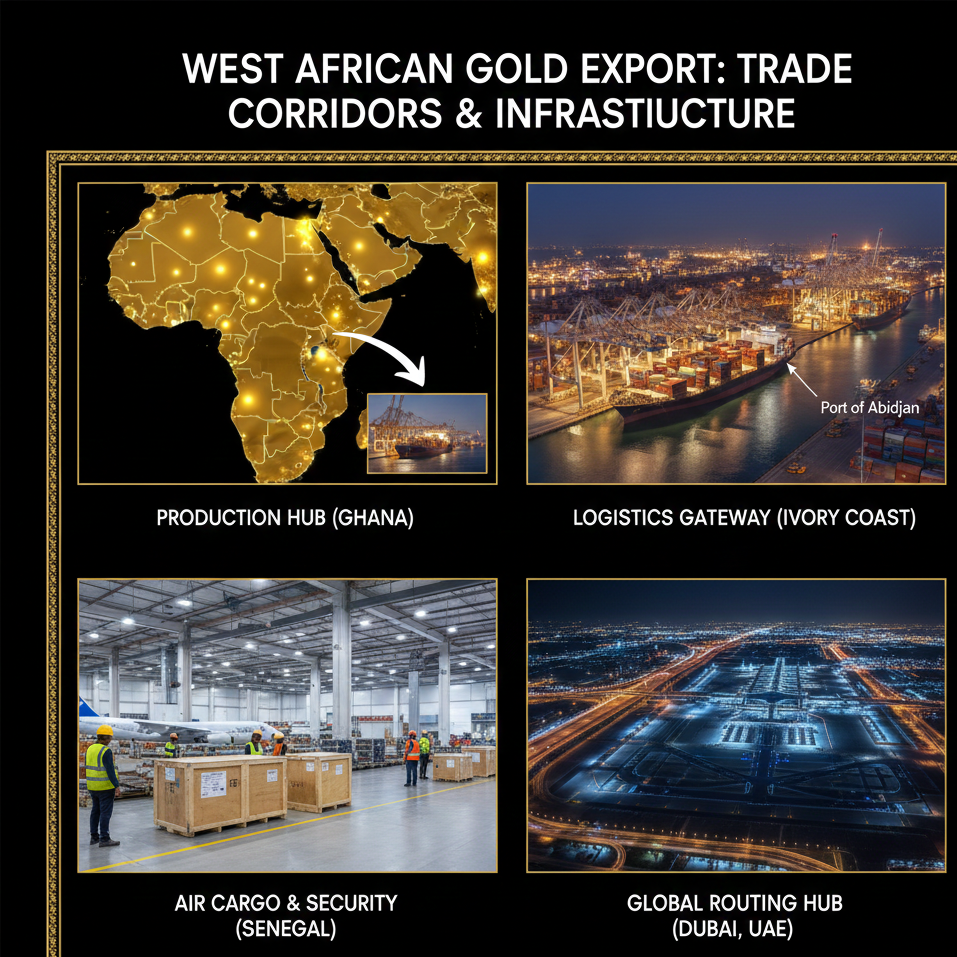
Export procedures incorporate comprehensive documentation including export licenses, certificates of origin, assay certificates, and customs declarations. We coordinate with experienced logistics partners who specialize in secure transportation of precious metals, ensuring that gold moves safely from production areas to international destinations. Insurance coverage and tracking systems provide additional layers of security throughout transit.
Throughout each transaction, we maintain clear communication channels with buyers, providing regular updates on documentation status, shipment schedules, and delivery timelines. Whether facilitating gold export from Ghana to the United States, South Africa to China, or South Sudan to UAE, our systematic approach to export management reduces uncertainty and enables buyers to plan their refining or trading operations with confidence.
Global Demand
International demand for African gold remains robust across multiple regions, driven by diverse end markets and expanding refining capacity. Refineries in the UAE continue to process significant volumes from African sources, with Dubai serving as a major hub that connects production from multiple jurisdictions to global markets. This demand supports continued development of formalized supply chains across West, Southern, and East Africa.
United States buyers maintain steady interest in West African gold, particularly gold export from Ghana, attracted by the region’s regulatory stability, consistent quality standards, and Atlantic shipping access. Chinese refineries and traders have increased engagement with South Africa gold exporters, leveraging established trade relationships and efficient Indian Ocean shipping routes to serve both domestic consumption and re-export markets.
European buyers, particularly those subject to enhanced due diligence requirements, prioritize working with African gold exporters who can provide comprehensive documentation and demonstrate adherence to responsible sourcing standards. Asian markets beyond China, including India and Southeast Asian refining centers, represent growing destinations for African gold production.
Market participants observe that buyers increasingly value long-term supply relationships and consistent performance over transactional arrangements. This shift favors established African gold exporters who can demonstrate operational excellence across the entire supply chain, from local sourcing through international export.
Why Buyers Work with Africa Gold Reserve
International buyers select Africa Gold Reserve for our operational expertise, regulatory compliance, and commitment to transparent business practices across multiple African jurisdictions. Our decade of experience enables us to provide reliable supply while maintaining rigorous quality and documentation standards that meet contemporary international expectations for institutional buyers and regulated trading entities.
Our geographic presence in Ghana, South Africa, and South Sudan allows buyers to access diversified supply sources through a single, accountable partner. This consolidation simplifies procurement processes, reduces administrative burden, and ensures consistent quality standards across regions with distinct regulatory environments and logistical considerations. Buyers working with us benefit from established networks, regional knowledge, and commitment to responsible sourcing practices grounded in practical trade experience.
Transparency and communication form the foundation of our client relationships. We provide clear documentation, regular updates, and responsive support throughout each transaction. As a trusted gold exporter, we maintain licensing and compliance frameworks that meet the due diligence requirements of institutional buyers, refineries, and regulated trading entities operating in international markets.
Conclusion
Gold production in Mali represents a significant component of West Africa’s contribution to global gold supply, with geological endowments linked to productive regional formations and ongoing efforts to strengthen regulatory and commercial frameworks. For international buyers seeking to diversify African sourcing strategies, understanding the development trajectory of emerging markets alongside established producing regions supports informed risk assessment and procurement planning.
Africa Gold Reserve has built our reputation on operational excellence, regulatory compliance, and transparent business practices across our African operations. We invite commodity traders, refineries, importers, and institutional investors to contact us to discuss current supply opportunities, sourcing capabilities, and potential partnerships informed by both regional insight and contemporary market requirements.
Website: africagoldreserve.com
Email: sales@africagoldreserve.com