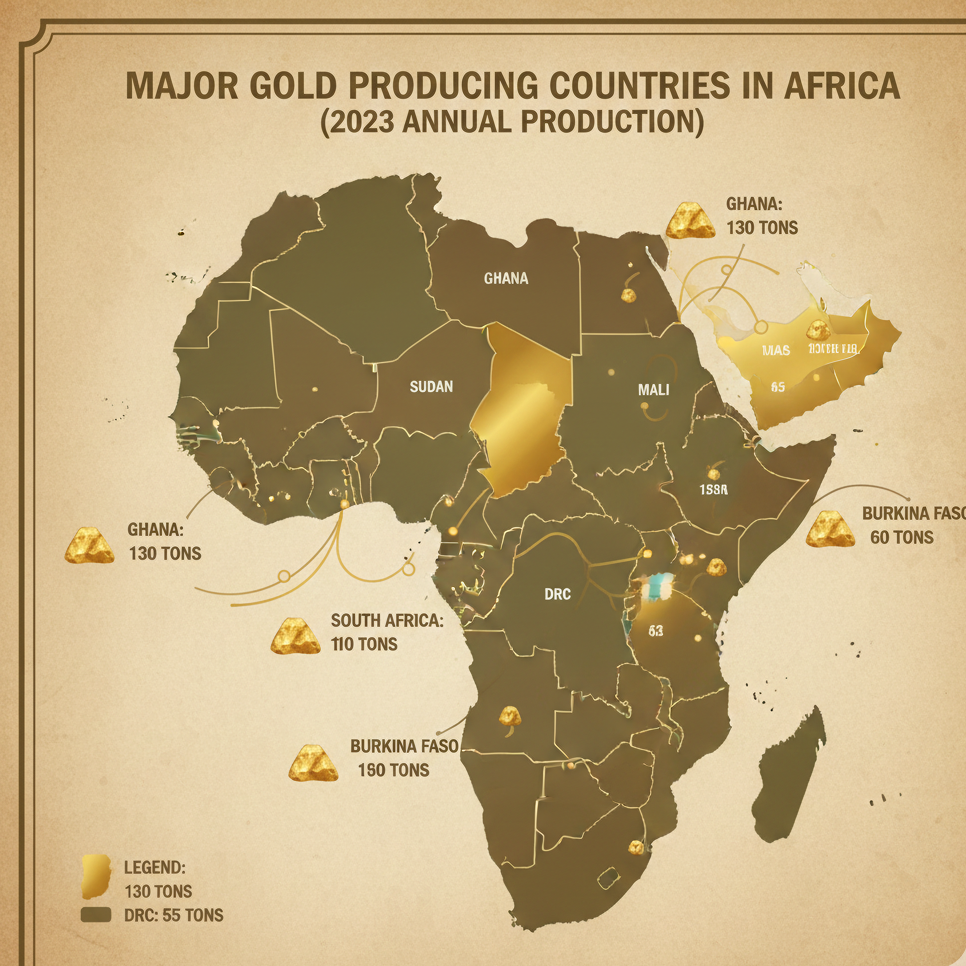

Gold in Venezuela Versus Africa: Contrasting Supply Realities for International Buyers
Gold production occurs in both Venezuela and Africa, but the two regions present fundamentally different risk profiles, regulatory environments, and supply chain characteristics for international buyers. Africa supplies approximately 20 percent of annual global gold production through increasingly structured channels across multiple jurisdictions, while Venezuela’s sector operates under severe constraints including international sanctions, governance challenges, and widespread illicit mining activity. For refineries, commodity traders, and institutional investors evaluating supply sources, understanding these distinctions is essential to building procurement strategies grounded in compliance and supply chain integrity.
Industry Context: Governance and Regulatory Frameworks
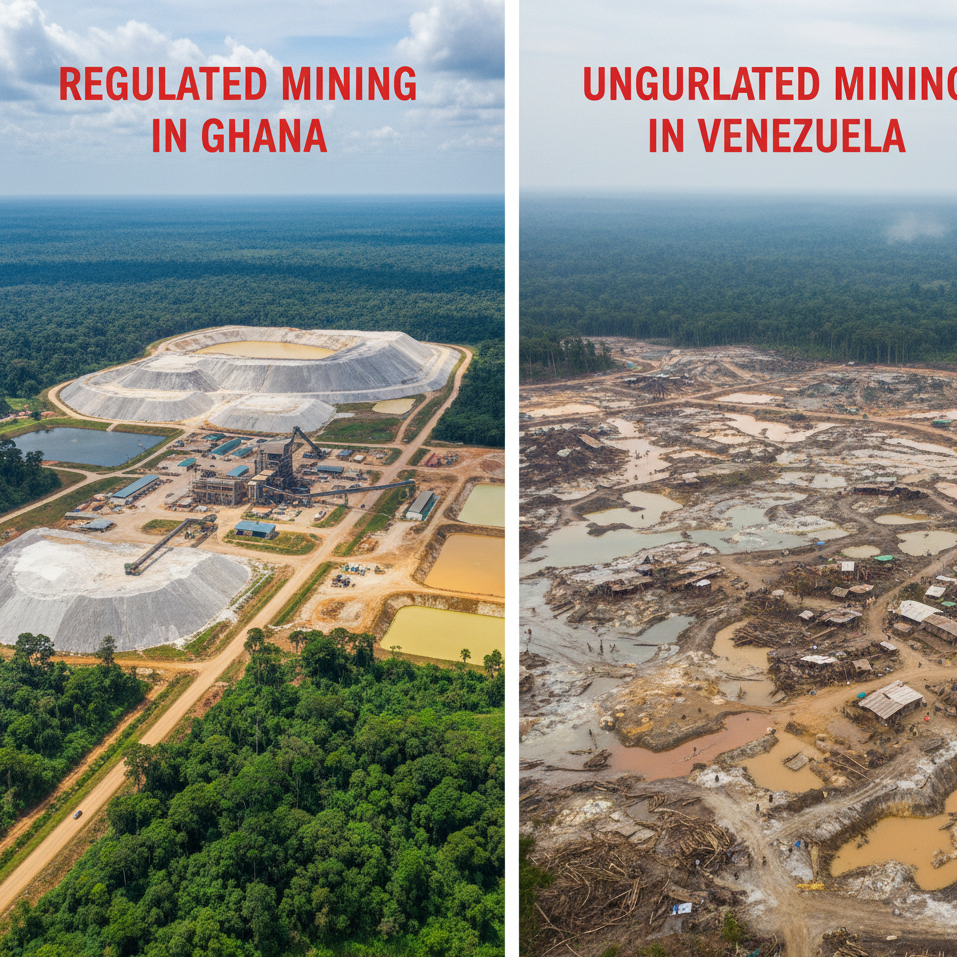
Africa’s gold sector operates across a spectrum of regulatory maturity spanning multiple sovereign jurisdictions. Leading producers including Ghana and South Africa maintain established legal frameworks—the Minerals and Mining Act and Minerals and Petroleum Resources Development Act respectively—that govern mineral rights, environmental compliance, export verification, and revenue collection. These frameworks, while varying in implementation effectiveness, create pathways for legitimate trade with verifiable documentation. Even emerging producers like South Sudan have progressively formalized artisanal output through ministry-licensed aggregators and government verification points. This multi-jurisdictional structure provides buyers with options across risk-adjusted supply sources.
Venezuela’s gold sector operates under profoundly different conditions. The country possesses substantial geological endowment within the Guiana Shield, particularly in Bolívar state’s Orinoco Mining Arc. However, production occurs amid political instability, U.S. and international sanctions targeting the gold sector since 2018, documented human rights abuses in mining areas, environmental devastation from mercury-intensive extraction, and extensive control by armed non-state actors. The Venezuelan government’s attempts to consolidate gold revenues through state entities have not resolved fundamental governance challenges or restored international market access for compliant buyers. These conditions render Venezuelan gold effectively inaccessible to responsible international markets requiring OECD due diligence compliance.
Regional Production Characteristics
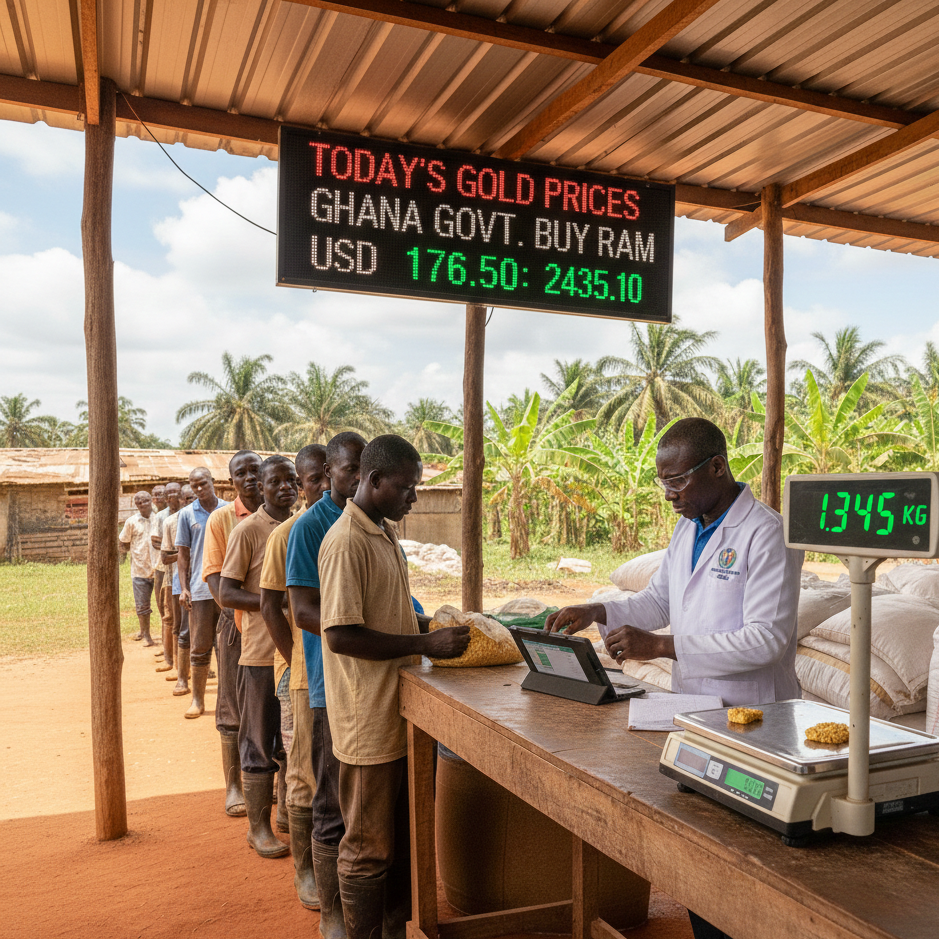
Africa’s gold production concentrates across distinct geological provinces with varying operational models. Ghana leads continental output with over 130 metric tons annually from both industrial operations and regulated small-scale mining formalized under government oversight. South Africa produces approximately 100 metric tons primarily from deep-level industrial operations with exceptional documentation rigor. Tanzania, Mali, and Burkina Faso contribute significant volumes through hybrid models combining industrial and formalized artisanal production. Crucially, these jurisdictions maintain functional—though imperfect—export verification systems including government assay facilities, tax collection mechanisms, and customs protocols that generate documentation packages acceptable to LBMA, COMEX, and major refineries.
Venezuela’s estimated production of 70–100 metric tons annually moves predominantly through informal channels. Sanctions have severed legitimate export pathways to major refining centers, redirecting material through opaque transshipment routes often involving third countries. Artisanal mining dominates production, frequently employing mercury amalgamation with severe environmental consequences. Reports from human rights organizations and the United Nations document forced labor, child labor, and violence in mining areas controlled by irregular armed groups. These conditions create insurmountable due diligence barriers for institutional buyers bound by responsible sourcing commitments and regulatory requirements including the EU Conflict Minerals Regulation and U.S. Dodd-Frank Act Section 1502.
Africa Gold Reserve’s Compliant Sourcing Model
Africa Gold Reserve has maintained field operations across Ghana, South Africa, and South Sudan since 2015, developing direct relationships exclusively with licensed miners and authorized aggregators operating within national regulatory frameworks. Headquartered in South Africa with additional operations in the United Kingdom, the company sources material only from producers holding valid permits under applicable mining codes. Field representatives verify mining licenses and land rights before material evaluation, then oversee supervised transport to government assay facilities—Ghana’s Precious Minerals Marketing Company laboratories, South Africa’s LBMA-certified centers, or South Sudan’s ministry-approved verification points. This approach ensures chain-of-custody integrity from licensed producer through export clearance, generating documentation packages that satisfy international due diligence standards. The company does not source from Venezuela or other sanctioned jurisdictions, maintaining strict adherence to international compliance requirements.

Export Verification and Documentation Protocols
African gold exports from compliant jurisdictions follow rigorous verification sequences. Material undergoes official assay at government-approved facilities generating certificates of purity and weight. Export permits are secured from relevant mineral authorities accompanied by tax clearance documentation from national revenue agencies. Customs declarations are processed before insured transit to international departure points. Documentation packages delivered to buyers include assay certificates, export permits, tax compliance verification, bill of lading, and certificate of origin—elements essential for satisfying LBMA Good Delivery standards and international customs requirements.
Venezuelan gold faces prohibitive barriers to legitimate export. U.S. Executive Order 13851 and subsequent sanctions prohibit transactions involving Venezuelan gold without specific Treasury Department licenses, which are rarely granted. European Union sanctions similarly restrict gold imports. Major international refiners and trading houses have suspended Venezuelan sourcing due to sanctions exposure and inability to satisfy OECD due diligence guidance regarding conflict financing and human rights risks. Material leaving Venezuela typically lacks verifiable origin documentation, tax compliance records, or chain-of-custody integrity—rendering it ineligible for regulated markets regardless of physical characteristics.
Global Market Integration and Buyer Preferences
African gold flows along established international routes reflecting refining capacity and regulatory requirements. The United Arab Emirates receives substantial volumes through Dubai’s refining infrastructure. United States buyers seek COMEX-compliant material from properly documented sources. Chinese refineries maintain appetite for feedstock meeting import documentation standards. European markets prioritize LBMA Good Delivery compliance. These destination-specific requirements reinforce demand for African supply with transparent documentation.
Venezuelan gold has been systematically excluded from these mainstream channels. Sanctions enforcement actions against trading entities attempting Venezuelan gold transactions have created strong deterrence effects. Responsible buyers recognize that apparent price discounts on Venezuelan material represent deferred compliance costs, legal exposure, and reputational risk—not genuine value. The market has effectively segmented, with Venezuelan gold circulating only in opaque, high-risk channels inaccessible to institutional participants.
Value Proposition for Risk-Conscious Buyers
Buyers engage established African gold exporters to address three operational priorities: documentation integrity for seamless customs clearance, supply consistency amid production fluctuations, and logistical reliability in moving material from source to international departure points. Africa Gold Reserve addresses these through permanent regional offices in mining districts across Ghana, South Africa, and South Sudan, direct relationships with licensed producers, and integrated export management facilitating established trade routes including South Sudan to UAE, Ghana to the United States, and South Africa to China. The company maintains visibility across the procurement chain from acquisition through final export, providing buyers with complete documentation packages that reduce settlement risk and ensure material specifications match contractual terms while satisfying evolving due diligence requirements.
Sustainable Sourcing in a Sanctions Environment
Responsible participation in global gold markets requires strict adherence to international sanctions regimes and due diligence standards. Africa Gold Reserve’s operational model—emphasizing licensed procurement exclusively from non-sanctioned jurisdictions, transparent documentation, and tax compliance—aligns commercial activity with regulatory requirements in major consuming markets. The company’s decade of operational presence across leading African producing nations, documented export history, and adherence to regulatory frameworks establish the foundation for reliable partnerships that support responsible mineral governance while delivering verifiable supply to global markets.
Gold exists in both Venezuela and Africa, but only African supply from compliant jurisdictions offers viable pathways for responsible international buyers. Africa’s multi-jurisdictional production landscape provides options across risk-adjusted supply sources with functional—though evolving—regulatory frameworks and documentation systems. Venezuela’s sector remains effectively closed to compliant trade due to sanctions, governance challenges, and insurmountable due diligence barriers. For buyers prioritizing supply chain integrity, regulatory compliance, and long-term partnership viability, Africa’s structured export channels represent the only sustainable option between these two regions.
africagoldreserve.com
sales@africagoldreserve.com