
Gold Reserves in Africa by Country: Assessing the Continent’s Enduring Mineral Wealth
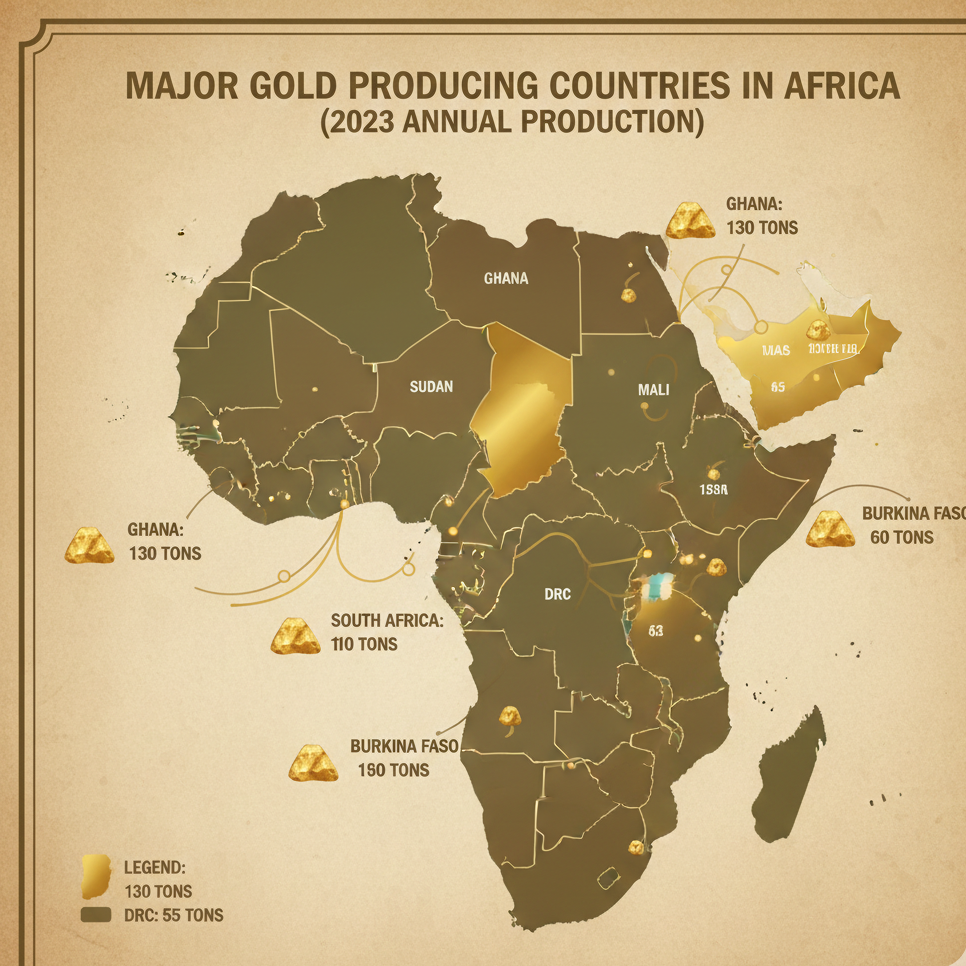
Africa holds approximately 30 percent of the world’s known gold reserves, with concentrations distributed across distinct geological provinces that have preserved mineral deposits through billions of years of tectonic stability. Understanding the distribution of these reserves—distinct from annual production figures—is essential for investors and buyers evaluating long-term supply security. While Ghana currently leads African production volumes, South Africa maintains the continent’s largest reserve base, representing a critical distinction between current output and remaining economically recoverable resources.
Industry Context: Reserves Versus Production
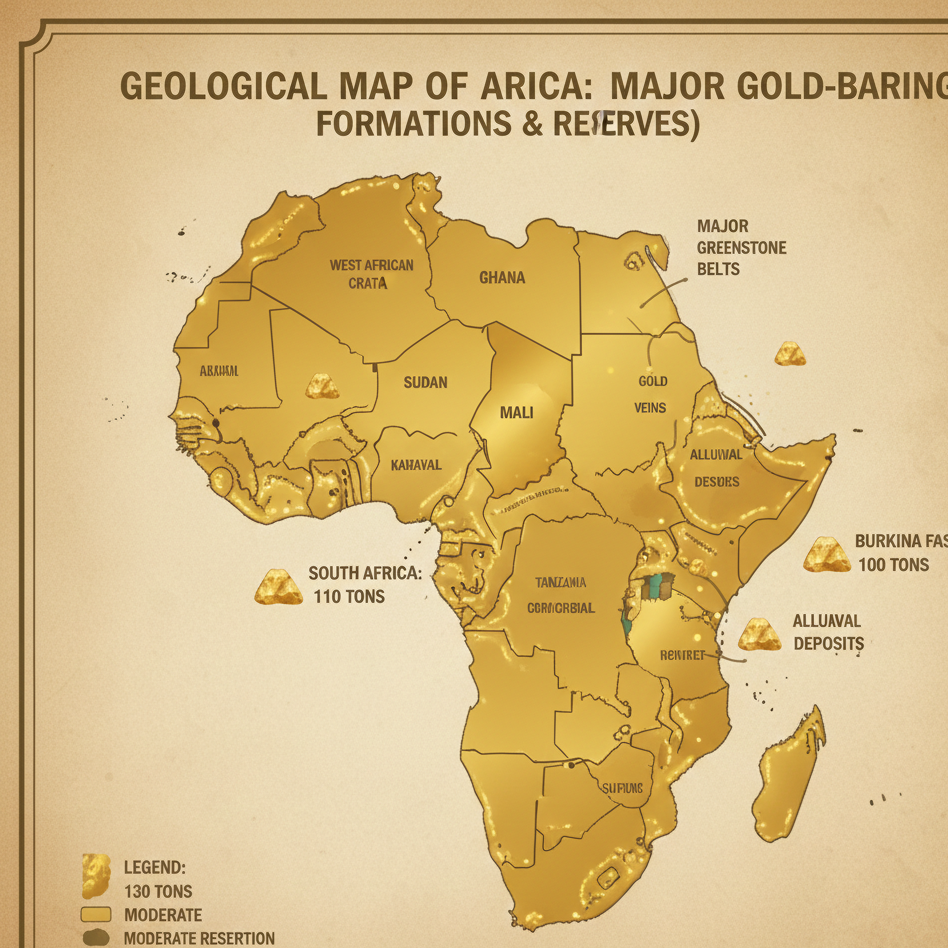
Gold reserves represent the estimated quantity of economically recoverable gold remaining in the ground under current technological and economic conditions—distinct from annual production volumes or total mineral resources (which include sub-economic deposits). Africa’s reserve distribution reflects ancient geological formations that concentrated gold during Precambrian tectonic events. The continent’s three primary gold-bearing provinces—the Birimian greenstone belts of West Africa, the Witwatersrand Basin within Southern Africa’s Kaapvaal Craton, and the Mozambique Belt of East Africa—contain varying reserve magnitudes that will shape supply dynamics for decades. Reserve estimates evolve with exploration discoveries, technological advances enabling deeper extraction, and economic factors affecting mine viability.
Regional Reserve Rankings
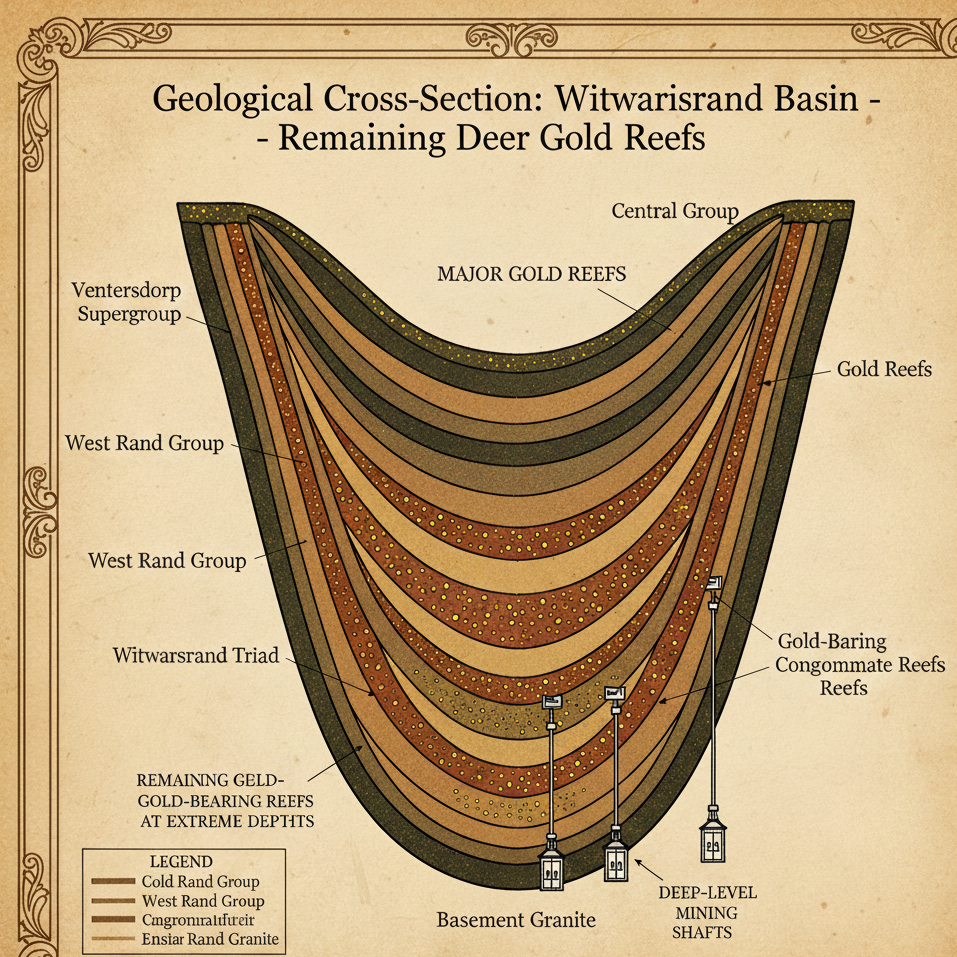
South Africa possesses Africa’s largest gold reserves by a substantial margin, with estimates ranging from 5,000 to 6,000 metric tons remaining within the Witwatersrand Basin. This 2.9-billion-year-old sedimentary formation has yielded more than 40,000 metric tons historically—the largest gold resource on Earth. Current reserves concentrate in the West Wits area around Carletonville, the East Rand Basin near Springs, and the Free State Goldfields, though extraction increasingly requires operations at depths exceeding three kilometers, elevating production costs and gradually reducing annual output despite substantial remaining reserves.
Ghana ranks second in African reserve estimates with approximately 1,000–1,200 metric tons identified across the Birimian greenstone belts spanning the Ashanti, Western, and Eastern regions. These near-surface deposits offer more accessible extraction compared to South Africa’s deep-level reefs, supporting both industrial operations and regulated small-scale mining. Successful formalization of artisanal production through licensed buying centers has improved reserve utilization efficiency, contributing to Ghana’s current production leadership despite smaller total reserves than South Africa.
Tanzania holds estimated reserves of 400–500 metric tons concentrated in the Lake Victoria goldfields including Geita, Bulyanhulu, and North Mara deposits within the Mozambique Belt. Regulatory stabilization following earlier fiscal disputes has improved investment conditions for reserve development. Mali and Burkina Faso each possess approximately 300–400 metric tons of reserves within their portions of the Birimian belt, though political instability in both nations has periodically disrupted reserve development and production continuity.
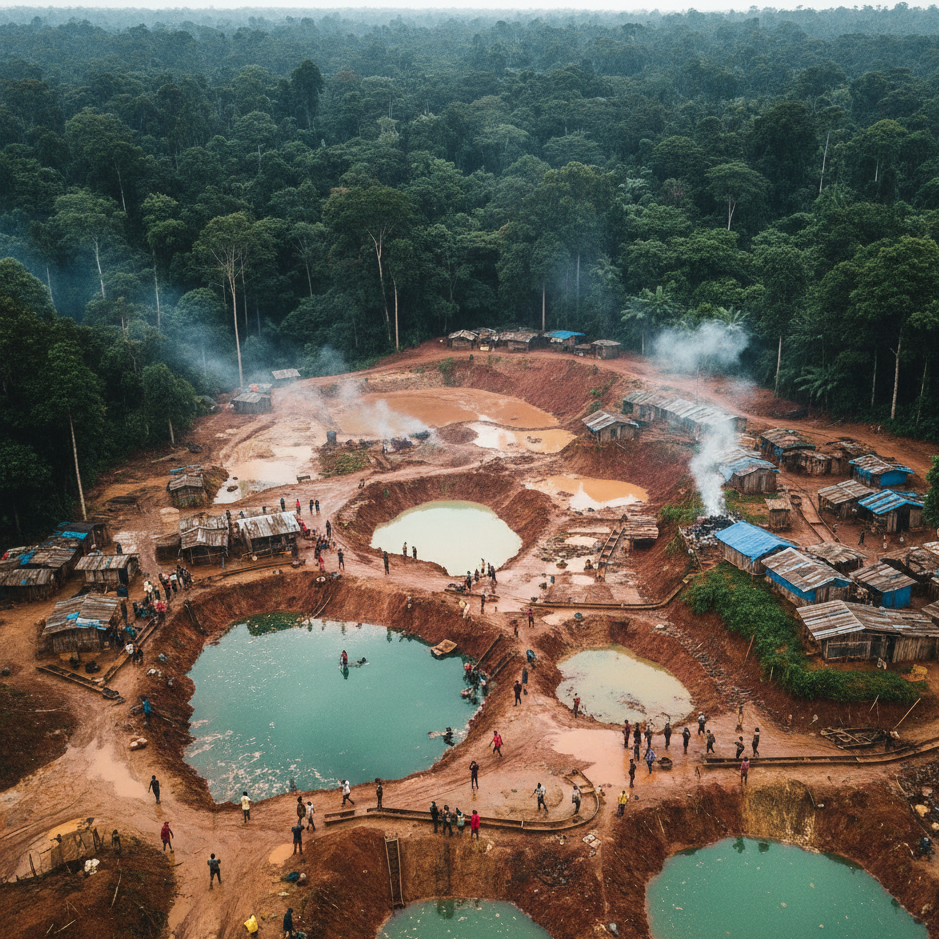
Sudan maintains estimated reserves of 250–350 metric tons primarily in the Nile River basin and Red Sea Hills, though underinvestment and governance challenges have limited reserve exploitation. Zimbabwe holds approximately 200–300 metric tons across the Zimbabwe Craton, with both industrial operations and formalized artisanal sites accessing these resources. The Democratic Republic of Congo possesses significant but poorly quantified reserves estimated at 200–400 metric tons, concentrated in the northeast with substantial portions remaining unexplored due to security challenges. Guinea, Zambia, and Ethiopia hold smaller but commercially significant reserves ranging from 50 to 150 metric tons each, with exploration activity gradually refining these estimates.
Geological Foundations of Reserve Distribution
Africa’s reserve concentration stems from ancient cratonic structures that preserved gold deposits through geological epochs that recycled similar formations on other continents. The Witwatersrand Basin’s exceptional preservation within the stable Kaapvaal Craton allowed gold-bearing conglomerates to survive 2.9 billion years of tectonic activity. West Africa’s Birimian belts—formed 2.1 billion years ago through volcanic-sedimentary processes—host quartz vein and shear zone deposits amenable to diverse extraction methods. The Mozambique Belt represents a younger orogenic system where tectonic collision concentrated gold in metamorphic rocks, creating deposits with varying economic viability depending on infrastructure access and political stability.
Africa Gold Reserve’s Multi-Jurisdictional Perspective
Africa Gold Reserve has maintained field operations across Ghana, South Africa, and South Sudan since 2015, developing procurement strategies informed by regional reserve characteristics and production realities. Headquartered in South Africa with additional operations in the United Kingdom, the company sources material exclusively from licensed miners and authorized aggregators operating within legally designated areas. Field representatives verify mining licenses and land rights before material evaluation, then oversee supervised transport to government assay facilities—Ghana’s Precious Minerals Marketing Company laboratories, South Africa’s LBMA-certified centers, or South Sudan’s ministry-approved verification points. This approach ensures chain-of-custody integrity while generating documentation packages that satisfy international due diligence standards. The company’s presence across jurisdictions with contrasting reserve profiles—South Africa’s deep reserve base versus Ghana’s accessible near-surface deposits—enables flexible supply options aligned with buyer specifications regarding volume consistency and long-term availability.
Reserve Development Challenges and Opportunities
Reserve realization faces distinct challenges across African jurisdictions. South Africa’s substantial reserves require increasingly capital-intensive deep-level mining with escalating operational costs and energy constraints that affect economic viability despite geological abundance. Ghana’s more accessible reserves benefit from favorable extraction economics but face pressure from land use competition and environmental considerations affecting expansion. Emerging producers including Tanzania and Burkina Faso possess significant undeveloped reserves requiring infrastructure investment and stable regulatory environments to achieve production potential. Political instability in Mali, Sudan, and the DRC has delayed reserve development despite geological promise, creating supply uncertainty despite substantial remaining resources.
Export Verification and Documentation Protocols
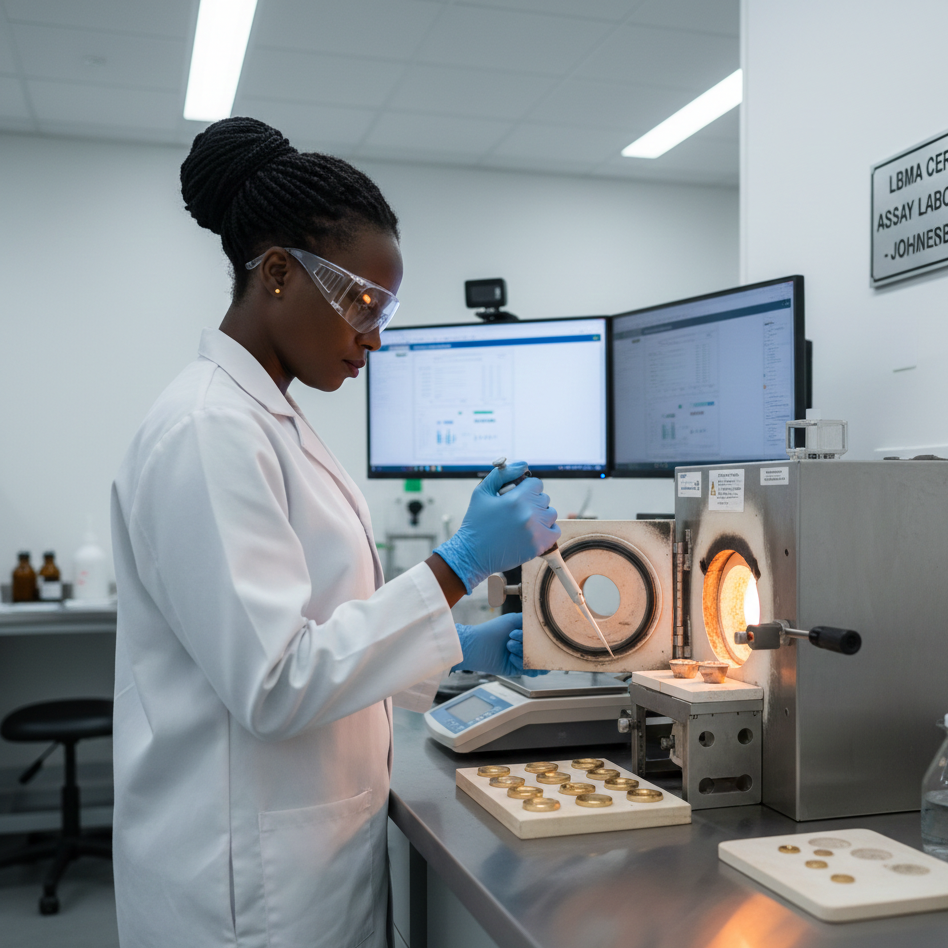
The procurement sequence follows rigorous jurisdiction-specific protocols regardless of reserve magnitude. Material undergoes official assay at government-approved facilities generating certificates of purity and weight. Export permits are secured from relevant mineral authorities accompanied by tax clearance documentation from national revenue agencies. Customs declarations are processed before insured transit to international departure points—Kotoka International Airport in Accra, OR Tambo International Airport in Johannesburg, or Juba International Airport. Documentation packages delivered to buyers include assay certificates, export permits, tax compliance verification, bill of lading, and certificate of origin—elements essential for satisfying LBMA Good Delivery standards and international customs requirements while providing transparency regarding material origin.
Global Market Implications
Africa’s reserve distribution shapes long-term supply expectations for international markets. South Africa’s substantial remaining reserves—though increasingly costly to extract—provide supply continuity assurance for buyers requiring decades-long partnerships. Ghana’s accessible reserves support consistent near-term production volumes valued by buyers prioritizing current supply reliability. Emerging producers with undeveloped reserves represent potential supply growth as governance and infrastructure improve. These dynamics influence buyer selection criteria beyond immediate pricing, with reserve depth becoming increasingly relevant for institutional investors and refiners establishing long-term offtake arrangements.
Sustainable Reserve Utilization
Responsible reserve development requires balancing extraction rates with community development, environmental stewardship, and fiscal sustainability. Countries increasingly recognize that maximizing reserve value requires not rapid depletion but strategic development aligned with national development objectives. Exporters who partner with licensed producers operating within regulatory frameworks support sustainable reserve utilization while delivering verifiable supply to global markets. Africa Gold Reserve’s decade of operational presence across multiple jurisdictions, documented procurement history from licensed sources, and adherence to regulatory frameworks establish the foundation for partnerships that honor Africa’s reserve endowment while supporting responsible mineral governance.
Africa’s gold reserves represent a strategic asset distributed across multiple jurisdictions with varying characteristics—South Africa offering depth and longevity, Ghana providing accessibility and current production leadership, and emerging producers presenting growth potential as conditions improve. For international buyers, the opportunity lies not in pursuing reserves directly but in engaging established exporters with operational presence across Africa’s reserve-rich jurisdictions. Companies that combine geological understanding with procedural rigor create sustainable partnerships that deliver reliable supply while supporting responsible reserve utilization in this strategically important market.
africagoldreserve.com
sales@africagoldreserve.com