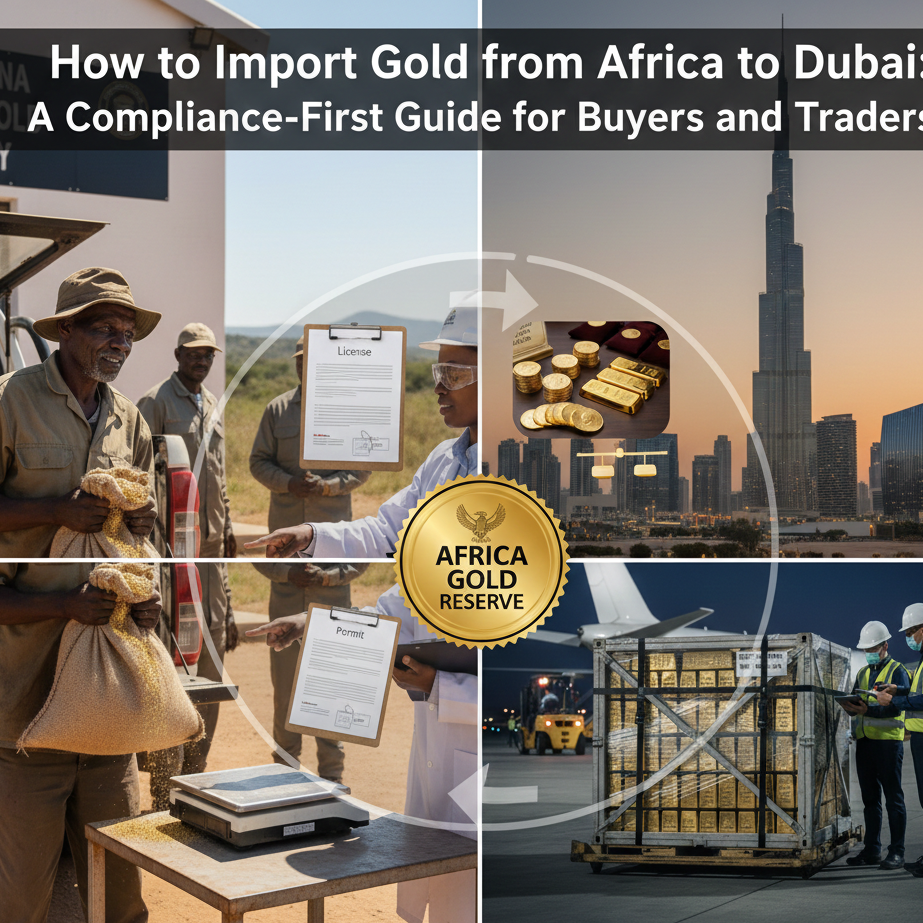

How Deep Is the Gold Mine in South Africa? Exploring the World’s Deepest Mining Operations
South Africa is home to the deepest gold mines in the world, with operations extending farther beneath the Earth’s surface than any other mining jurisdiction. The most notable is Mponeng Gold Mine, operated by AngloGold Ashanti, which reaches depths of over 4 kilometers (approximately 2.5 miles) below the surface—making it not only the deepest gold mine in South Africa but the deepest mine of any kind on the planet.
Industry Context
South Africa’s gold wealth lies primarily in the Witwatersrand Basin, a geological formation that has produced more than 40% of all the gold ever mined in human history. Unlike near-surface deposits in West Africa, Witwatersrand gold occurs in narrow, high-grade reefs that dip steeply underground, requiring increasingly deep and complex extraction methods as near-surface reserves have been depleted.
This depth presents extraordinary engineering, logistical, and safety challenges—including rock temperatures exceeding 60°C (140°F), which require extensive cooling systems to maintain safe working conditions.
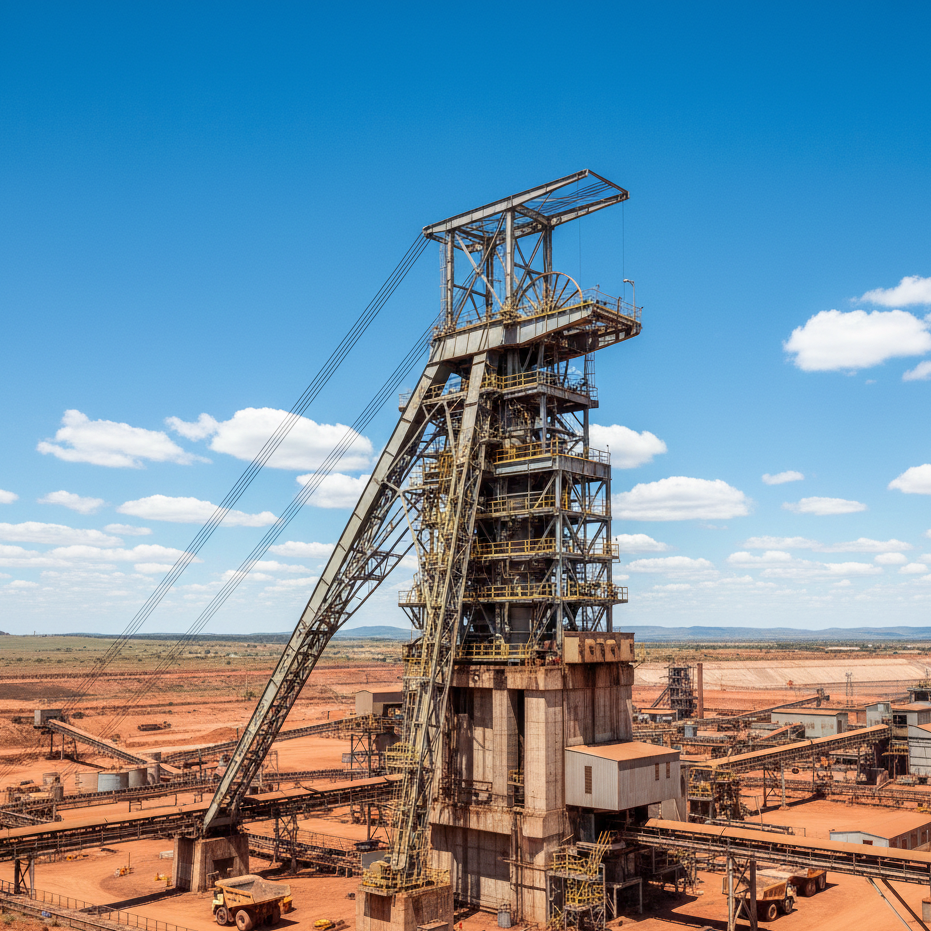
Key Deep-Level Gold Mines in South Africa
- Mponeng Gold Mine
- Depth: 4.0+ km
- Location: Near Carletonville, Gauteng
- Status: Operational (as of 2026)
- Notes: Uses refrigeration plants to cool intake air; seismic activity is a constant risk.
- TauTona Mine (now part of Mponeng complex)
- Formerly reached 3.9 km
- Integrated into Mponeng to optimize infrastructure and reduce costs.
- South Deep Mine
- Depth: 2.9 km
- Location: West of Johannesburg
- Note: One of the largest gold reserves by volume, though not the deepest.
- Driefontein and Kloof Mines
- Operate at depths of 2.5–3.5 km
- Owned by Sibanye-Stillwater, these are among the most productive deep-level complexes.
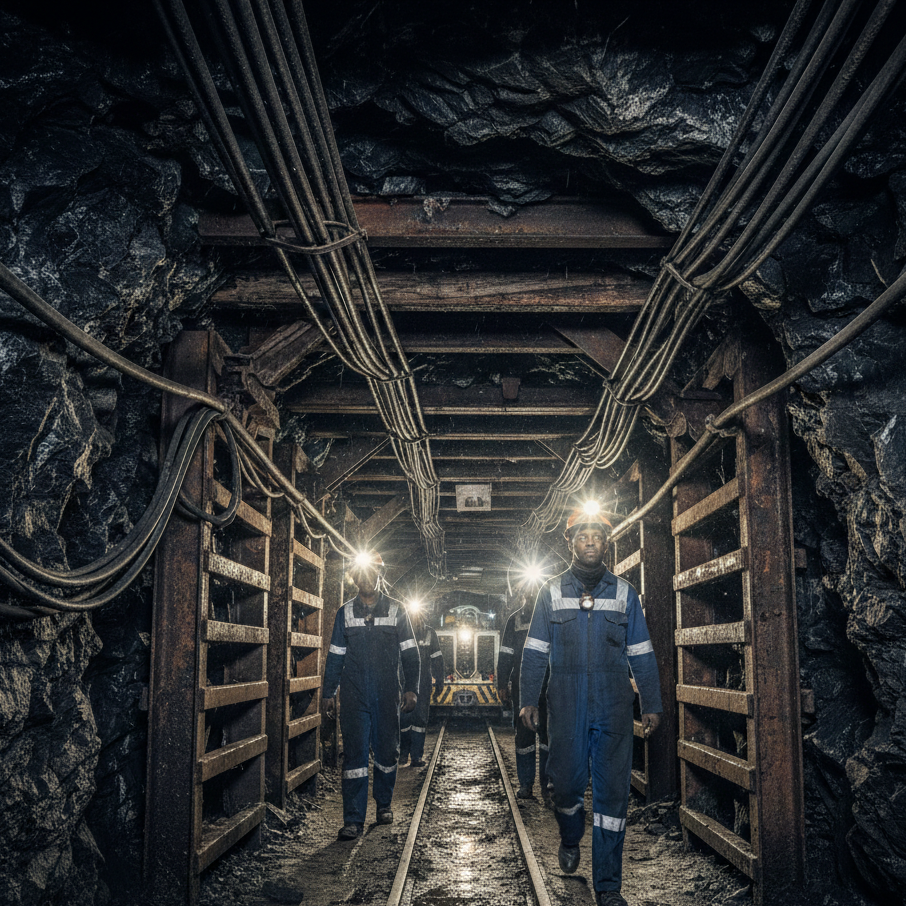
Technical and Economic Challenges
Mining at such depths involves:
- High capital and operational costs (energy, cooling, ground support)
- Geotechnical risks, including rock bursts and seismic events
- Declining ore grades, requiring more rock to be moved for less gold
- Labor intensity, despite automation efforts
As a result, many deep-level mines have closed or consolidated in recent decades. South Africa’s annual gold production has fallen from over 1,000 tonnes in the 1970s to around 150 tonnes in 2026, largely due to these depth-related challenges.
Image: Cooling system installation in a deep-level gold mine shaft
Africa Gold Reserve’s Role
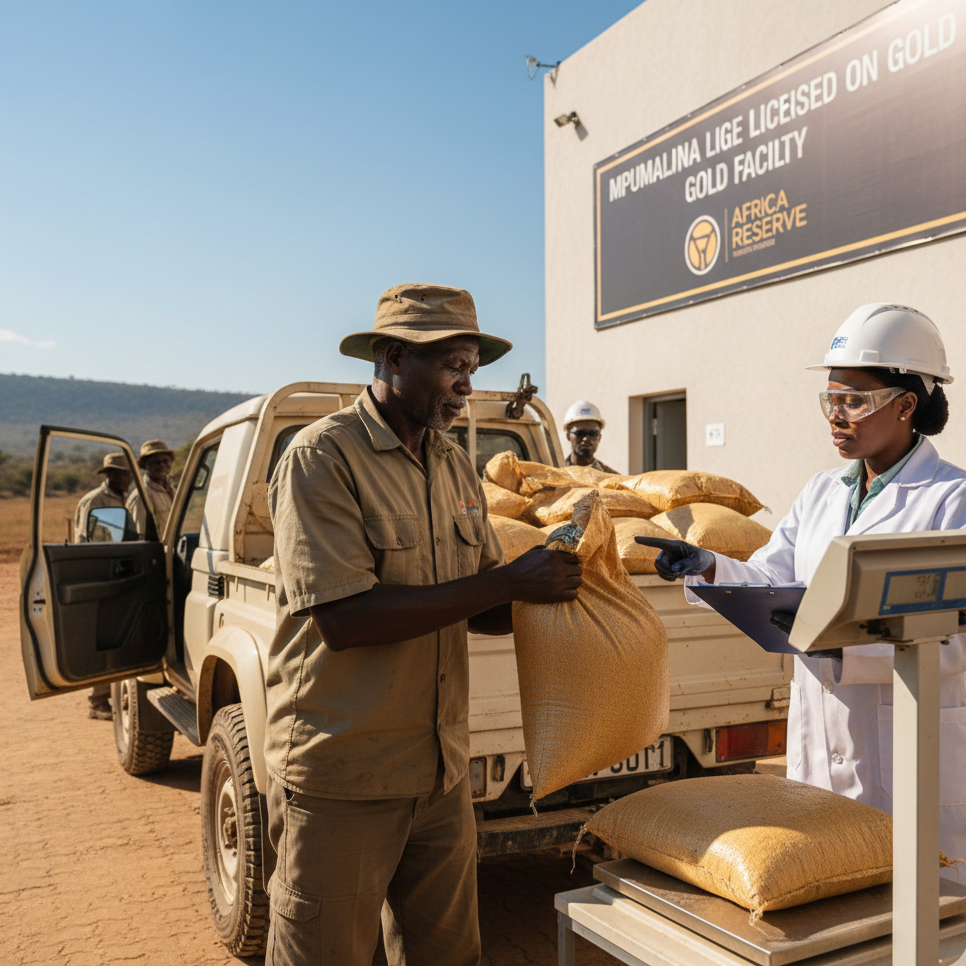
While Africa Gold Reserve does not operate deep-level mines, the company sources gold from a mix of licensed small-scale miners and local aggregators—many of whom operate in shallower, near-surface zones or tailings retreatment projects. This allows the company to access high-purity gold without the cost and complexity of deep mining, while still supporting formalized, compliant supply chains across South Africa, Ghana, and South Sudan.
Global Significance
South Africa’s deep mines remain a testament to human engineering—but they also highlight a global shift toward more accessible, near-surface deposits in West Africa and elsewhere. For international buyers, this means that while South Africa’s legacy is unmatched, current supply increasingly comes from a diversified portfolio of sources, including emerging producers with lower operational barriers.
Conclusion
The gold mines of South Africa reach depths unmatched anywhere on Earth—up to 4 kilometers below the surface—but this extreme depth comes with significant costs and risks. As the industry evolves, professional exporters like Africa Gold Reserve bridge the gap between traditional deep-level heritage and modern, compliant sourcing from a broader range of African producers.
Website: africagoldreserve.com
Email: sales@africagoldreserve.com