
How Gold Was Discovered in Africa: Geological History and Exploration Legacy
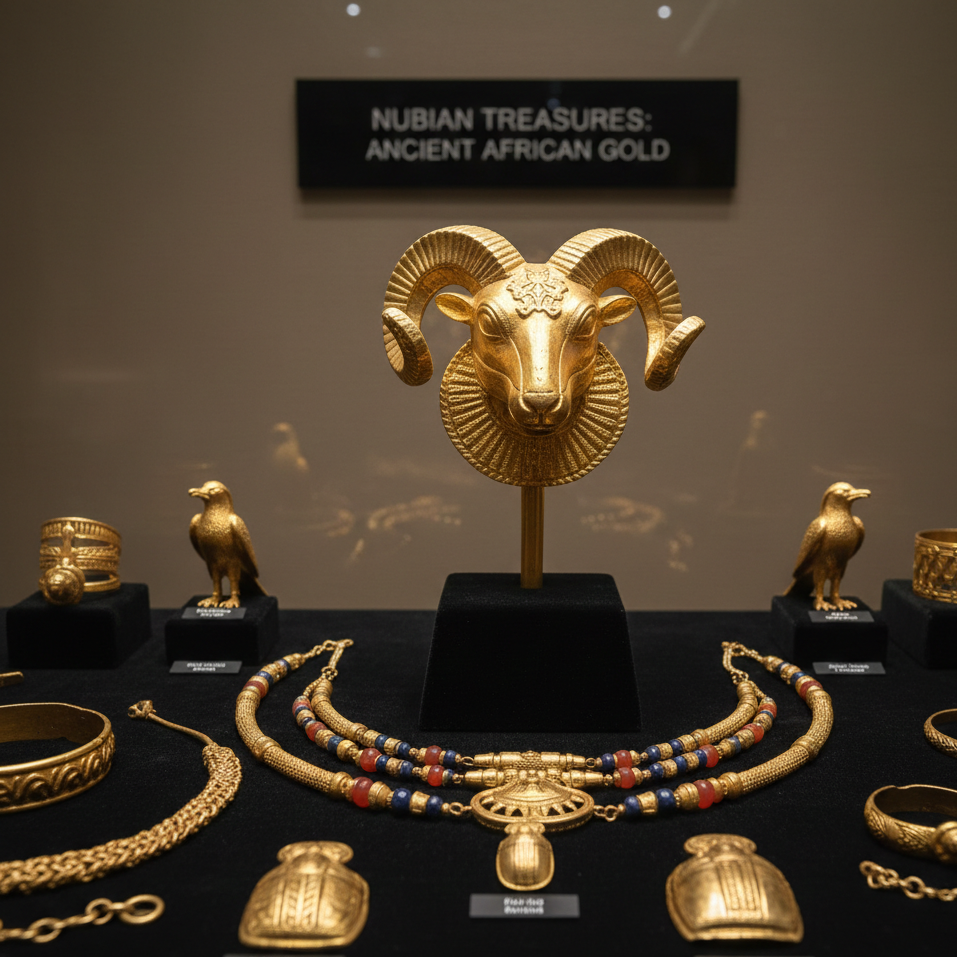
Gold’s presence in Africa spans millennia, with evidence of extraction dating back over 4,000 years to ancient Egyptian and Nubian civilizations along the Nile. The continent’s gold endowment emerged through distinct geological processes that concentrated precious metal deposits across three primary formations: the Witwatersrand Basin in Southern Africa, the Birimian greenstone belts of West Africa, and the Mozambique Belt extending through East Africa. Understanding how gold was historically discovered—and continues to be located through modern exploration—provides essential context for appreciating Africa’s enduring role in global gold supply chains.
Image: Ancient gold artifacts from archaeological sites in Nubia demonstrating early African gold working
Geological Formation and Ancient Discovery
Africa’s gold deposits formed through fundamentally different processes across geological epochs. The Witwatersrand Basin’s conglomerate reefs—containing the world’s largest gold resource—accumulated approximately 3 billion years ago when gold-bearing sediments settled in ancient river deltas and shallow seas. West Africa’s Birimian greenstone belts formed 2.1 billion years ago through volcanic activity and hydrothermal processes that deposited gold in quartz veins and shear zones. East Africa’s Mozambique Belt features gold concentrated through tectonic activity and metamorphism over 600 million years. Ancient civilizations discovered surface exposures through visible quartz veins, alluvial concentrations in riverbeds, and erosion-exposed reefs—methods that sustained artisanal mining traditions continuing in modified form today.
Colonial-Era Exploration and Industrialization
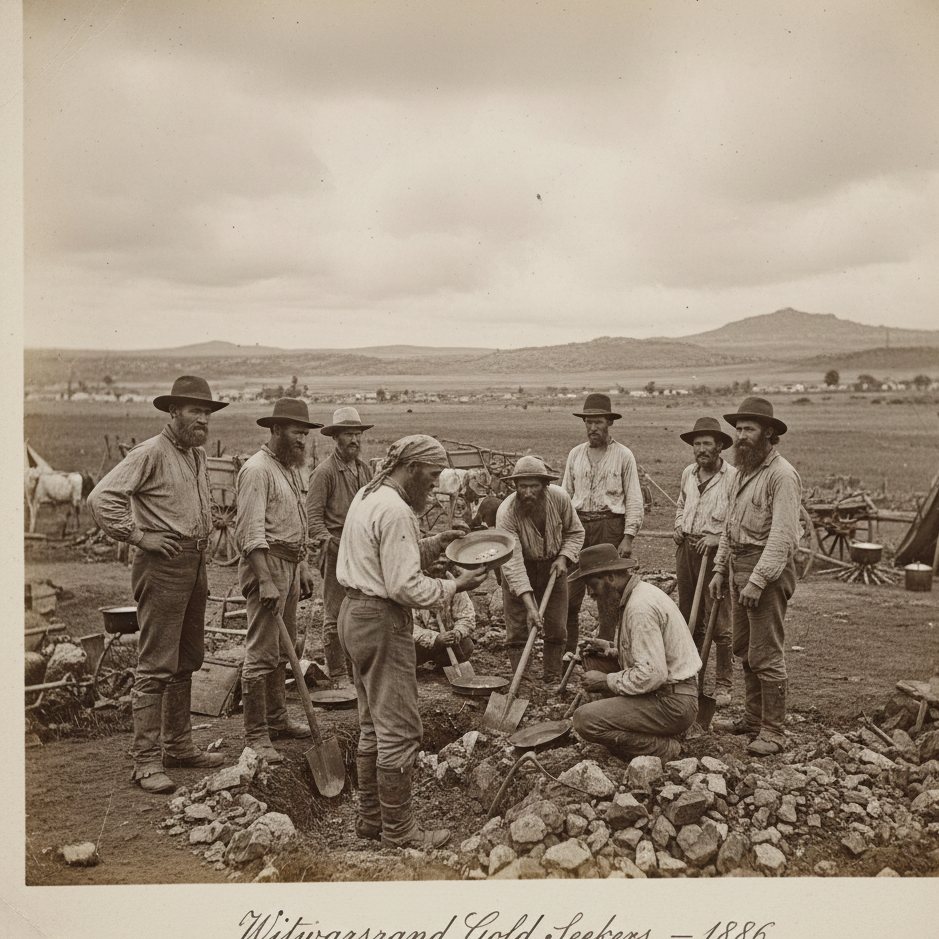
Systematic gold discovery accelerated during the 19th century colonial period, transforming Africa’s gold landscape. European explorers and prospectors applied geological surveying techniques to locate deposits hinted at by indigenous knowledge and surface indicators. South Africa’s Witwatersrand gold rush began in 1886 after prospectors Jan Gerritze Bantjes and George Harrison identified reef outcrops on the Witwatersrand ridge—triggering industrial-scale development that would yield over 40,000 metric tons. Ghana (then Gold Coast) experienced similar transformation after European prospectors documented extensive gold occurrences in the Ashanti region during the 1870s, building upon centuries of Akan gold mining traditions. These discoveries catalyzed infrastructure development, formal mining operations, and regulatory frameworks that shaped modern African gold industries.
Modern Exploration Methodology
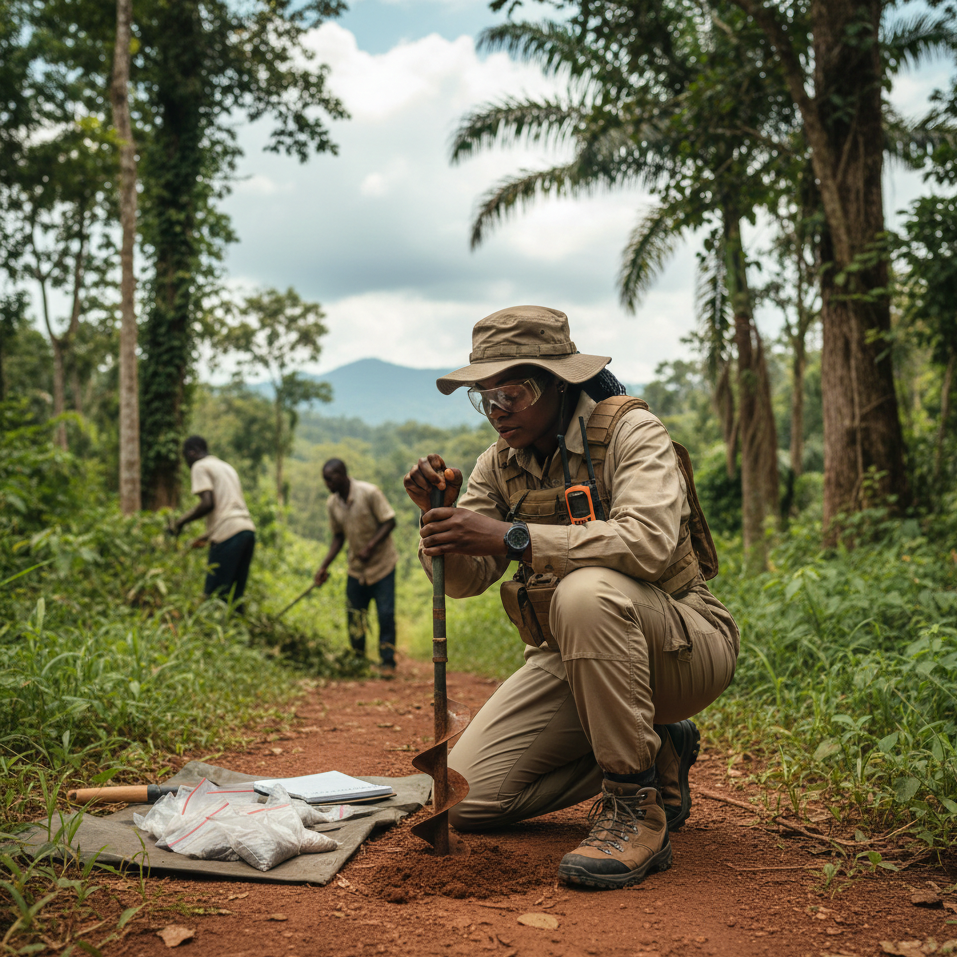
Contemporary gold discovery in Africa employs sophisticated techniques far removed from surface prospecting. Exploration companies utilize satellite imagery and airborne geophysical surveys to identify structural anomalies across regional scales. Ground-based methods include soil sampling for geochemical signatures, induced polarization surveys detecting sulfide mineralization associated with gold, and diamond drilling to intercept mineralized structures at depth. In West Africa, exploration has successfully extended known deposits along strike and identified new prospects within underexplored segments of the Birimian belt. South Africa’s deep-level potential continues being evaluated through advanced seismic imaging and directional drilling technologies capable of reaching depths exceeding 4 kilometers. These methods require substantial capital investment and technical expertise—placing discovery firmly within corporate exploration programs rather than individual prospecting.
Africa Gold Reserve’s Procurement Approach
Africa Gold Reserve, founded in 2015 and headquartered in South Africa, operates within this mature exploration landscape through legitimate procurement rather than discovery activities. The company maintains field operations across Ghana, South Africa, and South Sudan to access production from established deposits discovered through historical and modern exploration efforts. Field representatives verify mining licenses and land rights before material acquisition, ensuring chain-of-custody integrity from operations extracting known deposits through government assay verification. This approach provides buyers with documented supply originating from Africa’s geologically defined gold endowment while satisfying international due diligence standards including OECD guidance. Operations extend through the company’s United Kingdom office to facilitate global logistics coordination for clients across the UAE, United States, China, Europe, Asia, and Middle East.
From Discovery to Exported Supply
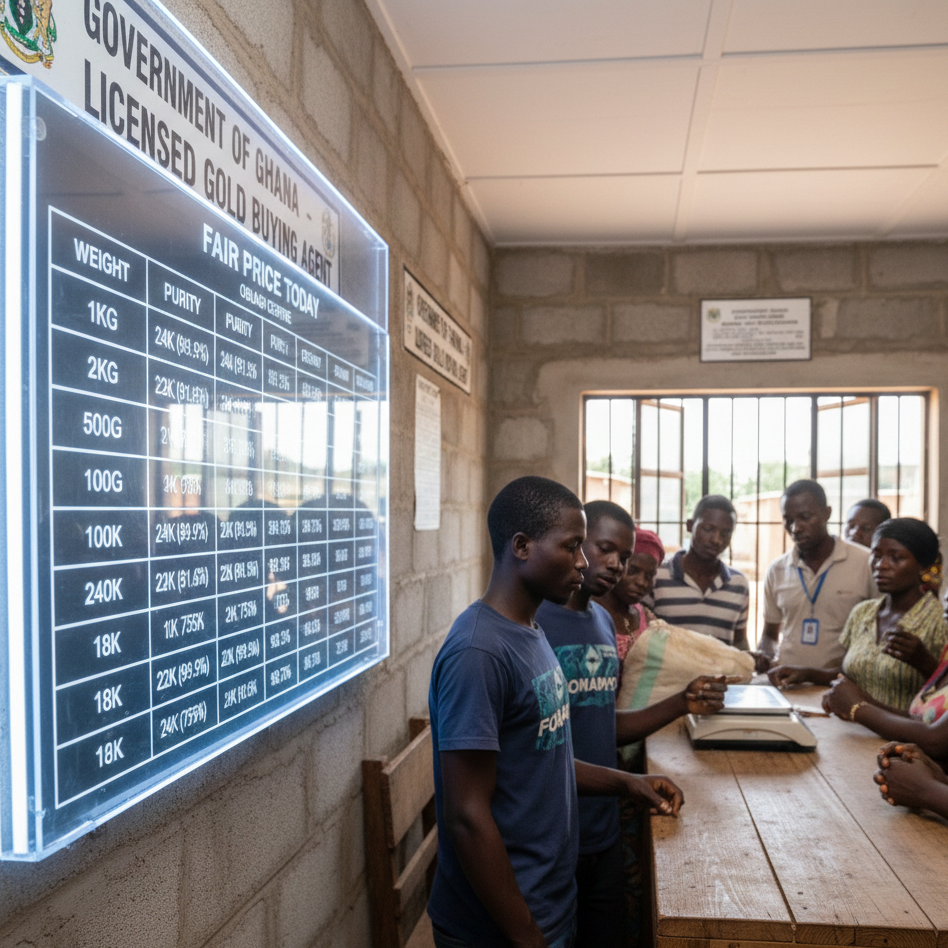
Gold moves from geologically defined deposits to international markets through structured protocols regardless of discovery era. Mining operations extract material from defined reserve blocks under valid licenses, with output transported under supervision to government-approved assay facilities: Ghana’s Precious Minerals Marketing Company laboratories, South Africa’s LBMA-certified centers, or South Sudan’s ministry-approved testing points. Upon certification of purity and weight, export permits are secured from relevant mineral authorities accompanied by tax clearance documentation. Customs declarations are processed before insured transit to international departure points—Kotoka International Airport in Accra, OR Tambo International Airport in Johannesburg, or Juba International Airport. Documentation packages include assay certificates, export permits, and tax compliance verification—essential elements for satisfying destination market requirements in international gold trading.
Global Recognition of African Deposits
African gold deposits command recognition in global markets precisely because their geological characteristics and reserve bases are well documented through decades of exploration and production history. UAE refineries receiving South Sudan gold supplies, United States buyers importing Ghanaian production, and Chinese processors accepting South African doré evaluate material against LBMA benchmarks with confidence in underlying geological integrity. This market acceptance stems from transparent reserve reporting, consistent production profiles, and documentation systems that trace material to defined geological sources—attributes that distinguish legitimate African supply from speculative or undocumented sources.
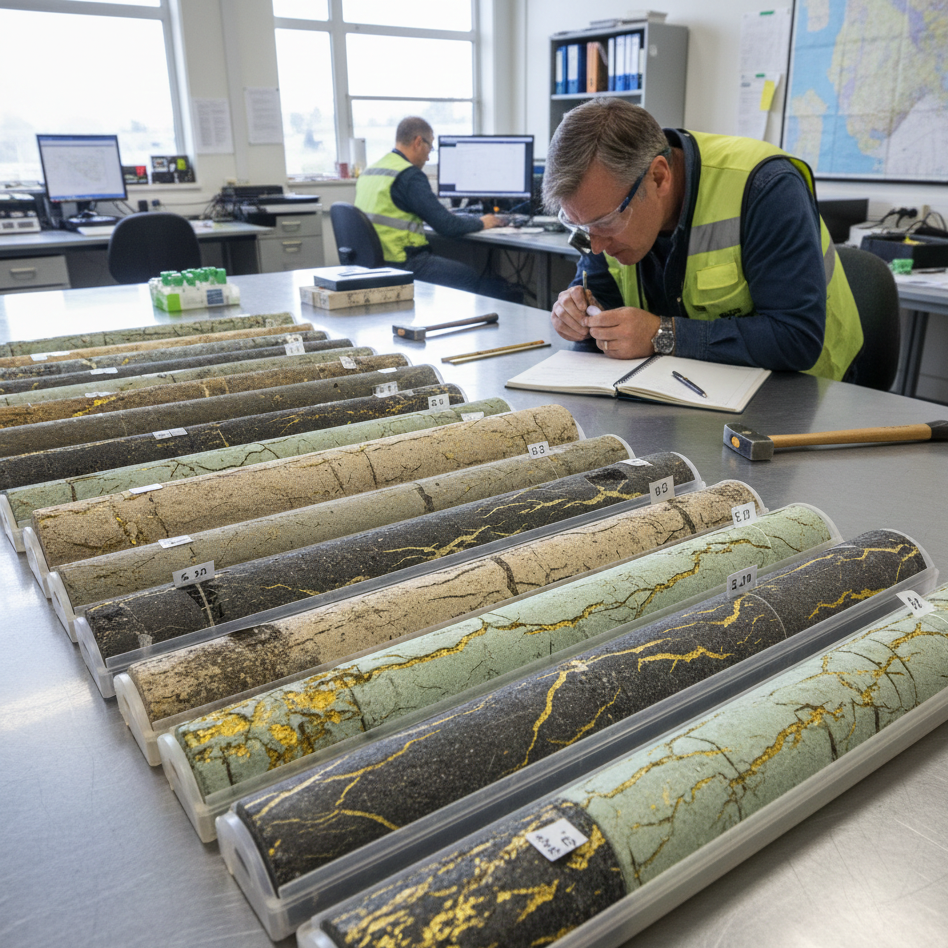
Core samples from gold exploration drilling displayed for geological analysis
Sustainable Engagement with Known Deposits
Africa’s gold sector continues evolving toward greater formalization as governments recognize that structured channels maximize fiscal revenue from known deposits while reducing illicit outflows. Countries increasingly mandate government verification of exports from established operations, tax compliance documentation, and chain-of-custody records—requirements that responsible exporters support through transparent practices. Companies investing in local compliance infrastructure and maintaining permanent operational presence position themselves as preferred partners for both regulatory authorities and international buyers seeking supply from Africa’s well-documented gold endowment. Africa Gold Reserve’s multi-year footprint across multiple jurisdictions provides the foundation for reliable partnerships bridging Africa’s geologically defined deposits with global demand.
For international buyers evaluating African gold supply, understanding the continent’s discovery history and geological endowment provides context for appreciating supply security—not opportunities for speculative discovery. Africa’s gold occurs within well-mapped geological formations accessed through licensed operations, not hidden deposits awaiting amateur prospectors. Success in African gold procurement depends on engaging established channels with procedural discipline to access production from these known deposits through compliant, transparent pathways. Africa Gold Reserve’s field presence across key producing regions and commitment to regulatory compliance provides the foundation for reliable procurement partnerships connecting Africa’s geologically documented gold endowment with global market demand.
africagoldreserve.com
sales@africagoldreserve.com