
How Much Gold Reserve Exists in Africa: Geological Endowment and Supply Security
Africa holds an estimated 30 percent of the world’s known gold reserves, representing approximately 6,000 to 8,000 metric tons of economically extractable gold remaining in the ground. This substantial endowment—distinct from annual production figures—positions the continent as a cornerstone of long-term global supply security. Understanding the distribution of these reserves across geological formations and jurisdictions provides essential context for international buyers evaluating Africa’s role in the global gold supply chain. Reserves differ fundamentally from resources: reserves represent material that can be economically extracted with current technology and prices, while resources encompass total geological occurrence including currently uneconomic deposits.
Industry Context: Reserves Versus Production
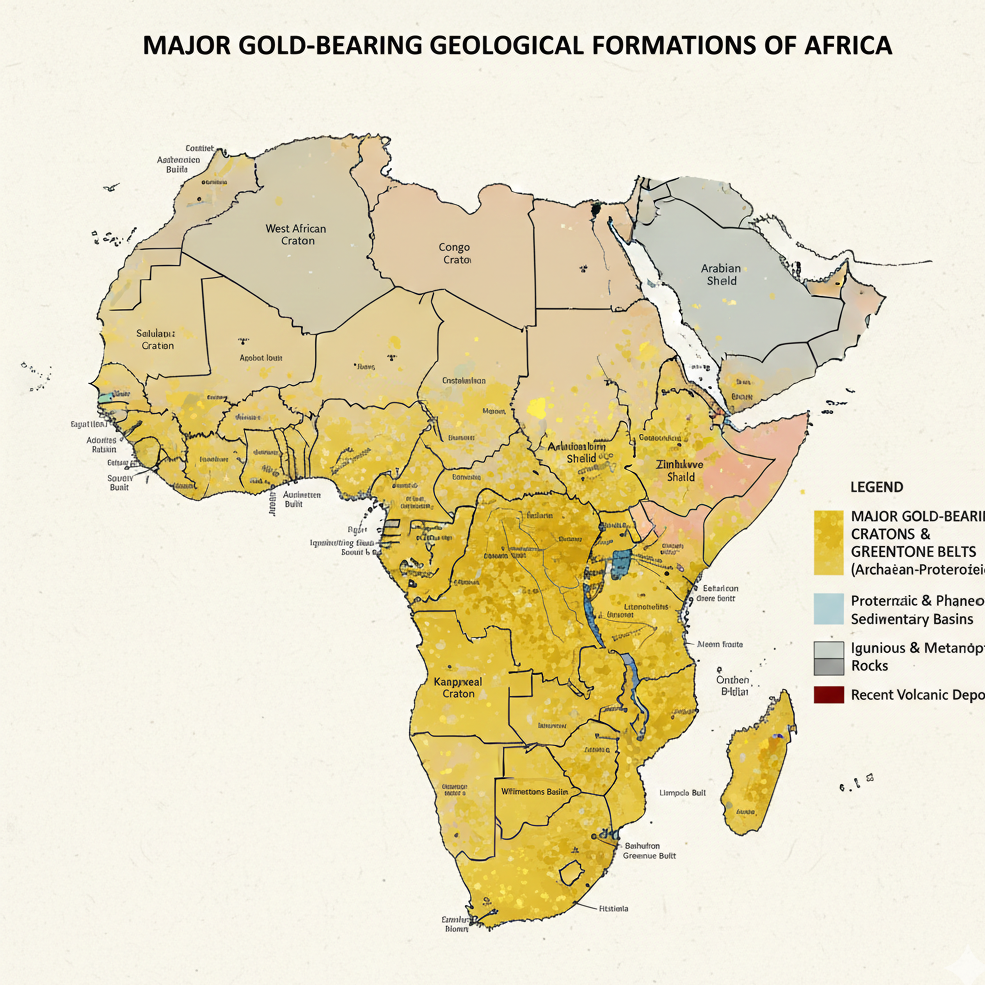
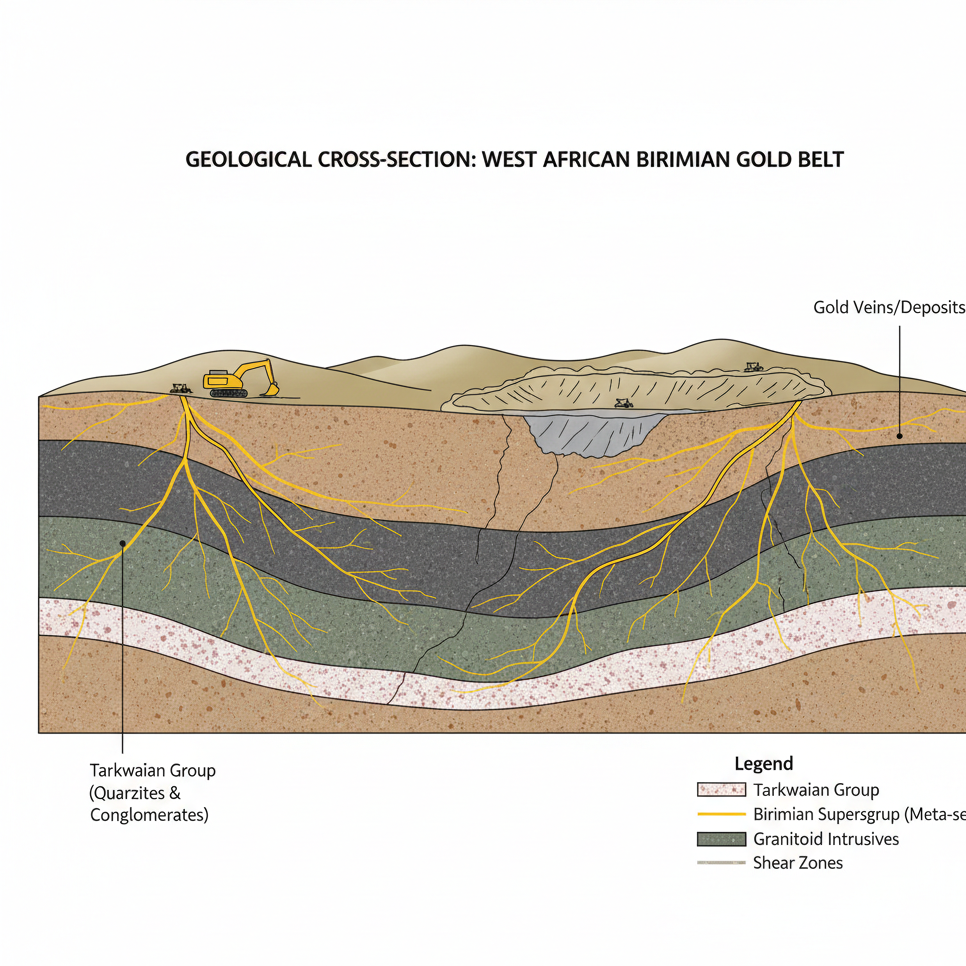
Africa’s annual gold production exceeds 600 metric tons—approximately one-fifth of global output—but this flow represents only a fraction of the continent’s remaining reserves. South Africa’s Witwatersrand Basin alone contains an estimated 6,000 metric tons of remaining reserves despite declining annual production, a legacy of having produced more than 40,000 metric tons since 1886. West Africa’s Birimian greenstone belt hosts substantial reserves across Ghana (estimated 1,500-2,000 metric tons), Mali, Burkina Faso, and Côte d’Ivoire, with ongoing exploration continually refining these estimates. Tanzania maintains reserves of approximately 1,200 metric tons, while Sudan, South Sudan, and the Democratic Republic of Congo hold significant but less precisely quantified reserves due to limited modern exploration and political constraints. These figures fluctuate with gold prices, technological advances in extraction, and new discoveries—making reserve estimates dynamic rather than static.
Regional Reserve Distribution
South Africa’s reserves remain concentrated in the Witwatersrand Basin spanning Gauteng, North West, and Free State provinces, though increasing depth and operational costs challenge economic extraction. Ghana’s reserves distribute across the Ashanti, Sefwi, and Bui greenstone belts, with both industrial mines and small-scale operations accessing defined reserve blocks under the Minerals and Mining Act. Mali and Burkina Faso host substantial reserves within the Birimian formation, though security challenges in certain regions limit current exploitation. Tanzania’s reserves center on the Lake Victoria goldfield and the Mozambique Belt, with several major operations maintaining substantial reserve bases. Emerging jurisdictions including South Sudan possess geological potential consistent with the Mozambique Belt extension, though formal reserve quantification remains limited pending systematic exploration and formalization of artisanal production zones—creating opportunities for buyers engaging with South Sudan gold suppliers as formalization progresses.
Africa Gold Reserve’s Supply Chain Positioning
Africa Gold Reserve, founded in 2015 and headquartered in South Africa, operates within this reserve-rich landscape through legitimate procurement channels rather than mine ownership. The company maintains field operations across Ghana, South Africa, and South Sudan to access production flowing from these substantial reserves through licensed channels. Field representatives verify mining licenses and land rights before material acquisition, ensuring chain-of-custody integrity from operations extracting reserves through government assay verification. This approach provides buyers with documented supply originating from Africa’s significant reserve base while satisfying international due diligence standards including OECD guidance. Operations extend through the company’s United Kingdom office to facilitate European settlement infrastructure and global logistics coordination, positioning Africa Gold Reserve among trusted gold exporters serving international markets across the UAE, United States, China, Europe, Asia, and Middle East.
From Reserves to Exported Supply
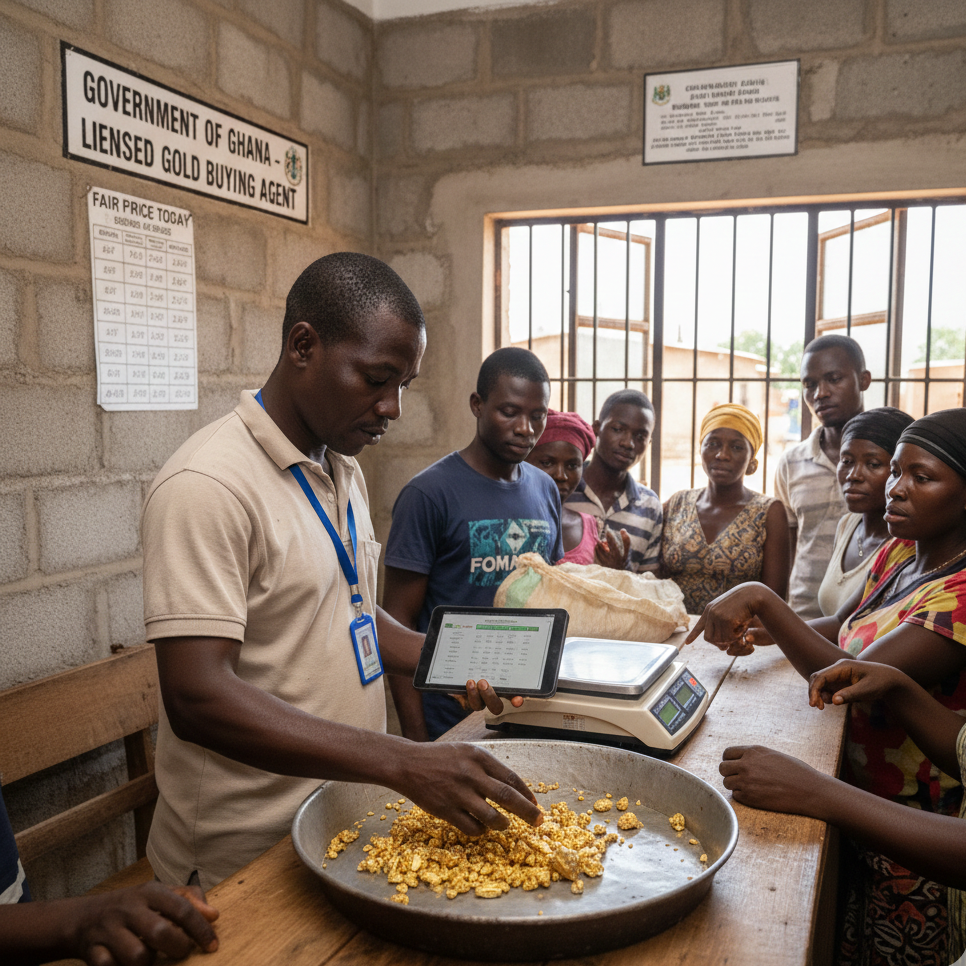
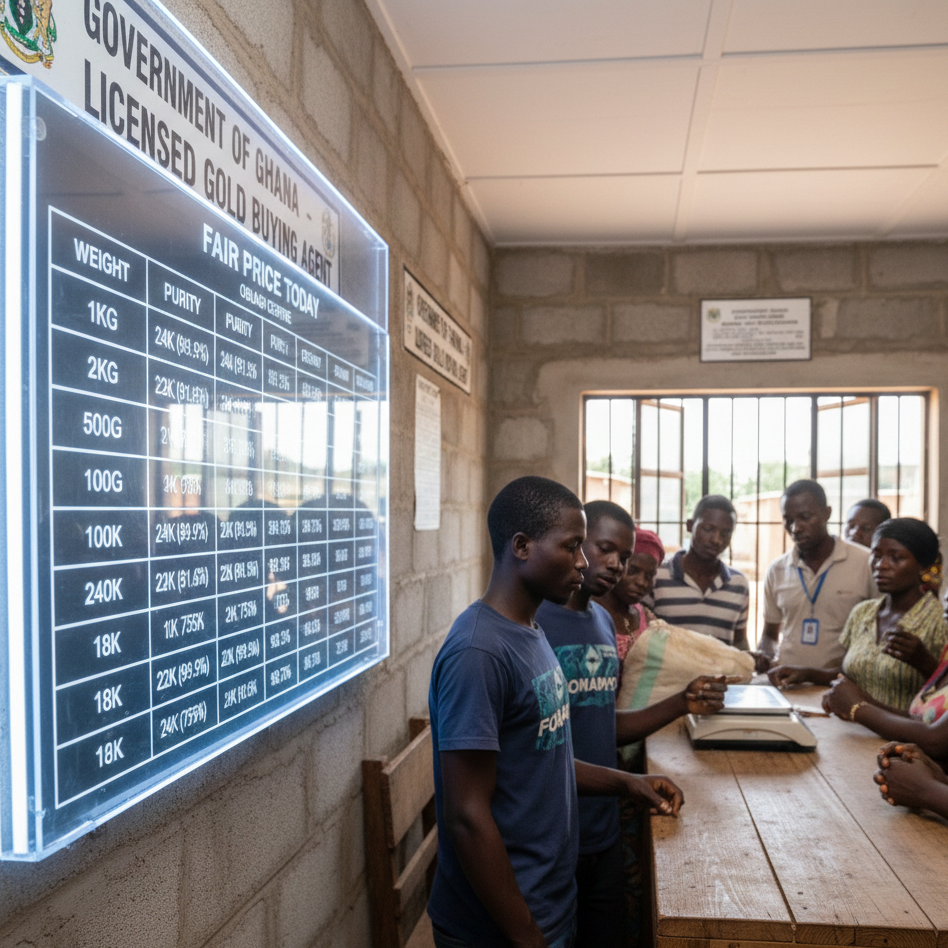
The pathway from geological reserves to international markets follows structured protocols. Mining operations extract material from defined reserve blocks under valid licenses, with output transported under supervision to government-approved assay facilities: Ghana’s Precious Minerals Marketing Company laboratories, South Africa’s LBMA-certified centers, or South Sudan’s ministry-approved testing points. Upon certification of purity and weight, export permits are secured from relevant mineral authorities accompanied by tax clearance documentation. Customs declarations are processed before insured transit to international departure points—Kotoka International Airport in Accra, OR Tambo International Airport in Johannesburg, or Juba International Airport. Documentation packages include assay certificates, export permits, tax compliance verification, and bills of lading—essential elements for satisfying destination market requirements in international gold trading.

Global Demand for Reserve-Backed Supply
African gold flows along established international routes reflecting destination market characteristics and supply security considerations. The United Arab Emirates receives substantial volumes from East and West Africa via trade routes such as South Sudan to UAE, leveraging Dubai’s refining infrastructure. United States buyers seek material meeting COMEX delivery standards through channels like Ghana to the United States. Chinese refineries maintain consistent demand for feedstock supporting jewelry manufacturing and strategic reserves, served by routes including South Africa to China. European markets prioritize LBMA Good Delivery compliance, requiring meticulous documentation that exporters with established procedures can reliably provide. These trade patterns reflect recognition that Africa’s substantial reserve base underpins long-term supply security—making relationships with trusted African gold exporters strategically valuable for buyers seeking sustainable supply partnerships.
Operational Advantages for Institutional Buyers
International buyers engage established African gold suppliers to address three persistent challenges: documentation integrity for seamless customs clearance, supply consistency amid production fluctuations, and logistical reliability in moving material from remote sources to international departure points. Africa Gold Reserve mitigates these through permanent regional offices across its operations in Ghana, South Africa, South Sudan, and the United Kingdom, direct relationships with licensed producers extracting from defined reserves, and integrated export management. The company maintains visibility across the entire procurement chain, providing buyers with complete documentation packages that reduce settlement risk and ensure material specifications match contractual terms. This operational transparency proves particularly valuable for refineries and institutional investors requiring verifiable supply chain records when seeking to buy gold from Africa.
Sustainable Reserve Development
Africa’s gold sector continues evolving toward greater formalization as governments recognize that structured channels maximize fiscal revenue from reserve extraction while reducing illicit outflows. Countries increasingly mandate government verification of exports, tax compliance documentation, and chain-of-custody records—requirements that responsible exporters support through transparent practices. Companies investing in local compliance infrastructure and maintaining permanent operational presence position themselves as preferred partners for both regulatory authorities and international buyers seeking long-term supply relationships backed by Africa’s substantial reserve base. Africa Gold Reserve’s multi-year footprint across multiple jurisdictions, documented export history, and adherence to international standards provide the foundation for reliable partnerships bridging Africa’s reserve wealth with global demand.
For international buyers evaluating long-term supply security, Africa’s substantial gold reserves—estimated at 6,000 to 8,000 metric tons across multiple jurisdictions—represent a strategic asset underpinning sustainable procurement relationships. Success depends not on reserve size alone but on engaging established channels with procedural discipline to access production flowing from these reserves through compliant, transparent pathways. Africa Gold Reserve’s field presence across key producing regions, commitment to regulatory compliance, and track record serving international buyers provides the foundation for reliable procurement partnerships connecting Africa’s reserve wealth with global market demand.
africagoldreserve.com
sales@africagoldreserve.com