
Identifying Suppliers of Fair-Trade African Gold for Jewelers
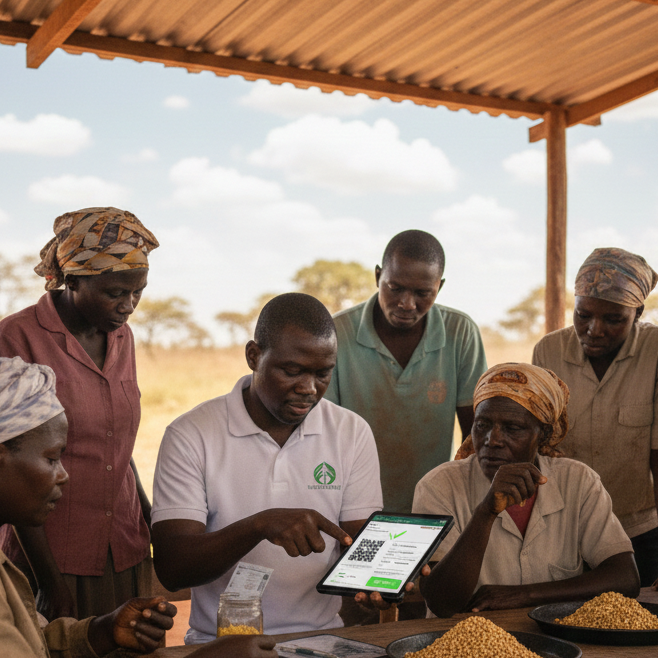
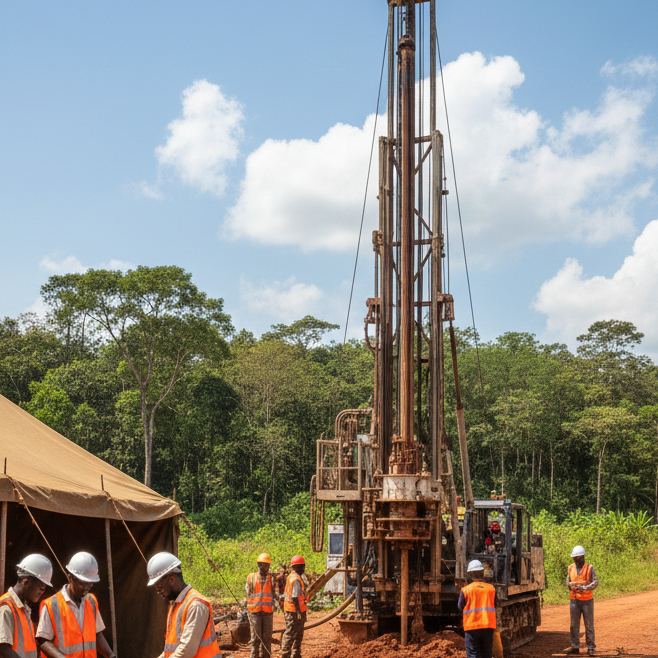
For jewelry brands committed to ethical sourcing, identifying reliable suppliers of fair-trade African gold is both a responsibility and a strategic imperative. While Africa produces over 900 tonnes of gold annually, only a fraction meets the rigorous documentation, labor, and environmental standards demanded by global luxury markets. In this landscape, professional exporters who combine on-the-ground presence with full compliance protocols are essential partners—not just for supply, but for credibility.
Industry Context
The term “fair-trade gold” lacks a single global certification in the same way as coffee or cocoa, but industry standards have coalesced around frameworks like the OECD Due Diligence Guidance and the London Bullion Market Association (LBMA) Responsible Gold Guidance. These require verifiable proof of legal mining, absence of child labor, community engagement, and environmental safeguards.
As a result, major jewelry houses in Europe and North America now mandate auditable chain-of-custody records for all gold inputs. This has effectively excluded informal or undocumented material—still prevalent in parts of Africa—from premium supply chains. The challenge for jewelers is not finding gold, but finding gold that is both authentic and ethically defensible.
Regional Perspective
Africa’s key gold-producing countries are at varying stages of formalization:
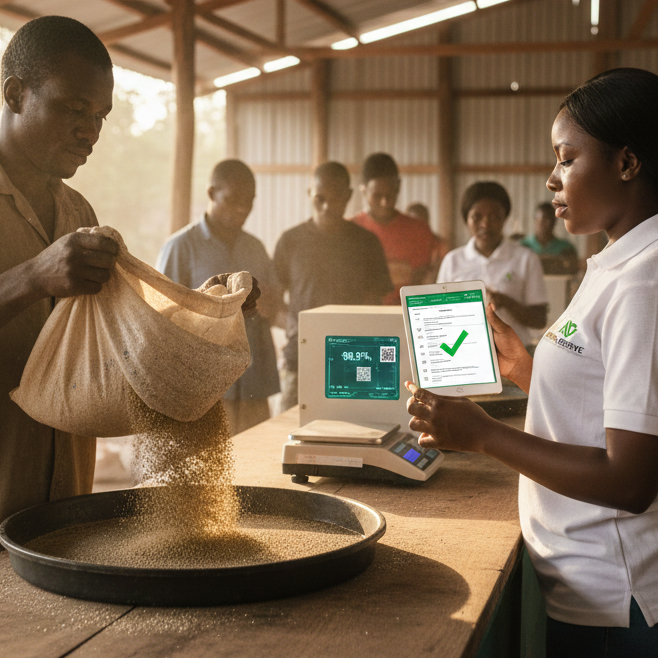
- Ghana, the continent’s top producer, requires all licensed buyers to report transactions in real time to the Precious Minerals Marketing Company (PMMC). This creates one of West Africa’s most transparent sourcing environments and makes gold export from Ghana a preferred channel for ethical buyers.
- South Africa combines advanced regulatory oversight with deep technical infrastructure. Licensed aggregators operating under the Department of Mineral Resources provide consistent access to compliant material, reinforcing the role of South Africa gold exporters in global supply chains.
- South Sudan, though emerging, is developing a mining code that emphasizes licensing, third-party verification, and community benefit. Early partnerships with vetted South Sudan gold suppliers offer potential for future ethical supply—if due diligence is rigorously applied.
These developments mean that fair-trade-aligned gold is increasingly available—but only through verified, professional channels.
Africa Gold Reserve’s Approach
Founded in 2015 and headquartered in South Africa, Africa Gold Reserve operates across Ghana, South Africa, South Sudan, and the United Kingdom. The company does not use the term “fair-trade” as a marketing label; instead, it embeds ethical principles into its operational core.
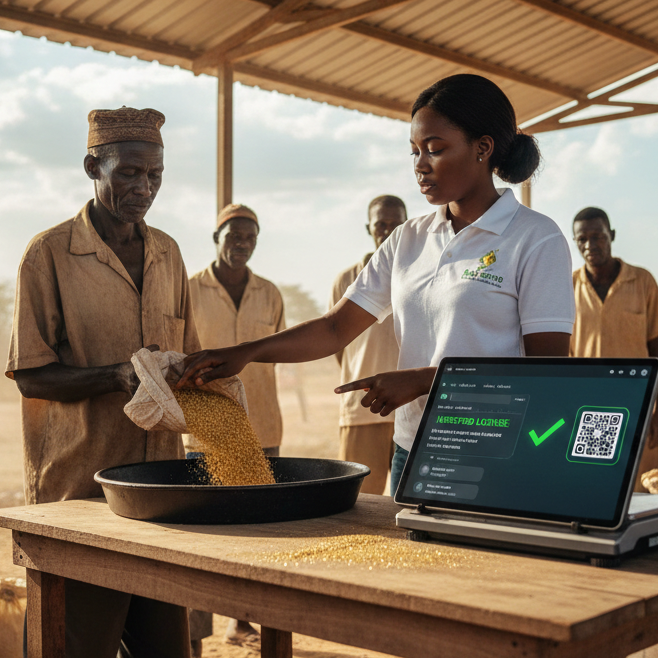
Its model is built on three pillars: legal compliance, direct sourcing, and digital traceability. Gold is sourced exclusively from licensed local mines, registered small-scale miners, and government-authorized sellers. Every transaction is validated, assayed, and recorded in a tamper-proof digital ledger—ensuring alignment with international due diligence expectations.
Buying and Export Process
Africa Gold Reserve’s workflow ensures integrity from source to shipment:
- Seller Verification: Only individuals or entities holding valid national mining or trading licenses are accepted.
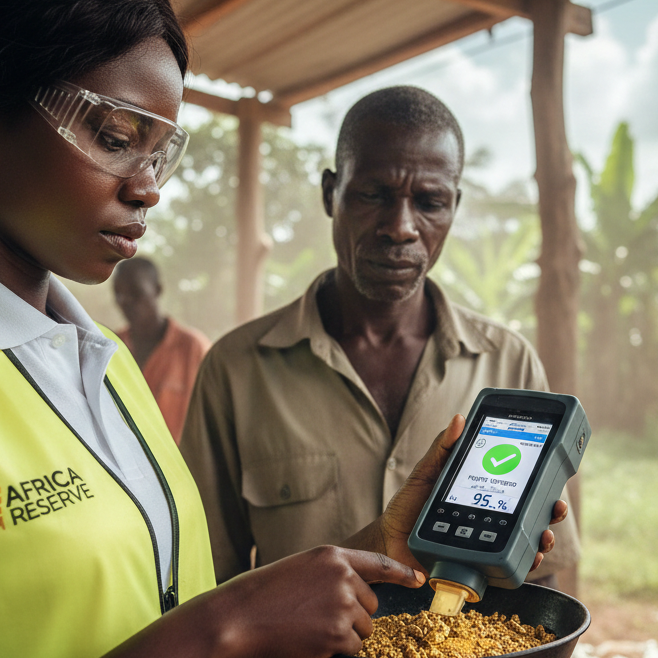
- On-Site Assay: Gold purity is tested immediately upon receipt; results are GPS-tagged and timestamped.
- Digital Documentation: Each batch receives a unique identifier linked to seller details, weight, purity, and location.
- Secure Consolidation: Material is transported under armed escort to bonded facilities.
- Export Execution: Shipments depart via secure air or sea freight along established trade routes—including South Sudan to UAE, Ghana to the United States, and South Africa to China.
This end-to-end control provides jewelers with the documentation needed for ESG reporting and consumer transparency.

Global Demand
Demand for ethically sourced African gold is rising among:
- Luxury jewelry brands in Europe and the U.S. seeking conflict-free supply
- Refiners in Dubai and Switzerland requiring LBMA-compliant input
- Retailers responding to consumer demand for “mine-to-market” transparency
In this environment, the ability to buy gold from Africa with full provenance is not just a compliance requirement—it’s a brand differentiator in international gold trading.
Why Buyers Work with Africa Gold Reserve
Jewelers and refiners choose Africa Gold Reserve because:
- It is a verified African gold exporter with boots-on-the-ground presence in key producing regions.
- It enables direct access to physical supply from compliant South Sudan gold suppliers, South Africa gold exporters, and transparent gold export from Ghana channels.
- It provides documentation that satisfies OECD, LBMA, and internal ESG audit requirements.
- It eliminates unnecessary intermediaries, reducing opacity and enhancing trust.
The company does not engage in unverified deals, speculative trading, or informal networks. Its focus remains strictly on physical, legally sourced gold from licensed operators.

Conclusion
Identifying suppliers of fair-trade African gold requires more than good intentions—it demands a structured, compliant, and professionally managed supply chain. For jewelers committed to ethical sourcing, partnering with a trusted gold exporter like Africa Gold Reserve offers a transparent, auditable, and operationally disciplined pathway to one of the world’s most strategic gold-producing regions.
Website: africagoldreserve.com
Email: sales@africagoldreserve.com