

Navigating Africa’s Gold Export Landscape: A Guide for International Buyers
Introduction
Africa’s position in the global gold market continues to strengthen as international buyers seek reliable sources for this precious commodity. The continent’s gold sector has evolved significantly over the past decade, with established export channels connecting mining regions to refineries and trading hubs worldwide. For commodity traders, refineries, and institutional investors, understanding how to navigate this complex landscape is essential for securing consistent supply.
Africa Gold Reserve has operated within this space since 2015, building relationships with licensed miners and local sellers across key producing regions. This article examines the current state of African gold exports, regional dynamics, and the processes that enable secure international transactions.
Industry Context
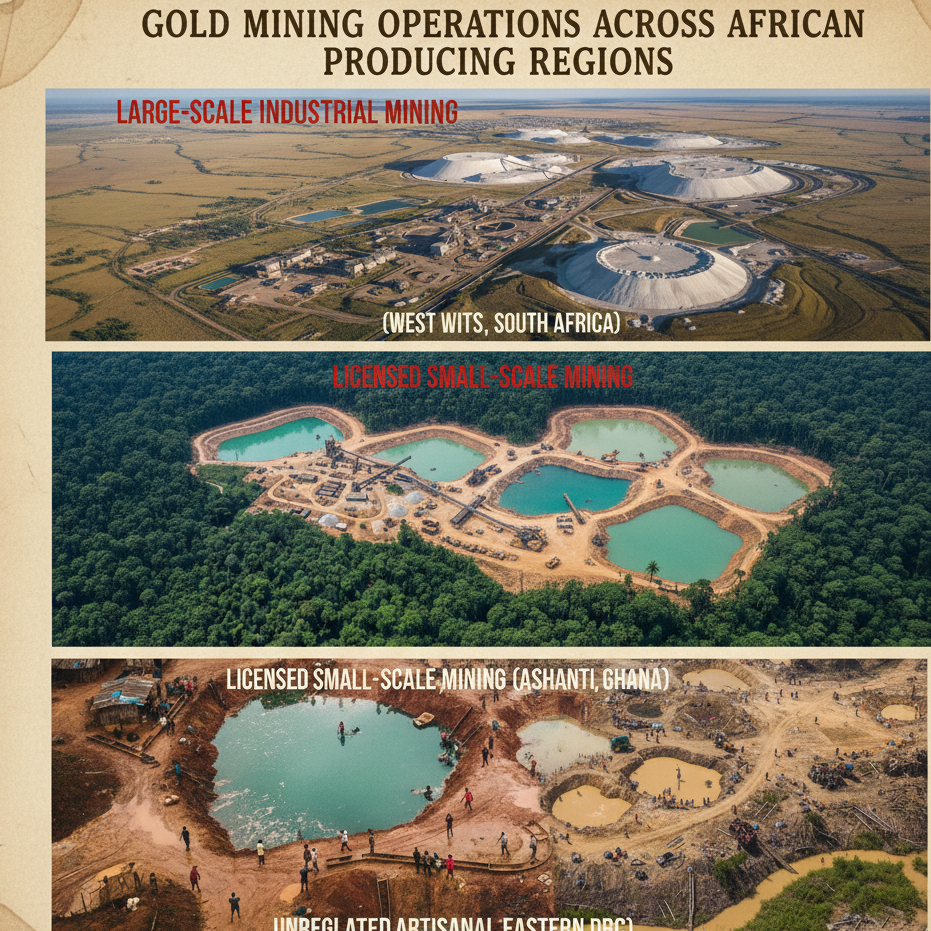
The African gold sector encompasses diverse production methods, ranging from large-scale industrial mining to artisanal and small-scale operations. Countries like Ghana, South Africa, and South Sudan have established regulatory frameworks governing gold extraction, domestic trading, and export procedures. These frameworks aim to formalize the sector while ensuring transparency and compliance with international standards.
International gold trading from Africa requires careful attention to documentation, assay certification, and chain of custody protocols. Buyers must work with partners who understand local regulations, export licensing requirements, and the logistical complexities of moving high-value commodities across borders. The most successful transactions occur when all parties maintain clear communication and adhere to established trade practices.
Market dynamics have shifted in recent years, with increased demand from Asian refineries and Middle Eastern trading centers. This has created new opportunities for African producers while also raising expectations around quality control, delivery timelines, and contractual reliability.

Regional Perspective
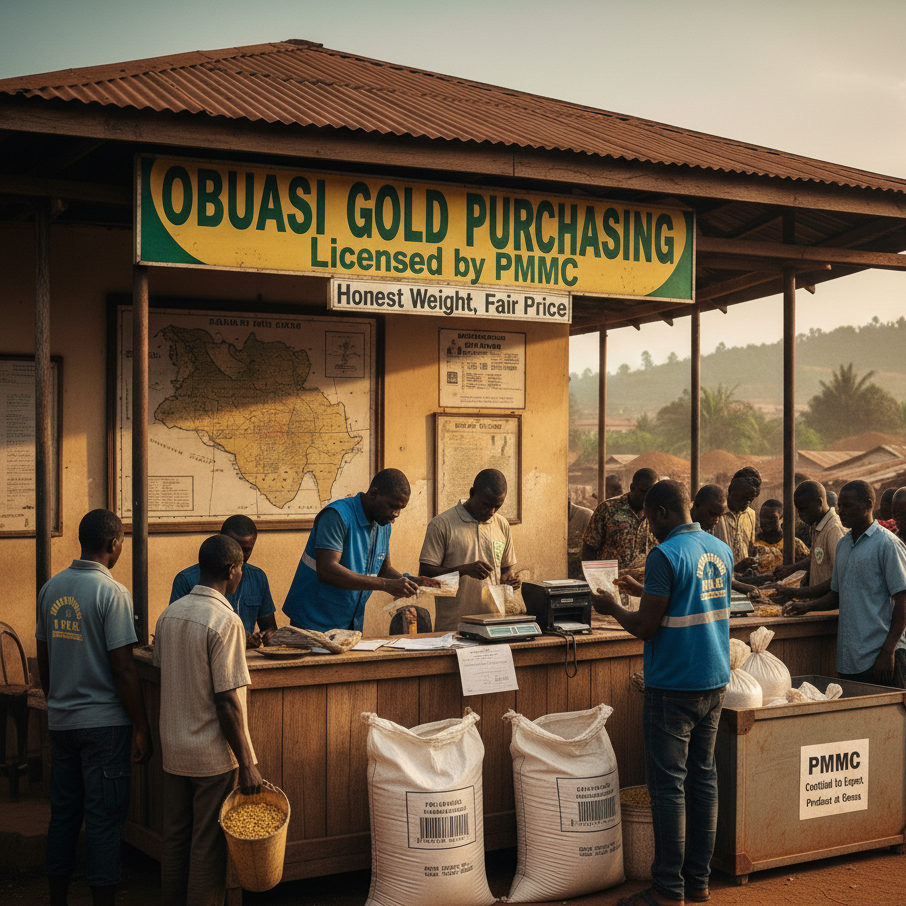
Ghana remains one of Africa’s most stable gold-producing nations, with well-developed infrastructure and a mature regulatory environment. The country’s gold export from Ghana sector benefits from established mining communities, licensed buying centers, and proximity to international shipping routes. Many international buyers view Ghana as a preferred sourcing destination due to its transparent licensing system and consistent production volumes.
South Africa brings decades of mining expertise and sophisticated refining capacity to the continental gold market. South Africa gold exporters operate within a highly regulated environment that emphasizes compliance, safety standards, and environmental responsibility. The country’s established financial infrastructure and logistics networks facilitate smooth export operations to global markets.
South Sudan represents an emerging frontier in African gold production. South Sudan gold suppliers have gained attention from buyers seeking diversified supply sources, particularly those serving Middle Eastern markets. The trade route from South Sudan to UAE has become increasingly active, connecting production areas with refineries in Dubai and other regional hubs.
Each region presents distinct advantages and considerations for international buyers. Understanding these regional characteristics helps inform sourcing strategies and risk management approaches.
Africa Gold Reserve’s Approach
Africa Gold Reserve operates across Ghana, South Africa, and South Sudan, with additional presence in the United Kingdom to facilitate international transactions. Since its founding in 2015, the company has focused on building direct relationships with licensed local mines, small-scale mining cooperatives, and authorized gold sellers. This ground-level approach enables consistent access to supply while maintaining compliance with local regulations.
The company’s headquarters in South Africa provides strategic oversight of continental operations, while regional teams maintain day-to-day relationships with producers and local authorities. This structure allows Africa Gold Reserve to function as a bridge between African gold exporters and international buyers, ensuring that both parties’ requirements are met throughout the transaction process.
Rather than pursuing rapid expansion, the company has prioritized operational depth in its core markets. This strategy has resulted in established networks of trusted suppliers, familiarity with local regulatory environments, and the ability to navigate challenges that can arise in cross-border commodity trading.
Buying and Export Process
The process of sourcing gold from African producers involves several critical stages. Africa Gold Reserve begins by verifying the licensing status of all suppliers and ensuring that gold originates from legitimate, legally authorized sources. This due diligence phase includes reviewing mining permits, trade licenses, and tax compliance documentation.
Once gold is acquired from local mines or licensed sellers, it undergoes rigorous testing and assay verification. Purity levels are documented through certified laboratory reports that meet international standards. This transparency in quality assessment builds confidence among buyers who require precise specifications for their refining or trading operations.
Export procedures involve securing necessary documentation, including export licenses, certificates of origin, and customs declarations. Africa Gold Reserve coordinates logistics with secured transportation providers and works with freight forwarders experienced in handling precious metals. Shipments are insured and tracked throughout transit, whether moving from Ghana to the United States, South Africa to China, or South Sudan to UAE.
Throughout this process, clear communication channels keep buyers informed of shipment status, documentation progress, and expected delivery timelines. This systematic approach reduces uncertainty and enables buyers to plan their operations with greater confidence.
Global Demand
International demand for African gold remains robust across multiple regions. Refineries in the UAE continue to process significant volumes from African sources, serving both regional markets and re-export channels to Asia. United States buyers maintain steady interest in gold export from Ghana, drawn by the country’s regulatory stability and consistent quality standards.
Chinese refineries and traders have increased their engagement with South Africa gold exporters, leveraging established trade relationships and efficient shipping routes. European buyers, particularly those in precious metals trading centers, continue to source from verified African suppliers who can provide full documentation and compliance with international due diligence standards.
The Middle East and broader Asian markets represent growing destinations for African gold, with buyers seeking diversified supply sources beyond traditional producers. This geographic diversification of demand has strengthened the position of established African gold exporters who can demonstrate reliability, quality consistency, and transparent operating practices.
Market participants note that buyers increasingly value long-term supply relationships over transactional arrangements. This shift favors companies that have invested in building sustainable networks and can demonstrate consistent performance over multiple years.
Why Buyers Work with Africa Gold Reserve
International buyers select Africa Gold Reserve based on several practical considerations. The company’s decade of operational experience across multiple African jurisdictions provides depth of knowledge that newer entrants cannot immediately replicate. This experience translates into smoother transactions, fewer regulatory complications, and more reliable delivery schedules.
The company’s presence in Ghana, South Africa, and South Sudan enables geographic diversification of supply sources. Buyers working with Africa Gold Reserve can access gold from different producing regions without needing to establish separate relationships in each jurisdiction. This consolidation simplifies procurement processes and reduces administrative overhead.
Transparency in pricing, documentation, and communication forms the foundation of the company’s client relationships. Buyers receive clear information about product specifications, export timelines, and any factors that might affect delivery schedules. This straightforward approach aligns with the expectations of professional commodity traders and institutional investors who require reliable information for their decision-making processes.
Africa Gold Reserve’s licensing and compliance framework meets the due diligence requirements of international buyers, including those subject to enhanced regulatory scrutiny. The company maintains documentation trails that satisfy responsible sourcing standards and international trade regulations.
Conclusion
Africa’s gold export sector continues to offer opportunities for international buyers who approach the market with proper due diligence and realistic expectations. Success in this space requires partners who understand local conditions, maintain regulatory compliance, and prioritize transparent business practices.
Africa Gold Reserve has positioned itself as a trusted gold exporter by focusing on operational excellence, supplier relationships, and client communication. For buyers seeking to establish or expand their African gold sourcing programs, engaging with an experienced partner can reduce complexity and improve outcomes.
Those interested in learning more about Africa Gold Reserve’s sourcing capabilities and export processes are encouraged to initiate direct communication to discuss specific requirements and potential supply arrangements.
Website: africagoldreserve.com
Email: sales@africagoldreserve.com