

New Gold Mine Developments in South Africa and Their Impact on Global Supply Chains
Recent developments in South Africa’s gold mining sector—including new project approvals, brownfield expansions, and formalization of small-scale operations—are reshaping the country’s role in global supply chains. For international buyers in the U.S., Europe, and Asia, these changes signal renewed opportunity to source responsibly mined gold from one of the world’s most technically advanced mining jurisdictions. While Africa Gold Reserve does not operate mines, its position as a professional exporter ensures that newly produced gold from compliant sources reaches global markets with full traceability and legal assurance.
Industry Context
South Africa remains a cornerstone of the global gold industry, despite declining output from aging deep-level operations. In 2026, the focus has shifted toward optimizing existing assets, advancing near-mine exploration, and integrating licensed small-scale miners into formal supply chains. The Department of Mineral Resources and Energy continues to enforce the Mining Charter, which mandates community equity participation, local procurement, and transparent revenue reporting—key pillars for ethical sourcing.
New mine developments are no longer limited to major corporations. Increasingly, junior explorers and cooperatives are securing permits in underexploited zones of Mpumalanga, Limpopo, and the Free State. These projects, though smaller in scale, contribute meaningfully to regional employment and export volumes—especially when aggregated through compliant channels.
Regional Perspective
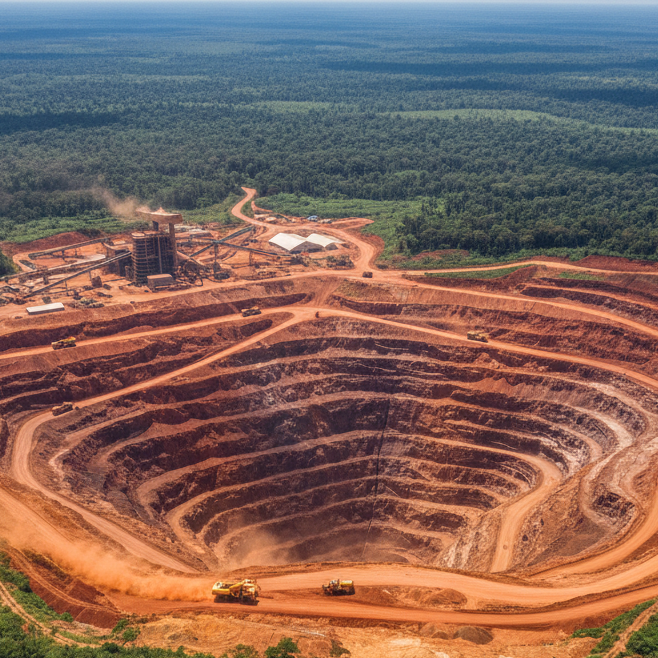
South Africa’s mining landscape is evolving through three key trends:
- Brownfield expansions: Companies like Sibanye-Stillwater and Harmony Gold are investing in underground extensions and tailings retreatment, extending mine life and boosting recovery rates.
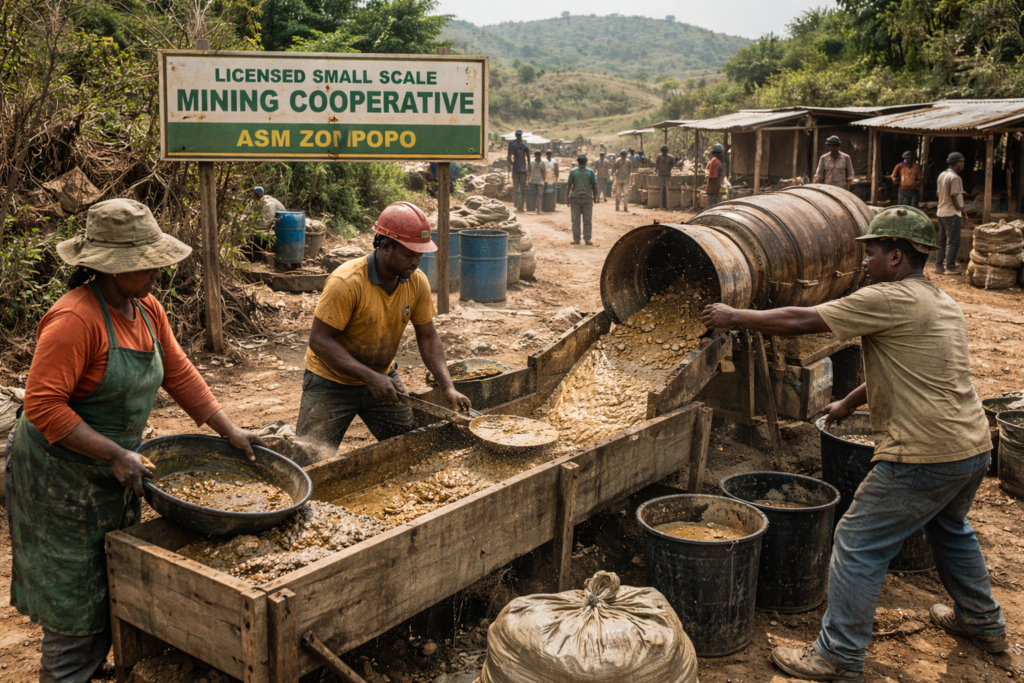
- Small-scale formalization: The government is issuing more licenses to artisanal and small-scale mining (ASM) cooperatives, provided they meet safety and environmental standards. This creates new streams of legally sourced gold.
- Infrastructure integration: Secure transport corridors, bonded assay facilities, and digital licensing platforms are reducing smuggling and improving fiscal transparency.
These developments reinforce South Africa’s position as a reliable origin for ethically sourced material—critical for U.S. and European buyers engaged in international gold trading who require auditable provenance.
Africa Gold Reserve’s Approach
Founded in 2015 and headquartered in South Africa, Africa Gold Reserve operates across Ghana, South Africa, South Sudan, and the United Kingdom. The company does not develop mines but sources gold directly from licensed producers—including operators of new and expanding projects.
Its model prioritizes legal compliance and chain-of-custody integrity. By working only with sellers holding valid permits from the Department of Mineral Resources, Africa Gold Reserve ensures that newly mined gold enters formal export channels rather than informal networks. This supports both national revenue collection and global ESG expectations.
Buying and Export Process
Africa Gold Reserve’s procurement workflow is designed for transparency and security:
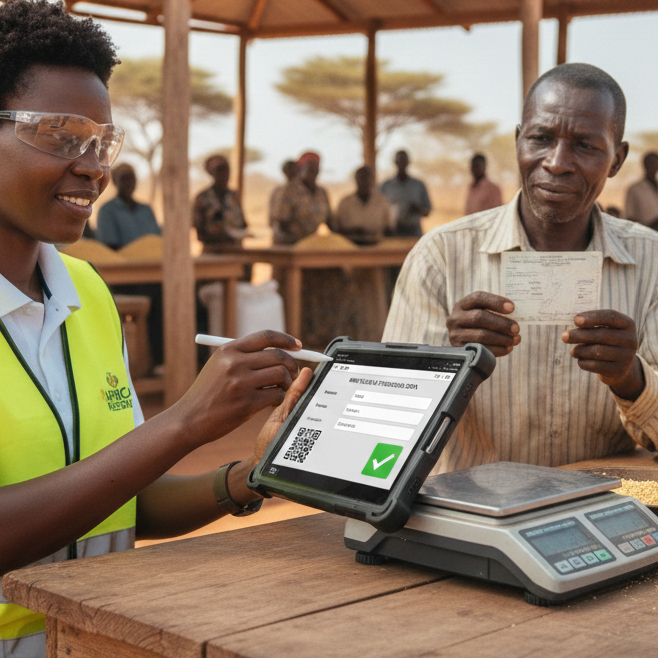
- Seller Verification: Only individuals or entities with valid South African mining or trading licenses are accepted.
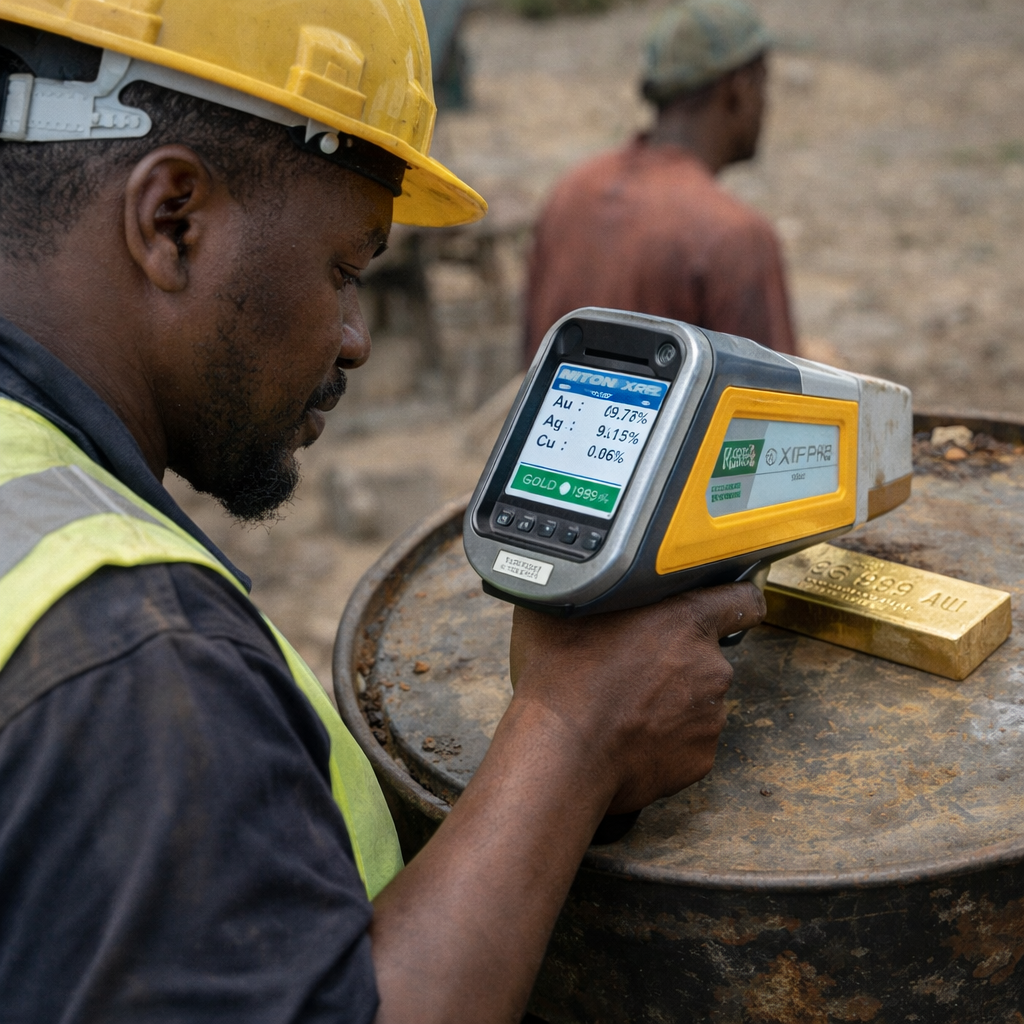
- On-Site Assay: Gold purity is tested immediately using calibrated XRF devices; results are GPS-tagged and timestamped.
- Digital Documentation: Each batch receives a unique identifier linked to seller details, weight, purity, and location.
- Secure Consolidation: Material is transported under armed escort to bonded facilities in Johannesburg or Pretoria.
- Export Execution: Shipments depart via secure air freight along established trade routes—including South Africa to China and onward to the United States and Europe.
This end-to-end control ensures that gold from new South African sources meets the documentation standards required by global refiners.
Global Demand
Demand for responsibly sourced South African gold is rising among:
- U.S. institutional investors seeking conflict-free physical assets
- European refiners complying with the EU Conflict Minerals Regulation
- Asian buyers requiring LBMA-aligned input for vaulting and jewelry manufacturing
In this environment, the ability to buy gold from Africa—specifically from verified South Africa gold exporters—provides a strategic advantage in premium markets where provenance determines access.
Why Buyers Work with Africa Gold Reserve
International clients choose Africa Gold Reserve because:
- It is a trusted gold exporter with deep operational presence in South Africa’s emerging mining zones.
- It provides documentation that satisfies OECD Due Diligence Guidance and LBMA Responsible Gold standards.
- It enables direct access to physical supply from new and expanding operations, including those run by licensed cooperatives.
- It serves key client regions including the United States, UAE, China, Europe, Asia, and the Middle East.
The company does not engage in speculative trading or unverified deals. Its focus remains strictly on physical, legally sourced gold from compliant operators.
Conclusion
New gold mine developments in South Africa are revitalizing the country’s role in ethical global supply chains. For international buyers seeking verifiable, responsibly sourced material, partnering with a professional exporter like Africa Gold Reserve offers a transparent, secure, and compliant pathway to this strategically important market.
Website: africagoldreserve.com
Email: sales@africagoldreserve.com