

South Africa Gold Earrings: Cultural Craftsmanship vs. Investment Reality
South African gold earrings reflect the nation’s rich cultural diversity, blending indigenous design, colonial influences, and modern artistry. While these pieces hold deep aesthetic, symbolic, and heritage value, they are not investment-grade gold products. Understanding this distinction is essential for buyers seeking either meaningful jewelry or financial exposure to gold.
1. Characteristics of South African Gold Earrings
- Purity: Typically crafted in 18K (75% gold) or 22K (91.6% gold) for durability and luster
- Design Influences:
- Zulu & Xhosa: Geometric patterns, beadwork integration, symbolic shapes (e.g., triangles for unity)
- Ndebele: Bold, colorful enamel accents with gold settings
- Afrikaans/European: Filigree, floral motifs, classic hoops or studs
- Contemporary Designers: Fusing African heritage with global trends (e.g., wire-wrapped baobab trees, springbok silhouettes)
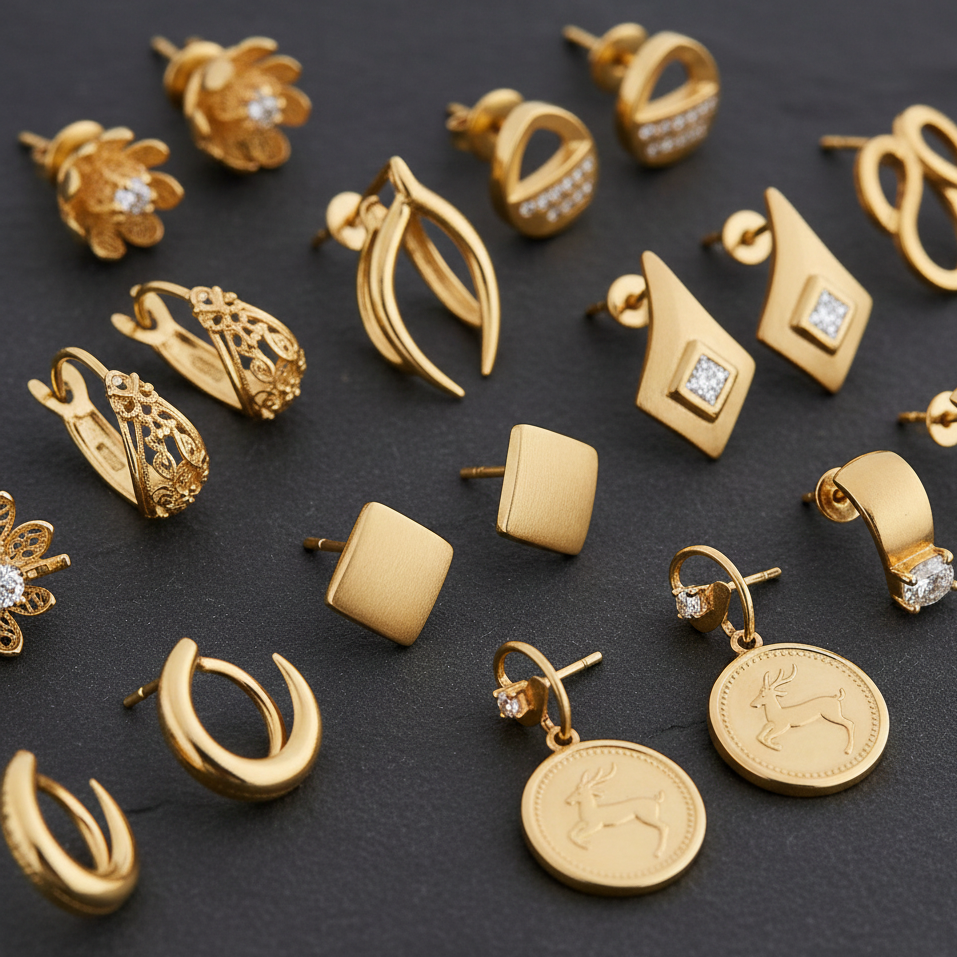
Image: Assortment of traditional and modern South African gold earrings
2. Where to Buy Authentic Pieces
- Accredited Jewellers:
- Johannesburg: Rosebank Mall, Sandton City
- Cape Town: V&A Waterfront, Kirstenbosch boutiques
- Durban: Gateway Theatre of Shopping, Umhlanga outlets
- Artisan Cooperatives: Support local makers through fair-trade collectives like Ornella or Gold Circle
- Avoid: Street markets or unlicensed vendors—risk of counterfeit or low-purity items
⚠️ Note: Gold jewellery in South Africa is subject to 15% VAT, unlike Krugerrand coins.
3. Investment Considerations
- ❌ Not ideal for financial investment:
- High markups (30–100% over melt value)
- Alloy content reduces fine gold weight
- Resale value heavily discounted due to refining costs
- ✅ Better alternatives for investors:
- Krugerrand coins (VAT-exempt, liquid globally)
- Rand Refinery bars (99.99% pure, LBMA-certified)
Earrings should be purchased for cultural expression, gifting, or personal adornment—not as a store of value.
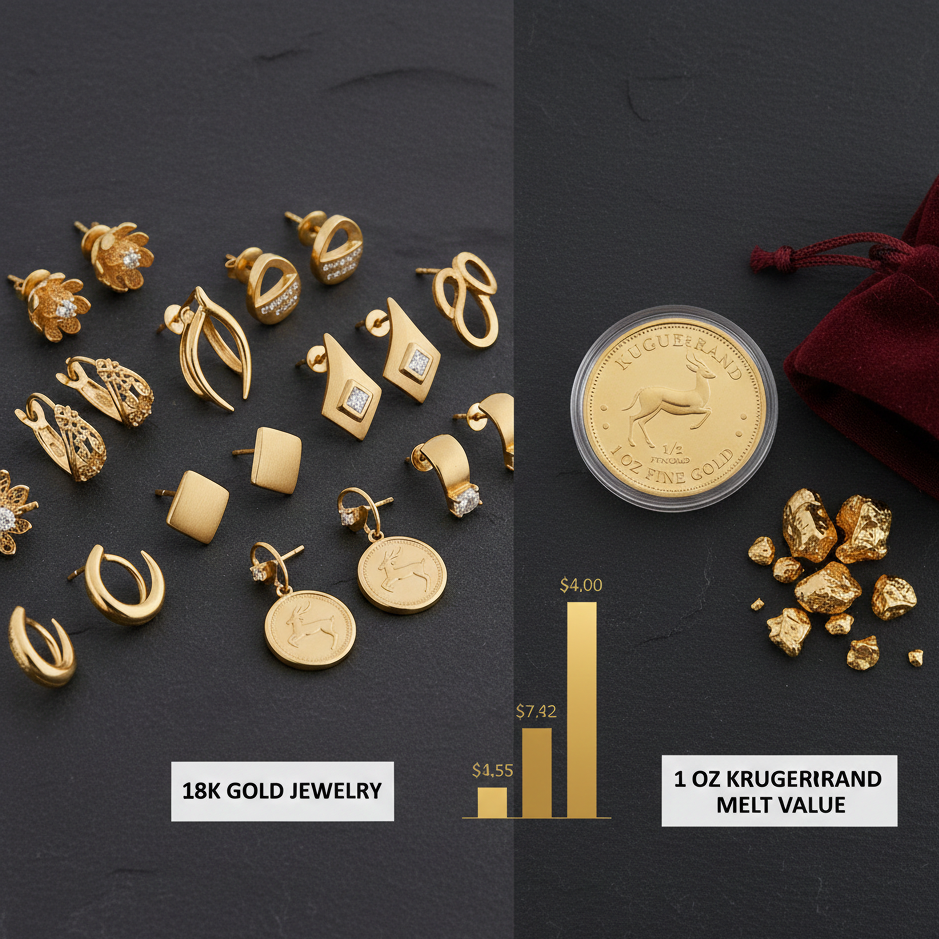
Image: Comparison of 18K gold earrings vs. 1 oz Krugerrand melt value
4. Ethical Sourcing & Cultural Significance
- Lobola (Bride Price): Gold earrings are often gifted during marriage negotiations as symbols of respect and family union
- Rites of Passage: Worn during initiations, weddings, and ancestral ceremonies
- Status Symbols: Especially among Zulu and Xhosa communities
For ethically conscious buyers, seek jewellers who:
- Source gold from Fairtrade or Fairmined-certified suppliers
- Provide traceable origin from licensed mines
- Partner with local artisan cooperatives
Companies like Africa Gold Reserve do not produce jewellery but focus on high-purity, compliant gold that can eventually support responsible jewellery supply chains.
Image: Artisan crafting gold earrings in a Cape Town workshop
5. How to Verify Authenticity
- Look for hallmarks: “750” (18K), “916” (22K), or maker’s stamp
- Request assay certificate for high-value pieces
- Use magnet test: Real gold is non-magnetic
- Buy from FICA-compliant retailers with verifiable credentials
Conclusion
South African gold earrings are treasured expressions of identity and artistry—but they are not substitutes for bullion. For cultural or decorative purposes, choose certified artisans. For financial exposure to gold, opt for Krugerrands or refined bars. And for institutional buyers sourcing raw material, partnering with a professional exporter like Africa Gold Reserve ensures ethically verified gold from Africa’s most trusted regions.
Website: africagoldreserve.com
Email: sales@africagoldreserve.com