

South Africa Gold Mining Companies: Leaders in Deep-Level Mining and Ethical Sourcing
South Africa remains a cornerstone of the global gold industry, home to some of the world’s deepest and most complex mines. While production has declined from its 20th-century peak, the country is still a top-five African producer and a hub for advanced mining expertise, refining infrastructure, and formalized small-scale operations. The sector is dominated by established corporations, but professional aggregators like Africa Gold Reserve also play a vital role in ethical supply chains.
1. Major Gold Mining Companies in South Africa
A. Sibanye-Stillwater
- One of the world’s largest gold producers by volume
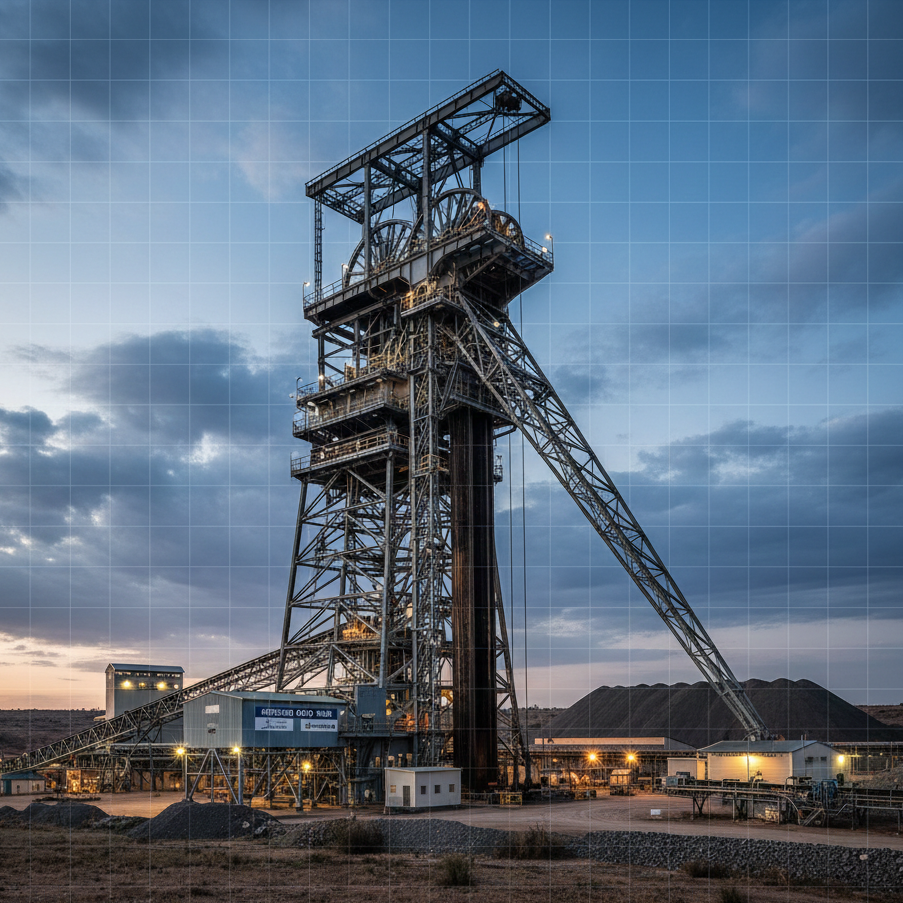
- Operates major deep-level complexes: Driefontein, Kloof, and Burnstone
- Also a leading platinum group metals (PGM) producer
- Focuses on mechanization and tailings retreatment to improve efficiency
B. Harmony Gold
- Owns Mponeng Mine—the world’s deepest mine at over 4 kilometers below surface
- Also operates TauTona and Moab Khotsong
- Acquired AngloGold Ashanti’s South African assets in 2020
- Specializes in high-grade, deep-level mining and surface operations
C. Pan African Resources
- Operates Elikhulu and Barberton mines
- Known for lower-cost, mechanized surface and underground operations
- Focuses on tailings retreatment—reprocessing old mine waste for residual gold
D. AngloGold Ashanti (Historic Presence)
- Once the dominant player in South Africa
- Has largely exited local operations but retains minor interests
- Now focused on West Africa (Ghana, Mali) and the Americas
2. Regulatory and Ownership Framework
Under South Africa’s Mineral and Petroleum Resources Development Act (MPRDA), all mineral rights belong to the state. Companies hold mining rights, not ownership. The Mining Charter mandates:
- Minimum 30% B-BBEE (Black Economic Empowerment) ownership
- 1% free carried interest for host communities
- Social and labor plans that benefit local populations
This ensures broad-based participation in the sector’s economic benefits.
3. Small-Scale and Artisanal Miners
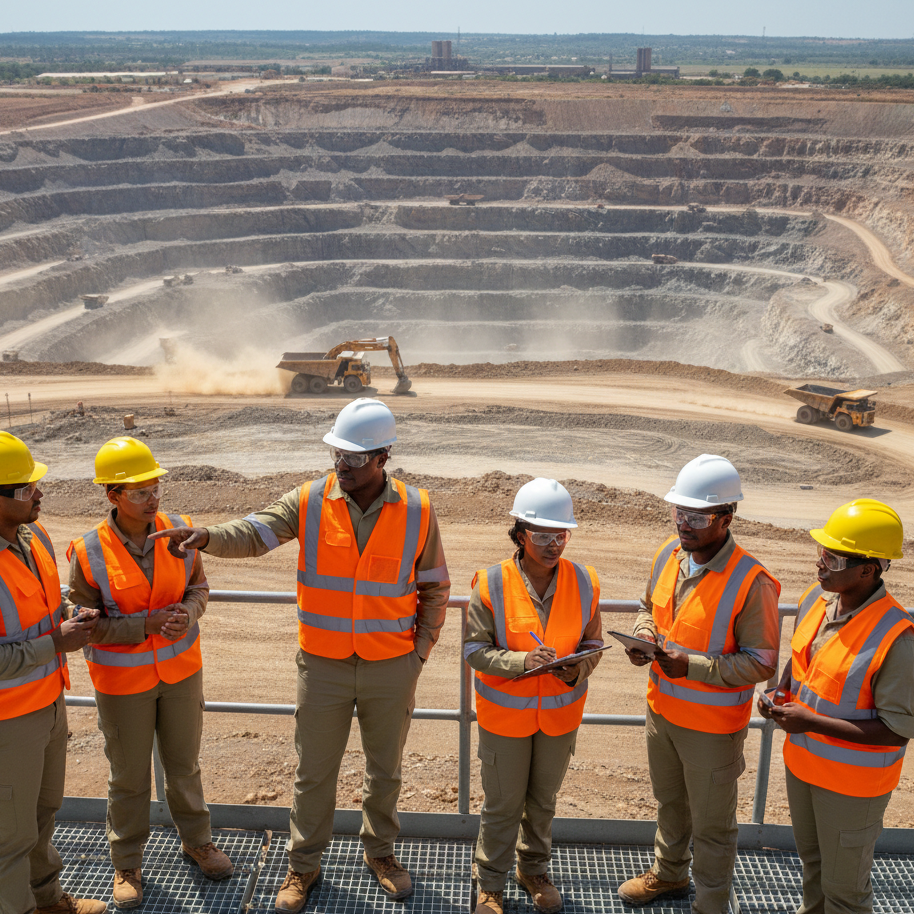
- Thousands of licensed small-scale miners operate in provinces like Mpumalanga, Limpopo, and North West
- They must obtain permits from the Department of Mineral Resources and Energy (DMRE)
- Many sell to licensed aggregators or exporters like Africa Gold Reserve
- Unlicensed “zama zama” miners operate illegally in disused shafts—high-risk and excluded from compliant supply chains
4. Africa Gold Reserve’s Role
Founded in 2015 and headquartered in South Africa, Africa Gold Reserve does not mine gold but sources it exclusively from:
- Licensed local mines
- Registered small-scale miners
- Government-authorized sellers
The company verifies permits, conducts on-site assaying, and provides full chain-of-custody documentation—ensuring alignment with OECD Due Diligence Guidance and LBMA Responsible Gold standards.
5. Global Relevance
South Africa’s gold sector remains strategically important due to:
- The Rand Refinery—one of the world’s largest gold refineries
- Advanced logistics via O.R. Tambo International Airport
- Vast remaining reserves in the Witwatersrand Basin (~2,000+ tonnes)
While deep-level mining is costly, the country’s infrastructure and regulatory maturity make it a trusted source for compliant gold.
Conclusion
South Africa’s gold mining companies range from global giants like Sibanye-Stillwater and Harmony Gold to formalized small-scale operators. For institutional buyers, the key is not just who mines the gold—but whether it is sourced through legal, transparent, and ethical channels. Partnering with a professional exporter like Africa Gold Reserve ensures access to verified supply from this historic and highly regulated landscape.
Website: africagoldreserve.com
Email: sales@africagoldreserve.com