

The Evolving Landscape of Ethical Gold Sourcing in Africa
Africa remains a pivotal source of global gold supply, producing over 900 tonnes annually. Yet the nature of that supply is changing rapidly. Driven by international regulatory standards, investor expectations, and national policy reforms, the African gold trade is shifting from opacity toward transparency. For international buyers seeking reliable, compliant sources of physical gold, understanding this transformation—and partnering with professional operators—is now essential.
Industry Context
Historically, a significant portion of Africa’s gold moved through informal channels, creating risks related to origin, labor practices, and environmental impact. Today, that model is being replaced by formalized systems aligned with global frameworks such as the OECD Due Diligence Guidance and the London Bullion Market Association (LBMA) Responsible Gold Guidance. These standards require verifiable proof of legal mining, absence of conflict financing, and ethical handling throughout the supply chain.
As a result, refiners, central banks, and luxury brands increasingly reject undocumented material. This has elevated the role of professional African gold exporters who can deliver fully traceable, legally sourced gold—turning compliance into a competitive advantage in international gold trading.
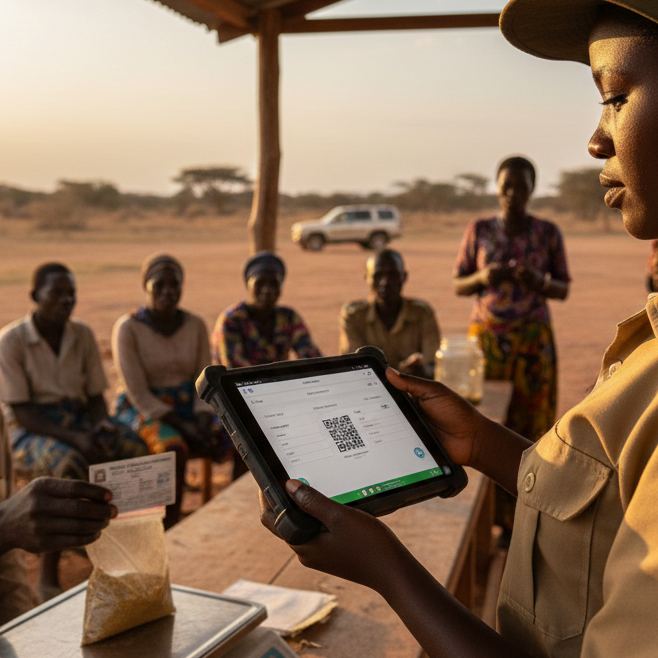
Image: Licensed gold buyer verifying miner’s permit at a collection center in Western Ghana
Regional Perspective
Africa’s gold-producing nations offer distinct profiles in terms of output, regulation, and opportunity:
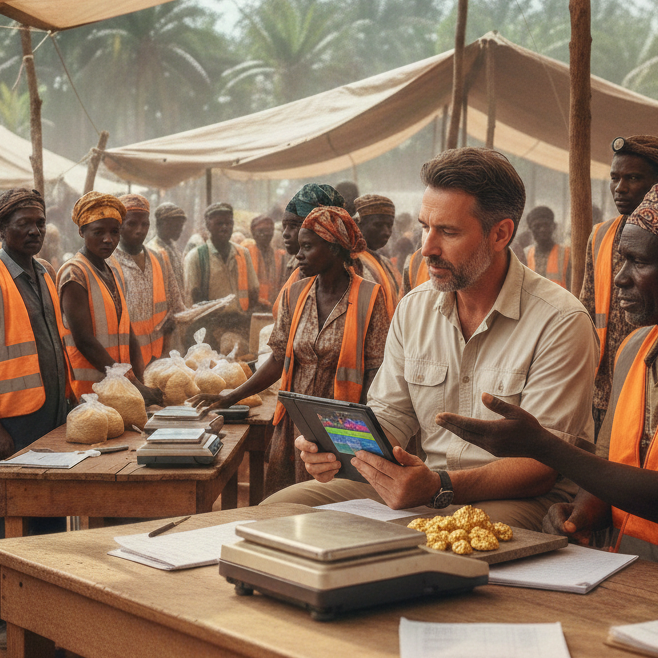
- Ghana, the continent’s top producer, has implemented real-time transaction reporting through the Precious Minerals Marketing Company (PMMC). This system ensures that gold export from Ghana is among the most transparent in West Africa, with every licensed sale digitally recorded.
- South Africa combines deep technical expertise with robust infrastructure. While large-scale mines dominate, licensed aggregators working with small-scale miners provide consistent, compliant supply—reinforcing the credibility of South Africa gold exporters.
- South Sudan, though emerging, holds vast alluvial and hard-rock potential. The government is actively developing its mining code and encouraging partnerships with vetted South Sudan gold suppliers who adhere to licensing and community engagement requirements.
These developments mean that ethically sourced African gold is increasingly available—but only through verified, professional channels.
Africa Gold Reserve’s Approach
Founded in 2015 and headquartered in South Africa, Africa Gold Reserve operates across Ghana, South Africa, South Sudan, and the United Kingdom. The company sources gold exclusively from licensed local mines, registered small-scale miners, and government-authorized sellers—never from informal or unverified networks.
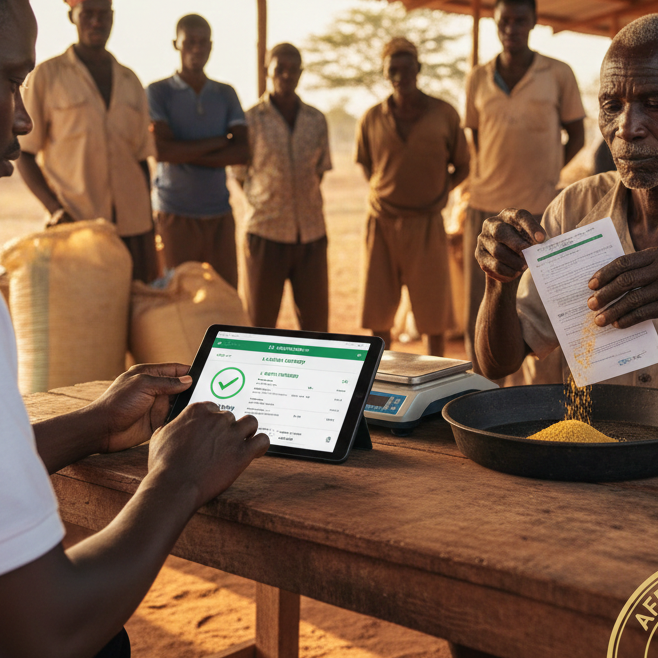
Its operational model is built on three pillars: legal compliance, digital traceability, and direct procurement. Every transaction begins with validation of national mining or trading permits, followed by on-site assaying and tamper-proof digital recording. This ensures alignment with both local laws and international due diligence expectations.
Buying and Export Process
Africa Gold Reserve follows a disciplined, secure workflow:
- Seller Verification: Only individuals or entities holding valid government-issued licenses are accepted.
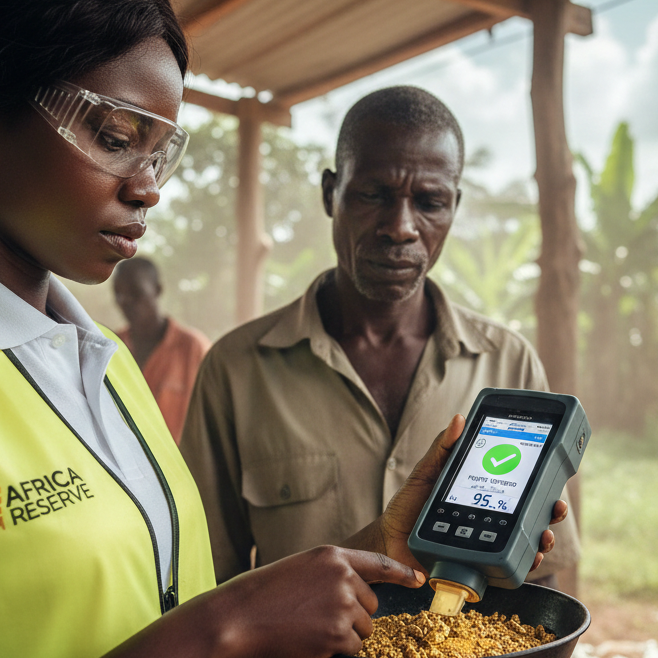
- On-Site Assay: Gold purity is tested immediately upon receipt; results are GPS-tagged and timestamped.
- Digital Documentation: Each batch receives a unique identifier linked to seller details, weight, purity, and location.
- Secure Consolidation: Material is transported under armed escort to bonded facilities.
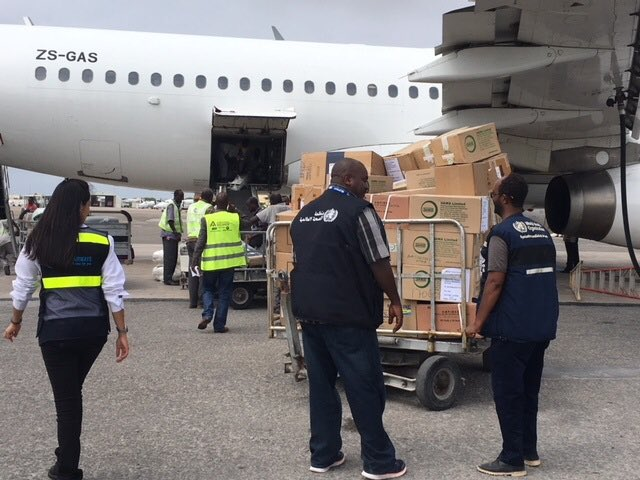
- Export Execution: Shipments depart via secure air or sea freight along established trade routes—including South Sudan to UAE, Ghana to the United States, and South Africa to China.
This end-to-end control ensures that buyers receive gold that is both authentic and compliant.
Global Demand
Demand for responsibly sourced African gold continues to rise across key markets:
- Refiners in Dubai, Zurich, and Singapore routinely reject undocumented material.
- Central banks in Asia and the Middle East seek non-dollar reserves backed by transparent provenance.
- Luxury jewelry brands in Europe and the U.S. require auditable supply chains for ESG compliance.
In this environment, the ability to buy gold from Africa with full documentation is not just a regulatory necessity—it’s a strategic differentiator.
Why Buyers Work with Africa Gold Reserve
International clients choose Africa Gold Reserve because:
- It is a trusted gold exporter with boots-on-the-ground presence in core producing regions.
- It provides documentation that satisfies OECD, LBMA, and internal compliance requirements.
- It enables direct access to physical supply from verified South Sudan gold suppliers, South Africa gold exporters, and transparent gold export from Ghana channels.
- It serves major client regions including the UAE, United States, China, Europe, Asia, and the Middle East.
The company does not engage in speculative trading, paper contracts, or unverified deals. Its focus remains strictly on physical, legally sourced gold from licensed operators.
Conclusion
The future of African gold lies in integrity, not just volume. As global standards converge and informal channels contract, professional exporters with operational depth and compliance infrastructure will define the next era of responsible supply. For refiners, commodity traders, and institutional investors seeking a reliable partner in this evolving landscape, Africa Gold Reserve offers a transparent, secure, and professionally managed gateway to one of the world’s most strategic gold-producing regions.
Website: africagoldreserve.com
Email: sales@africagoldreserve.com