

The Supply Chain Behind African Gold Pendants Sold in the U.S. Market
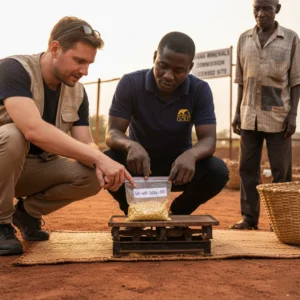
When U.S. consumers search for an “Africa gold pendant,” they are often drawn by the symbolism of origin—seeking a piece that reflects both beauty and ethical provenance. Yet the journey from African mine to American jewelry counter is rarely direct or transparent. For brands marketing such pieces, credibility hinges not on romanticized claims, but on verifiable supply chains. Africa Gold Reserve, as a professional exporter, plays a critical upstream role by ensuring that the gold used in these pendants originates from legally compliant, traceable sources across sub-Saharan Africa.
Industry Context
The global jewelry industry is under increasing scrutiny to demonstrate responsible sourcing. Regulations like the OECD Due Diligence Guidance and consumer demand for ESG transparency now require brands to prove that their gold was mined legally, without child labor, and with minimal environmental impact. This means that any “Africa gold pendant” sold in the U.S. must be backed by auditable documentation—not anecdotal origin stories.
Africa produces over 900 tonnes of gold annually, but only a fraction meets these international standards. The gap between informal artisanal output and compliant supply is where professional African gold exporters add value—by formalizing procurement and ensuring every ounce is traceable from source to export.
Regional Perspective
Key gold-producing countries in Africa are advancing formalization efforts that support ethical jewelry supply:
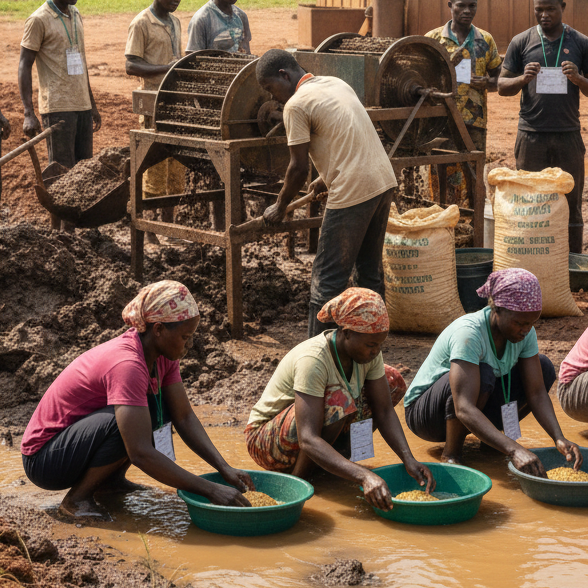
- Ghana, the continent’s top producer, mandates real-time digital reporting of all licensed transactions through the Precious Minerals Marketing Company (PMMC). This system ensures that gold export from Ghana is among the most transparent in West Africa—ideal for U.S.-bound refining.
- South Africa combines advanced regulatory oversight with deep technical infrastructure. Licensed aggregators operating under the Department of Mineral Resources provide consistent access to compliant material, reinforcing the credibility of South Africa gold exporters.
- South Sudan, though emerging, is developing a mining code that emphasizes licensing and community benefit. Early partnerships with vetted South Sudan gold suppliers could position forward-looking brands ahead of broader market entry.
These developments mean that gold used in an “Africa gold pendant” can be both authentic and ethically defensible—if sourced through verified channels.
Africa Gold Reserve’s Approach
Founded in 2015 and headquartered in South Africa, Africa Gold Reserve operates across Ghana, South Africa, South Sudan, and the United Kingdom. The company does not manufacture or sell jewelry but supplies the foundational raw material—freshly mined, legally sourced gold—to refiners and manufacturers who serve the U.S. market.
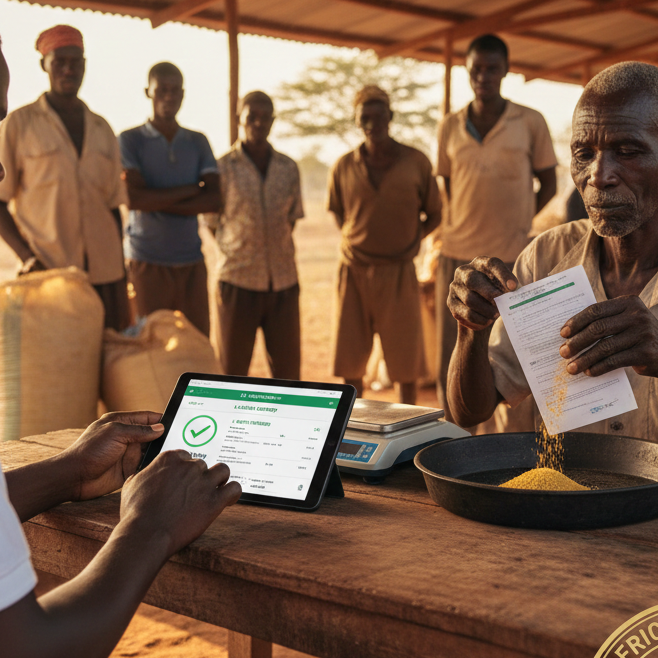
Its model emphasizes legal compliance, direct procurement, and digital traceability. Gold is acquired exclusively from licensed local mines, registered small-scale miners, and government-authorized sellers. Every transaction is validated, assayed, and recorded in a tamper-proof digital ledger—ensuring alignment with international due diligence expectations.
Buying and Export Process
Africa Gold Reserve follows a disciplined, secure workflow:
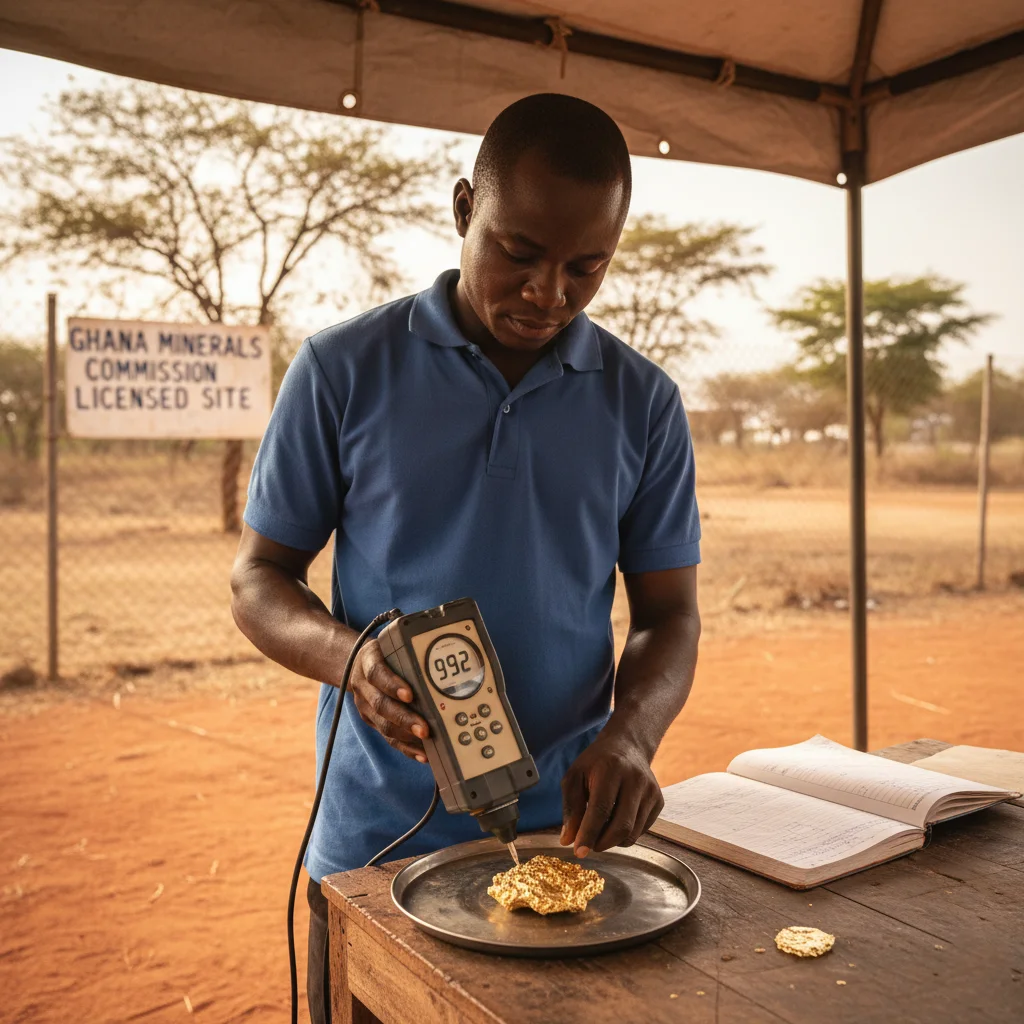
- Seller Verification: Only individuals or entities holding valid national mining or trading licenses are accepted.
- On-Site Assay: Gold purity is tested immediately upon receipt; results are GPS-tagged and timestamped.
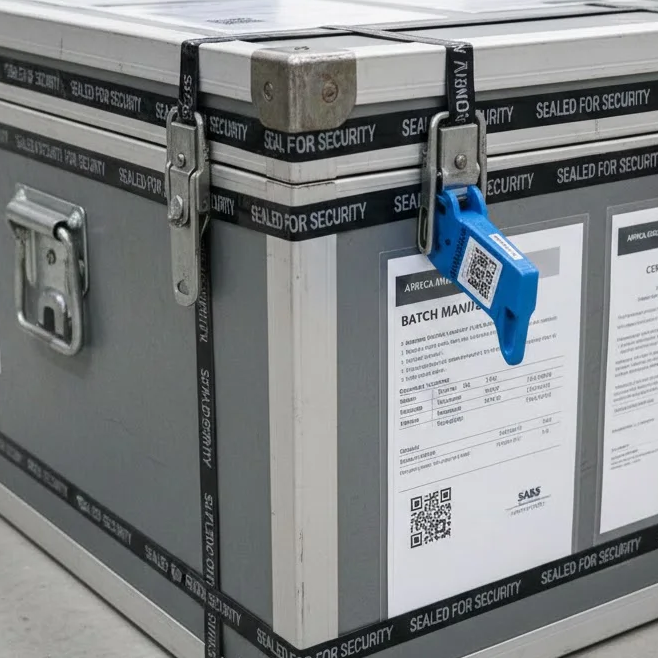
- Digital Documentation: Each batch receives a unique identifier linked to seller details, weight, purity, and location.
- Secure Consolidation: Material is transported under armed escort to bonded facilities.
- Export Execution: Shipments depart via secure air or sea freight along established trade routes—including Ghana to the United States, South Sudan to UAE, and South Africa to China.
This end-to-end control provides U.S. refiners and jewelry brands with the documentation needed for FTC compliance and consumer transparency.
Global Demand
Demand for responsibly sourced African gold is rising among:
- U.S. jewelry importers responding to FTC guidelines on origin claims
- Luxury brands complying with ESG and conflict mineral regulations
- Refiners in New York, Miami, and Los Angeles requiring LBMA-compliant input
In this environment, the ability to buy gold from Africa with full provenance is not just a compliance requirement—it’s a brand differentiator in international gold trading.
Why Buyers Work with Africa Gold Reserve
U.S. and international clients choose Africa Gold Reserve because:
- It is a verified trusted gold exporter with boots-on-the-ground presence in key producing regions.
- It enables direct access to physical supply from compliant South Sudan gold suppliers, South Africa gold exporters, and transparent gold export from Ghana channels.
- It provides documentation that satisfies OECD, LBMA, and U.S. import compliance requirements.
- It eliminates unnecessary intermediaries, reducing opacity and enhancing trust.
The company does not engage in unverified deals, speculative trading, or informal networks. Its focus remains strictly on physical, legally sourced gold from licensed operators.
Conclusion
An “Africa gold pendant” sold in the U.S. is only as credible as its supply chain. For brands committed to ethical sourcing, partnering with a professional exporter like Africa Gold Reserve offers a transparent, auditable, and operationally disciplined pathway to one of the world’s most strategic gold-producing regions.
Website: africagoldreserve.com
Email: sales@africagoldreserve.com