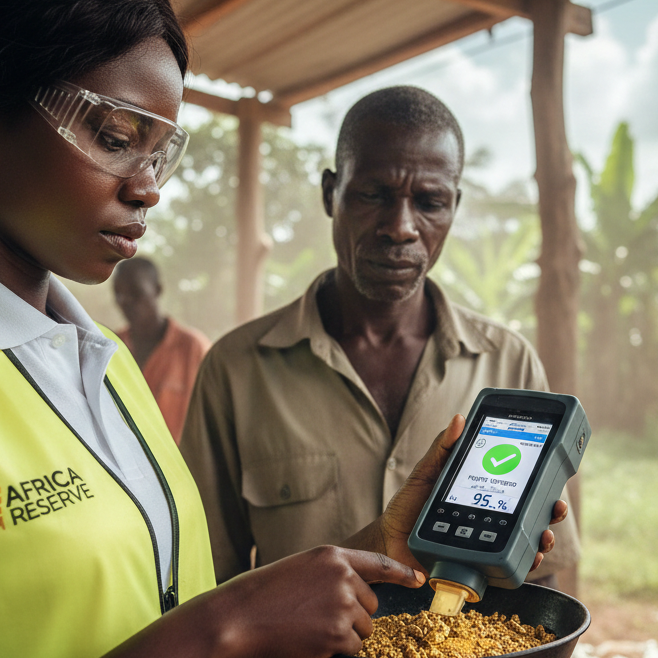

Understanding Africa’s Gold Legacy: From Historical Mines to Modern Export Channels
While interest in historical gold mining sites across Africa has grown among tourists and historians, the continent’s true contemporary value lies not in relics of the past—but in its active, compliant, and professionally managed gold supply chains. For international buyers, refiners, and institutional investors, the focus is on sourcing physical gold that is legally mined, ethically handled, and fully traceable. In this context, companies like Africa Gold Reserve play a critical role—not as tour operators, but as trusted conduits between African production and global markets.
Industry Context
Africa has been a source of gold for millennia—from ancient Egyptian mines in Nubia to the legendary wealth of the Ashanti Empire and the Witwatersrand rush that shaped modern South Africa. Today, however, the gold trade is governed by stringent international standards. Regulations such as the OECD Due Diligence Guidance and LBMA Responsible Gold Guidance require verifiable proof of origin, chain of custody, and labor compliance.
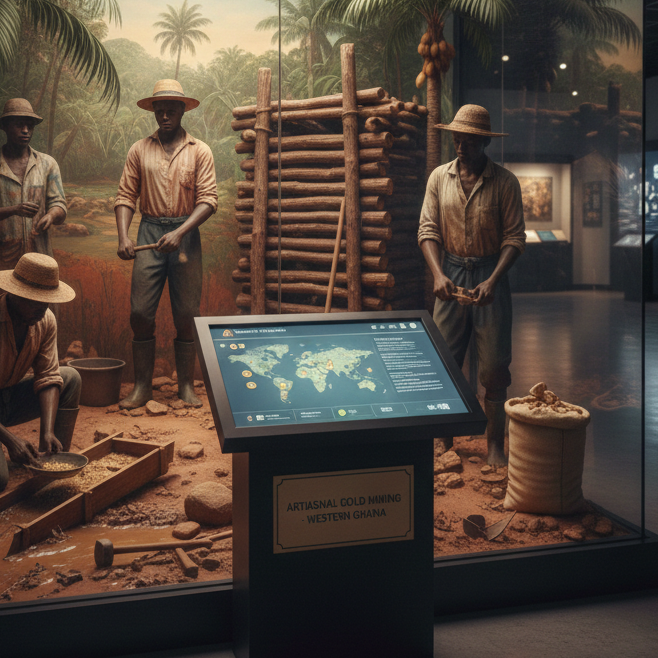
This shift has moved the industry far beyond heritage tourism. While some governments and private entities offer guided tours of decommissioned sites—such as the Kimberley Mine Museum in South Africa or the Wassa Mine visitor center in Ghana— these experiences serve educational or cultural purposes only. They do not provide access to current production or commercial supply. For those seeking to buy gold from Africa, engagement with professional African gold exporters is essential.

Regional Perspective
Several African countries preserve their mining heritage through museums and limited public access:
- South Africa offers tours of the Gold Reef City mine replica and the historic Crown Mines area, though active deep-level operations remain off-limits for safety and security.
- Ghana occasionally permits visits to legacy sites near Obuasi, where AngloGold Ashanti maintains a museum showcasing over a century of mining history.
- Zimbabwe and Tanzania have heritage trails linked to early colonial-era extraction, but no active commercial tours of producing assets.
Critically, none of these tours involve current gold production or sales. Real-time access to African gold occurs exclusively through licensed procurement and export channels—particularly in jurisdictions like Ghana, South Africa, and South Sudan, where formalization efforts are accelerating.
Africa Gold Reserve’s Approach
Founded in 2015 and headquartered in South Africa, Africa Gold Reserve operates across Ghana, South Africa, South Sudan, and the United Kingdom. The company does not offer tourism services; instead, it focuses exclusively on the professional sourcing and export of physical gold.
Its core activities include buying gold from licensed local mines, sourcing from registered small-scale miners, and acquiring material from government-authorized sellers. Every transaction is documented, assayed, and verified—ensuring alignment with national laws and international due diligence frameworks. This operational discipline positions Africa Gold Reserve as a trusted gold exporter for serious market participants.
Buying and Export Process
Africa Gold Reserve’s workflow is designed for compliance and transparency:
- Seller Verification: Only individuals or entities holding valid government-issued licenses are accepted.
- On-Site Assay: Gold purity is tested immediately using calibrated XRF or fire assay methods.
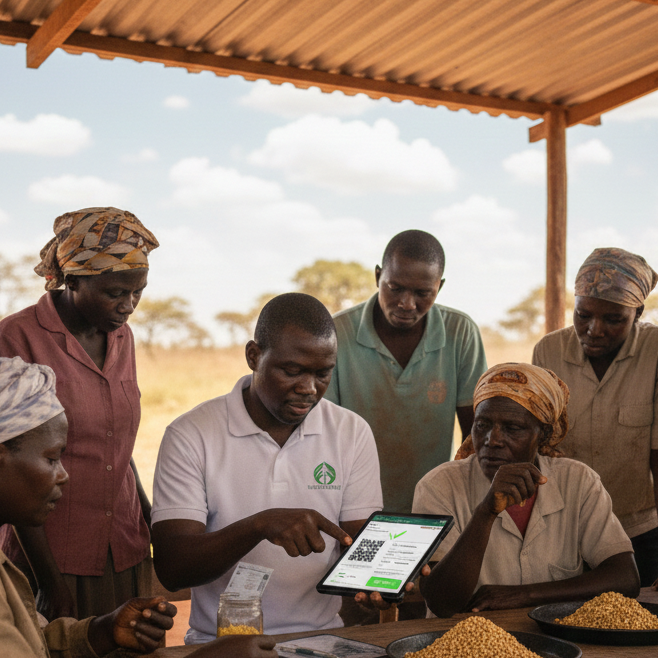
- Digital Documentation: Each batch receives a unique identifier linked to GPS coordinates, timestamp, seller ID, and assay result.
- Secure Consolidation: Material is transported under armed escort to bonded facilities.
- Export Execution: Shipments depart via secure air or sea freight along established trade routes—including South Sudan to UAE, Ghana to the United States, and South Africa to China.
This end-to-end control ensures that buyers receive gold that is not only authentic but also ethically and legally sound.

Global Demand
International demand for responsibly sourced African gold continues to rise. Refiners in Dubai, Zurich, and Singapore routinely reject undocumented material. Central banks, ETF issuers, and luxury brands now require auditable supply chains as part of ESG mandates.
In this environment, the ability to source from verified South Sudan gold suppliers, reliable South Africa gold exporters, and transparent gold export from Ghana channels has become a strategic advantage in international gold trading.
Why Buyers Work with Africa Gold Reserve
Global clients choose Africa Gold Reserve because:
- It is a professionally managed African gold exporter with boots-on-the-ground presence in key producing regions.
- It provides full documentation that meets OECD and LBMA standards.
- It eliminates intermediaries, reducing opacity and enhancing reliability.
- It maintains consistent logistics to major client regions: UAE, United States, China, Europe, Asia, and the Middle East.
The company does not engage in tourism, speculation, or unbacked contracts. Its focus remains strictly on physical, verified gold from licensed sources.

Conclusion
While historical gold mining sites offer valuable insight into Africa’s rich mineral heritage, they do not represent today’s commercial reality. For investors, refiners, and commodity traders seeking authentic, ethically sourced gold, the path forward lies through professional export partners—not guided tours. Africa Gold Reserve provides a transparent, compliant, and operationally disciplined gateway to one of the world’s most strategic gold-producing regions.
Website: africagoldreserve.com
Email: sales@africagoldreserve.com