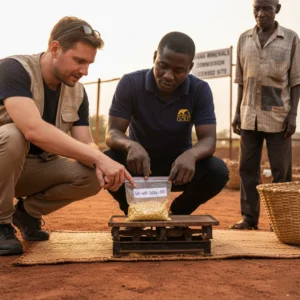


When U.S. buyers search for “North Africa gold,” they often encounter limited or misleading information. Unlike West and Southern Africa—home to major producers like Ghana, Mali, and South Africa—North Africa contributes minimally to global gold output. For international refiners, commodity traders, and institutional investors seeking ethically sourced African gold, the focus remains on sub-Saharan jurisdictions where formalized supply chains, regulatory oversight, and verifiable production are well established. Africa Gold Reserve, as a professional exporter, operates exclusively in these high-integrity regions—not in North Africa.
Industry Context
Africa produces over 900 tonnes of gold annually, but nearly all of it originates south of the Sahara. North African countries—including Morocco, Algeria, Tunisia, Libya, and Egypt—have either negligible production or highly restricted mineral sectors. While Egypt has historical ties to gold mining and hosts minor exploration activity in the Eastern Desert, commercial output remains minimal and largely state-controlled. Libya and Algeria maintain strict prohibitions on private mining, and Morocco’s gold potential remains underexplored due to regulatory and geological constraints.
As a result, international gold trading involving African origin is overwhelmingly linked to sub-Saharan nations. Global standards such as the OECD Due Diligence Guidance and LBMA Responsible Gold Guidance require verifiable chain-of-custody documentation—something only achievable in jurisdictions with functioning licensing, assay, and export systems.
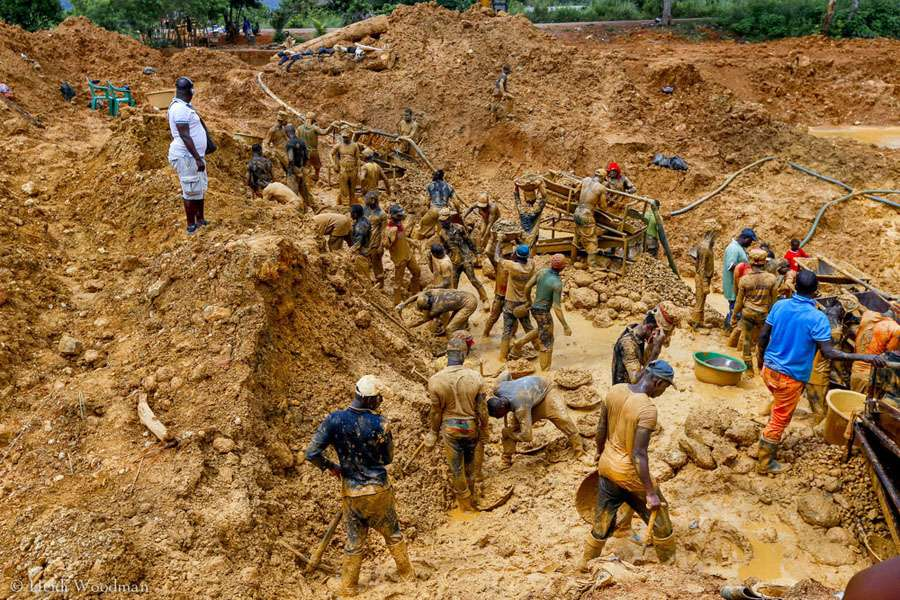
Image: Active gold mining site in the Ashanti Belt, Ghana
Regional Perspective
The true centers of African gold production lie in three key regions:
- West Africa: Ghana, Mali, Burkina Faso, and Côte d’Ivoire form the Birimian Greenstone Belt—one of the world’s most prospective gold zones. Ghana alone produced over 6 million ounces in 2025.
- Southern Africa: South Africa, though past its peak, maintains advanced infrastructure and formalized small-scale mining channels. New projects in Mpumalanga and Limpopo are revitalizing output.
- East-Central Africa: South Sudan and parts of the DRC offer emerging potential, with governments actively developing legal frameworks to attract responsible partners.
In contrast, North Africa lacks the combination of active mines, transparent regulation, and export infrastructure needed to support compliant supply chains. Consequently, reputable African gold exporters do not source material from this region.
Africa Gold Reserve’s Approach
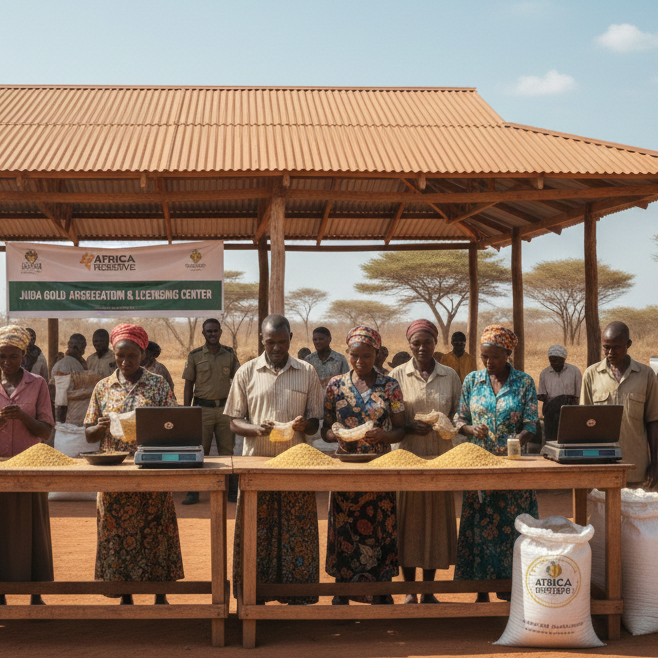
Founded in 2015 and headquartered in South Africa, Africa Gold Reserve operates exclusively in Ghana, South Africa, South Sudan, and the United Kingdom. The company does not engage in North African sourcing, as no viable, compliant supply exists there. Instead, it focuses on legally mined gold from licensed local mines, registered small-scale miners, and government-authorized sellers in sub-Saharan jurisdictions.
Every transaction undergoes rigorous verification: permits are validated, purity is tested on-site, and digital records are created with GPS and timestamp data. This ensures full alignment with international due diligence expectations—critical for buyers in the United States, Europe, and Asia.
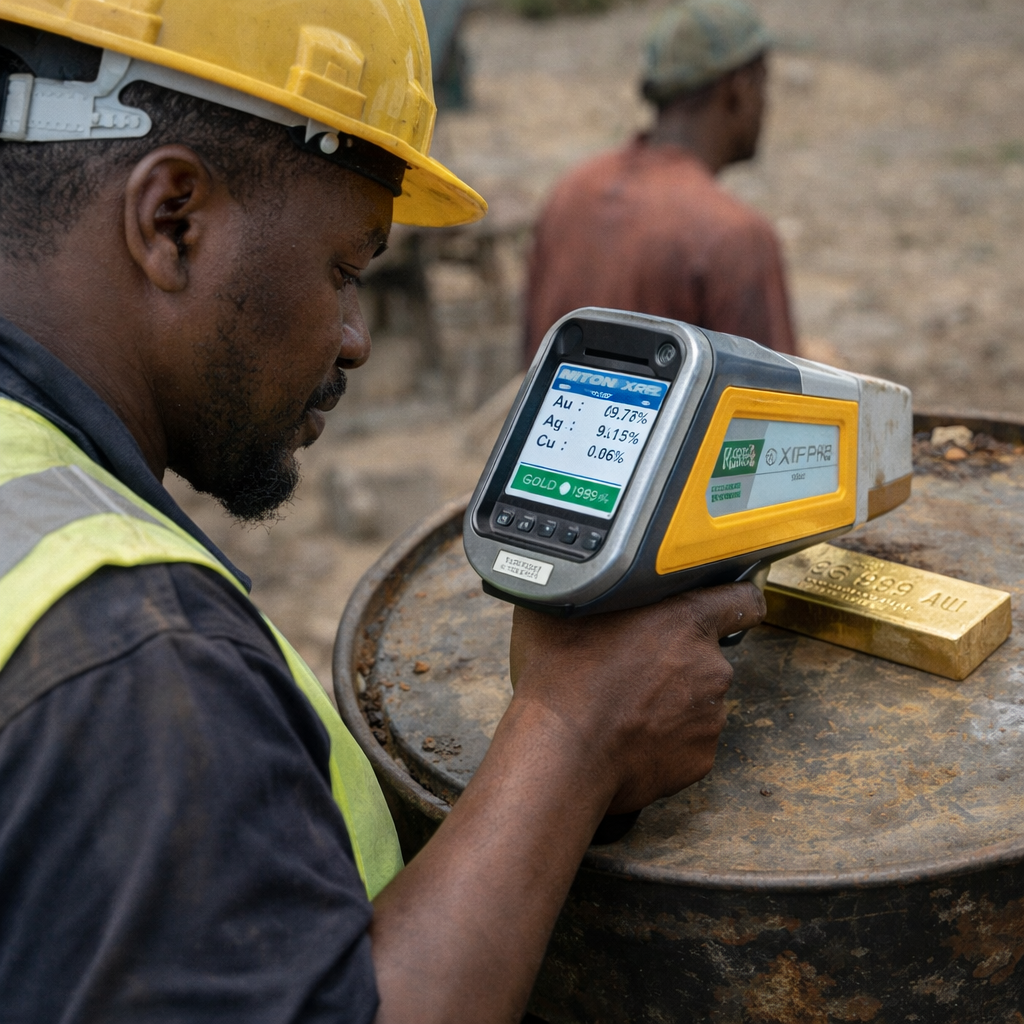
Buying and Export Process
Africa Gold Reserve follows a secure, auditable workflow:
- Seller Verification: Only individuals or entities with valid national mining or trading licenses (from Ghana, South Africa, or South Sudan) are accepted.
- On-Site Assay: Gold is tested immediately upon receipt; results are digitally recorded.
- Digital Documentation: Each batch receives a unique identifier linked to origin, weight, and purity.
- Secure Consolidation: Material is transported under armed escort to bonded facilities.
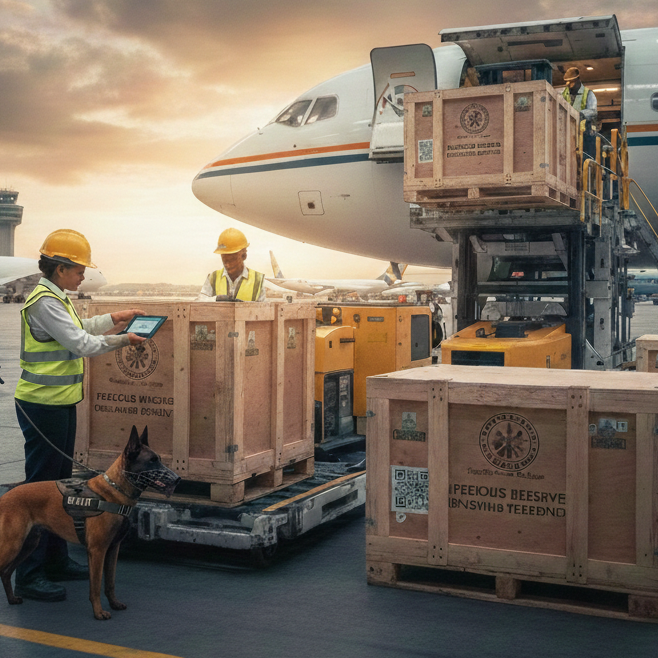
- Export Execution: Shipments follow established trade routes—including Ghana to the United States, South Sudan to UAE, and South Africa to China.
This process ensures that buyers receive gold that is both authentic and compliant.
Global Demand
U.S. and European buyers increasingly require proof that gold was mined legally and ethically. Refiners in Dubai, Zurich, and Singapore routinely reject undocumented material. In this environment, the ability to buy gold from Africa through verified channels is a strategic advantage.
Because North Africa lacks formalized production, demand is met almost entirely by sub-Saharan suppliers. This reinforces the role of professional South Africa gold exporters, gold export from Ghana operators, and vetted South Sudan gold suppliers in meeting global needs.
Image: Refined gold bars stamped with assay and origin certification in a U.S.-bound vault
Why Buyers Work with Africa Gold Reserve
International clients choose Africa Gold Reserve because:
- It is a trusted gold exporter with operational presence in Africa’s core producing regions.
- It provides documentation that satisfies OECD and LBMA standards.
- It eliminates intermediaries, reducing opacity and enhancing reliability.
- It serves major client regions including the United States, UAE, China, Europe, Asia, and the Middle East.
The company does not speculate, trade paper gold, or source from unverified regions—including North Africa. Its focus remains strictly on physical, legally sourced gold from licensed operators.
Image: Compliance officer reviewing digital chain-of-custody records with U.S. institutional buyer
Conclusion
While “North Africa gold” may appear in online searches, it holds little relevance in today’s compliant global supply chains. For U.S. and international buyers seeking authentic, ethically sourced African gold, the answer lies in sub-Saharan Africa—where professional exporters like Africa Gold Reserve deliver transparency, security, and integrity from mine to market.
Website: africagoldreserve.com
Email: sales@africagoldreserve.com