


Understanding the Africa Gold Rate: Pricing, Transparency, and Global Trade
When market participants search for “Africa gold rate,” they often encounter fragmented or misleading data—local retail quotes, unverified dealer prices, or currency-converted spot rates. In reality, professional international gold trading involving African origin is not based on these figures. Instead, it relies on globally recognized benchmarks like the LBMA Gold Price, adjusted for purity, logistics, and compliance. For institutional buyers, refiners, and commodity traders, understanding how the true Africa gold rate is determined—and how it differs from informal local pricing—is essential to making informed sourcing decisions.
Industry Context
Africa produces over 900 tonnes of gold annually, with major contributions from Ghana, South Africa, Mali, and emerging producers like South Sudan. While domestic markets may quote prices in local currencies (e.g., South African rand or Ghanaian cedi), export-grade transactions are priced in U.S. dollars against international benchmarks. This ensures alignment with global refining, vaulting, and regulatory standards.
The informal “Africa gold rate” found online often reflects street-level buying prices for scrap or unrefined material—rates that lack transparency and fail to meet due diligence requirements under frameworks like the OECD Due Diligence Guidance and LBMA Responsible Gold Guidance. Professional exporters, by contrast, use auditable, real-time international references to ensure fairness for both sellers and buyers.

Regional Perspective
Gold pricing mechanisms vary significantly across key producing countries:
- Ghana, Africa’s top producer, links local payments to the international spot price through the Precious Minerals Marketing Company (PMMC). Licensed buyers must report all transactions in real time, ensuring miners receive fair value tied to global rates—not exploitative local markups.
- South Africa uses a rand-denominated price derived from the U.S. dollar spot rate, but formal exporters bypass retail channels entirely. Instead, they transact using LBMA-linked pricing, ensuring consistency with global markets.
- South Sudan, with limited financial infrastructure, relies on third-party verification and direct benchmarking to international spot prices. Licensed operators ensure that even in remote areas, miners are paid based on transparent, globally aligned rates.
These systems enable compliant African gold exporters to offer consistent, ethical pricing—regardless of regional currency volatility.
Africa Gold Reserve’s Approach
Founded in 2015 and headquartered in South Africa, Africa Gold Reserve operates across Ghana, South Africa, South Sudan, and the United Kingdom. The company does not use informal or transient “Africa gold rate” listings. Instead, all purchases are priced against the prevailing LBMA Gold Price, adjusted for fine gold content, form (doré or refined), and agreed commercial terms.
By sourcing exclusively from licensed local mines, registered small-scale miners, and government-authorized sellers, Africa Gold Reserve ensures that every transaction is both equitable and fully compliant—meeting the expectations of buyers in the United States, Europe, UAE, and Asia.
Buying and Export Process
Africa Gold Reserve’s pricing and procurement workflow ensures integrity and consistency:
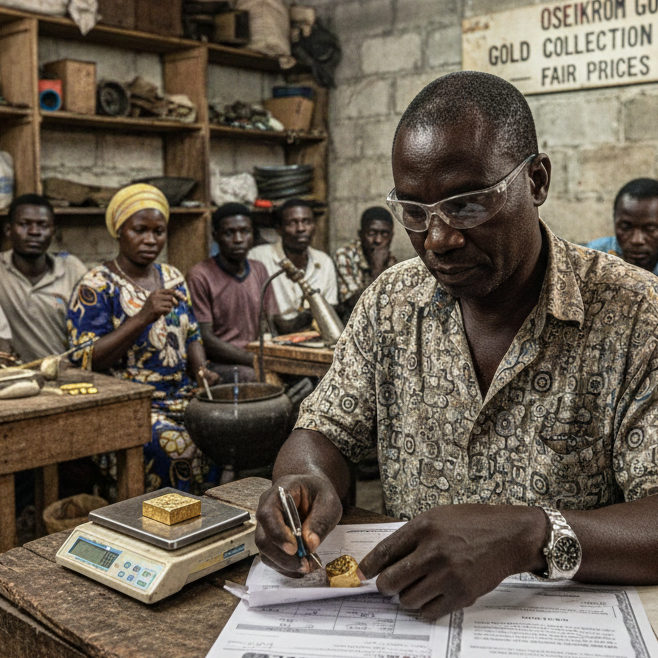
- Seller Verification: Only individuals or entities with valid national mining or trading licenses are accepted.
- On-Site Assay: Gold purity is tested immediately; payable weight is calculated based on fine gold content.
- Benchmark-Based Pricing: Value is determined using the LBMA Gold Price—not local retail or street rates.
- Digital Documentation: Each batch is recorded with GPS coordinates, timestamp, seller ID, and pricing reference.
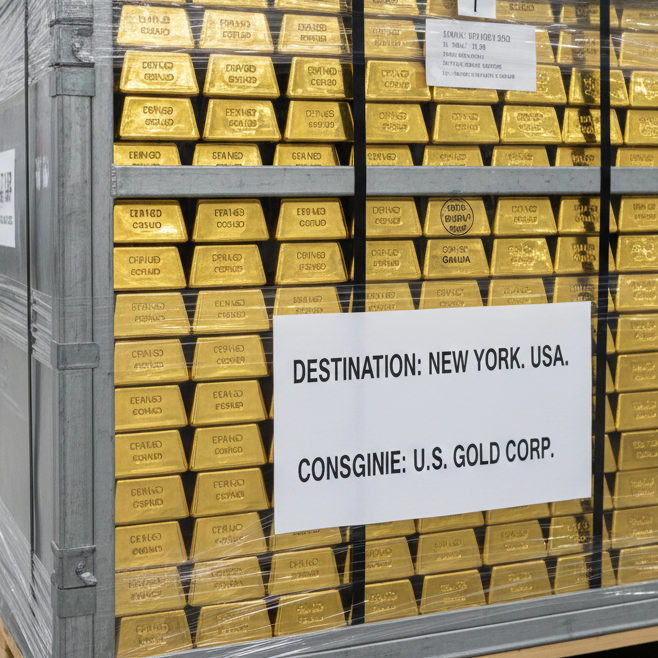
- Secure Export: Material is shipped via established trade routes—including Ghana to the United States, South Sudan to UAE, and South Africa to China—under full chain-of-custody control.
This process ensures that both local producers and international buyers operate on a transparent, globally aligned basis.
Global Demand
International buyers—including refiners in Dubai, Zurich, and New York—require:
- Pricing tied to LBMA or COMEX benchmarks
- Full assay and origin documentation
- Compliance with anti-money laundering and conflict mineral regulations
In this context, the informal “Africa gold rate” is irrelevant. What matters is access to verified supply priced fairly against global standards—a capability that defines reputable South Africa gold exporters, gold export from Ghana operators, and vetted South Sudan gold suppliers.
Why Buyers Work with Africa Gold Reserve
Global clients choose Africa Gold Reserve because:
- It is a trusted gold exporter with boots-on-the-ground presence in core producing regions.
- It uses transparent, benchmark-based pricing—not volatile or opaque local rates.
- It provides documentation that satisfies OECD, LBMA, and international regulatory requirements.
- It serves major client regions including the UAE, United States, China, Europe, Asia, and the Middle East.
The company does not engage in speculative trading or informal deals. Its focus remains strictly on physical, legally sourced gold priced fairly against global standards.

Conclusion
While the term “Africa gold rate” may generate consumer interest, professional trade operates on a different plane—one defined by global benchmarks, ethical sourcing, and regulatory compliance. For international buyers seeking reliable access to African gold, partnering with a disciplined exporter like Africa Gold Reserve ensures fair pricing, full traceability, and seamless integration into global supply chains.
Website: africagoldreserve.com
Email: sales@africagoldreserve.com